


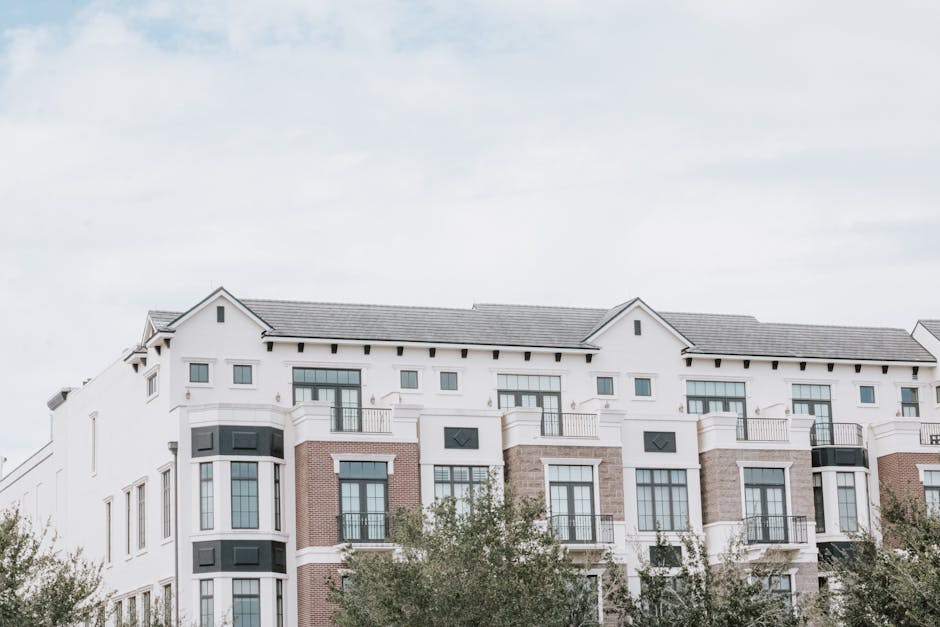
The Transition to a Primary Luxury Market
The Tampa luxury residential sector is currently undergoing a structural transformation, transitioning from a secondary vacation destination to a primary metropolitan market for domestic and international capital. This shift is evidenced by the recent arrival of record-breaking listings and the entry of ultra-high-net-worth individuals who view the region as a long-term base for both family and business operations. Historically, Tampa was often overlooked in favor of South Florida, but current data suggests a significant pivot in buyer sentiment and capital allocation.
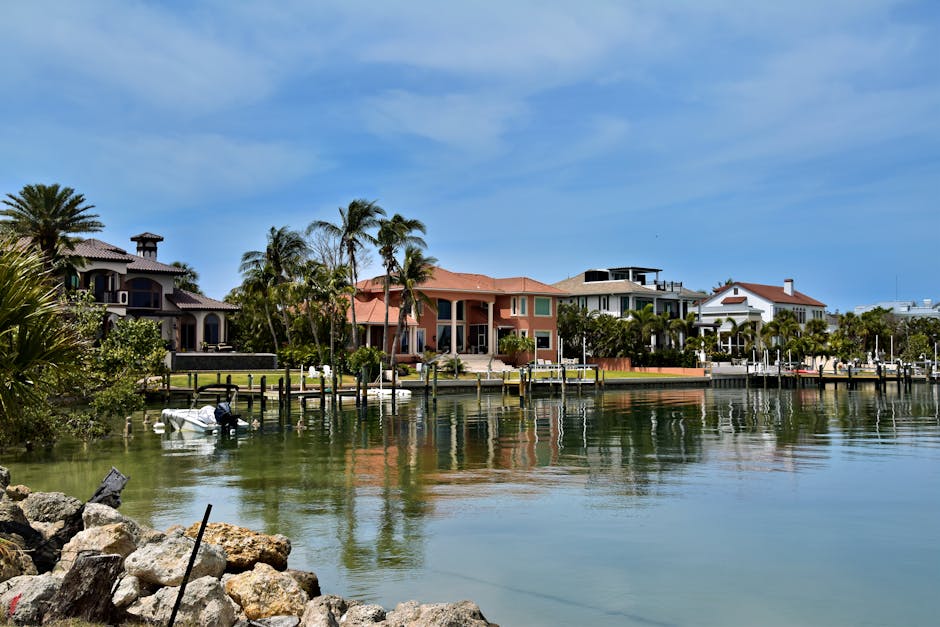
According to reports from the Wall Street Journal, the upper echelon of the market is reaching unprecedented heights, with assets now being positioned at nine-figure valuations. While the current price record sits at twenty-two million dollars, the introduction of estates asking over one hundred million dollars signals a new phase of market maturation. This development indicates that sellers and developers now have the confidence to test valuations that were previously reserved for markets like Palm Beach or Manhattan.
For the analytical buyer, this movement suggests that the ceiling for appreciation is rising. When evaluating a potential acquisition, it is essential to look beyond the immediate aesthetic appeal and consider the scarcity of the land and the quality of the surrounding infrastructure. The emergence of the waterfront as a primary luxury market, as noted by the National Law Review, further solidifies the region’s standing. Investors are no longer just buying a seasonal retreat; they are securing a position in a rapidly expanding economic hub.

Inventory Dynamics and Pricing Benchmarks
Current market inventory remains tight, with approximately one hundred and twenty active luxury listings across the metropolitan area. This limited supply has maintained a floor on pricing, with the median list price for high-end properties holding steady at approximately two million four hundred and ninety thousand dollars. The average list price, skewed by several significant estates, sits higher at over three million dollars. Understanding these benchmarks is critical for any buyer advisor looking to provide objective guidance on price-per-square-foot metrics.
While inventory levels have seen slight fluctuations, the absorption rate for high-quality, renovated assets in established neighborhoods like Hyde Park and Davis Islands remains high. Buyers are increasingly prioritizing move-in-ready properties to avoid the rising costs and delays associated with high-end construction. This preference has created a pricing premium for recently completed or meticulously maintained estates, such as those found on North Florida Avenue or North Grady Avenue, where values have remained resilient despite broader macroeconomic shifts.
When comparing opportunities, it is vital to distinguish between aspirational pricing and established market value. An analysis of Tampa Bay’s most expensive home sales reveals that the properties commanding the highest premiums are those that offer a combination of historical significance, architectural integrity, and prime waterfront access. Buyers should verify the recent sales of comparable assets within the last six months to ensure their offer is grounded in current market realities rather than speculative trends.
The Vertical Evolution: Condominiums as Primary Residences
A notable trend in the Tampa market is the evolution of the luxury condominium sector. Previously considered a secondary choice for downsizers, high-rise living is now a preferred option for executives and professionals seeking a low-maintenance, high-security environment with sophisticated amenities. The development of Water Street and the expansion of the Westshore district have introduced a level of vertical luxury that rivals international standards, featuring expansive floor plans and concierge services that cater to a primary-residence lifestyle.
As reported by Tampa Bay Business & Wealth, the region remains an early-stage luxury condo market, which suggests potential for long-term growth as the skyline continues to fill in. These developments are not just providing housing; they are creating integrated ecosystems where work, dining, and wellness are all within a short distance. This urban densification is a key driver in the region’s ability to attract corporate headquarters and executive talent from more traditional financial centers.
When evaluating a condominium purchase, buyers should scrutinize the developer’s track record, the long-term health of the association, and the exclusivity of the amenities. The transition to vertical living often involves a trade-off in private outdoor space for enhanced security and centralized location. For those who prioritize walkability and immediate access to the city’s cultural offerings, the modern condo market provides a compelling alternative to the traditional suburban estate.
Strategic Due Diligence Checklist for Luxury Acquisitions
Before proceeding with a high-value transaction, it is imperative to conduct a thorough analysis that goes beyond standard inspections. The following checklist is designed to help buyers verify critical aspects of their potential investment:
- Assess the elevation and shoreline stabilization of waterfront parcels to mitigate long-term environmental risks.
- Verify the status of neighborhood master plans and potential zoning changes that could impact privacy or view corridors.
- Review the historical architectural data for properties in protected districts like Hyde Park to understand renovation limitations.
- Analyze the proximity to emerging commercial hubs and the projected impact on local traffic patterns and noise levels.
- Evaluate the quality of the building envelope and HVAC systems, specifically for their performance in the local subtropical climate.
- Confirm the availability of private club memberships or high-end school placements, which often correlate with neighborhood demand.
Geographic Specifics: From Davis Islands to Beach Park
The geographic diversity of the market allows for a range of luxury experiences, from the historic charm of Palma Ceia to the modern waterfront estates of Davis Islands. Each enclave possesses its own distinct valuation drivers and buyer demographics. Davis Islands, for instance, has become a preferred destination for high-profile athletes and business leaders due to its private airport and deep-water access, which can accommodate larger vessels. This specific utility drives a premium that is rarely found in landlocked neighborhoods.
Conversely, Beach Park and Culbreath Isles offer a more secluded, residential atmosphere while maintaining proximity to the Westshore business district and the international airport. These areas are characterized by larger lot sizes and a mix of mid-century and contemporary architectural styles. Buyers in these neighborhoods often prioritize lot depth and mature landscaping, viewing these assets as stable stores of value. The scarcity of available land in these established pockets ensures that well-positioned properties retain their desirability even during broader market corrections.
It is also worth noting the expansion of luxury demand into areas like Riverside Heights and the Heights district. As the downtown core continues to revitalize, these adjacent neighborhoods are seeing significant investment in new construction and large-scale renovations. While these areas are still maturing compared to South Tampa, they offer a different value proposition for buyers who are willing to participate in the early stages of a neighborhood’s upward trajectory. Monitoring these movements is essential for identifying the next cycle of luxury growth.
The Influence of Regional Executive Migration
The growth of the luxury market is inextricably linked to the broader economic health of the region. A significant factor in this growth is the increasing number of executives and business owners choosing to relocate their operations to the Tampa Bay area. As noted in The Business Journals, executives are increasingly choosing locations like St. Petersburg and Tampa for their favorable business climate and high quality of life. This influx of corporate leadership brings not only capital but also a demand for high-end services, private education, and luxury housing.
This migration trend is creating a synergy across the bay, where the growth of one city benefits the other. The resulting increase in high-paying jobs and corporate investment provides a strong foundation for the residential real estate market. When a CEO moves their headquarters to the region, it often precedes a wave of executive-level home purchases within a twenty-mile radius. This “follow the leader” effect is a powerful indicator of future demand in the most desirable neighborhoods.
For those considering a sale or an acquisition, understanding these macroeconomic drivers is just as important as the property-specific details. The continued investment from major institutional players and the development of new infrastructure projects signify that the current market movement is not a temporary surge but a long-term recalibration of the region’s value. Strategic buyers should look for properties that are well-positioned to benefit from this ongoing influx of talent and capital.
Capital Preservation and Long-term Market Viability
In the current environment, the focus for many high-net-worth buyers has shifted toward capital preservation. A luxury home is no longer just a place to live; it is a significant portion of an investment portfolio. In a market where the average list price exceeds three million dollars, the cost of a mistake can be substantial. Therefore, the role of a sophisticated advisor is to provide the data and context necessary to make a dispassionate, objective decision based on long-term viability rather than short-term emotion.
The stability of the local market is further supported by the consistent demand for high-end coastal properties and the state’s favorable tax environment, as highlighted by Florida Trend. While price growth may moderate from the frantic pace of previous years, the underlying drivers of scarcity, migration, and economic expansion remain in place. For those looking to secure a position in this evolving landscape, the strategy should be one of patience and precision, focusing on assets that offer enduring value and architectural significance.
Whether you are evaluating a waterfront estate on Davis Islands or a modern condominium in the heart of the city, the key to success lies in a deep understanding of local market nuances and a commitment to rigorous due diligence. We invite you to browse current luxury listings to understand the breadth of options available in the current market. To discuss a specific asset or to receive a tailored analysis of your position, please contact an advisor to schedule a private consultation. Our team is dedicated to providing the sophisticated guidance required for navigating the complexities of the Tampa luxury sector.
Your next move in Tampa luxury
Get current inventory, pricing guidance, and private-tour support from our brokerage team.
Source highlights
- Tampa’s Price Record Is $22.5 Million. This Huge Estate Is Asking $115 Million. – WSJ
- Tampa Bay’s most expensive luxury home sales of 2025 – Tampa Bay Times
- Column: Why executives keep choosing St. Pete – The Business Journals
- Why Tampa remains an early-stage luxury condo market – Tampa Bay Business & Wealth
- Florida Trend Real Estate – Florida Trend
- Tampa Bay’s Waterfront Emerges as a Primary Luxury Real Estate Market – The National Law Review
- Things To Do In Tampa This Weekend: Best Festivals & Events Going On – That's So Tampa
- Things To Do In St Pete This Weekend: Best Festivals & Events Going On In St Petersburg – I Love the Burg
