


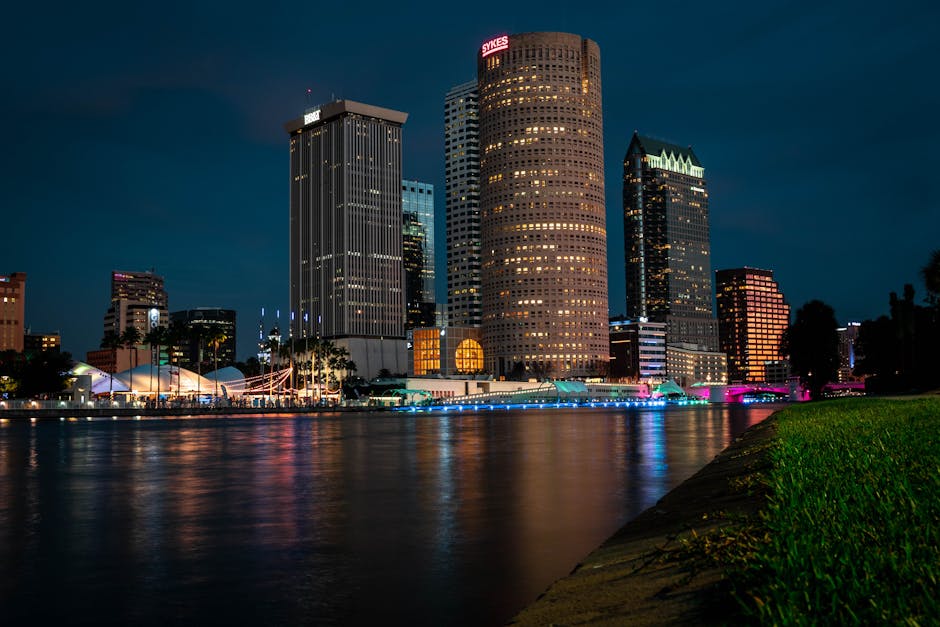
The Shift Toward Waterfront Primacy in Tampa Bay
Tampa’s premium real estate sector is undergoing a definitive maturation, transitioning from a regional focal point to a nationally recognized destination for significant capital allocation. Recent market activity underscores this evolution, particularly concerning waterfront parcels. Discerning buyers are increasingly prioritizing direct water access, driving valuations in established neighborhoods like Davis Islands and along Bayshore Boulevard. The transformation of the broader Tampa Bay waterfront into a primary luxury market demands a recalibrated approach to assessing property values and long-term appreciation potential. The historical discount associated with Florida’s west coast has largely evaporated, replaced by a sophisticated marketplace demanding rigorous valuation models.
This heightened demand is reflected in the current inventory metrics, where the average list price for premium properties now exceeds three million dollars, signaling a structural shift in baseline pricing. We are observing a distinct bifurcation in the market between legacy estates requiring significant modernization and new, hyper-amenitized developments built to exacting modern standards. The upper echelon of the market is aggressively testing new pricing thresholds, with exceptional estates setting unprecedented benchmarks that ripple through subsequent appraisals. As recent reporting on record-setting asking prices illustrates, the definition of luxury in this region is expanding rapidly to align with global expectations.
For prospective buyers, this requires looking beyond the immediate aesthetics of a property to understand the fundamental drivers of its valuation. Analyzing the underlying land value, specifically waterfront resilience, seawall integrity, and base flood elevation, is critical. The premium attached to these locations is justified not merely by the panoramic view, but by the extreme scarcity of developable waterfront linear footage. Understanding the local zoning restrictions, environmental setbacks, and the potential for future structural expansion on these specific parcels is fundamental to executing a sound, risk-adjusted acquisition strategy.

Assessing Neighborhood Fundamentals and Condo Market Viability
Beyond the immediate waterfront, the composition of Tampa’s luxury inventory presents varied, nuanced avenues for investment. Traditional, land-constrained enclaves such as Hyde Park and Parkland Estates continue to command strong interest due to their historical architectural provenance, expansive lot sizes, and established mature tree canopies. These neighborhoods offer a highly stabilized value proposition, characterized by exceptionally slow resident turnover and sustained demand among buyers seeking immediate proximity to the urban core without sacrificing the privacy afforded by a traditional estate setting.
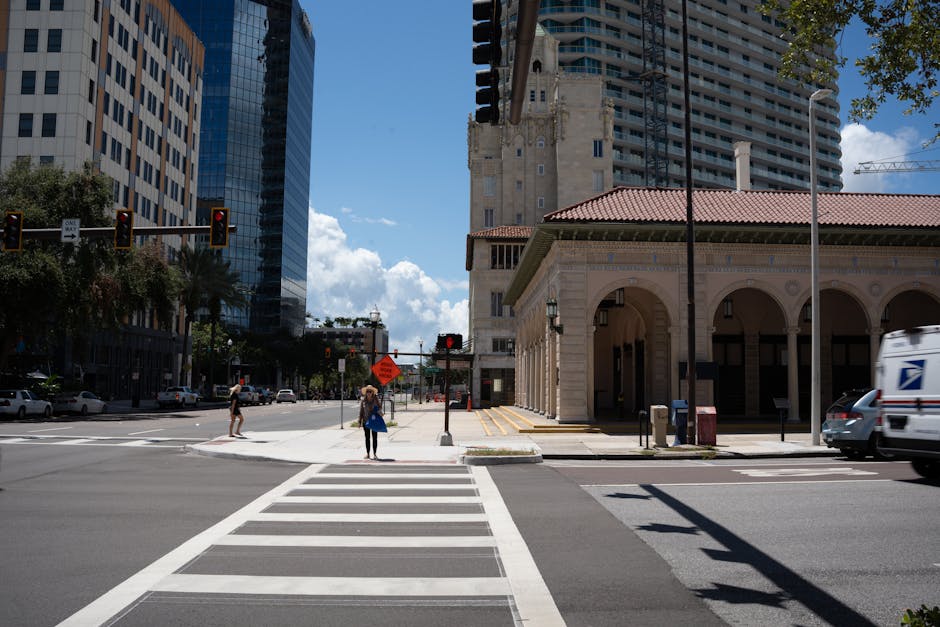
Conversely, the rapidly developing downtown sector introduces an entirely different asset class requiring a separate analytical framework. Tampa is currently navigating its position as an early-stage luxury condominium market, a transition fraught with both opportunity and specific developmental risks. This sector appeals heavily to a demographic prioritizing lock-and-leave convenience, comprehensive concierge services, and sophisticated building security over fee-simple land ownership. Buyers operating in this space must carefully evaluate developer track records, construction timelines, the ratio of primary owner-occupants to speculative investors, and the long-term actuarial viability of the homeowners association’s reserve funds.
The strategic decision between acquiring a single-family estate and a premium condominium unit often hinges on the buyer’s anticipated lifestyle cadence and specific risk tolerance parameters. Condominiums in emerging residential districts offer immediate, walkable proximity to new commercial and entertainment infrastructure, but they also carry different exposure to macroeconomic fluctuations and oversupply risks compared to legacy dirt in established historic neighborhoods. A thorough comparative analysis of recent closed sales within specific high-rise buildings versus the broader, comparable single-family neighborhood is absolutely essential before initiating any formal offer.
Executive Migration and Cross-Bay Dynamics
The demographic profile of the Tampa luxury buyer is shifting, heavily influenced by corporate relocation and executive migration. The influx of C-suite professionals and entrepreneurs is altering demand patterns across the entire region. This movement is not strictly confined to Tampa proper; there is a notable cross-bay dynamic at play. As executives evaluate the region, they are increasingly considering the broader metropolitan area, including the compelling business environment across the bay in St. Petersburg.
This regional perspective is crucial for buyers attempting to anticipate future appreciation. Evaluating the transportation infrastructure, corporate campus developments, and the quality of private educational institutions provides a clearer picture of where sustained demand will cluster. Properties situated in corridors that offer efficient commutes to major employment hubs while maintaining a high degree of residential seclusion are positioned for robust performance over the coming decade.
When assessing these macro trends, buyers must translate them into localized impacts. A neighborhood’s trajectory is often dictated by the profile of capital entering the area. Tracking the origins of recent significant transactions can provide an early indicator of shifting neighborhood prestige and future valuation benchmarks. An advisor with deep localized knowledge can effectively map these trends to specific streets and parcels.
Strategic Buyer Verification Checklist
Executing a successful transaction in a high-stakes environment demands rigorous due diligence. The acquisition process must transition from emotional appeal to analytical verification. Relying solely on aesthetic presentation or superficial market reports often leads to overlooked liabilities. A systematic approach to evaluating a property’s foundational elements is non-negotiable for the discerning buyer.
Before moving from initial interest to formal negotiations, buyers should insist on a comprehensive review of the following critical factors. This methodology ensures that the agreed-upon valuation aligns with the property’s empirical reality and structural integrity.
- Assess long-term waterfront resilience, FEMA flood zone designations, and current structural elevations.
- Verify municipal property tax assessments against recent neighborhood comparables to anticipate future holding costs accurately.
- Evaluate the trajectory of adjacent commercial development and its potential impact on residential privacy and traffic flow.
- Analyze the specific premium assigned to turnkey conditions versus the realistic capital required for renovation-ready estates.
- Review upcoming municipal infrastructure improvements or zoning changes in the immediate vicinity that could alter the property’s context.
- Examine the provenance of major structural components, prioritizing recent upgrades to roofing, HVAC, and impact-resistant fenestration.
Implementing this checklist systematically mitigates exposure to unforeseen capital expenditures post-closing. It also provides a stronger, data-backed foundation during the negotiation phase, allowing buyers to challenge aggressive pricing structures with verifiable empirical findings.
Cultural Connectivity and Lifestyle Assets
The intrinsic value of a luxury property is inextricably linked to its integration within the broader cultural and social fabric of the city. High-net-worth individuals are not merely purchasing acreage; they are securing access to a specific caliber of living. Proximity to premier culinary establishments, private aviation facilities, and major cultural venues significantly influences a property’s desirability, long-term retention of value, and overall market liquidity.
However, this connectivity must be carefully balanced against the fundamental need for residential tranquility. Areas experiencing dense, year-round event schedules often face complex challenges regarding municipal traffic management and neighborhood accessibility. For instance, maintaining awareness of local events and downtown festivals is essential when evaluating properties in highly centralized districts, as these temporary surges directly impact daily livability and logistics.
The optimal acquisition strategy identifies properties that offer seamless, frictionless access to these premium lifestyle assets while maintaining a distinct, insulated boundary from the associated urban congestion. Evaluating the primary ingress and egress routes of a target neighborhood during peak utilization periods is a highly practical step that sophisticated buyers consistently undertake before finalizing their geographic focus.
Navigating Current Inventory Profiles
The current localized market landscape requires a highly analytical approach to inventory review and selection. With the median list price resting firmly near 2.5 million dollars, the active luxury segment is characterized by a complex mix of aspirational, aggressive pricing and properties correctly positioned for immediate, efficient sale. Navigating this environment means looking past the aggregate data summaries and dissecting the specific nuances of individual listings. Available properties range significantly in their condition and utility, from historic renovations requiring careful preservation to modern coastal constructions engineered for resilience.
Buyers must develop a clear, empirical understanding of the difference between days-on-market metrics that indicate a fundamentally flawed or stigmatized property versus those that merely reflect the natural, slower absorption rate typical for ultra-high-end real estate assets. Overpriced assets that test the market too aggressively often languish, requiring multiple incremental price reductions that ultimately damage the property’s perceived market value. Conversely, correctly priced, architecturally significant estates in prime locations continue to trade efficiently, often requiring decisive action from fully prepared buyers.
To genuinely understand the current spread of architectural styles, localized pricing strata, and geographic availability, a continuous, disciplined review of active properties is necessary. We actively encourage our discerning clients to browse our curated luxury listings to accurately align their specific aesthetic and functional preferences with the concrete realities of the current market supply. This ongoing empirical observation is the vital first step in refining a highly focused acquisition strategy.
Establishing Your Market Position
Acquiring premium real estate in this demanding environment is an exercise in preparation and precision. The market does not reward hesitation, nor does it forgive inadequate structural planning. Buyers who enter formal negotiations with fully realized financing structures, a comprehensive understanding of comparable closed sales, and a clear, predetermined limit on their acceptable terms hold a distinct structural advantage over those relying on speculative or emotional offers.
Success in this arena requires an advisory team capable of interpreting granular micro-market data and translating it into highly actionable intelligence. The objective is to identify properties that not only meet immediate operational and lifestyle requirements but also represent sound long-term capital preservation. This involves a rigorous, uncompromising vetting process that strips away marketing narratives to reveal the core, defensible value of the underlying real estate asset.
To initiate a sophisticated, heavily data-driven approach to your next real estate acquisition, professional representation is paramount. We invite you to contact our advisory team to confidentially discuss your specific criteria and begin formulating a discrete, effective market strategy tailored precisely to your acquisition objectives.
Your next move in Tampa luxury
Get current inventory, pricing guidance, and private-tour support from our brokerage team.
Source highlights
- Tampa’s Price Record Is $22.5 Million. This Huge Estate Is Asking $115 Million. – WSJ
- Tampa Bay’s most expensive luxury home sales of 2025 – Tampa Bay Times
- Column: Why executives keep choosing St. Pete – The Business Journals
- Why Tampa remains an early-stage luxury condo market – Tampa Bay Business & Wealth
- Florida Trend Real Estate – Florida Trend
- Tampa Bay’s Waterfront Emerges as a Primary Luxury Real Estate Market – The National Law Review
- Things To Do In Tampa This Weekend: Best Festivals & Events Going On – That's So Tampa
- Things To Do In St Pete This Weekend: Best Festivals & Events Going On In St Petersburg – I Love the Burg
