


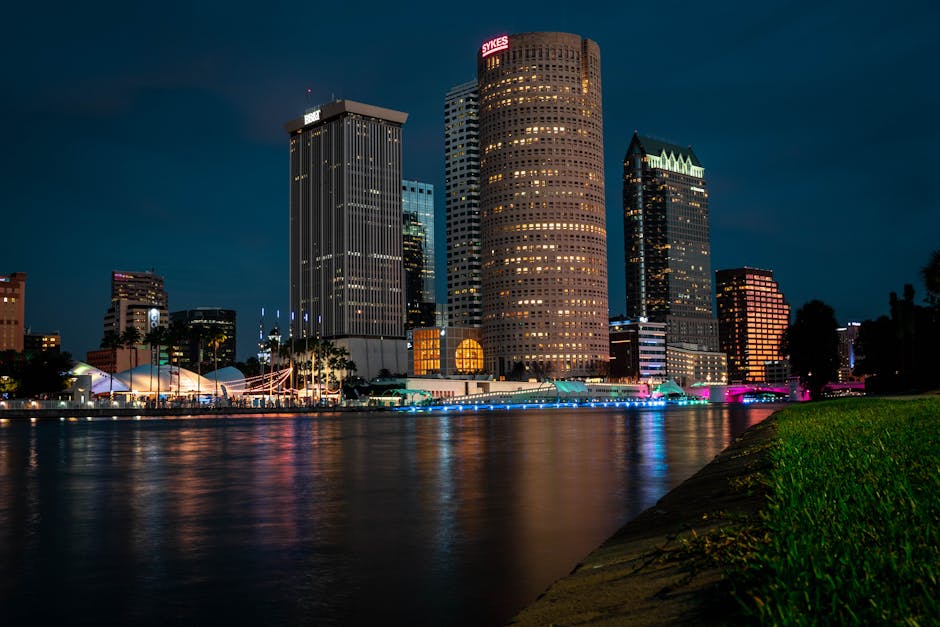
The Institutionalization of the Tampa Luxury Sector
The transition of Tampa from a secondary vacation destination to a primary hub for global wealth is no longer a projection; it is a documented reality. This shift is characterized by the entry of ultra-high-net-worth individuals who view the region as a permanent base for both capital and lifestyle. A defining moment in this trajectory is the recent introduction of a massive estate to the market with an asking price of $115 million, a figure that dramatically resets the local price ceiling. This institutionalization reflects a broader confidence in the structural integrity of the Florida West Coast economy, moving beyond the volatility typically associated with purely seasonal markets.
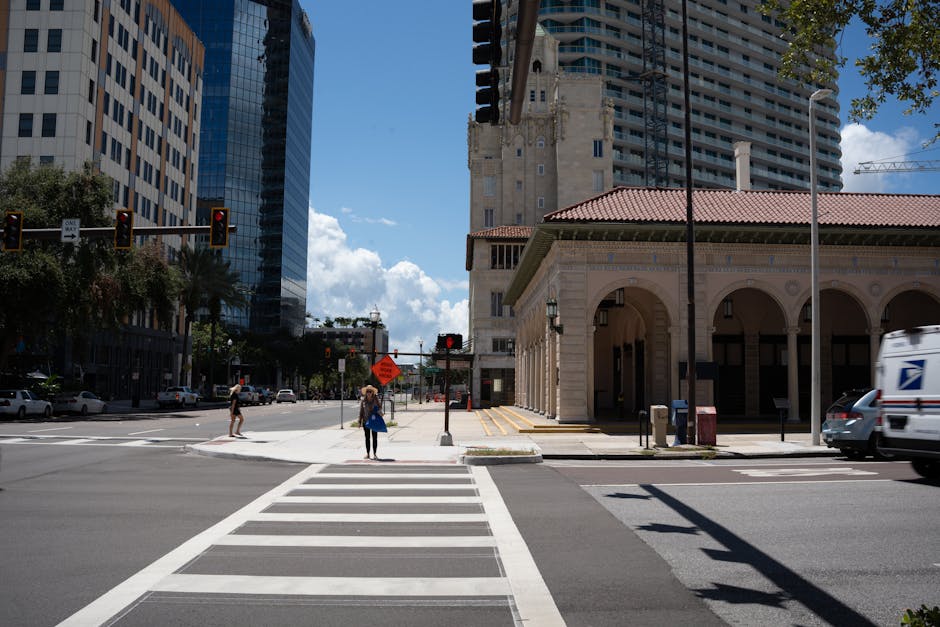
For the discerning advisor, this movement signals a fundamental change in how inventory is evaluated. We are seeing a departure from traditional residential metrics in favor of asset-class analysis. Properties are now judged not just on square footage or finishes, but on their ability to serve as a fortress for wealth. The recent data regarding most expensive luxury home sales of 2025 underscores this trend, showing a consistent appetite for high-ticket waterfront acquisitions even during periods of broader national economic adjustment. This resilience is a hallmark of a primary market pivot, where demand is driven by wealth migration rather than interest rate fluctuations.
Analyzing Inventory Constraints and Price Velocity
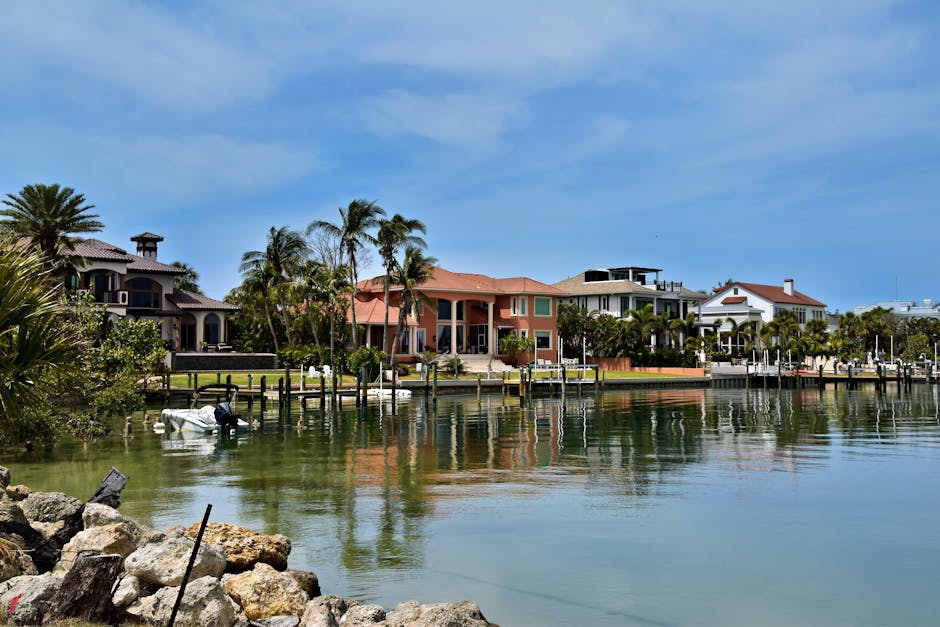
Current market conditions reveal a calculated scarcity in the luxury segment. With an active inventory of approximately 120 luxury residences, the market remains tightly held. The median list price currently sits at $2,490,000, while the average list price has climbed to $3,165,369. This discrepancy between median and average suggests a heavy concentration of value at the very top of the market, where bespoke waterfront estates in areas like Davis Islands and Bayshore Boulevard continue to command substantial premiums. Buyers in this bracket are prioritizing site-specific attributes—such as deep-water dockage and protected views—over standardized luxury features.
Understanding the velocity of these transactions requires a look at buyer behavior. We are observing a more deliberate decision-making process where the focus is on utility and longevity. The entry-level luxury point, often starting around $1.5 million for renovated residences in established neighborhoods like South Tampa, serves as a high-liquidity floor. However, the true market movement is found in the $5 million to $15 million range, where inventory is most constrained. For those looking to secure a position in this evolving landscape, it is essential to monitor LISTINGS URL regularly, as high-value assets often move through private channels or sell rapidly upon public release.
The Emergence of an Early-Stage Luxury Condo Market
While single-family estates historically dominated the local conversation, the high-rise sector is undergoing a significant transformation. Historically, Tampa was viewed as a late bloomer in the vertical luxury space, but recent developments in Water Street and the Downtown corridor have accelerated its maturity. Industry analysts note that Tampa remains an early-stage luxury condo market, offering a unique window for investors and residents to acquire assets before the full realization of the city’s vertical master plan. This sector appeals particularly to those seeking a lower-maintenance lifestyle without sacrificing the amenities typically found in five-star hospitality environments.
The value proposition in these early-stage condos lies in the scarcity of comparable vertical inventory. Unlike established markets like Miami, where the condo pipeline is often oversupplied, Tampa’s luxury tower projects are being absorbed by local end-users and domestic relocators. This creates a stable pricing environment and reduces the risk of the inventory gluts seen in more speculative regions. When evaluating these options, it is critical to compare association health, long-term maintenance projections, and the reputation of the development team, as these factors will ultimately dictate the asset’s resale viability in a more mature market.
Critical Selection Criteria for Waterfront Acquisitions
Navigating the waterfront requires more than just an aesthetic eye; it requires a technical understanding of the shoreline and its long-term implications. As the waterfront emerges as a primary luxury market, the distinction between various grades of water access becomes paramount for protecting equity. A residence on a deep-water canal offers vastly different utility and liquidity than one on a shallow tidal flat, particularly for owners of larger vessels or those considering future resale to the yachting community.
- Verify the elevation and age of the seawall, as modern seawall construction can be a significant capital expenditure.
- Assess the riparian rights and any existing easements that may impact the privacy or development potential of the shoreline.
- Analyze the proximity to open water and any bridge clearances that may restrict vessel size or transit times.
- Evaluate the storm surge history and the property’s inclusion in various flood mitigation zones for insurance predictability.
- Compare the density of the surrounding neighborhood to ensure long-term privacy as waterfront land becomes increasingly scarce.
These technical considerations should be the foundation of any purchase strategy. In a market where a $22.5 million record can be challenged by a $115 million asking price, the details of the site itself provide the ultimate hedge against market volatility. Buyers must move beyond the surface-level finishes and conduct rigorous due diligence on the land and its interaction with the coastal environment. This analytical approach ensures that the acquisition remains a high-functioning component of a broader wealth portfolio.
The St. Petersburg Executive Corridor and Regional Connectivity
The luxury landscape is no longer confined to a single side of the bay. There is a growing trend of corporate leaders and executives choosing to base their operations and residences in St. Petersburg, citing the high quality of life and the concentration of high-growth industries. Reports on why executives keep choosing St. Pete highlight the city’s role as a secondary engine for the region’s luxury market. This cross-bay synergy has created a more unified regional market where a buyer might compare a historic estate in Old Northeast with a modern build on Davis Islands.
This regional connectivity is bolstered by infrastructure improvements and a shared cultural calendar that spans both cities. The flow of capital between Tampa and St. Petersburg ensures that the luxury market is not dependent on a single neighborhood’s performance. Instead, it benefits from a diverse range of sub-markets, each offering different lifestyle nuances. For the sophisticated buyer, this means looking at the bay area as a singular, cohesive ecosystem. Decisions should be made with an eye toward regional growth patterns, including the redevelopment of major sites and the expansion of high-end commercial districts that support these residential enclaves.
Strategic Considerations for High-Value Acquisitions
In the current cycle, the most successful acquisitions are those that align with long-term infrastructure and development trends. The Florida Trend Real Estate data indicates that the state continues to lead in domestic migration, with the Tampa Bay area being a primary recipient of both human and financial capital. This influx of demand necessitates a proactive approach to property selection. Buyers should focus on neighborhoods with high architectural standards and significant barriers to entry, as these areas tend to maintain their value most effectively during broader market shifts.
Risk mitigation in high-value real estate also involves a thorough assessment of the local regulatory environment and potential zoning changes. As neighborhoods like South Tampa and the waterfront areas of St. Petersburg continue to densify, understanding the future of the surrounding parcels is as important as the property itself. We advise our clients to look beyond the current view and investigate planned developments or infrastructure projects that could impact traffic patterns or privacy. A disciplined, data-backed approach to these factors is what separates a standard home purchase from a strategic real estate acquisition.
Portfolio Alignment and Final Guidance
Ultimately, a luxury residence in Tampa is a multi-generational asset that requires ongoing stewardship and strategic alignment with one’s broader financial goals. The current median price of $2,490,000 is a baseline for a market that is increasingly defined by eight-figure transactions and institutional-grade waterfront holdings. As the region continues to attract the global executive class, the competition for the most desirable parcels will only intensify. Successful buyers will be those who combine local market intelligence with a global perspective on value, recognizing that Tampa’s evolution into a primary waterfront market is still in its middle chapters.
To navigate this complex landscape, it is essential to work with an advisor who understands the nuances of neighborhood-level movements and the technical requirements of high-value waterfront ownership. Whether you are seeking a historic estate on the brick-paved streets of Old Northeast or a modern architectural masterpiece on the open water of the bay, the first step is a comprehensive survey of the current inventory. To begin your search or to discuss a tailored acquisition strategy for your portfolio, please browse our curated LISTINGS URL and CONTACT URL an advisor today for a confidential consultation.
Your next move in Tampa luxury
Get current inventory, pricing guidance, and private-tour support from our brokerage team.
Source highlights
- Tampa’s Price Record Is $22.5 Million. This Huge Estate Is Asking $115 Million. – WSJ
- Tampa Bay’s most expensive luxury home sales of 2025 – Tampa Bay Times
- Column: Why executives keep choosing St. Pete – The Business Journals
- Why Tampa remains an early-stage luxury condo market – Tampa Bay Business & Wealth
- Florida Trend Real Estate – Florida Trend
- Tampa Bay’s Waterfront Emerges as a Primary Luxury Real Estate Market – The National Law Review
- Things To Do In Tampa This Weekend: Best Festivals & Events Going On – That's So Tampa
- Things To Do In St Pete This Weekend: Best Festivals & Events Going On In St Petersburg – I Love the Burg
