



The Institutionalization of Tampa Waterfront
The Tampa luxury sector is currently undergoing a fundamental transition from a secondary, seasonal market into a mature primary residence destination. Historically, high-net-worth acquisitions in areas like Davis Islands and Beach Park were often viewed through the lens of discretionary vacation holdings. However, recent data suggests a shift in buyer behavior, with a significant majority of new residents establishing permanent homesteads. This movement is underpinned by the increasing ‘stickiness’ of the region, driven by corporate relocations and the development of world-class infrastructure that supports a full-time professional population.
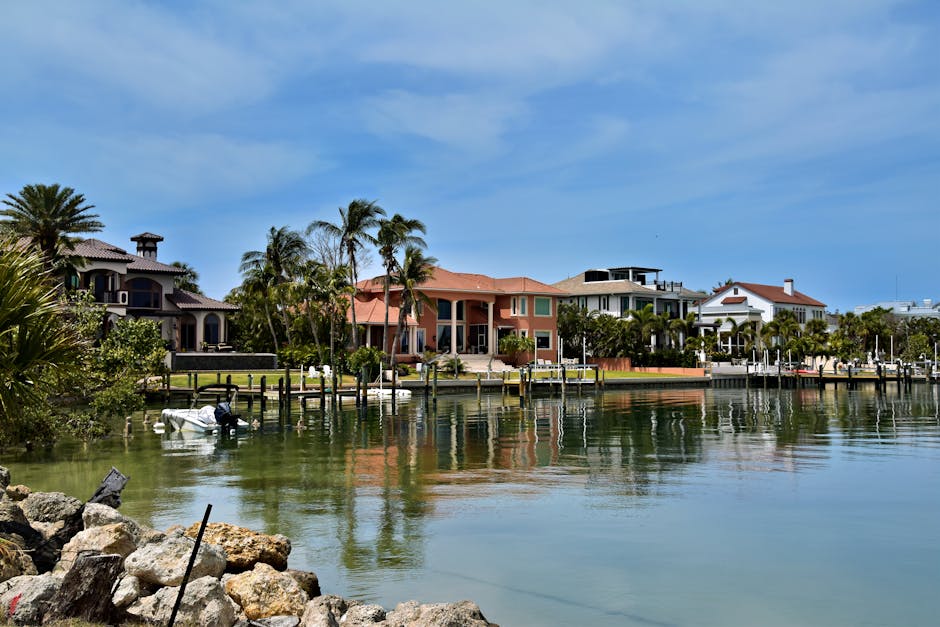
According to recent analysis from The National Law Review, the waterfront has emerged as a primary market, reflecting a broader trend where affluent buyers prioritize coastal proximity for their principal residences. This shift is not merely aesthetic; it is structural. Modern buyers are increasingly focused on the engineering and resiliency of new builds in neighborhoods like Culbreath Isles and Snell Isle, where elevation and high-velocity hurricane zone (HVHZ) compliance are now standard prerequisites for any transaction exceeding the $5 million threshold.
Current inventory levels reflect this tightening market, with only 120 active luxury listings available. With a median list price holding steady at $2,490,000, the market remains competitive but rational. Buyers are no longer chasing speculative appreciation; instead, they are paying for immediate utility and the long-term stability offered by established South Tampa corridors. The absence of oversupply in the single-family segment continues to support price floors even as interest rates fluctuate, reinforcing the narrative of a supply-constrained environment that favors early entry for primary users.
The Hundred-Million Dollar Ceiling and Market Liquidity
The pricing ceiling in the region has been shattered by recent marquee listings that place Tampa on a level playing field with traditional high-capital hubs like Palm Beach or Miami. While the previous record for a residential sale stood at $22.5 million, the entry of estates with nine-figure price tags signals a new era of market confidence. As reported by the Wall Street Journal, a massive estate asking $115 million has recalibrated expectations for what the local market can absorb. This level of valuation is supported by a growing pool of global capital seeking refuge in Florida’s favorable tax environment.
Liquidity at the top end of the market—specifically for properties priced above $10 million—is increasingly driven by cash transactions. In neighborhoods such as Palma Ceia and Hyde Park, the velocity of sales for renovated historic properties remains brisk, provided the architectural integrity is preserved. Sophisticated buyers are evaluating these assets not just as homes, but as hedge instruments. They are looking for ‘trophy’ assets that offer scarcity value, such as wide-water frontage or oversized lots in land-locked districts where teardowns are the only remaining path to new construction.
The average list price in the current snapshot sits at $3,165,369, a figure skewed by the ultra-luxury tier but representative of the premium now placed on turn-key readiness. Buyers in the 2026 market have little appetite for multi-year renovation projects. This preference for finished products has created a distinct premium for new construction, where buyers are willing to pay a 20-30% spread over existing inventory to avoid the complexities of the current permitting and labor environment in Hillsborough County.
Why Regional Executives Favor the St. Petersburg Corridor
While South Tampa maintains its status as the traditional seat of power, a notable volume of executive migration is flowing toward the St. Petersburg side of the bay. This trend is driven by a preference for a highly walkable, urban-luxury experience that integrates seamlessly with professional life. As noted by The Business Journals, corporate leaders are increasingly choosing St. Pete for its density of high-end amenities and its reputation as a burgeoning hub for tech and financial services. This cross-bay movement has created a symbiotic relationship between the two cities, with capital flowing freely between them.
The appeal for executives often lies in the proximity to private aviation and the ease of commute to the Westshore Business District. Buyers coming from New York, Chicago, or California are accustomed to high-density luxury and find the waterfront condos of Downtown St. Pete to be a familiar and efficient lifestyle choice. This buyer profile is less concerned with traditional lot sizes and more focused on the ‘lock-and-leave’ convenience provided by 24-hour concierge services and integrated smart-home technology. The demand here is specific: high-floor units with unobstructed views of Tampa Bay and the Gulf of Mexico.
Furthermore, the cultural infrastructure of the region—including the burgeoning arts district and the expansion of the Innovation District—serves as a powerful magnet for the next generation of wealth. These buyers are looking for a sense of place that goes beyond the four walls of a residence. They prioritize the ability to walk to high-end dining or attend a gallery opening without the friction of heavy traffic. This urban-centric luxury demand is a critical component of the region’s overall market health, providing a diversified base of buyers that insulates the area from localized economic shifts.
Evaluating the Early-Stage Luxury Condo Pipeline
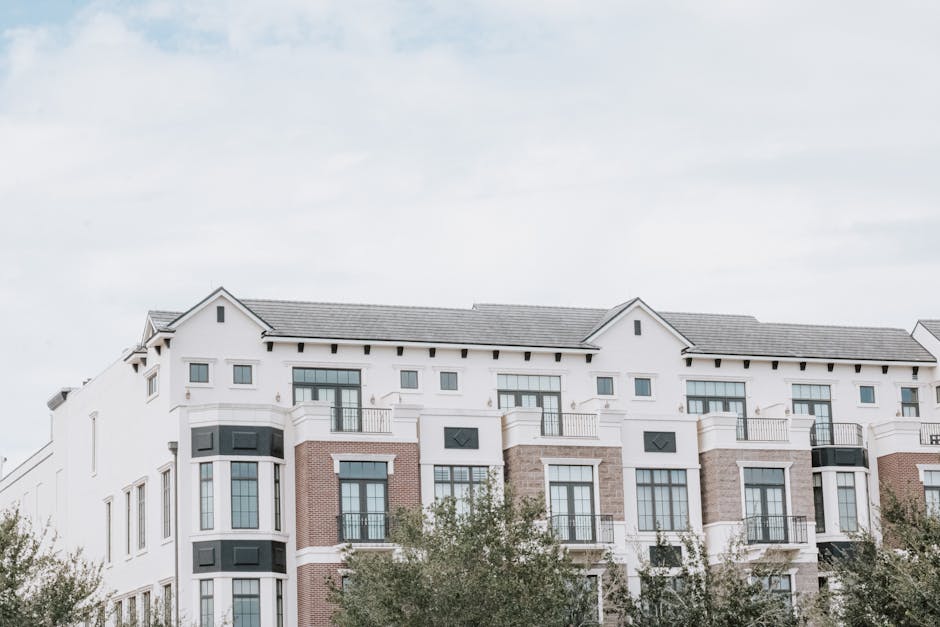
Despite the dominance of single-family estates, Tampa remains an early-stage luxury condo market with significant room for expansion. Unlike the saturated high-rise markets of South Florida, Tampa’s vertical luxury segment is still in its infancy, offering a unique window for early-movers. According to Tampa Bay Business & Wealth, the current pipeline of developments is focused on low-density, high-service buildings that cater to the most discerning clientele. These are not mass-market towers; they are boutique residences designed to feel like ‘villas in the sky.’
The scarcity of prime vertical real estate along Bayshore Boulevard and the Channel District has created a competitive bidding environment for pre-construction units. Buyers are increasingly using these acquisitions as a way to secure a future footprint in the city while maintaining their current portfolios. This segment of the market is particularly sensitive to the quality of common areas and the reputation of the development team. Investors and primary residents alike are scrutinizing floor plans for functional office space and expansive outdoor terraces, reflecting the hybrid lifestyle that has become standard among the affluent.
Data from Florida Trend indicates that the regional real estate landscape is being reshaped by these high-profile vertical projects, which often serve as catalysts for further retail and commercial development. For the buyer, this means that a condo purchase in a developing district like Water Street is as much an investment in the surrounding ecosystem as it is in the unit itself. The maturation of this sector will likely lead to increased price-per-square-foot records as the first wave of these ultra-luxury towers reaches completion and enters the secondary market.
Acquisition Checklist: Due Diligence for High-Value Residences
- Verify the structural elevation and flood zone designation to ensure long-term insurability and compliance with current FEMA guidelines.
- Assess the age and efficiency of critical mechanical systems, particularly HVAC and smart-home integration, which can be costly to retrofit in older South Tampa estates.
- Evaluate the proximity to high-capacity arterial roads, as city officials expect heavy traffic during event-heavy weekends as noted by WTSP.
- Analyze the historical sales data for the specific neighborhood block, noting that value can vary significantly between adjacent streets in areas like Old Hyde Park.
- Consult with a specialized advisor to review any existing riparian rights or dock permits for waterfront properties, as these are often the most valuable assets of the listing.
- Inspect the quality of the ‘shell’ in new construction, focusing on impact-rated windows and the R-value of insulation, which are critical for maintaining climate control in the Florida heat.
Inventory Constraints and List-to-Sale Ratios
Navigating the current market requires a deep understanding of inventory dynamics, where ‘off-market’ transactions represent a growing percentage of total volume. With only 120 properties currently listed, many of the most desirable assets never reach the public MLS. This hidden inventory is often moved through private networks where discretion is paramount. For buyers, this means that access to a well-connected advisor is the single most important factor in securing a property in top-tier neighborhoods like Sunset Park or Golfview. The competition for these homes is not just about price; it is about timing and the ability to close without contingencies.
The list-to-sale price ratio in the luxury segment remains tight, with many properties trading within 2-4% of their asking price. This indicates that while the market has moved past the frenetic pace of previous years, sellers remain confident in their valuations. The average list price of $3.16M is a reflection of the significant capital improvements many owners have made to their properties. Buyers who expect deep discounts are often finding themselves outmaneuvered by cash-ready peers who recognize the intrinsic value of a well-maintained, centrally located luxury home.
Looking ahead, the supply of new inventory is expected to remain constrained due to the high cost of land and the lengthy timelines for luxury construction. This structural imbalance suggests that price appreciation, while perhaps more moderate than in the recent past, will continue to be driven by the fundamental lack of available product. Investors are increasingly looking at land-value-only acquisitions in Beach Park and similar areas, recognizing that the long-term play is the ground itself, regardless of the structure currently standing upon it.
Long-Term Appreciation vs. Immediate Utility
In the final analysis, the choice between different luxury enclaves in Tampa often comes down to the balance between long-term investment potential and immediate lifestyle utility. Buyers are increasingly sophisticated in their ability to weigh these factors, often choosing the stability of an established neighborhood over the potential higher returns of an emerging district. The predictability of South Tampa, with its mature canopy of oaks and proximity to the region’s best private schools, continues to make it the preferred choice for multi-generational wealth preservation.
Conversely, those seeking the highest ceiling for appreciation are looking toward the periphery of the urban core, where redevelopment is in full swing. The decision-making process involves a careful evaluation of the ‘path of progress,’ where public investment in parks, transit, and infrastructure serves as a reliable indicator of future private sector growth. For the modern executive, the ability to bypass traffic during the city’s frequent large-scale festivals and concerts is a significant factor in property selection, making transit-efficient locations a priority.
Ultimately, the Tampa market has proven its resilience and its ability to attract high-caliber residents who are committed to the region’s future. The transition to a primary market is complete, and the focus has now shifted to the refinement of the luxury experience. To navigate this landscape successfully, one must look beyond the surface-level metrics and understand the neighborhood-level implications of every transaction. Whether you are looking to divest a legacy asset or acquire a new cornerstone for your portfolio, the current environment offers a rare combination of stability and growth potential.
To navigate the nuances of this maturing market, it is essential to have an advisor who understands the intersection of data and local intuition. Whether you are searching for a waterfront estate in Culbreath Isles or a modern penthouse in the Channel District, our team provides the analytical brief necessary to make an informed decision. We invite you to browse our exclusive listings or contact a private advisor today to discuss your specific requirements and strategic objectives in the Tampa luxury market.
Your next move in Tampa luxury
Get current inventory, pricing guidance, and private-tour support from our brokerage team.
Source highlights
- Tampa’s Price Record Is $22.5 Million. This Huge Estate Is Asking $115 Million. – WSJ
- Tampa Bay’s most expensive luxury home sales of 2025 – Tampa Bay Times
- Column: Why executives keep choosing St. Pete – The Business Journals
- Why Tampa remains an early-stage luxury condo market – Tampa Bay Business & Wealth
- Florida Trend Real Estate – Florida Trend
- Tampa Bay’s Waterfront Emerges as a Primary Luxury Real Estate Market – The National Law Review
- Things To Do In Tampa This Weekend: Best Festivals & Events Going On – That's So Tampa
- Things To Do In St Pete This Weekend: Best Festivals & Events Going On In St Petersburg – I Love the Burg
