


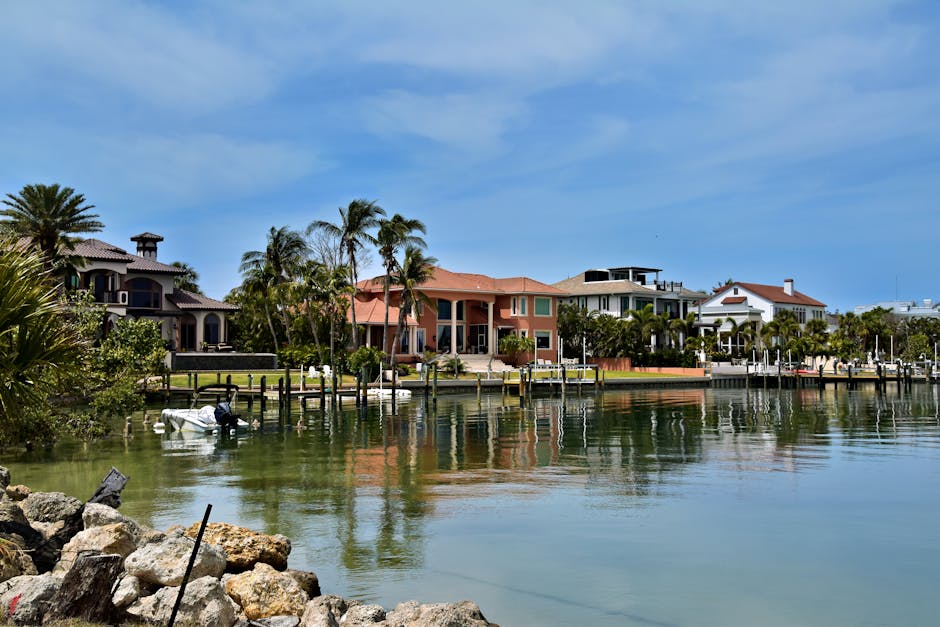
The Evolution of Tampa’s Waterfront Identity
The Tampa luxury landscape has undergone a fundamental transition over the last 36 months, shifting from a regional interest to a primary destination for global capital. No longer characterized solely by seasonal residents, the market now caters to a permanent class of executives and high-net-worth individuals who prioritize the Gulf Coast for its infrastructure and tax advantages. This maturation is evidenced by the rising floor of entry-level luxury pricing and the increasing complexity of high-value transactions across established neighborhoods like Davis Islands and Hyde Park.
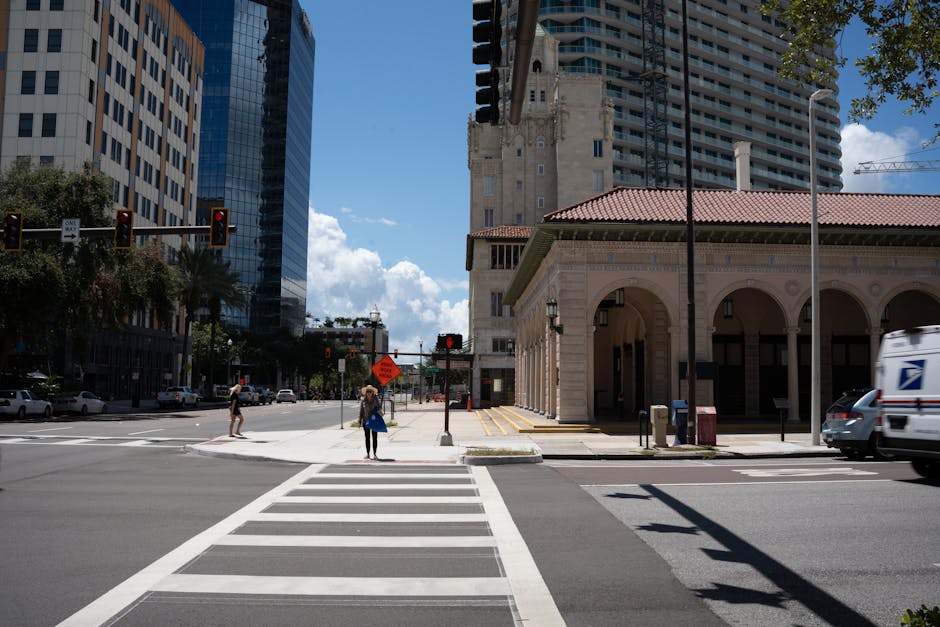
As the city’s waterfront emerges as a primary luxury real estate market, as noted by The National Law Review, the demand for sophisticated design and resilient construction has reached an all-time high. Buyers are moving beyond aesthetic considerations, focusing instead on the long-term viability of coastal assets. This shift requires a more nuanced approach to acquisition, where traditional metrics of square footage are secondary to site elevation, seawall integrity, and proximity to the city’s expanding commercial hubs.
Current pricing records further illustrate this upward trajectory. While the current local record stands at $22.5 million, the entry of hyper-luxury estates onto the market—including properties seeking nine-figure valuations—signals a massive shift in how national investors perceive Tampa’s ceiling. According to reports from the Wall Street Journal, the appetite for massive estates remains robust, even as broader economic indicators suggest a cooling in standard residential tiers.
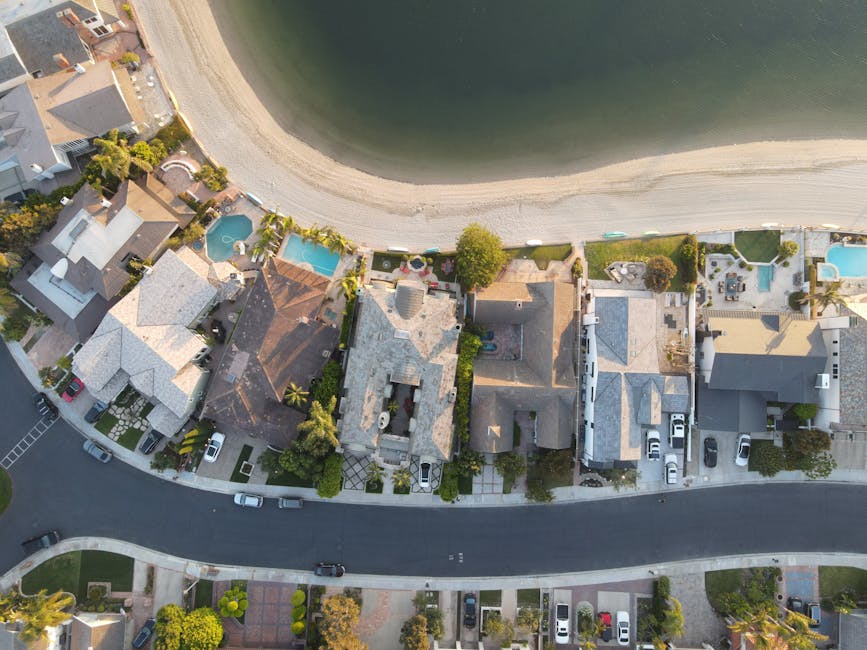
Market Dynamics: Inventory Constraints and Pricing Realities
As of May 2026, the Tampa luxury inventory remains significantly tighter than historical norms, with only 120 active luxury listings currently available. This scarcity has maintained a high median list price of $2,490,000, while the average list price has climbed to $3,165,369. This data reflects a market where high-quality inventory is absorbed quickly, often before reaching the public MLS. For buyers, this necessitates a proactive stance and a deep reliance on advisor networks to identify off-market opportunities before they command multiple offers.
The concentration of wealth is most visible in areas like the Bayshore corridor and the specialized enclaves of Beach Park and Culbreath Isles. Here, the competition for teardown lots or legacy estates is intense, as land value continues to outpace the value of existing improvements. Buyers in this segment are typically well-capitalized and less sensitive to interest rate fluctuations, focusing instead on the scarcity of the lot itself. This behavior has created a floor for waterfront pricing that remains resilient despite broader national trends.
Reflecting on the most expensive luxury home sales of 2025, we see a pattern of buyers prioritizing privacy and unique architectural provenance. The most successful acquisitions have been those where the buyer acted with precision on properties that offered unique geographic advantages, such as double lots or deep-water access. Understanding these micro-movements is essential for any serious buyer looking to allocate capital effectively in the current environment.
Evaluating Early-Stage Luxury Opportunities
While established neighborhoods remain the primary focus for many, the Tampa condo market represents an intriguing early-stage luxury opportunity. Unlike mature markets such as Miami or Naples, Tampa’s high-rise inventory is still in its infancy, offering a different value proposition for those who prefer urban density and managed amenities. Industry analysis suggests that Tampa remains an early-stage luxury condo market, which allows for potentially higher upside as the city’s downtown core continues its revitalization.
New developments in Water Street and the Westshore Marina District are introducing a level of service and security previously unavailable in the region. These properties appeal specifically to the ‘lock-and-leave’ buyer who divides time between Tampa and other financial hubs. The integration of high-end retail, Michelin-recognized dining, and professional services within walking distance has transformed the value of downtown living from a convenience to a necessity for certain high-level executives.
The broader Florida Trend Real Estate reports highlight that this urban migration is not a temporary trend but a long-term structural change. As the workforce continues to decentralize, Tampa’s ability to offer a sophisticated lifestyle without the congestion of larger metros remains its strongest selling point. For the strategic buyer, the goal is to identify which of these emerging districts will hold their value as the inventory pipeline expands over the next five years.
Essential Due Diligence for High-Value Acquisitions
Acquiring property at this level requires a specialized checklist that goes beyond standard home inspections. The following factors are critical when evaluating a luxury asset in the Tampa market to ensure the investment remains sound over decades.
- Verify the structural integrity and elevation of seawalls, especially for legacy waterfront estates built before modern coastal codes.
- Assess the current and projected flood insurance premiums alongside updated FEMA mapping to understand total carry costs.
- Evaluate the quality of smart-home integration and its scalability for future technological updates.
- Investigate the health of Homeowners Associations in high-rise developments, focusing on capital reserves and recent special assessments.
- Analyze neighborhood-specific zoning changes that could impact privacy or views, particularly in rapidly developing corridors.
- Review the property’s historical rental performance if the asset is intended for multi-use or future liquidation.
Adhering to these points ensures that the acquisition is not just a lifestyle choice but a calculated financial move. In a market where values are reaching new heights, the cost of overlooking a technical detail can be substantial. A professional advisor will coordinate these specialized reviews early in the contract period to avoid unforeseen liabilities.
The Shift from Secondary to Primary Residence Focus
The profile of the Tampa buyer has shifted significantly toward the long-term occupant. This change is driven by the relocation of major corporate entities and the increasing preference of business leaders to base their operations in the region. There are clear reasons why executives keep choosing St. Pete and Tampa for their headquarters; the combination of lifestyle and professional opportunity is currently unmatched in the Southeast.
This shift to primary residence status means that buyers are looking for different features than they would in a vacation home. Large, functional home offices, advanced wellness suites, and expansive outdoor kitchens have become standard requirements. The focus is on creating an environment that supports both a high-octane professional life and a private sanctuary for family. This demand is pushing architects to rethink traditional floor plans in favor of more flexible, multi-purpose spaces.
Furthermore, the social calendar of the region has matured to match this primary-resident lifestyle. From major sporting events to cultural festivals, the city is active year-round. While weekends can bring heavy traffic due to an event-packed schedule, this is a symptom of a city that is very much ‘alive.’ Successful residents learn to navigate the local ebb and flow, enjoying the vibrancy while maintaining their privacy in gated enclaves or high-security buildings.
Comparing Core Neighborhoods: South Tampa vs. Downtown
When deciding where to anchor a luxury investment, the choice often comes down to the historic charm of South Tampa versus the sleek efficiency of Downtown. South Tampa offers established prestige and a sense of community that is hard to replicate. The oak-lined streets of Hyde Park and the waterfront mansions of Davis Islands provide a sense of permanence and tradition. Here, the value is often tied to the history of the neighborhood and the relative scarcity of available land.
Conversely, Downtown and the Water Street district offer a vision of the city’s future. For those who value proximity to the arts, professional sports, and a walkable urban environment, these areas are becoming the preferred choice. The price per square foot in these new developments can often exceed that of traditional homes, reflecting the premium placed on amenities, security, and the ‘frictionless’ lifestyle of modern high-rise living.
Choosing between these two paths requires a clear understanding of one’s daily habits and long-term goals. While South Tampa may offer more space and privacy, the Downtown corridor offers a level of connectivity and modernity that is increasingly attractive to the new generation of wealth. Both areas are currently seeing significant appreciation, though the drivers of that growth differ between the two segments. A careful analysis of current inventory will reveal which path aligns best with your specific portfolio requirements.
Strategic Entry: Timing and Negotiation in a Low-Inventory Climate
In a market where the median list price is $2.49 million and inventory is capped at 120 units, the timing of an offer is as critical as the price itself. Negotiation in this tier is less about finding a bargain and more about securing the right asset under favorable terms. Sellers at this level are often looking for certainty and speed, making non-contingent offers and flexible closing timelines powerful tools for the sophisticated buyer.
The role of the advisor in this environment is to provide the data necessary to act with confidence. This includes a deep dive into recent comparable sales, many of which may not be readily apparent in public databases. Understanding the motivation of the seller and the unique history of the property can provide the leverage needed to close a transaction in a competitive environment. It is about building a case for value that goes beyond the asking price, ensuring that the final acquisition is one that will stand the test of market cycles.
Success in the Tampa luxury market requires a blend of patience and aggression. One must be willing to wait for the right property to emerge while being prepared to act instantly when it does. This balance is difficult to maintain without a dedicated team monitoring the market daily. By focusing on the fundamentals of location, quality, and long-term utility, buyers can navigate the current low-inventory climate and secure an asset that serves as both a home and a cornerstone of their investment strategy.
To navigate the nuances of these high-value acquisitions and explore the most exclusive inventory currently available, we invite you to browse our curated listings. For a private consultation tailored to your specific acquisition goals, please contact a senior advisor today to begin your search with precision and confidence.
Your next move in Tampa luxury
Get current inventory, pricing guidance, and private-tour support from our brokerage team.
Source highlights
- Tampa’s Price Record Is $22.5 Million. This Huge Estate Is Asking $115 Million. – WSJ
- Tampa Bay’s most expensive luxury home sales of 2025 – Tampa Bay Times
- Column: Why executives keep choosing St. Pete – The Business Journals
- Why Tampa remains an early-stage luxury condo market – Tampa Bay Business & Wealth
- Florida Trend Real Estate – Florida Trend
- Tampa Bay’s Waterfront Emerges as a Primary Luxury Real Estate Market – The National Law Review
- Things To Do In Tampa This Weekend: Best Festivals & Events Going On – That's So Tampa
- Things To Do In St Pete This Weekend: Best Festivals & Events Going On In St Petersburg – I Love the Burg
