


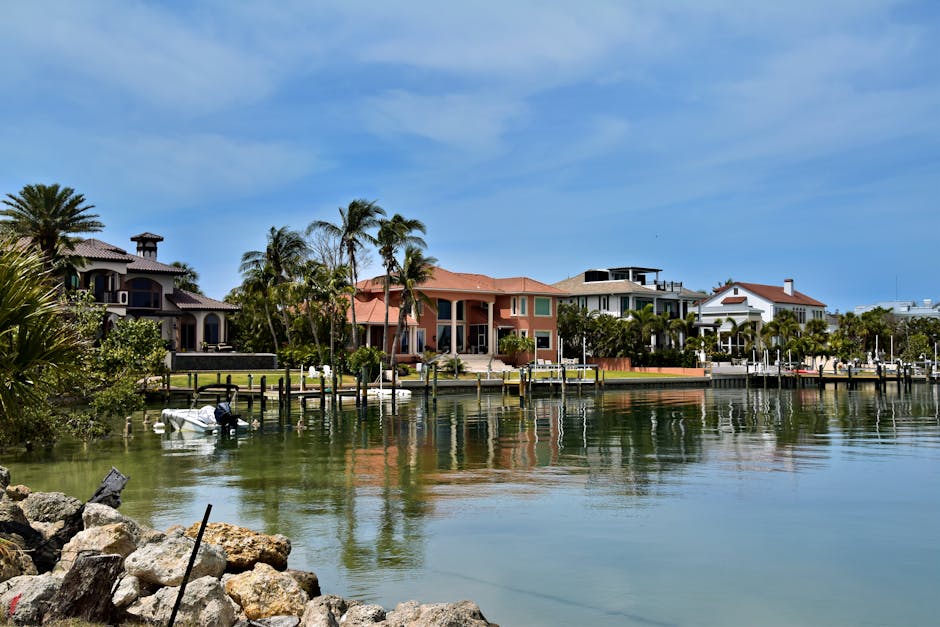
The Emergence of Tampa as a Primary Luxury Market
Tampa has undergone a fundamental shift in its real estate identity, transitioning from a seasonal interest to a permanent primary residence destination for high-net-worth individuals. This evolution is driven by a combination of corporate relocations, significant infrastructure investment, and a growing recognition of the region’s long-term value proposition. Unlike previous cycles, the current demand is anchored by buyers seeking long-term stability and high-specification amenities that rival major global metropolises.
According to recent analysis, Tampa Bay’s waterfront has emerged as a primary luxury market, moving beyond its historical categorization as a secondary or vacation destination. This shift is reflected in the quality of new inventory and the duration of ownership, as executives and entrepreneurs increasingly choose Tampa as their global headquarters and permanent home base. The market is currently characterized by a disciplined approach to acquisitions, where buyers prioritize structural integrity and architectural significance over fleeting aesthetic trends.
Currently, the market holds approximately 120 active luxury listings, with a median list price of $2,490,000 and an average list price exceeding $3,165,000. These figures indicate a healthy, stable inventory level that allows for selective negotiation while maintaining upward pressure on quality. For the sophisticated buyer, this environment necessitates a nuanced understanding of neighborhood-level micro-trends, particularly in areas like Davis Islands, Hyde Park, and the burgeoning Heights district.

Valuation Disparities and Record-Breaking Aspirations
The pricing landscape in Tampa is seeing an unprecedented expansion of its upper ceiling. While the historical record for a residential sale stands at $22.5 million, the entry of ultra-high-end estates onto the market is challenging these benchmarks. High-profile listings are now testing the eight and nine-figure marks, signaling a new era of confidence in the region’s luxury potential. For instance, one massive estate recently entered the market asking $115 million, a figure that dwarfs previous records and suggests a growing appetite for trophy assets in Florida’s Gulf Coast.
These outliers, however, must be contextualized within the broader market averages. While trophy properties grab headlines, the bulk of executive acquisitions occur in the $2.5 million to $7 million range. Properties like the residential offering at 6304 N Florida Avenue, listed at $2,200,000, or the mixed-use potential near Dr Martin Luther King Jr Boulevard, priced at $2,900,000, represent the diverse opportunities available to those who understand the value of location and land utility. Buyers are increasingly looking at land-heavy acquisitions or substantial renovations in established corridors to secure long-term appreciation.
Analytical buyers should distinguish between speculative pricing and market-supported value. The current average list price reflects a premium for move-in ready, high-performance homes. New construction in South Tampa and the coastal stretches of Shore Acres or Snell Isle continues to command top-tier pricing, though buyers are showing a renewed focus on the cost-per-square-foot of finished spaces versus traditional land value. This scrutiny ensures that the market remains grounded even as its upper limits are redefined.
The Evolution of Vertical Luxury and Condo Dynamics
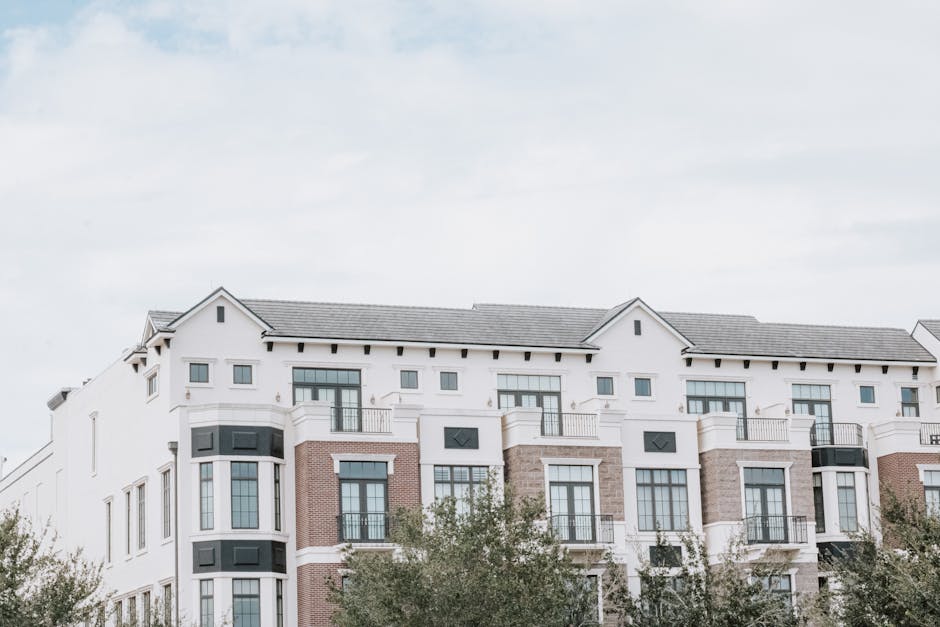
Tampa’s skyline is no longer just a backdrop; it is becoming a central component of the luxury living experience. The rise of high-rise developments has introduced a level of service and convenience previously unavailable in the region. However, industry experts note that Tampa remains an early-stage luxury condo market compared to more mature environments like Miami or Naples. This presents a unique window for investors and residents to secure positions in projects that will define the city’s core for decades.
The preference for vertical living is largely driven by a desire for a low-maintenance, secure environment without sacrificing the amenities of a large estate. Modern developments are incorporating wellness centers, private culinary services, and advanced security protocols. For the primary resident, the decision between a South Tampa single-family home and a downtown penthouse often comes down to the frequency of travel and the need for walkability. The integration of luxury residential components into mixed-use districts like Water Street has set a new standard for urban density and refined living.
Despite the growth in the condo sector, buyers must exercise due diligence regarding HOA structures and long-term management stability. The transition from developer control to resident associations is a critical phase in any new luxury building. Those looking at the vertical market should prioritize projects with strong financial backing and a clear commitment to architectural longevity. As the market matures, the differentiation between ‘lifestyle’ condos and ‘investment’ condos will become increasingly apparent in resale values.
Critical Due Diligence for High-Value Acquisitions
Navigating a multi-million dollar real estate transaction requires a level of scrutiny that goes beyond standard inspections. In the current Tampa environment, where climate resilience and insurance considerations are paramount, buyers must be proactive in their assessment of risk and utility. The following checklist outlines the essential areas of focus for any significant acquisition in the region:
- Elevation and Drainage: Verify the finished floor elevation relative to established flood maps and assess the efficiency of on-site drainage systems.
- Insurance Feasibility: Secure preliminary quotes for both property and flood insurance early in the due diligence period to understand total carrying costs.
- Structural Integrity: Conduct specialized inspections for moisture intrusion, particularly in waterfront properties, and evaluate the age of critical systems like HVAC and roofing.
- Zoning and Land Use: For properties with commercial or land components, confirm that intended uses align with current municipal regulations and future development plans.
- Smart Home Infrastructure: Evaluate the scalability of existing integrated technologies, ensuring that the property can support modern security and automation standards.
- Comparable Sales History: Analyze the last 24 months of localized sales data, filtering for similar finishes and lot sizes to justify the acquisition price.
By adhering to these rigorous standards, buyers can mitigate the risks associated with high-value investments. The goal is to ensure that the asset not only provides a superior living experience but also serves as a robust component of a broader financial portfolio. Professional advisors often recommend engaging third-party consultants for environmental and structural assessments to provide an unbiased view of the property’s condition and future requirements.
The Executive Migration to St. Petersburg and the Cross-Bay Effect
The luxury market is not confined to the Tampa side of the bay. There is a notable trend of corporate leaders and business owners looking toward the St. Petersburg peninsula for its unique blend of cultural vibrancy and residential privacy. There are several reasons why executives keep choosing St. Pete as their preferred base, including the proximity to private aviation hubs and a more concentrated luxury downtown core. This cross-bay synergy has created a unified ‘super-market’ where high-end inventory moves fluidly between the two cities.
St. Petersburg’s luxury offerings often focus on historical charm paired with modern updates, particularly in neighborhoods like Old Northeast and Snell Isle. These areas provide a distinct contrast to the more contemporary developments found in South Tampa. For buyers, the choice often depends on where their professional life is centered. However, as remote work and flexible executive schedules become the norm, the distinction between living in Tampa or St. Petersburg is becoming less about the commute and more about the specific community culture one prefers.
Furthermore, the development of the Gateway area and the continuous improvements to the Gandy and Howard Frankland bridges have made the two cities more accessible than ever. This connectivity allows residents to enjoy the major league sports and corporate infrastructure of Tampa while maintaining a home in the arts-focused environment of St. Petersburg. For the luxury investor, maintaining a presence in both markets, or choosing a primary residence that leverages the strengths of the entire region, is an increasingly popular strategy.
Market Liquidity and Seasonal Influence in 2026
Understanding the timing of the market is as critical as understanding the inventory itself. As we move through May 2026, the region is experiencing typical seasonal patterns characterized by high temperatures and a steady flow of local events that maintain high levels of engagement. For instance, events like the annual Riverfest and various downtown gatherings keep the city’s core active, providing a firsthand look at the community’s energy for prospective residents. These periods of high activity are often when serious buyers move from observation to acquisition.
The weather in early May, with temperatures frequently reaching the low 90s Fahrenheit, serves as a practical test for a property’s climate control systems and outdoor living spaces. A luxury home in Tampa must be designed to handle this environment efficiently, emphasizing the importance of shaded lanais, high-efficiency glass, and robust landscaping. Buyers should observe how properties perform during these warmer months, as it provides an honest assessment of the home’s livability during the peak of the Florida summer.
Market liquidity remains consistent throughout the year for high-end properties, though the winter months typically see a higher influx of out-of-state interest. In the spring and early summer, the market is often dominated by local move-up buyers and executives who have completed their relocation planning. Keeping an eye on broader economic indicators, such as those tracked by Florida Trend’s real estate reports, allows buyers to time their entries into the market with greater precision, taking advantage of shifts in interest rates or regional development cycles.
Final Considerations for the Discerning Buyer
Successfully navigating the Tampa luxury market requires a departure from traditional real estate thinking. It is no longer enough to simply look at list prices and square footage; one must understand the underlying economic drivers and neighborhood-level shifts that dictate long-term value. Whether you are evaluating a waterfront estate on Davis Islands or a high-specification condo in Water Street, the focus must remain on quality, resilience, and the specific utility the property provides to your lifestyle. The 120 properties currently available represent a diverse range of possibilities, but only a fraction will meet the rigorous standards of a truly elite acquisition.
The role of a private advisor in this process is to provide the data-backed insights and local context that automated reports cannot capture. From understanding the implications of a $115 million asking price on local appraisals to identifying the subtle signs of a neighborhood’s upward trajectory, professional guidance is indispensable. As the region continues to mature and attract global attention, the opportunities for strategic acquisitions remain significant for those who are prepared to act with confidence and precision. We invite you to explore our curated portfolio of luxury homes for sale or contact an advisor to discuss your specific requirements and begin your next acquisition in the Tampa market.
Your next move in Tampa luxury
Get current inventory, pricing guidance, and private-tour support from our brokerage team.
Source highlights
- Column: Why executives keep choosing St. Pete – The Business Journals
- Tampa’s Price Record Is $22.5 Million. This Huge Estate Is Asking $115 Million. – WSJ
- Tampa Bay’s most expensive luxury home sales of 2025 – Tampa Bay Times
- Why Tampa remains an early-stage luxury condo market – Tampa Bay Business & Wealth
- Florida Trend Real Estate – Florida Trend
- Tampa Bay’s Waterfront Emerges as a Primary Luxury Real Estate Market – The National Law Review
- Things To Do In Tampa This Weekend: Best Festivals & Events Going On – That's So Tampa
- Things To Do In St Pete This Weekend: Best Festivals & Events Going On In St Petersburg – I Love the Burg
