


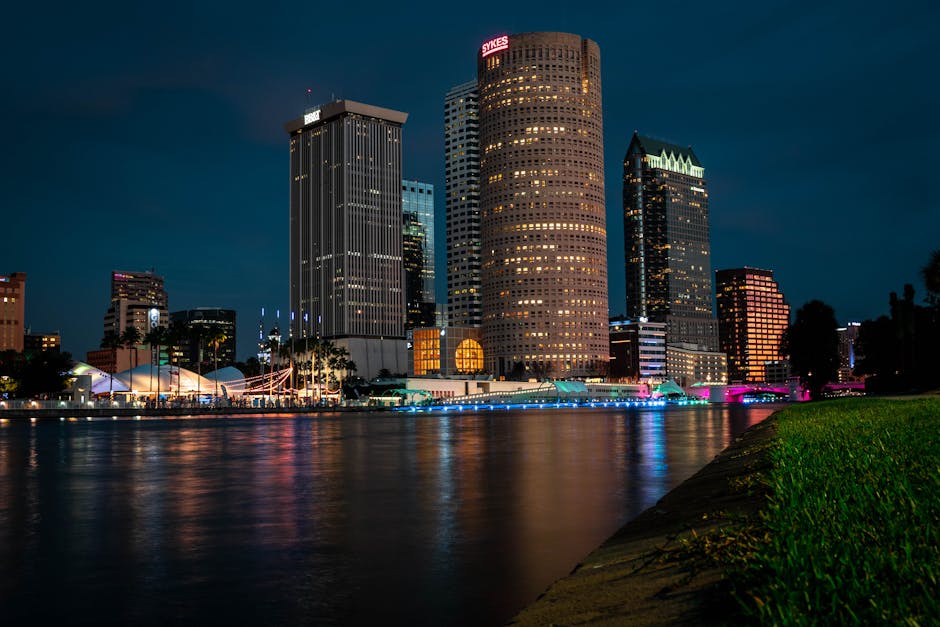
The Emergence of a Primary Luxury Waterfront Market
Tampa Bay has officially transitioned from an emerging destination for secondary residences into a robust primary market for high-net-worth individuals. This shift is characterized by a significant increase in the volume of permanent relocations, particularly among executives and business owners who are choosing the region for its infrastructure and business-friendly environment. According to recent analysis by The National Law Review, the waterfront has emerged as a primary sector where long-term residency is the standard rather than the exception.
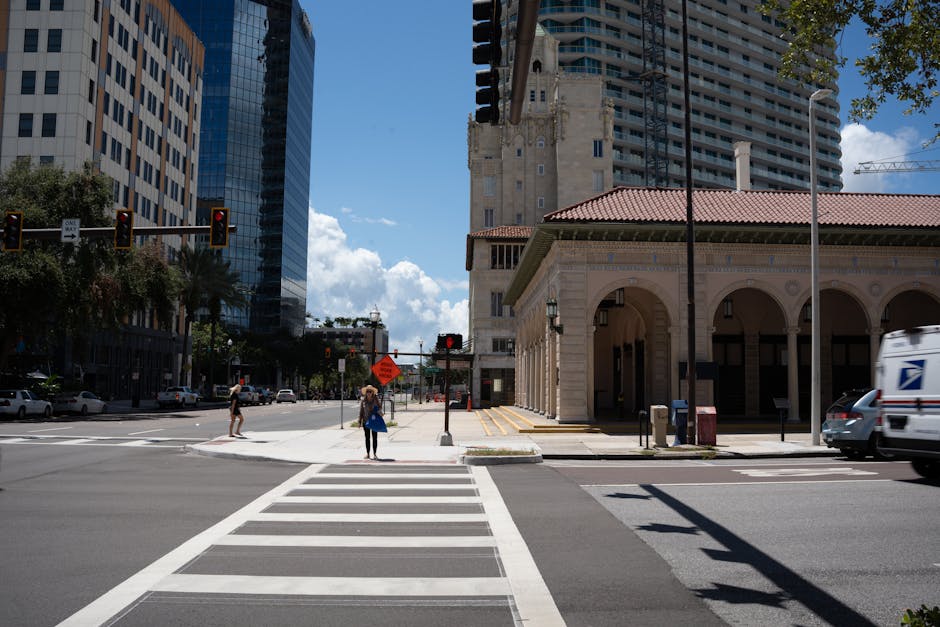
For buyers, this means the competitive landscape has changed. Acquisitions are no longer purely driven by seasonal utility but are focused on long-term capital preservation and lifestyle integration. The market maturity is evident in the types of properties currently trading. While high-rise living continues to expand in areas like Water Street, the demand for substantial single-family estates on Davis Islands and in Hyde Park remains the primary driver for record-setting valuations. Buyers are prioritizing functional floor plans that accommodate professional-grade home offices and expansive outdoor living spaces designed for year-round use.
The pricing floor for true luxury assets has stabilized at a new baseline. Current inventory reflects this reality, with a median list price currently hovering around $2,490,000 for the luxury segment. This level of price support is bolstered by the entry of ultra-high-end listings that were previously unseen in the region. For instance, while the historical price record for the area stands at $22.5 million, a new estate recently entered the market with an asking price of $115 million, as reported by the Wall Street Journal. This massive delta between historical records and current aspirations indicates a market that is testing its upper limits with confidence.
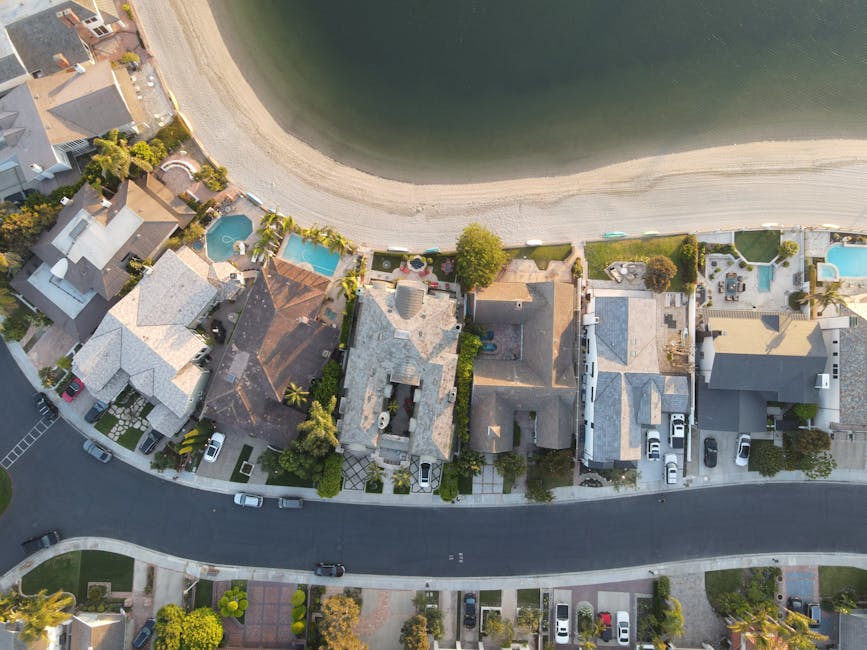
Inventory Dynamics and the Scarcity of Substantial Estates
As of May 2026, the active luxury inventory in Tampa stands at approximately 120 properties. This relatively lean inventory creates a high-stakes environment for buyers seeking specific architectural styles or waterfront orientations. The average list price of $3,165,369 reflects a portfolio of properties that range from modernized historic homes to new-construction coastal contemporary builds. Scarcity is particularly acute in the $5 million to $10 million range, where demand from domestic relocators often outpaces the arrival of new listings.
Buyers should look closely at property types beyond traditional residential homes. Land availability in premium corridors is diminishing, leading to an increase in teardown-and-rebuild projects in established neighborhoods. Commercial-to-residential conversions and the acquisition of adjacent lots are becoming common strategies for those looking to build generational compounds. Examples of diverse inventory currently available include the $2,200,000 listing at 6304 N Florida Avenue and the $1,550,000 property at 5010 N Grady Avenue, each offering distinct value propositions within their respective sub-markets.
The development of the condo sector is also entering a new phase. While earlier cycles focused on entry-level luxury, the current market is catering to a more sophisticated demographic. Insights from Tampa Bay Business & Wealth highlight that the region remains an early-stage market for ultra-luxury condos, meaning there is still significant room for growth compared to South Florida counterparts. This represents a strategic entry point for buyers who recognize the long-term appreciation potential of the urban core.
Executive Migration and the St. Pete Influence
A notable trend in 2026 is the consistent migration of C-suite executives to St. Petersburg and its surrounding luxury enclaves. This movement is not just about residential preferences but is closely tied to the evolving business landscape of the region. As noted by The Business Journals, the allure of St. Pete for corporate leaders lies in its walkability, cultural density, and the maturity of its own luxury residential offerings in neighborhoods like Old Northeast and Snell Isle.
This cross-bay synergy has strengthened the overall market. Buyers often compare the historic charm of Hyde Park in Tampa with the waterfront sophistication of St. Petersburg. The decision often hinges on proximity to specific private schools, yacht clubs, or the regional headquarters of the state’s growing tech and finance sectors. The luxury condo market in downtown St. Pete has also seen substantial gains, with high-end units offering expansive views of Tampa Bay that rival any coastal market in the country.
Market participants should also monitor regional development trends through sources like Florida Trend. The integration of high-end retail, Michelin-recognized dining, and professional services within luxury developments has created a self-sustaining ecosystem. This maturity ensures that property values are supported by fundamental utility rather than speculative interest. The movement of capital between the two cities is fluid, and a sophisticated advisor will often present options on both sides of the bay to ensure a comprehensive view of the available inventory.
Strategic Due Diligence for Luxury Acquisitions
Purchasing at the multi-million dollar level in the current market requires a more nuanced approach than in previous years. The focus has shifted toward transparency and technical verification. Buyers are increasingly sophisticated, often employing third-party consultants to evaluate everything from seawall integrity on waterfront lots to the long-term implications of local zoning changes. The following checklist outlines the essential steps for a modern luxury acquisition in the region:
- Conduct a comprehensive elevation and drainage assessment, especially for properties in coastal South Tampa or near the Hillsborough River.
- Verify the status of any historic designations or architectural restrictive covenants that may impact future renovations or expansions.
- Audit the property’s energy efficiency and smart-home integration, as these are becoming standard expectations for resale value.
- Review recent sales data specifically from 2025 to understand the ceiling for neighborhood-specific valuations.
- Evaluate the impact of nearby commercial developments, such as the Westshore expansion or Water Street Phase II.
- Assess the proximity to upcoming regional events and festivals that may impact seasonal accessibility and traffic patterns.
The importance of understanding local logistics cannot be overstated. For example, during high-activity periods in the city, such as the event-heavy weekends frequently seen in May, traffic patterns can shift significantly. Local advisories from the City of Tampa often highlight how major festivals and concerts can affect access to premium neighborhoods. A buyer advisor who understands these operational details provides a level of service that goes beyond the transaction itself.
Neighborhood-Level Implications and Market Movement
While the overall market is strong, individual neighborhoods are moving at different speeds. South Tampa continues to be the anchor for the region, with Hyde Park and Bayshore Boulevard commanding a significant premium. The proximity to high-end social clubs and the walkable nature of the SoHo district maintain the area’s status as a top choice for affluent families. However, we are seeing a broadening of interest into areas that offer more land and privacy, such as the luxury estates in North Tampa and suburban enclaves where large-acreage parcels are still available.
In the urban core, the success of Water Street has redefined expectations for luxury condo living. The integration of wellness-focused architecture and sustainable design has set a new benchmark for the state. This has also spurred interest in the Channel District and downtown waterfront areas, where newer developments are catering to a younger demographic of wealth. Conversely, the established luxury of Davis Islands remains the gold standard for those seeking privacy and deep-water access for large vessels, with inventory turnover remaining remarkably low.
As we move through the second quarter of 2026, the weather—typically reaching highs of 32 degrees Celsius (90 degrees Fahrenheit)—continues to drive activity in the waterfront and pool-oriented sectors. Buyers are motivated to finalize acquisitions before the height of the summer season. The market is currently characterized by a flight to quality; properties that are truly turnkey or offer unique architectural significance are selling quickly, often with multiple back-up offers in place even at the $3 million+ price point.
Conclusion: Decision-Useful Guidance for the Sophisticated Buyer
Navigating the Tampa luxury market in 2026 requires a departure from traditional real estate thinking. The region is no longer a value play compared to other Florida cities; it is a destination of choice that stands on its own merits. When evaluating a potential acquisition, focus on the fundamental pillars of luxury: location, scarcity, and build quality. Avoid being distracted by temporary market fluctuations and instead look at the multi-year trajectory of the neighborhood. The emergence of Tampa as a primary luxury market is a long-term trend supported by demographic shifts and capital investment that show no signs of reversing.
The current selection of luxury homes for sale offers a unique window into this evolution. Whether you are looking for a historic estate in Hyde Park or a modern architectural masterpiece on the water, the opportunities are diverse but requires swift action. To discuss a specific property or to receive a tailored analysis of a particular sub-market, we invite you to contact an advisor. Our team provides the analytical depth and local perspective necessary to navigate high-stakes transactions with precision and confidence.
Your next move in Tampa luxury
Get current inventory, pricing guidance, and private-tour support from our brokerage team.
Source highlights
- Column: Why executives keep choosing St. Pete – The Business Journals
- Tampa’s Price Record Is $22.5 Million. This Huge Estate Is Asking $115 Million. – WSJ
- Tampa Bay’s most expensive luxury home sales of 2025 – Tampa Bay Times
- Why Tampa remains an early-stage luxury condo market – Tampa Bay Business & Wealth
- Florida Trend Real Estate – Florida Trend
- Tampa Bay’s Waterfront Emerges as a Primary Luxury Real Estate Market – The National Law Review
- Things To Do In Tampa This Weekend: Best Festivals & Events Going On – That's So Tampa
- Things To Do In St Pete This Weekend: Best Festivals & Events Going On In St Petersburg – I Love the Burg
