



The Maturation of Tampa’s High-Net-Worth Market
The evolution of Tampa’s high-end property sector over the past several years represents a fundamental shift in regional asset valuation. Historically viewed as an alternative to more established coastal markets, Tampa has firmly transitioned into a primary destination for institutional capital and affluent private buyers. This maturation is largely driven by a sustained influx of corporate leadership; recent patterns of executive relocation underscore a strategic preference for the Gulf Coast’s business climate and spatial advantages. For buyers entering this arena, understanding this macro-economic context is the foundation of a sound acquisition strategy.

The current pricing architecture reveals a median list price of $2,490,000, with average figures extending upward to $3,168,660. This spread highlights a bifurcated market: a robust inventory of premium residential homes trading in the mid-two-million range, balanced by an upper echelon of ultra-luxury estates pushing average prices significantly higher. Discerning buyers must recognize that these metrics are merely a baseline. True valuation requires a granular analysis of lot positioning, architectural provenance, and long-term land appreciation potential rather than superficial aesthetic improvements.
Furthermore, the distinction between single-family residential assets, commercial investments, and raw land acquisition is becoming increasingly pronounced within the city limits. Navigating these categories demands an advisory approach that prioritizes structural integrity and zoning adaptability over immediate visual appeal. As capital continues to flow into the region, the most successful acquisitions are executed by those who bypass emotional purchasing in favor of rigorous, data-backed asset evaluation.
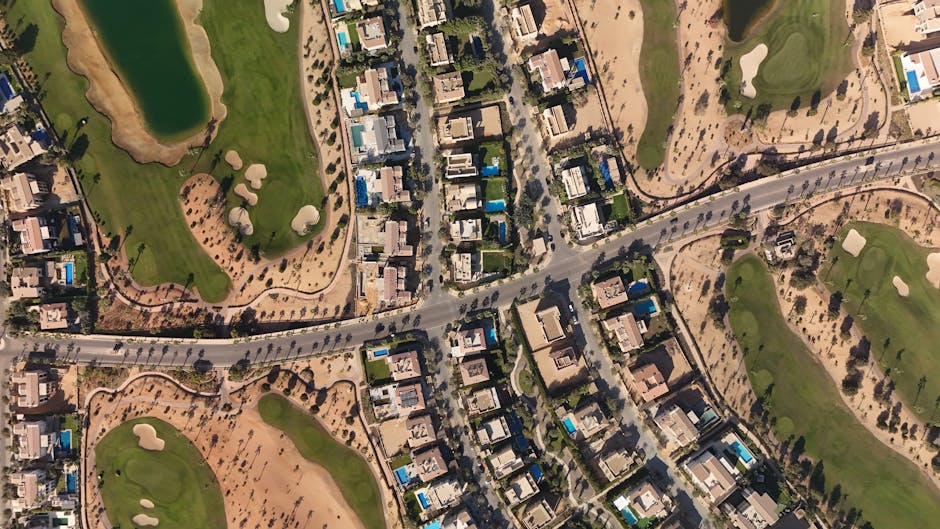
Assessing Neighborhood Nuances and Local Geography
Tampa’s most sought-after enclaves, from the historic avenues of Hyde Park to the fortified perimeters of Culbreath Isles, present wildly varying risk and reward profiles. A buyer evaluating a $2.65 million modern build on Troutwater Lane is navigating a fundamentally different micro-market than one analyzing a similarly priced historic renovation along Florida Avenue or near Dr. Martin Luther King Jr Boulevard. The valuation of these assets hinges heavily on neighborhood-specific dynamics, including municipal development plans, historical preservation restrictions, and proximity to core business districts.
The geographical composition of Tampa dictates that waterfront and water-adjacent properties command the highest premiums, with waterfront properties emerging as the primary focus for wealth preservation. However, not all waterfront is created equal. Open-bay frontage offering deep-water moorage represents a scarce and highly guarded asset class, whereas inland canal properties require careful scrutiny of tidal patterns, seawall maintenance history, and navigational clearances. Buyers must actively weigh the lifestyle dividend of a marine-accessible estate against the inherent carrying costs and environmental exposure.
Inland, the focus shifts to lot size, tree canopy preservation, and architectural pedigree. Historic districts offer irreplaceable charm and established community infrastructure but demand extensive due diligence regarding structural modernization. Conversely, emerging luxury corridors offer newer construction and advanced integrated technologies but may lack the established valuation floor provided by century-old neighborhoods. The decision matrix must continually balance the desire for modern convenience against the enduring value of historic land scarcity.
The High-End Condominium Sector and Vertical Living
While sprawling single-family estates historically dominated Tampa’s premium market, the skyline is rapidly transforming to accommodate a new preference for highly amenitized, maintenance-free vertical living. Industry analysts often note the early-stage luxury condo market dynamics currently at play, suggesting significant upside for early entrants into newly completed or soon-to-be-delivered towers. These assets cater directly to executives seeking localized pieds-à-terre and affluent downsizers prioritizing security and turnkey convenience.
Evaluating vertical assets requires shifting the analytical focus from land value to developer pedigree, association fiscal health, and the precise orientation of the unit. A western-facing penthouse offering unobstructed sunset views over the Gulf commands a disproportionate premium over lower-floor or eastern-facing alternatives. Furthermore, prospective buyers must conduct a thorough audit of the building’s reserve funds, impending special assessments, and the specific ratios of owner-occupied units versus investment properties, as these factors directly dictate long-term asset stability.
The integration of concierge services, private elevators, and exclusive wellness facilities are now baseline expectations rather than distinct selling propositions. The true differentiators in this space are the intangibles: acoustic isolation between units, the quality of integrated air and water filtration systems, and the structural resilience of the tower itself. As this market segment matures, discerning the difference between superficial luxury finishes and foundational construction quality will define successful high-density acquisitions.
Due Diligence Protocol for Premium Assets
Acquiring a high-net-worth property in a coastal, subtropical environment demands an exhaustive, multi-layered approach to due diligence. Standard inspections are insufficient for properties of this caliber; buyers must engage specialized structural engineers, marine contractors, and technology auditors. A property’s aesthetic appeal must never overshadow its functional and structural reality, particularly in regions subject to intense summer weather patterns and high humidity.
Before finalizing negotiations on any premium asset, our advisory team mandates a comprehensive review of the following critical operational components to ensure long-term viability:
- Verification of riparian rights, precise boundary surveys, and comprehensive structural audits of existing seawalls or docks.
- Analysis of current elevation certificates measured against recently updated municipal flood zone mapping to assess long-term insurability.
- Deep-level inspection of all HVAC and mechanical systems, specifically evaluating their capacity to handle prolonged periods of high heat and humidity.
- A comprehensive audit of the property’s technological infrastructure, focusing on low-voltage wiring, smart-home adaptability, and robust security integration.
- Thorough review of historical preservation restrictions, HOA covenants, and municipal zoning laws that may impede future structural expansions or modifications.
- Assessment of commercial noise intrusion, particularly for estates situated near expanding high-traffic urban corridors.
Executing this checklist ensures that the acquisition is fundamentally sound. Properties that fail to meet these stringent criteria either require aggressive price recalibration or should be abandoned entirely. The objective is asset protection; a meticulously maintained property with verifiable structural integrity will invariably outperform a superficially updated home harboring deferred maintenance issues.
Infrastructure, Accessibility, and Civic Impact
Tampa’s rapid expansion has significantly altered traffic patterns and neighborhood accessibility, making logistical due diligence as critical as structural inspection. A property’s proximity to core economic centers, private aviation hubs, and premium educational institutions profoundly influences its inherent value and daily livability. Buyers must look beyond the immediate property boundaries to understand the macro-flow of the city, evaluating ingress and egress routes during peak transit hours.
Furthermore, the city’s robust calendar of civic gatherings directly impacts neighborhood tranquility and accessibility. For example, the downtown core and the Riverwalk frequently host large-scale public gatherings; civic events like Riverfest draw immense crowds, temporarily altering traffic dynamics in adjacent luxury enclaves like Davis Islands and Harbour Island. While proximity to this cultural infrastructure is highly desirable, buyers must strategically evaluate the potential friction it introduces into daily routines.
Environmental realities also play a continuous role in property management and lifestyle. With temperatures routinely reaching into the high eighties and nineties, accompanied by predictable subtropical moisture, the operational efficiency of a home’s climate control and the design of its shaded exterior living spaces are paramount. Evaluating how a property interacts with its immediate environment—from solar heat gain on western exposures to the prevailing breeze off the bay—is an essential component of the selection process.
Structuring Your Acquisition Strategy
Navigating a market with a $3.16 million average price point requires a highly disciplined, analytical approach to negotiation and contract structuring. Off-market transactions and private listings constitute a significant portion of upper-tier activity, meaning public MLS data only provides a partial view of available inventory. Securing the most desirable assets often requires leveraging established local networks and prioritizing direct, private outreach over passive searching.
When initiating an offer, the capitalization structure and flexibility of terms often weigh as heavily as the top-line number. Sellers of premium assets prioritize execution certainty and discretion. Structuring an offer with substantial escrow deposits, waiving financing contingencies where appropriate, and offering flexible post-occupancy agreements can frequently secure an asset against competing bids. The goal is to present a clean, highly professional acquisition proposal that mitigates seller risk while preserving the buyer’s right to rigorous due diligence.
Ultimately, successful acquisition in the Tampa premium market is a function of patience, preparation, and expert localized representation. With a narrow pool of roughly 120 active listings, identifying the correct property requires decisively filtering out noise and focusing exclusively on assets that align with long-term wealth preservation and lifestyle requirements.
Strategic Next Steps for Discerning Buyers
Executing a successful acquisition in Tampa’s premium real estate sector requires moving beyond superficial metrics to evaluate the structural, geographical, and economic fundamentals of each asset. Whether analyzing a historic renovation or a modern waterfront compound, rigorous due diligence and localized market intelligence are your strongest levers in securing enduring value.
We invite you to explore the current inventory and review our curated portfolio of premium Tampa listings to begin identifying properties that align with your strategic criteria. To initiate a confidential consultation and develop a tailored acquisition framework, please reach out directly through our advisory contact portal.
Your next move in Tampa luxury
Get current inventory, pricing guidance, and private-tour support from our brokerage team.
Source highlights
- Column: Why executives keep choosing St. Pete – The Business Journals
- Tampa’s Price Record Is $22.5 Million. This Huge Estate Is Asking $115 Million. – WSJ
- Tampa Bay’s most expensive luxury home sales of 2025 – Tampa Bay Times
- Why Tampa remains an early-stage luxury condo market – Tampa Bay Business & Wealth
- Florida Trend Real Estate – Florida Trend
- Tampa Bay’s Waterfront Emerges as a Primary Luxury Real Estate Market – The National Law Review
- Things to do with kids this weekend in Tampa, FL – That's So Tampa
- Tampa weekend events: Concerts, festivals and downtown family fun — What to know before you go – FOX 13 Tampa Bay
