


The Evolution of Tampa as a Primary Luxury Destination
The Tampa Bay luxury market has undergone a fundamental structural shift. Historically viewed as a secondary or seasonal destination, the region has transitioned into a primary residence hub for high-net-worth individuals. This change is driven by a combination of corporate migration and the development of high-end infrastructure that supports a full-time professional population. Data from The National Law Review confirms that Tampa’s waterfront has emerged as a primary luxury real estate market, reflecting a long-term commitment from buyers who are prioritizing homestead stability over speculative investment.
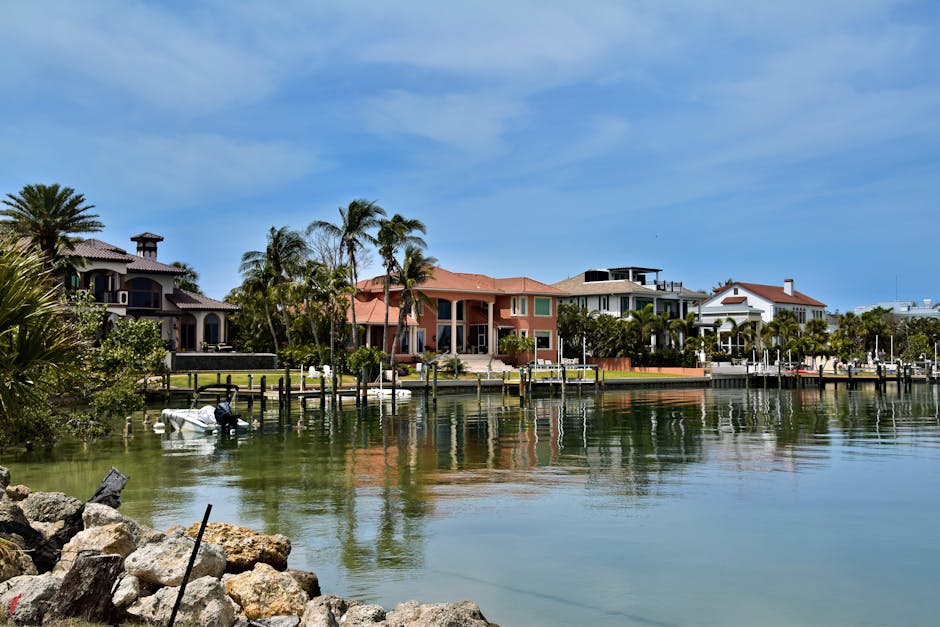
For the sophisticated buyer, this means the criteria for property selection have become more analytical. Decisions are no longer based solely on view or proximity to leisure; instead, they are influenced by local governance, school district performance in areas like South Tampa, and the long-term resilience of the property’s site. The current market velocity suggests that well-positioned assets are held for longer durations, reducing the frequency of high-end turnover and creating a more stable, albeit tighter, inventory environment. Buyers are increasingly looking for properties that function as comprehensive compounds, offering both privacy and proximity to the growing commercial centers.
This maturity is also evident in the pricing structures we observe today. With a median list price currently holding at $2,490,000 across the luxury segment, the floor for entry has risen significantly. This is not a result of localized inflation but rather a reflection of the upgraded quality of construction and the increasing scarcity of developable land along the Hillsborough Bay and the Gulf Coast. Advisors now emphasize the importance of identifying value in the underlying land and the architectural integrity of the structure rather than superficial aesthetic upgrades.
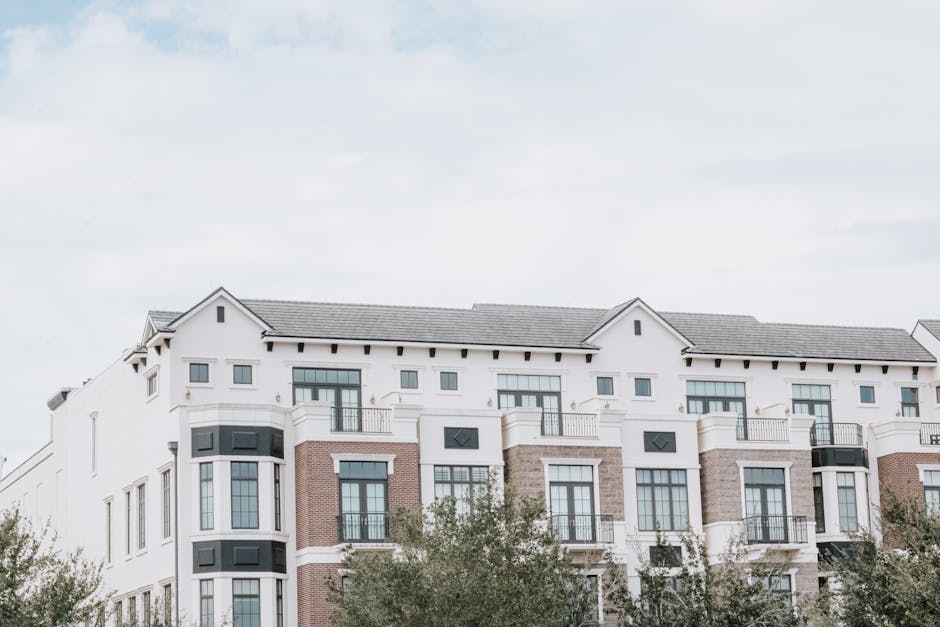
Ultimately, the Tampa luxury sector is benefiting from a flight to quality. As more individuals seek out Florida’s favorable tax environment and high quality of life, the competition for trophy assets has intensified. This requires a proactive approach to acquisition, often involving off-market networking and a deep understanding of neighborhood-specific dynamics that generic market reports fail to capture. Navigating this landscape requires a focus on data-backed insights rather than emotional appeal.
Executive Migration and the St. Petersburg Connection
The synergy between Tampa and St. Petersburg has created a unique regional dynamic that appeals specifically to C-suite executives and business owners. While Tampa remains the traditional financial and commercial anchor, St. Petersburg has become an increasingly popular choice for executives looking for a specific blend of modern urbanism and coastal proximity. According to The Business Journals, the reasons executives continue to choose St. Pete include a concentrated business district that allows for a more integrated professional and personal life. This migration has a direct impact on real estate values in neighborhoods like Snell Isle and Old Northeast.
In Tampa, the movement is mirrored by the expansion of the Water Street district and the ongoing redevelopment of the Westshore area. These hubs act as magnets for high-level professionals who require proximity to international transport links, such as Tampa International Airport, while maintaining a high standard of living. The buyer profile in 2026 is younger, more tech-centric, and highly focused on the efficiency of their home office infrastructure. This has led to a surge in demand for properties that offer dedicated, sound-dampened workspaces and high-speed fiber connectivity as standard features.
The interconnectedness of the two cities means that luxury buyers often evaluate both sides of the bay before making a commitment. While South Tampa offers the prestige of legacy neighborhoods like Palma Ceia and Hyde Park, St. Petersburg provides a different aesthetic with its high-rise developments and historic bungalows. Understanding the nuances of commute times, bridge traffic, and local amenities is essential for any advisor guiding an executive through this relocation process. The choice often comes down to the specific lifestyle requirements of the household, such as proximity to private yacht clubs or specific sports facilities.
Furthermore, the business-friendly climate of the Tampa Bay area continues to attract out-of-state firms, further fueling the demand for premium housing. As companies relocate their headquarters or regional offices to Florida, the influx of high-income earners provides a consistent floor for property values. This corporate backing provides a level of market security that is less common in purely tourism-driven regions of the state. It reinforces the narrative of Tampa as a resilient, growth-oriented market that rewards long-term ownership.
Analyzing the Current Luxury Inventory Snapshot
As of mid-2026, the luxury inventory in Tampa remains relatively constrained, with only 120 active listings in the high-end bracket. This limited supply, combined with an average list price of $3,168,660, underscores the competitive nature of the current environment. High-quality inventory in premium areas such as Davis Islands and Beach Park is particularly scarce, often selling before reaching the public market. For buyers, this necessitates a more aggressive and informed strategy to secure desirable properties.
The top end of the market continues to set new benchmarks for value. For instance, the recent listing of a massive estate seeking $115 million, as reported by The Wall Street Journal, illustrates the increasing appetite for trophy assets that offer an extreme level of privacy and custom amenities. While such properties are outliers, they signal a broader trend: the upper limit of what buyers are willing to pay for exceptional Tampa real estate is expanding rapidly. This shift influences the valuation of all luxury homes, as appraisers look to these high-water marks to justify pricing in the $5 million to $15 million range.
Property types are also diversifying. While single-family residential remains the dominant choice for those seeking privacy and space, there is a growing interest in luxury land acquisitions for custom builds. Investors and end-users alike are recognizing that the remaining undeveloped parcels in prime locations are finite. Commercial sales within the luxury context—such as mixed-use developments that include high-end residential components—are also on the rise, reflecting a more sophisticated approach to wealth management and real estate portfolio diversification.
Buyers should also be aware of the impact of interest rate stability and its role in luxury transactions. Even at the high end, where cash offers are common, the broader economic climate influences the decision-making process of sophisticated investors. Many are choosing to leverage their acquisitions to maintain liquidity for other ventures, making the advice of a financially literate real estate partner invaluable. Monitoring the median list price trends across specific neighborhoods allows buyers to identify where value is being retained and where there may be opportunities for negotiation.
A Strategic Checklist for Luxury Acquisitions
When evaluating a multi-million dollar property in the Tampa market, the focus must extend beyond aesthetics to the technical and structural fundamentals of the asset. The following checklist outlines the essential factors that primary buyers should verify before proceeding with an offer:
- Seawall and Dockage Integrity: For waterfront properties, a professional inspection of the seawall and any existing maritime infrastructure is mandatory to avoid significant future liabilities.
- Elevation and Flood Mitigation: Verify the base flood elevation and ensure the property incorporates modern drainage and waterproofing systems that exceed local building codes.
- Local Governance and Zoning: Investigate any pending zoning changes or municipal projects in the surrounding neighborhood that could impact future privacy or property values.
- Architectural Provenance: Confirm the original builder and architect, as certain names in the Tampa area carry a premium for quality and long-term structural reliability.
- High-Performance Infrastructure: Assess the home’s technological backbone, including smart home integration, backup power systems, and energy-efficient climate control.
- Security and Privacy Buffers: Evaluate the property’s physical security measures and the natural or man-made buffers that protect against sightlines from neighboring parcels.
By adhering to this rigorous vetting process, buyers can mitigate risk and ensure their investment is sound. In a market where high-quality inventory is limited, the temptation to overlook minor technical flaws can be strong, but at the luxury level, these issues can escalate into substantial costs. A senior advisor will prioritize these technical aspects, ensuring that the property’s value is supported by more than just its visual appeal.
Furthermore, the checklist serves as a tool for comparing disparate properties. For example, a modern condo in the Westshore district will have vastly different maintenance and oversight requirements than a historic estate in Hyde Park. Understanding these differences allows the buyer to align their acquisition with their actual lifestyle and management capacity. It moves the conversation from what the home looks like to how the home performs as an asset.
The Emergence of the Luxury Condo Market
One of the most significant developments in the 2026 landscape is the maturation of the luxury condominium sector. Traditionally a market dominated by single-family homes, Tampa is now seeing a robust demand for vertical living that offers high-end amenities and a lower maintenance profile. According to Tampa Bay Business & Wealth, Tampa remains an early-stage luxury condo market, which presents a unique opportunity for early-adopter buyers. These developments are often located in the most walkable areas of the city, providing immediate access to fine dining and cultural venues.
This shift is particularly appealing to those who split their time between multiple locations or those who prefer the security and concierge services associated with luxury towers. The amenities being offered in 2026 go far beyond the standard gym and pool; we are seeing developments that include private wine cellars, wellness centers with on-site medical consultants, and dedicated coworking lounges designed for high-level productivity. This evolution reflects the changing needs of the modern luxury buyer who values time and convenience as much as physical space.
However, the condo market requires a different set of analytical tools. Buyers must investigate the financial health of the homeowners association, the long-term capital improvement plans for the building, and the specific rules regarding leasing and guest access. In an early-stage market, the reputation of the developer is paramount. Researching past projects and their performance over a ten-year horizon can provide valuable insight into the likely appreciation and build quality of a new vertical acquisition.
As more towers are completed along the Bayshore Boulevard and in the downtown core, the competition for the best units—typically those with unobstructed water views and expansive terraces—is intense. These premium units often appreciate at a faster rate than the rest of the building, making them a strategic choice for those looking for both a residence and a strong investment. The transition to vertical luxury is a clear indicator of Tampa’s growing sophistication as a metropolitan center.
Neighborhood Dynamics and Lifestyle Integration
Understanding the micro-markets within Tampa is essential for making a calculated decision. Neighborhoods like Davis Islands offer a secluded, small-town atmosphere despite being minutes from the city center, making them a top choice for those who value privacy and water access. In contrast, Hyde Park offers a more historic, community-oriented feel with its walkable streets and proximity to high-end shopping at Hyde Park Village. Each area has its own rhythm and buyer profile, which directly impacts long-term demand and price stability.
The integration of local events and community health also plays a role in property desirability. Major annual events like Riverfest demonstrate the city’s commitment to public spaces and waterfront activation. For a luxury buyer, these festivals and cultural gatherings are indicators of a thriving, engaged community. A city that invests in its public infrastructure and cultural calendar is one that will continue to attract high-net-worth residents and sustain property values over time.
Weather and climate also remain a primary consideration. With temperatures in May 2026 reaching highs of 31 to 33 degrees Celsius and low humidity, the outdoor lifestyle is a year-round reality for Tampa residents. This leads to a design preference for indoor-outdoor living spaces, summer kitchens, and sophisticated pool areas. Properties that successfully blur the lines between these environments are in highest demand, as they allow owners to fully capitalize on the Florida climate.
Ultimately, the decision of where to buy in Tampa should be informed by a deep understanding of how you intend to use the property. Whether it is a home base for a global business, a family estate near top-tier schools, or a low-maintenance urban retreat, the diversity of the Tampa market can accommodate these needs. The key is to look past the marketing and focus on the neighborhood-level implications of each acquisition. A localized approach ensures that the property fits not just your current requirements, but your future objectives as well.
The current market conditions in Tampa favor the informed and prepared. With inventory levels remaining low and demand from high-net-worth relocators holding steady, the opportunity to secure a premium asset requires decisive action backed by professional guidance. To explore the latest opportunities in the region, we invite you to browse our curated LISTINGS URL. When you are ready to discuss a strategic acquisition or need a detailed valuation of your current portfolio, please CONTACT URL an advisor for a private consultation.
Your next move in Tampa luxury
Get current inventory, pricing guidance, and private-tour support from our brokerage team.
Source highlights
- Column: Why executives keep choosing St. Pete – The Business Journals
- Tampa’s Price Record Is $22.5 Million. This Huge Estate Is Asking $115 Million. – WSJ
- Tampa Bay’s most expensive luxury home sales of 2025 – Tampa Bay Times
- Why Tampa remains an early-stage luxury condo market – Tampa Bay Business & Wealth
- Florida Trend Real Estate – Florida Trend
- Tampa Bay’s Waterfront Emerges as a Primary Luxury Real Estate Market – The National Law Review
- Things to do with kids this weekend in Tampa, FL – That's So Tampa
- Tampa weekend events: Riverfest, Plant Bingo and more – Axios
