


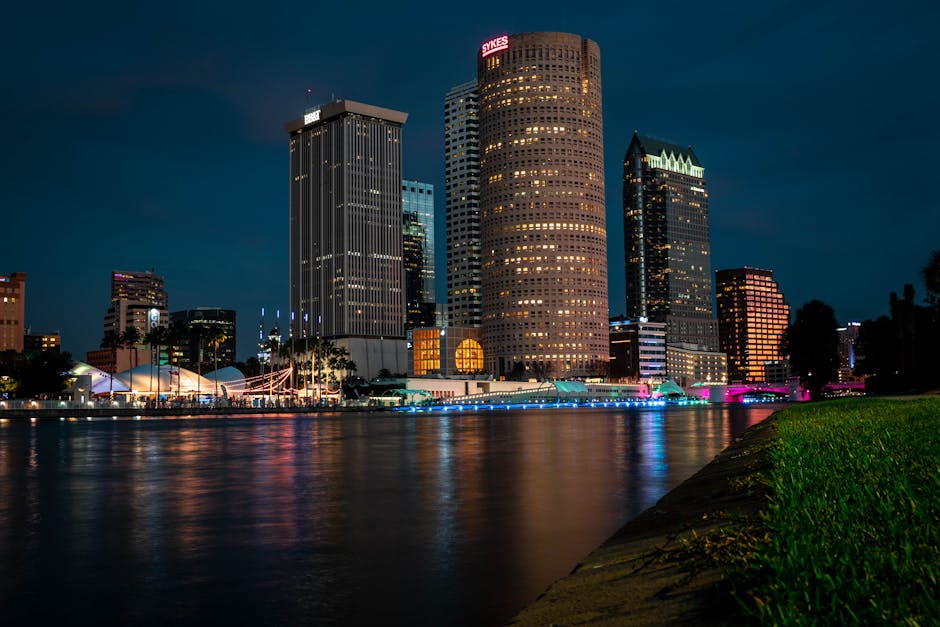
The Evolution of Tampa’s High-End Inventory
The Tampa luxury real estate sector has transitioned from a period of speculative appreciation into a sophisticated primary-residence market. As of mid-2026, the landscape is defined by a curated inventory of approximately 120 active luxury listings, maintaining a median list price of $2,490,000. This stabilization indicates a healthy equilibrium between high-net-worth migration and available supply. Unlike previous cycles, the current inventory is characterized by a diversity of assets, ranging from traditional waterfront estates to modern architectural statements in established neighborhoods like South Tampa and the historic corridors of the city.
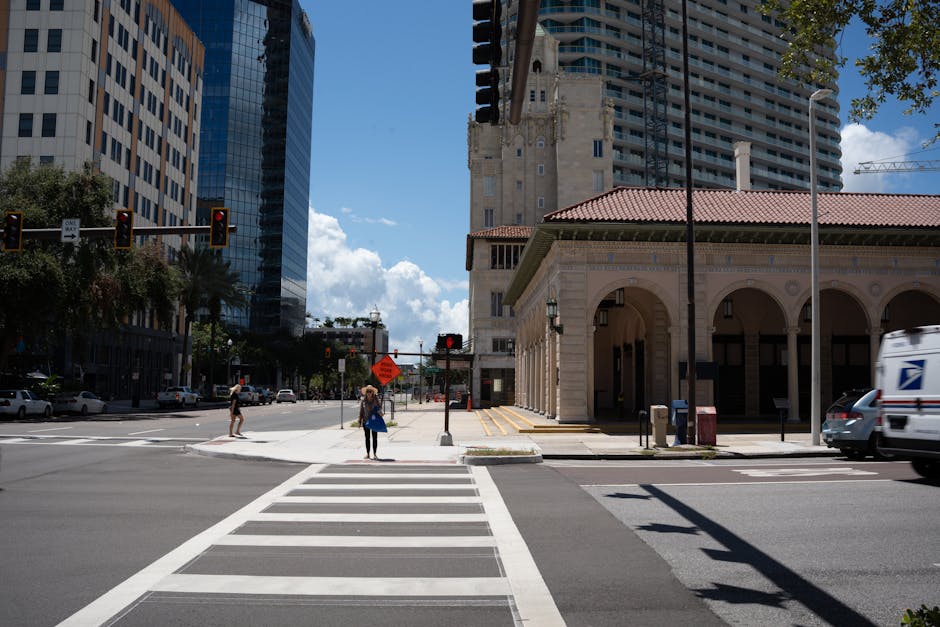
Sophisticated buyers are increasingly prioritizing long-term utility over short-term resale potential. This shift is evidenced by the demand for properties that offer both residential privacy and proximity to the city’s expanding commercial hubs. For instance, recent market activity highlights a significant interest in multi-parcel opportunities and estates that provide ample square footage for integrated home offices and private amenities. Notable examples within the current snapshot include the $2,650,000 estate on Troutwater Lane, which exemplifies the preference for quiet, residential enclaves that remain within a short commute of the downtown core.
Furthermore, the market’s breadth is expanding into areas previously considered peripheral to the luxury core. Acquisitions on West Dr. Martin Luther King Jr. Boulevard, such as the recent $2,900,000 multi-use listing, demonstrate how capital is being deployed into versatile properties that serve both as high-end residences and strategic land holdings. This trend suggests that the Tampa luxury buyer is no longer just looking for a home, but for a tangible asset that aligns with a broader portfolio strategy in a region showing consistent growth in institutional investment.
While the average list price remains robust at $3,168,660, the velocity of transactions suggests that correctly priced assets move with efficiency. The premium segment is increasingly driven by cash-heavy buyers who are less sensitive to interest rate fluctuations and more focused on the scarcity of high-quality construction. As the region continues to attract domestic and international interest, the emphasis on architectural integrity and sustainable building practices has become a primary driver of valuation, forcing sellers to invest in significant upgrades before coming to market.
Waterfront Dynamics: Beyond the Aesthetic
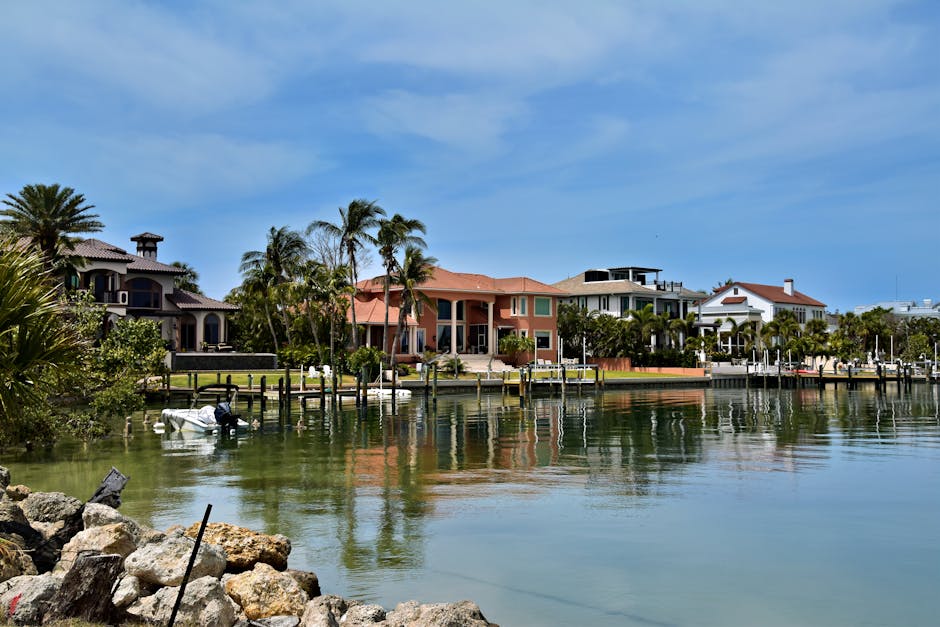
The allure of the Tampa Bay waterfront remains the primary catalyst for the luxury sector, yet the criteria for these acquisitions have grown significantly more complex. In 2026, waterfront property is no longer viewed solely through the lens of aesthetic appeal; it is now evaluated as a complex infrastructure asset. According to analysis by The National Law Review, Tampa Bay’s waterfront has emerged as a primary luxury market, shifting the focus toward long-term environmental resilience and the legal intricacies of riparian rights.
Buyers are now scrutinizing sea wall integrity, flood mitigation infrastructure, and deep-water access with the same rigor usually reserved for commercial industrial assets. The distinction between a secondary vacation home and a primary waterfront residence has blurred, as more executives choose to base their operations in the region. This has led to a premium on properties that offer both substantial dockage for large vessels and the structural elevation necessary to meet modern insurance standards. The market for these primary waterfront assets is tighter than ever, with low turnover in prime coastal pockets.
The valuation of these properties is increasingly influenced by their proximity to private aviation and high-end dining, creating a lifestyle corridor that stretches from the downtown waterfront to the more secluded reaches of the bay. This geographic concentration has led to a price floor for waterfront assets that significantly exceeds the regional median. Investors and primary residents alike are recognizing that while land is finite, high-quality, modernized waterfront land is exceptionally scarce, leading to a focus on tear-down and rebuild strategies in premier locations.
To navigate this segment successfully, advisors are recommending a multi-disciplinary approach to due diligence. It is no longer sufficient to rely on a standard home inspection. Instead, successful acquisitions often involve structural engineers, maritime legal counsel, and environmental consultants. This level of scrutiny ensures that the investment remains viable as the region continues to adapt to evolving coastal management policies. Understanding the nuances of local permitting and dock construction is essential for any buyer looking to secure a permanent footprint on the Tampa shoreline.
The Primary Residence Pivot: Why Executives are Staying
A fundamental shift in the Tampa market is the increasing number of corporate executives and business owners who are selecting the region as their permanent base of operations. This is not merely a lifestyle choice but a strategic business decision. As noted by The Business Journals, the St. Pete and Tampa corridor has become a magnet for leadership talent due to the favorable regulatory environment and the high quality of life. This influx of human capital is putting upward pressure on the estate market, as these buyers seek properties that can accommodate high-level entertaining and remote corporate management.
The demand for large-scale residential compounds is at an all-time high, with buyers frequently looking for properties that offer a minimum of five bedrooms and dedicated staff quarters. This preference for expansive living is reflected in the pricing of premier estates, where the ceiling continues to be pushed by record-breaking asks. The Wall Street Journal recently highlighted a massive estate asking $115 million, a figure that dwarfs previous regional records and signals Tampa’s entry into the ultra-luxury global conversation. While such outliers are rare, they set a new psychological benchmark for the market.
This executive migration is also fueling the growth of the luxury condo market, though it remains in an early stage compared to established hubs like Miami. Industry experts at Tampa Bay Business & Wealth suggest that while the high-rise sector is maturing, there is still significant room for growth as more service-oriented developments come online. These vertical estates are particularly appealing to executives who travel frequently and require a lock-and-leave lifestyle without sacrificing the amenities of a five-star hotel.
As these professionals integrate into the local community, they are also influencing the cultural and social landscape of the city. The presence of a sophisticated, permanent resident base supports the growth of high-end retail, private clubs, and exclusive events. This virtuous cycle of investment and residency reinforces Tampa’s position as a premier destination for those looking to balance professional ambition with a refined coastal lifestyle. The result is a market that feels more grounded and less susceptible to the volatility of purely speculative investment.
Due Diligence: Navigating Premium Transactions
Acquiring a luxury asset in Tampa requires a level of detail that goes beyond the standard residential contract. In a market where a median list price is $2,490,000, the margin for error in due diligence is slim. Buyers must be prepared to investigate the hidden aspects of a property, from the history of its construction to the specifics of its zoning. For those looking to browse the current inventory, it is advisable to browse available luxury listings early and often to understand the pace at which prime assets move.
A critical component of modern due diligence is the assessment of a property’s technological and environmental readiness. This includes evaluating the age and capacity of smart-home systems, the efficiency of HVAC installations in a tropical climate, and the presence of any legacy environmental issues, especially in older South Tampa estates. Buyers should also consider the long-term maintenance requirements of specialized materials such as imported stone, high-performance glass, and custom millwork, which are common in the $2,000,000 to $5,000,000 range.
- Verification of flood elevation certificates and recent structural mitigation upgrades.
- Analysis of riparian rights and existing dock permits for deep-water accessibility.
- Audit of smart-home infrastructure and integrated security system lifespans.
- Review of association governance and the health of long-term reserve funds for high-rise assets.
- Assessment of perimeter privacy and local noise ordinances in residential enclaves.
- Confirmation of school district boundaries and proximity to private educational institutions.
The role of the advisor in these transactions is to act as a project manager for the buyer. This involves coordinating with various specialists to ensure that every bullet point on the checklist is addressed before the inspection period ends. In the Tampa market, where many properties are sold off-market or through private networks, having a thorough understanding of the local landscape is a significant advantage. This proactive approach allows buyers to negotiate from a position of strength, knowing the exact condition and potential of the asset they are acquiring.
Neighborhood Nuance: Comparing South Tampa and the Downtown Core
Choosing between a traditional estate and a modern high-rise is often a question of neighborhood preference rather than budget. South Tampa remains the bastion of classic luxury, with its canopy-lined streets and historic architecture. Areas like Davis Islands and the Bayshore Boulevard corridor offer a sense of permanence and prestige that is difficult to replicate. These neighborhoods are home to many of the city’s most significant transactions, including estates that frequently exceed the $10,000,000 mark. The appeal here is the blend of privacy and community, with a focus on large lots and traditional family living.
In contrast, the Downtown core and the Water Street district represent the new era of Tampa luxury. This is where the city’s urban transformation is most visible. High-rise living in these areas offers a different set of advantages: concierge services, walkability to world-class dining, and proximity to major events like Riverfest or the various festivals held at Curtis Hixon Park. For buyers who value being at the center of the action, the downtown market provides a dynamic environment that mirrors the energy of larger metropolitan centers like New York or Chicago.
The decision-useful guidance for buyers is to evaluate how much of their daily life they want to spend in a vehicle. While South Tampa is geographically close to the center, its residential nature means most errands require a short drive. Downtown residents, however, are increasingly enjoying a car-free or car-minimal lifestyle, supported by the expansion of the Riverwalk and the development of new mixed-use spaces. This lifestyle difference is a key factor in the sustained demand for both property types, as different demographics seek different ways to experience the city’s amenities.
According to Florida Trend, the diversification of Tampa’s real estate offerings is a major factor in its national appeal. By providing both traditional estate living and modern urban luxury, the city can accommodate a wider range of high-net-worth individuals. This variety also helps to insulate the market from localized shifts in preference, as there is always a segment of the population looking for the opposite of what the other half desires. Understanding these nuances is essential for any buyer looking to make a sound long-term investment in the region.
The 2026 Outlook: Market Resilience and Pricing Stability
Looking ahead through the remainder of 2026, the Tampa luxury market is expected to maintain its current trajectory of stability and measured growth. The active inventory of 120 units suggests a market that is neither over-supplied nor desperately tight, allowing for rational negotiations and well-considered decisions. The average list price of $3,168,660 is likely to remain steady, supported by the continued influx of capital from high-tax states and the expansion of the local professional sector. This is a market for the serious buyer who values quality and longevity over quick returns.
One of the most promising indicators for the future is the continued investment in public infrastructure and community events. The success of local festivals and waterfront activities, as reported by Axios, highlights the city’s commitment to maintaining a high quality of life for its residents. These factors contribute to the ‘stickiness’ of the region, ensuring that those who move here for the financial benefits stay for the lifestyle. This social stability is a crucial, though often overlooked, component of long-term real estate value.
Pricing strategy will remain the most critical factor for sellers. While the market is resilient, buyers are more informed and analytical than ever. Overpriced listings are likely to languish, even in prime locations, as the sophisticated 2026 buyer is quick to identify value gaps. Conversely, properties that are priced correctly and presented with complete transparency will continue to attract multiple offers and close with efficiency. The focus remains on the fundamentals: location, construction quality, and modern efficiency.
The maturation of Tampa as a global luxury destination is well underway. The combination of favorable economic conditions, significant infrastructure improvements, and a growing cultural scene makes it one of the most compelling real estate stories in the country. For those looking to navigate this landscape, the priority should be on securing a property that meets both immediate needs and long-term investment goals. With a clear understanding of the market’s nuances and a disciplined approach to due diligence, buyers can find exceptional value in this evolving coastal city.
To navigate the complexities of a $2.5 million-plus acquisition, professional guidance is essential. Our team provides the analytical perspective and local intelligence required to secure premier assets in a competitive landscape. We invite you to browse our current luxury listings or contact an advisor today to discuss your specific requirements for a Tampa residence. Secure your place in the next chapter of Tampa’s growth with a partner who understands the value of discretion and precision.
Your next move in Tampa luxury
Get current inventory, pricing guidance, and private-tour support from our brokerage team.
Source highlights
- Column: Why executives keep choosing St. Pete – The Business Journals
- Tampa’s Price Record Is $22.5 Million. This Huge Estate Is Asking $115 Million. – WSJ
- Tampa Bay’s most expensive luxury home sales of 2025 – Tampa Bay Times
- Why Tampa remains an early-stage luxury condo market – Tampa Bay Business & Wealth
- Florida Trend Real Estate – Florida Trend
- Tampa Bay’s Waterfront Emerges as a Primary Luxury Real Estate Market – The National Law Review
- Things to do with kids this weekend in Tampa, FL – That's So Tampa
- Riverfest and other events take over Tampa this weekend | What to know before you go – wtsp.com
