


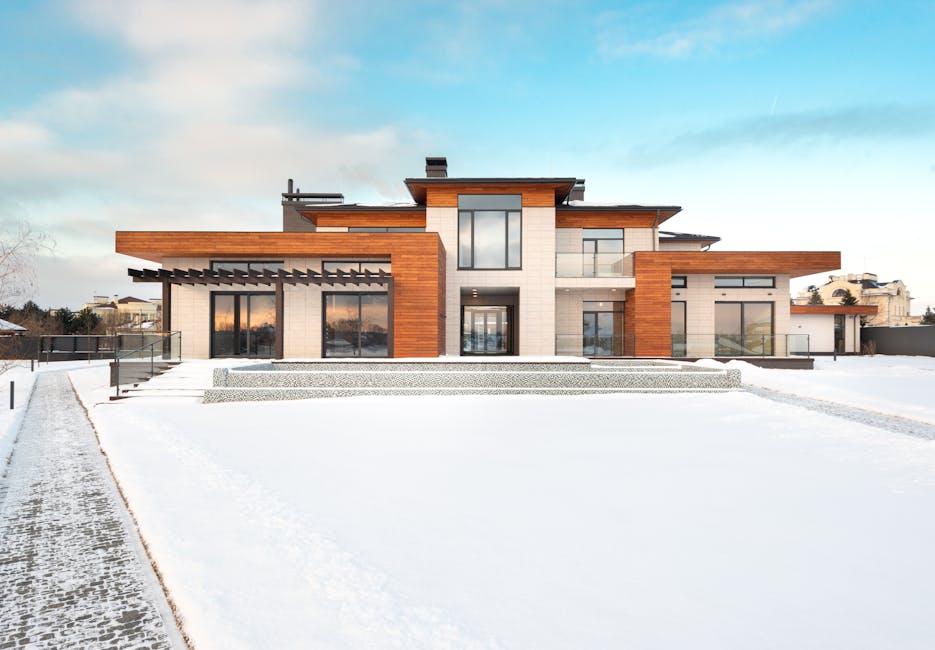
The New High-Water Mark for West Coast Florida Estates
Tampa’s residential landscape has undergone a fundamental structural shift over the last twenty-four months. Historically viewed as a value-driven alternative to South Florida, the region has transitioned into a primary destination for ultra-high-net-worth individuals. This evolution is punctuated by the recent introduction of estates with nine-figure valuations, such as the record-breaking $115 million listing that has redefined pricing expectations across the peninsula. For the sophisticated buyer, these figures represent more than just local inflation; they signal a market that has finally matured to compete on a global stage.
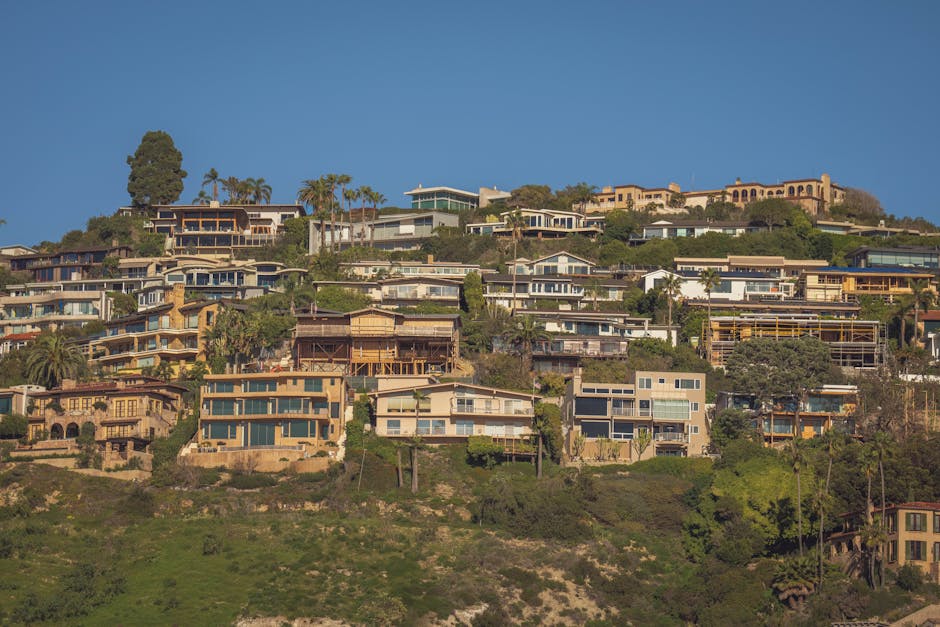
Current inventory data reflects this new reality. With approximately 120 active luxury listings and an average list price exceeding $3.1 million, the market is no longer defined by occasional outliers but by a consistent floor of high-end availability. Buyers are increasingly looking at properties like those found on Troutwater Lane, where $2.6 million represents a strategic entry point into exclusive enclaves. This movement suggests that the ceiling for what constitutes a premier residence has been permanently elevated, requiring a more nuanced approach to valuation and long-term appreciation potential.
Market velocity remains steady despite the higher entry costs. We are observing a trend where high-end acquisitions are being treated as generational assets rather than speculative investments. This shift in buyer behavior is a direct result of the increasing quality of the architectural inventory and the stabilizing influence of institutional capital entering the local commercial sectors. Investors and residents alike are recognizing that the window for entry into established neighborhoods like Davis Islands or Hyde Park is narrowing as inventory remains tight.

Waterfront Assets as a Primary Market Category
The distinction between seasonal vacation properties and primary waterfront residences has largely vanished in Tampa. According to analysis from the National Law Review, Tampa’s waterfront has emerged as a primary luxury market, driven by significant infrastructure improvements and a surge in permanent relocations. This classification is vital for buyers to understand, as it implies a different set of liquidity rules compared to secondary or tertiary resort markets. A primary market designation ensures more consistent demand throughout the economic cycle, providing a buffer against the volatility often seen in pure vacation destinations.
Buyers focused on the waterfront are no longer just looking for a view; they are prioritizing deep-water access, modernized seawalls, and substantial set-backs from public thoroughfares. We see this demand manifesting in areas like Beach Park and along Bayshore Boulevard, where the land value often rivals the replacement cost of the structures themselves. The complexity of these transactions has increased, necessitating thorough due diligence regarding riparian rights and updated coastal construction codes that have been implemented to ensure long-term structural integrity.
Sophisticated advisors are now recommending a closer look at the “buy-to-build” ratio. In many premier waterfront corridors, the scarcity of available lots has led to a rise in tear-down acquisitions. When evaluating a $2.2 million listing on North Florida Avenue or similar corridors, the analytical focus must remain on the site’s fundamental attributes and its proximity to the city’s evolving core. The ability to secure a significant footprint in a high-demand area often outweighs the immediate utility of the existing structure, provided the zoning allows for the necessary modernization.
The Executive Migration: Why Corporate Leaders are Choosing Tampa
The influx of C-suite executives and corporate decision-makers is a primary catalyst for the sustained strength of the local real estate sector. As reported by The Business Journals, executives are increasingly choosing the Tampa Bay region for its balance of professional opportunity and operational efficiency. This demographic shift brings a specific set of requirements to the residential market: high-security features, integrated home office technology, and proximity to private aviation facilities. This is not about vanity; it is about facilitating a high-performance career within a residential setting.
This executive movement has also fostered a more robust social and philanthropic ecosystem. The maturity of the city is evident in its event calendar, where traditional community gatherings like Riverfest have evolved into significant networking and community-building platforms. Corporate leaders are not just buying houses; they are integrating into a city that offers a high level of connectivity and a sophisticated social infrastructure. This integration provides a level of stability to the luxury market that was absent during previous cycles.
Furthermore, the fiscal advantages of Florida residency continue to play a role, though they are now secondary to the actual lifestyle and professional advantages of being in Tampa. The focus has shifted toward the quality of life, the excellence of private educational institutions, and the accessibility of elite healthcare. For the private advisor, the goal is to identify properties that serve these multifaceted needs, ensuring that the residence functions as both a sanctuary and a strategic base for professional operations.
Strategic Checklist: The 2026 Luxury Acquisition Audit
Before proceeding with a high-value purchase in the current market, it is essential to conduct a rigorous assessment of the property’s long-term viability and its alignment with current market standards. The following checklist identifies the critical pillars of a successful acquisition in today’s environment.
- Verify the elevation and flood mitigation status against the latest 2026 FEMA revisions to ensure insurance stability.
- Analyze the “walkability score” to emerging commercial hubs like Water Street or the Westshore District, which now heavily influences resale value.
- Conduct a comprehensive audit of smart-home integration, specifically focusing on data security and redundancy systems for remote work.
- Assess the property’s historical appreciation relative to the neighborhood median of $2.49 million to identify potential over-extension.
- Evaluate the quality of recent renovations to ensure they meet the modern aesthetic standards currently demanded by the executive demographic.
- Review the proximity to essential lifestyle infrastructure, including private schools, high-end retail, and logistics hubs.
By utilizing this audit, buyers can move beyond the initial emotional appeal of a property and focus on the data-backed metrics that drive lasting value. In a market where the most expensive luxury sales are increasingly complex, having a structured approach to evaluation is the best way to mitigate risk.
The Vertical Shift: Assessing the Luxury Condo Opportunity
While estate homes remain the traditional choice for many, Tampa’s luxury condo market has entered an early-stage growth cycle that offers a compelling alternative. According to Tampa Bay Business & Wealth, the region is still in the nascent stages of its high-end vertical development. This represents a strategic window for buyers who prefer the “lock-and-leave” security and comprehensive amenity packages that only premium towers can provide. For the busy executive or the frequent traveler, these developments offer a level of convenience that traditional estates cannot match.
The new wave of condo developments is prioritizing larger floor plans and higher-quality finishes that mirror the experience of a single-family home. Features such as private elevator foyers, expansive outdoor terraces with summer kitchens, and 24-hour concierge services are becoming standard in the top-tier buildings. This shift is particularly evident in the downtown core and along the Bayshore corridor, where the demand for vertical living has outpaced supply, leading to significant pre-construction activity. Buyers should focus on developers with a proven track record of delivering high-end products to ensure their investment is protected.
Analyzing the fee structures and reserve funds of these associations is just as important as the physical unit itself. A well-managed luxury building maintains its value through meticulous upkeep and a healthy capital improvement plan. As the city continues to densify, these vertical residences are expected to command a premium for their views and their immediate access to the city’s culinary and cultural centers. For those looking to minimize the overhead of home maintenance while maximizing their proximity to the action, the condo market is a vital sector to monitor.
Inventory Constraints and the Pricing Plateau
Despite the headlines regarding record prices, the broader Tampa luxury market is experiencing a period of healthy stabilization. The median list price of $2.49 million suggests that while the ceiling has risen, there is still significant value to be found in the middle-luxury tier. This pricing plateau is beneficial for buyers as it allows for more deliberate decision-making without the frantic pressure of multi-offer scenarios that characterized previous years. However, inventory remains the primary constraint, with only 120 properties available to meet the needs of a growing affluent population.
We are seeing a “flight to quality” where properties that are meticulously maintained or recently updated are selling at a significant premium, while those requiring major work are sitting on the market longer. This underscores the importance of professional representation that can accurately assess the cost-to-value ratio of potential renovations. In neighborhoods like South Tampa, where lot sizes are relatively fixed, the value is increasingly found in the quality of the build and the efficiency of the floor plan. Properties like the commercial and land opportunities on Dr. Martin Luther King Jr. Boulevard also hint at the broader redevelopment occurring on the fringes of the luxury core.
Strategic buyers are also looking at the land market as a way to circumvent the inventory shortage. While developing a custom residence requires more time and capital, it ensures that every aspect of the home meets the specific needs of the owner. According to data from Florida Trend, land acquisition remains a key strategy for institutional and private investors alike. Securing a prime site today, even if construction is deferred, is often the only way to guarantee a position in the city’s most coveted residential blocks.
Infrastructure and Lifestyle Maturity
The long-term value of real estate is inextricably linked to the surrounding infrastructure. Tampa’s commitment to urban renewal and transportation improvement has created a more cohesive and accessible city. From the expansion of the Riverwalk to the revitalization of the historic districts, the physical connectivity of the city has never been better. This maturity is reflected in the sophisticated lifestyle options now available, ranging from Michelin-recognized dining to world-class performing arts. The city no longer feels like a collection of disconnected neighborhoods; it feels like a unified metropolitan center.
This maturity also extends to the practicalities of daily life. The availability of top-tier professional services, high-end retail, and efficient logistics makes living in Tampa a seamless experience for those used to the amenities of New York or Chicago. The ability to move from a private estate to a downtown office or a private hangar in under twenty minutes is a luxury that few other growing cities can offer. This efficiency of movement is a significant factor in the region’s continued appeal to high-performance individuals who value their time as much as their privacy.
As we look toward the remainder of 2026, the outlook for the Tampa luxury market remains positive, supported by strong fundamentals and a clear upward trajectory. Whether you are seeking a historic estate in Hyde Park, a modern waterfront masterpiece on Davis Islands, or a sophisticated vertical residence in the heart of the city, the opportunities are substantial. To navigate this complex environment effectively, you require the guidance of a private advisor who understands the nuances of the local market and the specific needs of the affluent buyer. We invite you to explore our curated luxury listings or contact our advisory team to discuss your specific acquisition requirements and begin the process of securing your next exceptional residence in Tampa.
Your next move in Tampa luxury
Get current inventory, pricing guidance, and private-tour support from our brokerage team.
Source highlights
- Column: Why executives keep choosing St. Pete – The Business Journals
- Tampa’s Price Record Is $22.5 Million. This Huge Estate Is Asking $115 Million. – WSJ
- Tampa Bay’s most expensive luxury home sales of 2025 – Tampa Bay Times
- Why Tampa remains an early-stage luxury condo market – Tampa Bay Business & Wealth
- Florida Trend Real Estate – Florida Trend
- Tampa Bay’s Waterfront Emerges as a Primary Luxury Real Estate Market – The National Law Review
- Things to do with kids this weekend in Tampa, FL – That's So Tampa
- Tampa weekend events: Concerts, festivals and downtown family fun — What to know before you go – FOX 13 Tampa Bay



