


The Transition of Tampa Bay Waterfront to a Primary Market
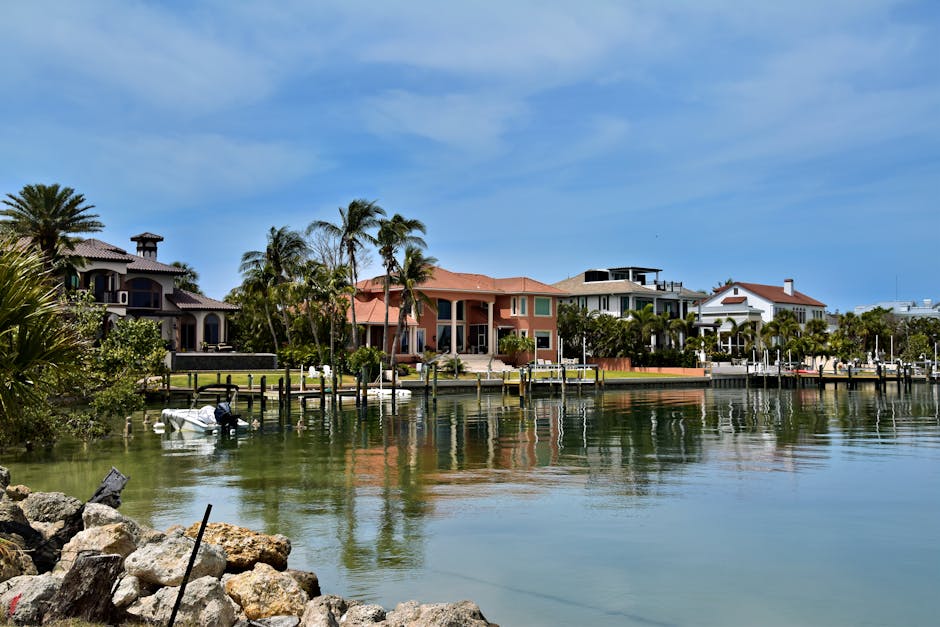
The Tampa Bay residential landscape has undergone a fundamental shift over the last thirty-six months. Previously categorized by many national analysts as a secondary or seasonal market, the region has matured into what experts now classify as a primary luxury destination. This distinction is critical for buyers to understand because it influences everything from liquidity to long-term valuation stability. Unlike seasonal markets that fluctuate with tourism trends, a primary market is driven by permanent wealth migration, corporate relocations, and a sustained demand for high-end infrastructure.
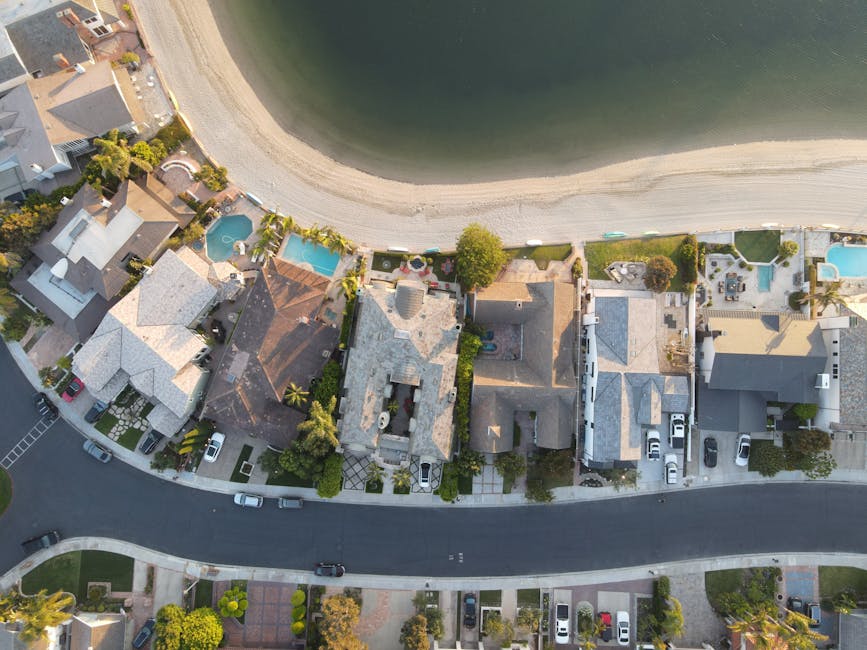
According to The National Law Review, the emergence of the waterfront as a primary market is a testament to the region’s hardening economic floor. We are seeing a shift where buyers are no longer just looking for vacation assets; they are seeking legacy properties that serve as their primary residence. This shift has led to a scarcity of premium lots in established neighborhoods such as Davis Islands and Beach Park, where inventory remains constrained despite broader national economic headwinds. For the sophisticated buyer, this means that entry-level luxury pricing has seen a permanent upward adjustment.
Market participants should note that the current inventory is increasingly professionalized. Sellers in the $2,000,000 to $5,000,000 range are often executives or business owners who have invested heavily in structural integrity and modern technology. When evaluating luxury homes for sale, the focus has moved beyond mere aesthetics to include seawall condition, elevation certificates, and integrated home automation systems. The maturity of the market demands a higher level of due diligence than was required even five years ago.
Neighborhood Dynamics and High-End Residential Volatility
In the current climate, not all luxury neighborhoods in Tampa are performing identically. South Tampa remains the anchor for high-end activity, but we are seeing significant movement in the surrounding pockets of Sunset Park and Culbreath Isles. These areas offer a level of privacy and lot depth that is becoming increasingly difficult to find on Davis Islands. Buyers are currently prioritizing larger footprints over proximity to the city center, a behavioral shift that has placed a premium on properties with substantial acreage or wide-water views.
The pricing delta between renovated historic homes and new construction continues to widen. While the charm of a 1920s Mediterranean Revival in Palma Ceia is undeniable, the market is placing a significant premium on the efficiency and insurance advantages of modern builds. According to recent data from Florida Trend Real Estate, the cost of hardening older assets against tropical elements is a major factor in buyer decision-making. Investors and families alike are calculating the total cost of ownership, including rising premiums, before committing to a purchase.
Furthermore, the inventory snapshot shows a median list price of approximately $2,490,000 across the top-tier segments. With only 120 active luxury units currently available, the competition for trophy properties remains intense. We advise buyers to look closely at ‘days on market’ as a metric for quality; while the average list price sits above $3,100,000, properties priced accurately for their condition and location are still moving within a thirty-day window. Overpriced assets, conversely, are stagnating as the buyer pool becomes more analytical and less prone to emotional overpayment.
The Condo Shift: Vertical Living and Early-Stage Opportunities
While single-family homes dominate the headlines, the vertical luxury segment is entering a new phase of development. Tampa has traditionally been a low-density city, but the success of recent high-rise developments in the Water Street district and along Bayshore Boulevard indicates a growing appetite for managed living. This is particularly true for buyers who split their time between Tampa and other financial hubs. The ‘lock-and-leave’ capability of a high-end condominium provides a utility that traditional estates cannot match.
As noted by Tampa Bay Business & Wealth, the region is still in the early stages of its luxury condo evolution. This presents a unique window for buyers to secure positions in buildings that will likely become the standard-bearers for the skyline. Comparing the price per square foot in Tampa to established vertical markets like Miami or Naples reveals a significant value proposition. The focus for these buyers is often on the amenity package—concierge services, private fitness centers, and secure parking are now baseline requirements for the modern vertical buyer.
However, we caution buyers to evaluate the developer’s track record and the building’s long-term management strategy. In a maturing market, the quality of the Homeowners Association (HOA) and the health of the reserve funds are just as important as the view from the penthouse. Prospective residents should review the last three years of meeting minutes and financial audits to ensure the building is being maintained to a standard that protects their equity. Transitioning from a house to a condo requires a different set of analytical tools, and we recommend a thorough review of the governing documents before moving past the letter of intent phase.
Strategic Verification for High-Net-Worth Acquisitions
Acquiring a luxury asset in the current Tampa environment requires a methodical approach that goes beyond a standard home inspection. The complexities of waterfront property, specialized construction materials, and local zoning regulations mean that the ‘buy-side’ advisor must be more of a project manager than a traditional salesperson. We have identified several key areas where buyers often underestimate the complexity of the transaction.
- Verification of seawall integrity and remaining service life by a specialized marine engineer.
- Comprehensive review of the elevation certificate and its impact on long-term flood insurance premiums.
- Assessment of smart-home infrastructure for compatibility with current security and efficiency standards.
- Review of neighborhood deed restrictions and any pending changes to local zoning or density.
- Evaluation of the roof age and material specifications to ensure alignment with current insurance requirements.
- Analysis of recent comparable sales within a tight half-mile radius to verify current valuation logic.
Each of these points represents a potential pivot in the negotiation process. For instance, a property with an older seawall might require a significant capital outlay within five to ten years, which should be reflected in the final purchase price. Similarly, the nuances of South Tampa’s drainage and tree-protection ordinances can impact a buyer’s ability to expand a home or add a pool. These are not obstacles, but they are variables that must be accounted for to ensure a successful long-term investment.
Valuation Discrepancies and Market Resilience
One of the most discussed topics in local circles is the gap between record-breaking asks and actual closed sales. While the regional record for a residential sale stands at $22.5 million, some new listings are pushing the boundaries of valuation to unprecedented levels. The Wall Street Journal recently highlighted a significant estate asking $115 million, a figure that dwarfs any previous transaction in the market. While such listings grab headlines, they also indicate a high level of confidence among local sellers in the unique value of Tampa’s most exclusive acreage.
For the average luxury buyer, these outlier listings serve as a barometer for the market’s ceiling. When the top end of the market moves upward, it creates a ‘halo effect’ that supports valuations in the $5,000,000 to $10,000,000 range. However, it is essential to distinguish between a unique trophy asset and a standard high-end residence. Scarcity of land, particularly on the water in Davis Islands or along the historic brick streets of Hyde Park, is the primary driver of these valuations. As the inventory of available land nears zero, the value of the existing structures becomes secondary to the value of the dirt itself.
We also monitor the behavior of institutional buyers and high-end developers. The resilience of the Tampa market is bolstered by the continued influx of capital into commercial and mixed-use projects. When the ‘smart money’ is investing billions into the downtown core and waterfront districts, it provides a layer of protection for residential homeowners. The growth is not speculative; it is supported by tangible infrastructure improvements and a diversifying economy that is no longer dependent on a single industry.
Lifestyle Integration and Corporate Migration Factors
The decision to relocate to Tampa is often driven by more than just real estate metrics. We are seeing a significant trend of executives from major financial hubs choosing the Tampa and St. Petersburg area for its balance of professional opportunity and lifestyle quality. As noted by the Business Journals, the St. Pete side of the bay has become a magnet for C-suite leaders who value the walkability and cultural density of the downtown core. This cross-bay synergy strengthens the entire region’s appeal to affluent buyers.
Local events and a sophisticated social calendar also play a role in the decision-making process. The region’s ability to host major events, such as Riverfest or high-profile festivals, creates a sense of place that is vital for new residents. According to reports from Axios, these events serve as more than just entertainment; they are a showcase for the city’s infrastructure and its ability to handle large-scale engagement. For a buyer, knowing that the city is ‘alive’ and well-managed is a key component of the psychological value of their home.
The integration of lifestyle and real estate is perhaps most evident in the way homes are now designed. The demand for home offices that function as true executive suites, indoor-outdoor living spaces that accommodate year-round entertaining, and wellness-focused amenities like cold plunges and infrared saunas are all reflections of the modern Tampa lifestyle. Buyers are no longer just purchasing a building; they are purchasing a platform for their daily lives. Understanding these shifts in buyer behavior is essential for anyone looking to navigate this market successfully.
The Tampa luxury market has matured into a sophisticated arena where data-backed decisions and professional guidance are paramount. As inventory remains tight and valuations continue to find new plateaus, the advantage goes to the buyer who is prepared, informed, and ready to act on high-quality assets. We invite you to contact an advisor to discuss your specific requirements or begin your search by reviewing our current curated listings. Secure your place in the next chapter of Tampa’s growth with a strategy built on local expertise and analytical rigor.
Your next move in Tampa luxury
Get current inventory, pricing guidance, and private-tour support from our brokerage team.
Source highlights
- Column: Why executives keep choosing St. Pete – The Business Journals
- Tampa’s Price Record Is $22.5 Million. This Huge Estate Is Asking $115 Million. – WSJ
- Tampa Bay’s most expensive luxury home sales of 2025 – Tampa Bay Times
- Why Tampa remains an early-stage luxury condo market – Tampa Bay Business & Wealth
- Tampa Bay’s Waterfront Emerges as a Primary Luxury Real Estate Market – The National Law Review
- Florida Trend Real Estate – Florida Trend
- Things To Do In Tampa This Weekend: Best Festivals & Events Going On – That's So Tampa
- Riverfest and other events take over Tampa this weekend | What to know before you go – wtsp.com



