


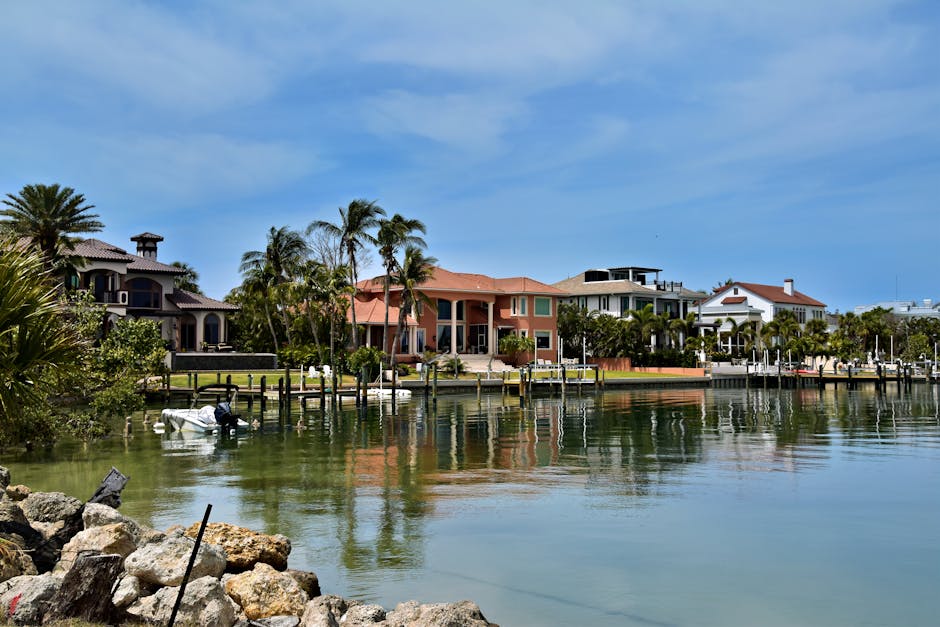
The Evolution of Tampa as a Primary Luxury Market
For decades, Tampa was often categorized by institutional investors as a secondary market—a region defined by steady growth but lacking the density of high-net-worth capital seen in Miami or Palm Beach. That classification is officially obsolete. As noted by The National Law Review, Tampa Bay’s waterfront has emerged as a primary luxury real estate market, signaling a fundamental shift in how the nation’s wealthiest individuals view the Gulf Coast. This transition is not merely about rising price points; it is about the maturity of the infrastructure, the sophistication of the buyer pool, and the long-term stability of the asset class.
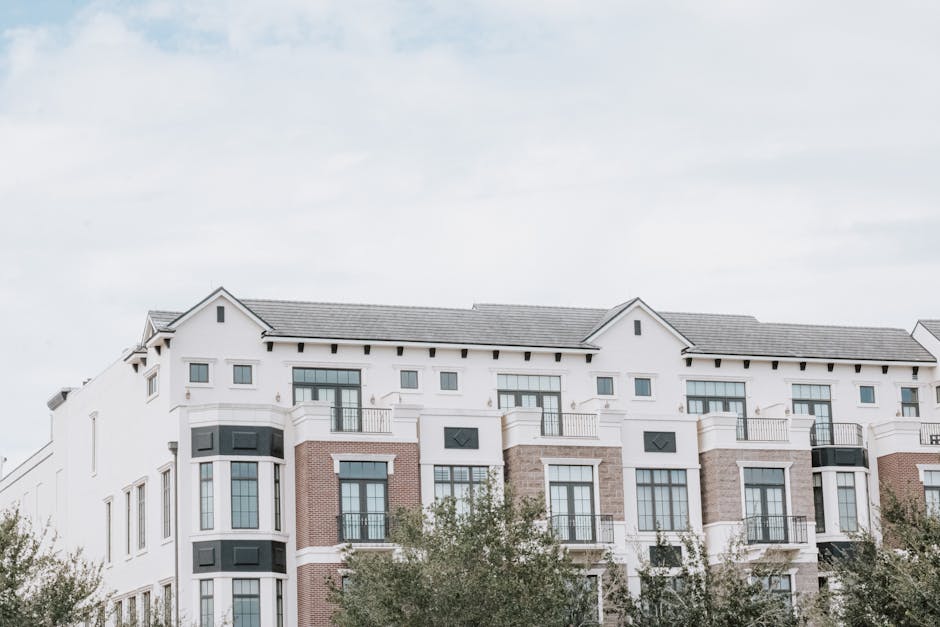
Current inventory data reflects this maturation. With a median list price for luxury properties now holding firm at approximately $2,490,000 and an average list price exceeding $3.1 million, the entry point for true high-end real estate has recalibrated. The market is currently supporting 120 active luxury listings, a volume that suggests a healthy balance between supply and high-intent demand. This liquidity is a hallmark of a primary market, providing buyers with enough selection to be selective, while maintaining a floor on valuations that prevents the volatility seen in speculative bubbles.
Buyers today are prioritizing functional permanence over aesthetic trends. They are looking for estates that serve as multi-generational compounds, equipped with the latest structural resilience and smart-home integration. The shift is moving away from the seasonal ‘second home’ mentality toward a ‘primary residence’ philosophy. Executives and entrepreneurs are no longer just visiting; they are anchoring their lives and businesses here, drawn by a combination of tax advantages, climate, and a rapidly expanding cultural core that rivals any major metropolitan area on the East Coast.
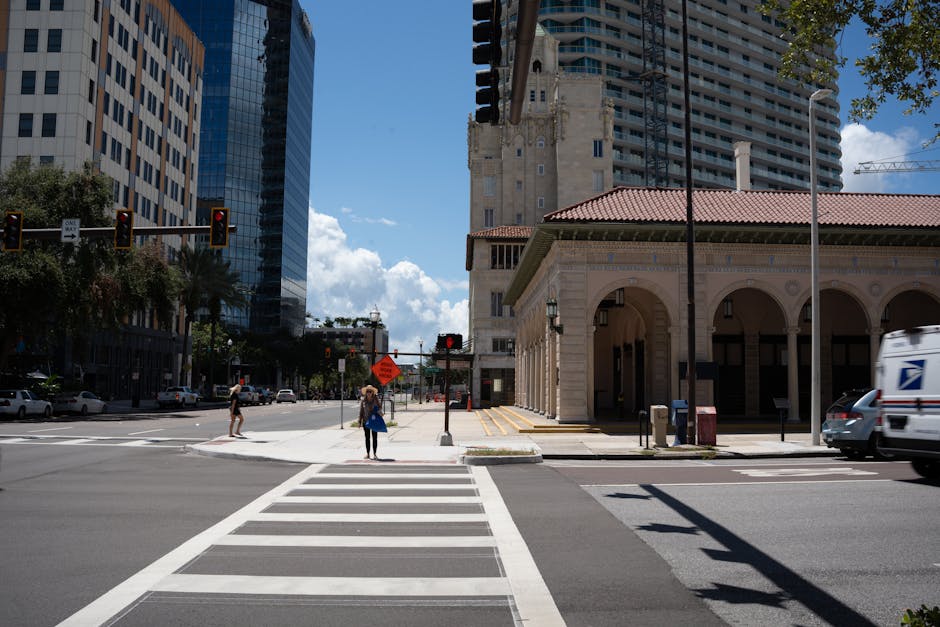
Analyzing the Nine-Figure Ceiling and Market Benchmarks
The ceiling of the Tampa market was recently shattered, fundamentally changing the appraisal landscape for ultra-luxury properties. While the previous price record stood at $22.5 million, the market is currently witnessing a staggering shift in ambition. According to reports from the Wall Street Journal, a significant estate has entered the market with an asking price of $115 million. While such an outlier may seem extreme, it serves as a powerful signal of the perceived value and future potential of Tampa’s most exclusive waterfront enclaves.
This escalation in pricing is supported by the 2025 sales data, which saw a consistent drumbeat of record-breaking transactions. As detailed by the Tampa Bay Times, the most expensive sales of the past year have moved beyond the traditional single-digit millions into the high-eight-figure territory. For the savvy investor, these benchmarks are critical. They indicate that the ‘upside’ in Tampa is far from being capped. When the ceiling rises to $115 million, properties in the $5 million to $15 million range begin to represent significant relative value, particularly when compared to similar inventory in more saturated markets like New York or California.
Understanding these benchmarks requires a deep dive into what actually drives these valuations. It is rarely just about square footage. In the current climate, value is derived from site-specific advantages: private deep-water dockage, expansive views of Old Hillsborough Bay, and the architectural pedigree of the build. The disparity between an average luxury listing and a record-breaking estate often comes down to the rarity of the lot and the quality of the finish. Buyers must differentiate between ‘market-driven’ price increases and ‘asset-driven’ value to ensure their capital is deployed effectively.
Neighborhood Dynamics: From Davis Islands to Westshore Marina
The geography of wealth in Tampa is expanding, but the core areas of South Tampa remain the most coveted. Davis Islands continues to serve as the epicenter for high-profile residents, offering a level of privacy and proximity to the city center that is difficult to replicate. The architectural landscape here is a blend of historic Mediterranean Revival and ultra-modern glass-and-steel structures. Buyers in this area are often looking for properties like those on Troutwater Lane, where the privacy of the canal meets the prestige of the island. The focus here is on quiet exclusivity, away from the traffic of the mainland but within minutes of the business district.
Further south, the Bayshore Boulevard corridor remains the gold standard for prestige. The continuous waterfront sidewalk provides a scenic anchor for some of the most expensive real estate in the city. However, the Westshore Marina District has emerged as a compelling alternative for those seeking a more modern, turnkey experience. This area caters to the buyer who values lifestyle convenience—walkable dining, high-end retail, and immediate boat access—without the maintenance requirements of an older estate. It represents the ‘new money’ of Tampa, where technology and convenience are integrated into every aspect of the residential design.
We are also seeing increased interest in neighborhoods like Beach Park and Culbreath Isles. These areas offer larger lot sizes and a more traditional neighborhood feel, which is increasingly attractive to families relocating from the Northeast. The buyer behavior in these pockets is more conservative; they are focused on school districts, security, and long-term equity. Identifying the right neighborhood involves more than just a tour of the homes; it requires an understanding of the micro-movements in local demand and the specific lifestyle nuances that each area offers. Those interested in the current landscape can browse current listings to see how these neighborhood distinctions translate into price and availability.
The Critical Checklist for High-Value Acquisitions
Navigating a luxury transaction requires a level of due diligence that goes far beyond a standard home inspection. In a market where waterfront integrity and structural technology are paramount, the following factors are non-negotiable for a secure investment:
- Seawall and Dockage Integrity: Verify the age, material, and height of any existing seawall, as well as the depth of the water at low tide for vessel clearance.
- Structural Elevation Compliance: Ensure the property meets or exceeds current FEMA requirements to mitigate insurance costs and long-term environmental risk.
- Smart-Home Ecosystem Longevity: Audit the existing automation systems for compatibility with current standards and ease of future upgrades.
- Privacy and Security Infrastructure: Assess the perimeter security, gated access, and internal surveillance capabilities of the estate.
- Historical and Zoning Restrictions: Confirm that no local preservation mandates will interfere with planned renovations or architectural modifications.
- Natural Light and View Corridors: Evaluate potential future developments nearby that could impact your privacy or water views.
Executive Migration and the St. Petersburg Synergy
One of the strongest drivers of the Tampa luxury market is the influx of corporate executives and business owners. This is not a random occurrence; it is a calculated migration. As noted by The Business Journals, executives are increasingly choosing the St. Petersburg and Tampa region for its quality of life and the ease of doing business. This ‘executive flight’ brings more than just capital; it brings a demand for high-end services, private aviation, and a level of luxury retail that supports a primary market ecosystem.
The synergy between Tampa and St. Petersburg is creating a regional powerhouse. While Tampa is the financial and commercial hub, St. Petersburg offers a distinct cultural and waterfront appeal. This allows luxury buyers to live in one city and work or play in the other, effectively doubling the amenities available to them. The development of the Water Street district in Tampa and the ongoing expansion of downtown St. Pete are two sides of the same coin, both driving regional valuations upward. For an advisor, understanding this regional flow is essential for recommending properties that will retain value as the entire bay area evolves.
The impact of this migration is visible in the commercial real estate sector as well. New Class A office spaces are being occupied by firms relocating from high-tax states, which in turn fuels the residential market. When a CEO moves their headquarters to Florida, they aren’t just looking for an office; they are looking for a $5 million plus home within a twenty-minute commute. This direct correlation between corporate growth and residential demand is one of the most reliable indicators of a stable, appreciating market. It ensures that the luxury residential sector is supported by a robust local economy, rather than just external speculation.
The Early-Stage Condo Market Opportunity
While the single-family estate remains the pinnacle of the market, the luxury condominium sector in Tampa is entering an interesting phase. Unlike Miami, which has a mature and often saturated condo market, Tampa is still in its early stages. This presents a unique opportunity for buyers who prefer the ‘lock-and-leave’ lifestyle. According to Tampa Bay Business & Wealth, the market is currently seeing a surge in high-end vertical living options that provide the same level of luxury as a waterfront estate but with added amenities and security.
These new developments, particularly around Water Street and the Westshore area, are introducing a level of service previously unseen in the region. Concierge staff, private chef services, and state-of-the-art wellness centers are becoming standard. For the modern buyer, these buildings offer a way to participate in the Tampa growth story without the responsibilities of maintaining a large land-based property. The price per square foot in these buildings is reaching new highs, yet it remains competitive when compared to national luxury benchmarks.
The strategy for condo buyers in Tampa should be one of long-term holding. As the city becomes more dense and walkable, the value of these centrally located units is expected to appreciate significantly. The key is to identify buildings with a high ratio of owner-occupants versus investors, as this typically leads to better management and higher resale value. The ‘early-stage’ nature of the market means that those who enter now are essentially buying into the future skyline of a major American city, a prospect that has historically yielded substantial returns.
Waterfront Resilience and Long-Term Value Retention
In any coastal market, the conversation eventually turns to the environment. In Tampa, luxury buyers are increasingly sophisticated regarding the technical aspects of waterfront living. They are looking beyond the aesthetic of the view and focusing on the resilience of the asset. This includes analyzing sea-level data, wind-resistance ratings for windows and roofs, and the overall drainage capacity of the property. For a technical analysis of current market trends and sustainability, Florida Trend provides extensive coverage on how these factors are influencing property values across the state.
Valuations are starting to reflect these ‘resilience premiums.’ A home built with modern codes and higher elevations is inherently more valuable than a legacy property that may require significant retrofitting. This is a crucial consideration for buyers looking at older estates in South Tampa. While the charm of a 1920s Mediterranean home is undeniable, the cost of bringing it up to 2026 resilience standards must be factored into the purchase price. A senior advisor will always recommend a thorough structural audit to ensure the buyer is not just purchasing a home, but a durable asset.
Ultimately, the Tampa luxury market is defined by its balance. It offers the financial benefits of Florida residency, the growth potential of a maturing primary market, and a quality of life that is increasingly rare in urban centers. Whether you are seeking a historic estate on Davis Islands or a modern penthouse overlooking the bay, the market fundamentals are strong. The transition from a quiet Gulf Coast city to a global luxury destination is well underway, and the window for securing high-value assets in this phase of the cycle remains open for those ready to act with precision and local insight.
To navigate this landscape effectively, you need an advisor who understands the nuances of neighborhood-level data and the complexities of high-value transactions. We invite you to browse our curated listings to see the current inventory or contact our office directly to schedule a confidential consultation. Securing a position in the Tampa luxury market requires more than a search; it requires a strategy tailored to your specific financial goals and lifestyle requirements.
Your next move in Tampa luxury
Get current inventory, pricing guidance, and private-tour support from our brokerage team.
Source highlights
- Column: Why executives keep choosing St. Pete – The Business Journals
- Tampa’s Price Record Is $22.5 Million. This Huge Estate Is Asking $115 Million. – WSJ
- Tampa Bay’s most expensive luxury home sales of 2025 – Tampa Bay Times
- Why Tampa remains an early-stage luxury condo market – Tampa Bay Business & Wealth
- Tampa Bay’s Waterfront Emerges as a Primary Luxury Real Estate Market – The National Law Review
- Florida Trend Real Estate – Florida Trend
- Things To Do In Tampa This Weekend: Best Festivals & Events Going On – That's So Tampa
- Riverfest and other events take over Tampa this weekend | What to know before you go – wtsp.com



