


The Maturation of Tampa’s High-End Property Sector
The luxury real estate sector in Tampa has fundamentally shifted from an emerging regional market to a primary destination for affluent buyers nationwide. Driven by sustained corporate relocations, an expanding cultural footprint, and favorable tax environments, the upper echelon of the market demands a highly strategic approach. Rather than relying on broad market averages, sophisticated purchasers must analyze block-by-block data in established enclaves. Currently, the active inventory hovers around 120 premium properties, indicating a selective and constrained environment where quality assets trade with significant momentum. The median list price now sits at approximately $2.49 million, reflecting a maturing baseline for high-end residential assets. Buyers entering this space are no longer simply looking for square footage; they are scrutinizing architectural integrity, construction quality, and long-term valuation stability.

A defining characteristic of the current landscape is the divergence between speculative pricing and reality-based valuations. Sellers who correctly position their assets relative to recent comparables in specific neighborhoods are achieving successful transactions. Conversely, properties introduced with aspirational premiums often face extended days on market, eventually requiring strategic price adjustments. This dynamic creates distinct opportunities for well-advised buyers capable of distinguishing between correctly priced legacy assets and overvalued new construction. Understanding these subtle pricing nuances is critical for structuring offers that resonate with sellers while protecting capital allocation.
Beyond the raw data, the qualitative aspects of Tampa’s top-tier neighborhoods are undergoing significant enhancement. Infrastructure improvements, the expansion of private educational institutions, and the arrival of national fine dining concepts have bolstered the intrinsic value of living in areas like Hyde Park and Davis Islands. The integration of high-end lifestyle amenities directly correlates with the sustained demand for properties in these adjacent residential corridors. As the broader region continues to attract executive talent and institutional capital, the foundational strength of the local high-end housing sector remains robust, requiring buyers to act with conviction and empirical market knowledge.
Analyzing Geographic Nuances and Neighborhood Distinction
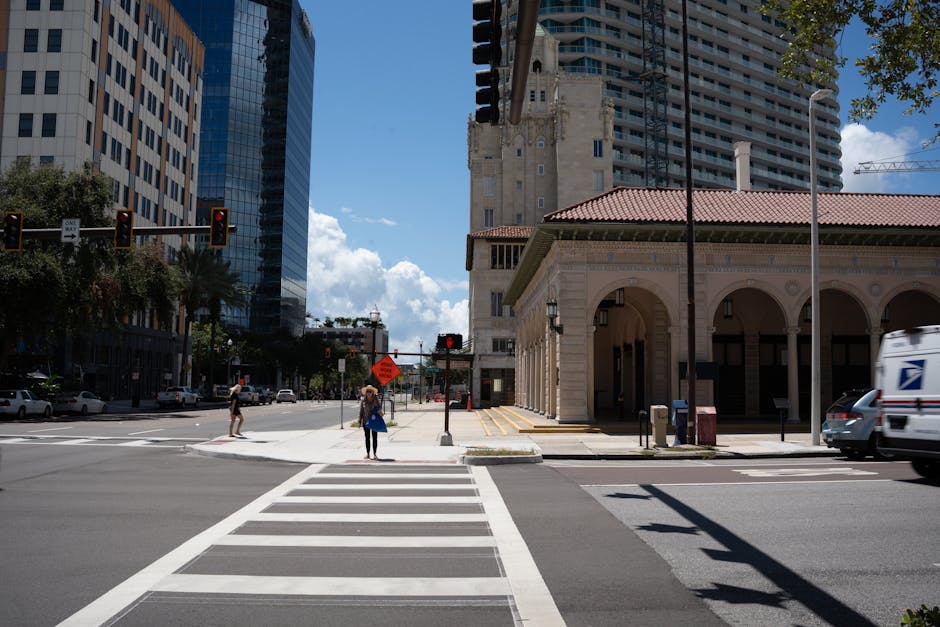
Geographic precision is paramount when evaluating premium properties across the region. The distinction between a waterfront estate and a historic restoration in Palma Ceia goes far beyond mere aesthetics; it fundamentally impacts long-term equity retention and liquidity. South Tampa continues to command premium valuations due to its proximity to the commercial core and established mature canopy streets. However, the definition of prime location is expanding as modern buyers prioritize specific lifestyle integrations over traditional geographic boundaries. Evaluating the micro-market dynamics of each enclave ensures that acquisition strategies align with both immediate utility and future marketability.
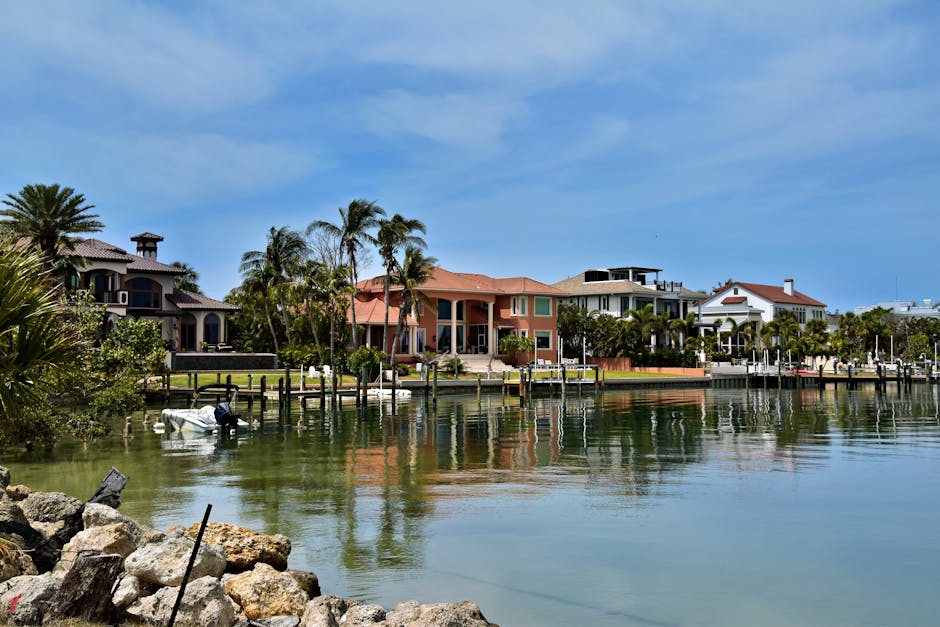
The emergence of Tampa Bay’s waterfront as a primary luxury market highlights a distinct tier of demand. Properties offering deep-water access, unobstructed bay views, and resilient structural engineering command a separate class of buyer attention. These assets are finite by nature, insulated from broader market fluctuations by their inherent scarcity. Purchasers evaluating coastal or canal-front homes must rigorously assess seawall integrity, elevation metrics, and current building codes, as these technical elements directly influence insurability and long-term holding costs.
Inland enclaves are experiencing a renaissance of their own, characterized by the meticulous renovation of historic properties and the strategic infill of modern architectural statements. Neighborhoods offering walkable access to local commerce and cultural hubs are capturing significant attention from buyers transitioning from denser metropolitan areas. This shift underscores a broader preference for integrated, community-centric living without compromising on privacy or property scale. Understanding the specific zoning overlays and historical preservation guidelines in these areas is crucial for buyers intending to customize or expand their acquired assets.
The Impact of Executive Migration on High-End Demand
The sustained influx of corporate leadership is reshaping the demographic profile of the local high-end property sector. The trend of executives choosing the broader St. Pete and Tampa region brings sophisticated purchasers who expect frictionless transactions and turn-key properties. These buyers typically arrive with defined acquisition timelines and a preference for properties requiring minimal immediate intervention. Consequently, fully renovated homes or exceptional new constructions are achieving premium valuations, while properties requiring extensive modernization face increased scrutiny and longer marketing periods.
This demographic shift also influences architectural and design preferences within the market. Incoming executives frequently favor transitional or modern aesthetics, expansive indoor-outdoor integration, and advanced smart-home infrastructure. Properties that successfully incorporate these elements while respecting the regional architectural vernacular are positioned at the apex of the market. Sellers aiming to attract this specific buyer pool must ensure their properties meet rigorous standards of condition and contemporary design relevance before initiating a marketing campaign.
The injection of out-of-state capital continues to establish new pricing benchmarks across premium neighborhoods. High-net-worth individuals relocating from high-tax jurisdictions often perceive local valuations as advantageous, even at record-setting price points. This perception, coupled with the tangible benefits of the Florida regulatory environment, maintains upward pressure on the most desirable assets. To navigate this competitive environment, local and relocating buyers alike must rely on empirical data and strategic negotiation, ensuring they secure premium properties without overextending beyond verifiable market value.
Critical Considerations for Evaluating Premium Assets
Acquiring a high-value residential asset requires a methodology that extends far beyond emotional resonance and surface-level aesthetics. Sophisticated buyers must approach each property as a complex matrix of structural integrity, regulatory compliance, and future market viability. Given the region’s specific environmental characteristics, technical due diligence is not merely a formality; it is the cornerstone of a secure transaction. Engaging specialized inspectors, structural engineers, and land-use attorneys is standard practice for identifying potential liabilities before they materialize into significant post-closing expenditures.
The divergence in construction standards across different eras necessitates a tailored approach to property evaluation. A historic estate requires a fundamentally different inspection protocol than a recent modern build. Buyers must systematically verify the quality of foundational elements, the capacity of mechanical systems, and the compliance of recent modifications with current building codes. Failing to conduct this granular level of scrutiny can compromise the long-term utility and valuation of the asset.
To streamline the evaluation phase, prospective buyers should focus on a core set of verification metrics before advancing to formal negotiations. Implementing a rigorous analytical framework ensures that resources are allocated efficiently and that potential risks are identified early in the process.
- Verify the integrity, age, and maintenance history of all seawalls and marine infrastructure for waterfront properties.
- Assess comprehensive elevation data and current flood zone designations to model future insurance requirements.
- Review the permitting history for all major renovations, ensuring compliance with municipal codes and historical overlays.
- Evaluate the capacity and remaining lifespan of critical mechanical systems, including HVAC, roofing, and whole-home power generation.
- Analyze immediate neighborhood development trends and upcoming infrastructure projects that could impact local traffic or sightlines.
- Scrutinize the architectural provenance and structural materials, particularly in properties exceeding two decades of age.
Cultural Amenities and Lifestyle Integration
The valuation of premium real estate is inextricably linked to the cultural and social infrastructure surrounding it. Tampa has aggressively expanded its lifestyle offerings, transitioning from a strictly business-oriented hub to a culturally rich environment. Access to elevated dining, private social clubs, and comprehensive arts programming is a primary driver for buyers selecting specific neighborhoods. The ability to seamlessly integrate home life with high-tier community amenities is a defining characteristic of the modern high-end real estate experience, directly influencing property desirability.
An active event calendar contributes significantly to the region’s appeal, providing continuous engagement for residents. The prominence of community events like Riverfest demonstrates the commitment to activating public spaces and waterways. These cultural touchpoints not only enhance the immediate living experience but also serve as indicators of sustained municipal investment. Neighborhoods that offer walkable or short-drive access to these cultural epicenters consistently maintain strong buyer interest and resilient property values, regardless of broader economic fluctuations.
As the city continues to attract international attention, highlighted by the record-setting transactions seen at the top of the market, the demand for sophisticated lifestyle integration will only intensify. Buyers are increasingly evaluating the broader ecosystem of a neighborhood, prioritizing proximity to elite educational facilities, specialized medical centers, and private aviation hubs. A comprehensive acquisition strategy must account for these external variables, as they are fundamental components of the property’s holistic value proposition.
Formulating a Strategic Acquisition Plan
Navigating a market characterized by an average list price exceeding $3.1 million demands discipline, patience, and expert representation. The most successful acquisitions occur when buyers operate from a foundation of rigorous data analysis rather than speculative urgency. Establishing clear parameters regarding geographic preference, architectural style, and absolute non-negotiables allows for swift, decisive action when the correct asset becomes available. In a landscape where the most desirable properties often trade discreetly or experience brief market exposure, preparedness is the ultimate leverage.
Achieving your objectives in this competitive environment requires more than casual observation; it requires a dedicated advisory partnership. We encourage sophisticated buyers to browse our curated listings to understand current market positioning and architectural standards. When you are ready to define your acquisition parameters and initiate a targeted search, contact a senior advisor to discuss your specific requirements. A structured, empirical approach ensures your next real estate transaction is executed with precision, discretion, and optimal financial structuring.
Your next move in Tampa luxury
Get current inventory, pricing guidance, and private-tour support from our brokerage team.
Source highlights
- Column: Why executives keep choosing St. Pete – The Business Journals
- Tampa’s Price Record Is $22.5 Million. This Huge Estate Is Asking $115 Million. – WSJ
- Tampa Bay’s most expensive luxury home sales of 2025 – Tampa Bay Times
- Why Tampa remains an early-stage luxury condo market – Tampa Bay Business & Wealth
- Tampa Bay’s Waterfront Emerges as a Primary Luxury Real Estate Market – The National Law Review
- Florida Trend Real Estate – Florida Trend
- Things To Do In Tampa This Weekend: Best Festivals & Events Going On – That's So Tampa
- Riverfest and other events take over Tampa this weekend | What to know before you go – wtsp.com



