


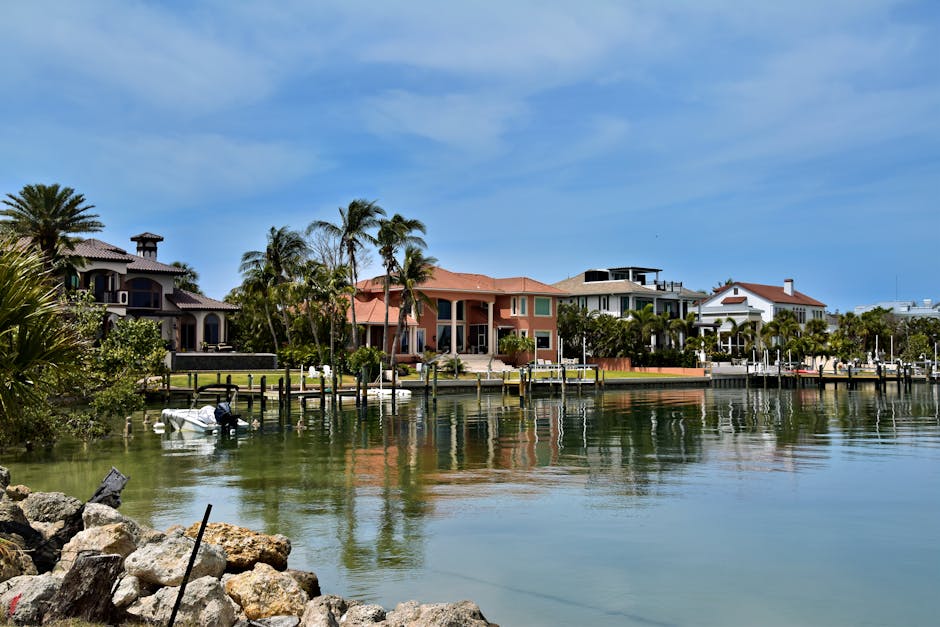
Interpreting Tampa’s Maturing Premium Market
The landscape of high-end real estate in the region is currently defined by a distinct calibration between sustained demand and expanding inventory. With active premium listings hovering around a median list price of nearly two and a half million dollars, the dynamic has shifted from a frantic seller’s environment to a more balanced, analytical market. Buyers now possess the leverage to demand architectural excellence, verified structural integrity, and precise location alignments before committing capital.

This maturation requires a sophisticated approach to valuation. Averages skew upward due to ultra-high-net-worth acquisitions, pushing the mean list price well past three million dollars. This statistical spread underscores a highly stratified market where a sprawling estate on Davis Islands behaves fundamentally differently than a newly constructed modern residence in Palma Ceia. Understanding this fragmentation is essential for structuring competitive offers and recognizing genuine market value over speculative pricing.
Recent shifts in interest rates have also catalyzed a subtle but impactful reorganization of buyer priorities. As highlighted by Tampa Bay Business & Wealth, nuanced adjustments in financing have coincided with new construction cycles, steadily lifting local supply. This convergence offers incoming residents a broader spectrum of choices, from established historic properties to contemporary waterfront builds, while demanding that sellers maintain impeccable property conditions to stand out in a competitive field.
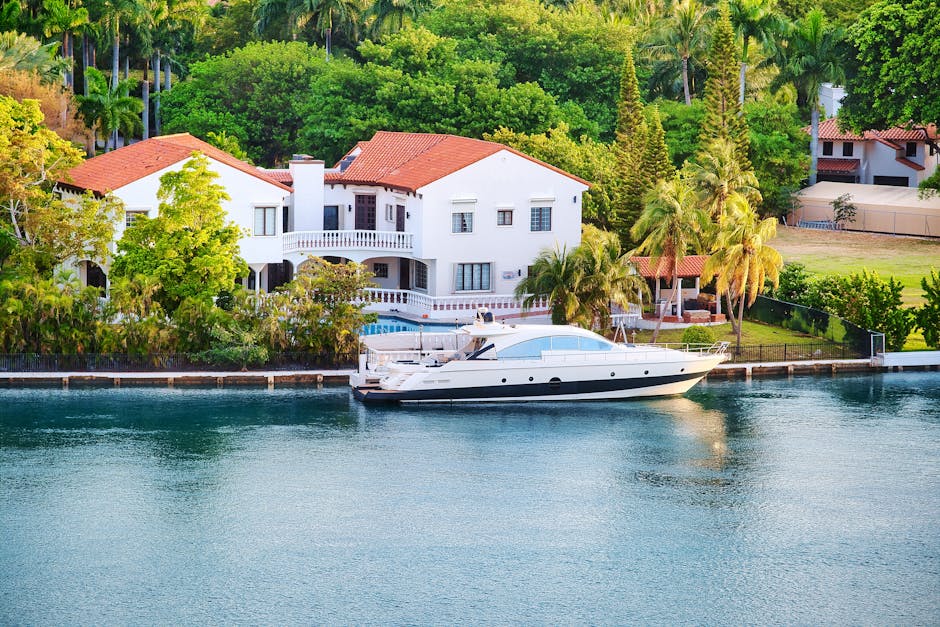
Furthermore, the perceived ceiling of local property values continues to be tested by landmark listings. As noted by the Wall Street Journal, ambitious estate offerings command national attention, while recent data on high-end sales anchors the region’s reputation for substantial wealth preservation. These outlier properties recalibrate expectations across the bay, influencing comparative market analyses for surrounding premium assets.
Neighborhood Dynamics: Evaluating Core Enclaves
Capital deployment within city limits increasingly favors established, mature canopies over speculative developments. South Tampa remains the epicenter for traditional premium property, where the proximity to elite preparatory schools and the metropolitan core sustains intrinsic land values. Neighborhoods such as Hyde Park and Parkland Estates consistently command high price-per-square-foot metrics, driven by finite lot availability and strict historical preservation guidelines that restrict overdevelopment.
Conversely, Bayshore Boulevard offers a different structural asset: uninterrupted, sweeping views of Hillsborough Bay coupled with high-density, full-service condominium living. The buyer profile here prioritizes immediate access to urban infrastructure, robust security protocols, and zero-maintenance exteriors. The valuation of these assets hinges heavily on floor elevation, sightlines, and the architectural pedigree of the building itself, demanding rigorous comparative analysis of recent tower sales.
Culbreath Isles and Beach Park provide an alternative for those seeking deep-water access without compromising mainland convenience. These enclaves attract boating enthusiasts requiring specific draft clearances and protected dockage. Assessing properties in these sectors requires more than standard appraisals; it necessitates a thorough evaluation of seawall integrity, tidal fluctuations, and recent dredging activities, variables that significantly impact long-term holding costs.
The broader market context reveals a clear bifurcation between turnkey perfection and properties requiring renovation. Affluent buyers are currently demonstrating a marked preference for immediate occupancy. Time is the ultimate luxury, and homes that lack modern technological integrations, sophisticated climate control systems, or updated aesthetic finishes are sitting longer on the market, necessitating strategic price adjustments by sellers to attract serious inquiries.
The Waterfront Premium and Regional Connectivity
The appeal of coastal living continues to be the dominant driver for the region’s highest property valuations. The National Law Review recently examined the emergence of the local waterfront as a primary target for sophisticated buyers. This trend is not merely about aesthetic preference; it represents a strategic acquisition of scarce, irreplaceable natural assets. Waterfront properties inherently carry a defensive valuation posture against broader market volatility.
However, waterfront acquisitions demand rigorous due diligence beyond standard inspections. The premium paid for direct access to the Gulf of Mexico or Tampa Bay must be weighed against escalating insurance premiums and evolving municipal building codes. Buyers are increasingly scrutinizing base flood elevations, the resilience of construction materials, and the exact specifications of marine infrastructure before finalizing contracts.
Beyond the immediate shoreline, regional connectivity plays a crucial role in property desirability. The synergy between downtown and surrounding commercial hubs dictates commuter flow and, consequently, residential demand. Executives evaluating relocation often weigh the logistical advantages of living within a twenty-minute radius of the international airport and major corporate centers, effectively establishing geographical boundaries for their property searches.
This dynamic is further influenced by the ongoing corporate migration to the broader coastal region. As business leaders establish footholds in the area, they actively seek residences that facilitate both high-level entertaining and private retreat. The resulting demand for substantial square footage, discrete security profiles, and bespoke amenities continues to shape the architectural priorities of premium home builders.
Strategic Acquisition: The Buyer’s Verification Protocol
Navigating a market with a median entry point approaching two and a half million dollars demands a systematic, dispassionate approach to property evaluation. Relying on emotional resonance or superficial aesthetics often leads to compromised investments. Affluent purchasers must implement a rigorous verification protocol, ensuring that every facet of the property aligns with their functional requirements and long-term asset management strategy.
Before entering negotiations, buyers should formalize their core requirements and establish clear boundaries regarding acceptable property conditions. This structured framework prevents mission creep during the search process and provides a reliable metric against which to evaluate competing properties. The following criteria represent the fundamental pillars of a sound acquisition strategy in the current environment:
- Verify the age and structural integrity of all primary systems, particularly HVAC and roofing.
- Assess the property’s specific flood zone designation and review historical insurance premium data.
- Audit the surrounding neighborhood for pending municipal zoning changes or large-scale commercial developments.
- Confirm the structural capacity and maintenance history of any existing marine infrastructure or seawalls.
- Evaluate the property’s technological infrastructure for compatibility with modern smart-home integrations.
- Review the specific bylaws and financial health of the governing homeowners association, if applicable.
Executing this protocol often requires assembling a team of specialized inspectors, marine engineers, and legal counsel. The initial expense of comprehensive due diligence is negligible compared to the cost of rectifying undisclosed structural deficiencies or navigating restrictive zoning regulations post-closing. A proactive, skeptical posture is the buyer’s most effective defense against compromised acquisitions.
Furthermore, understanding the seller’s specific motivations can significantly inform negotiation tactics. Whether dealing with an estate liquidation, a corporate relocation, or a builder moving standing inventory, identifying the underlying pressure points allows for the structuring of offers that address the seller’s primary concerns—whether that be transaction speed, contingency waivers, or specific closing timelines—while securing favorable terms for the purchaser.
Architectural Shifts and Material Expectations
The visual and structural vernacular of local real estate is undergoing a distinct evolution. The market is pivoting away from heavy, ornate Mediterranean revivals toward clean, transitional, and contemporary designs. This shift is driven by a demographic influx accustomed to specific aesthetic standards, prioritizing open floor plans, abundant natural light, and the seamless integration of indoor and outdoor living spaces.
Material selection has become a critical focal point for discerning buyers. The expectation has moved beyond standard luxury finishes to demand durable, high-performance materials capable of withstanding the local climate without sacrificing sophistication. Features such as impact-rated architectural glass, commercial-grade climate control systems, and resilient exterior cladding are no longer considered upgrades; they are baseline requirements for premium valuations.
The integration of sophisticated home automation systems is similarly non-negotiable for modern acquisitions. Buyers expect intuitive, centralized control over security, lighting, climate, and audio-visual components. Properties lacking this fundamental wiring infrastructure face a distinct disadvantage, as retrofitting these systems often requires invasive and costly renovations that buyers are increasingly reluctant to undertake.
This emphasis on modern functionality extends to the surrounding landscape architecture. Elaborate, high-maintenance gardens are being replaced by drought-tolerant, precisely engineered hardscapes that require minimal upkeep while providing sophisticated venues for outdoor entertaining. The valuation of a property is now heavily influenced by the immediate usability and aesthetic cohesion of its exterior environments.
Cultural Capital: Aligning Real Estate with Civic Fabric
The intrinsic value of a property is inextricably linked to the cultural and civic infrastructure of its surrounding community. Real estate decisions are rarely made in a vacuum; they are heavily influenced by the availability of sophisticated culinary experiences, elite educational institutions, and robust artistic programming. The evolving urban core provides a compelling backdrop for high-end residential investment, offering a dense concentration of these essential amenities.
The activation of the urban waterfront has fundamentally altered the city’s recreational landscape. The continuous development of pedestrian pathways and public green spaces fosters a highly engaged, active community. Access to local cultural events, culinary festivals, and ongoing civic programming provides tangible enhancements to the daily lives of residents, anchoring the long-term desirability of adjacent neighborhoods.
Furthermore, the proximity to professional sports venues and premier performance halls offers a level of entertainment infrastructure typical of much larger metropolitan centers. This concentration of cultural assets appeals directly to a demographic seeking a dynamic, engaged environment without the logistical frictions associated with more congested urban environments. The ability to seamlessly transition from a private residential enclave to an active civic center is a primary driver of local real estate demand.
Ultimately, evaluating a property requires assessing its integration into this broader cultural fabric. A mathematically perfect home isolated from the community’s core amenities often suffers in long-term appreciation compared to a strategically located property that offers immediate access to the city’s evolving cultural narrative. The physical structure is only one component of the broader investment; the surrounding civic context provides the critical foundation for sustained value.
Final Strategic Directives for Buyers and Sellers
As the local market continues to mature and stabilize, both buyers and sellers must adopt a highly analytical, data-driven posture. For sellers, this means pricing assets based on rigorous comparative analysis rather than aspirational targets. Properties must be presented in flawless condition, with all maintenance deferred addressed and aesthetic elements optimized for the current transitional preferences of the affluent demographic.
For buyers, the current environment presents a distinct opportunity to execute methodical, well-researched acquisitions. The expansion of available inventory provides the leverage necessary to insist on architectural quality, structural integrity, and precise geographical alignment. Rushing into a transaction without comprehensive due diligence is entirely unnecessary when the market offers a diverse array of premium options for the patient, disciplined purchaser.
Navigating these complexities requires specialized, local expertise. Understanding the nuances of specific streets, the implications of municipal zoning, and the reality of local construction costs cannot be achieved through algorithmic estimates or casual observation. It requires the guidance of professionals deeply embedded in the daily mechanics of the high-end sector.
To explore the current landscape of available properties and begin formulating a precise acquisition or disposition strategy, we encourage you to browse current luxury inventory. When you require sophisticated, confidential guidance tailored to your specific parameters, contact our advisory team to discuss how we can structure a strategy to achieve your real estate objectives.
Your next move in Tampa luxury
Get current inventory, pricing guidance, and private-tour support from our brokerage team.
Source highlights
- Column: Why executives keep choosing St. Pete – The Business Journals
- Tampa’s Price Record Is $22.5 Million. This Huge Estate Is Asking $115 Million. – WSJ
- Tampa Bay’s most expensive luxury home sales of 2025 – Tampa Bay Times
- Mortgage rates fall to 6.09% as new construction lifts Tampa supply – Tampa Bay Business & Wealth
- Tampa Bay’s Waterfront Emerges as a Primary Luxury Real Estate Market – The National Law Review
- Jennifer Zales Unveils Venetian Isles Waterfront Luxury Now Offered At A New Price – Haute Living
- Things To Do In Tampa This Weekend: Best Festivals & Events Going On – That's So Tampa
- Riverfest and other events take over Tampa this weekend | What to know before you go – wtsp.com



