


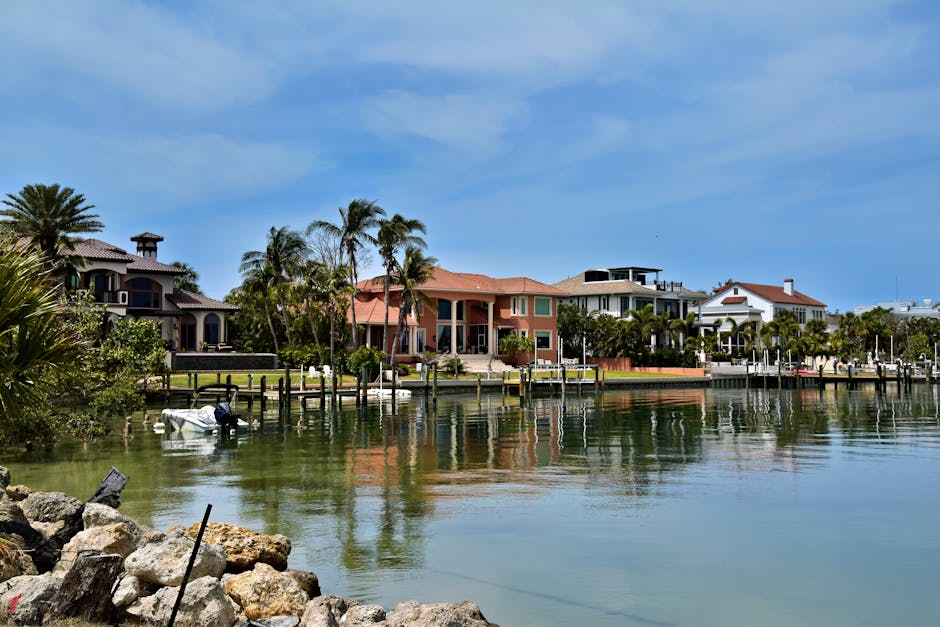
The Executive Migration and Wealth Reallocation
The demographic profile of the Tampa Bay luxury buyer has fundamentally shifted over the past quarter. We are no longer observing a market driven solely by seasonal residents seeking winter retreats. Instead, there is a sustained, permanent migration of C-suite executives and business founders relocating their primary operations and families to the region. This influx of capital is structurally changing demand, particularly in the upper echelons of the market where the average list price now comfortably exceeds three million dollars. Discerning buyers are aggressively targeting legacy properties, prioritizing acreage and architectural pedigree over standard speculative builds.
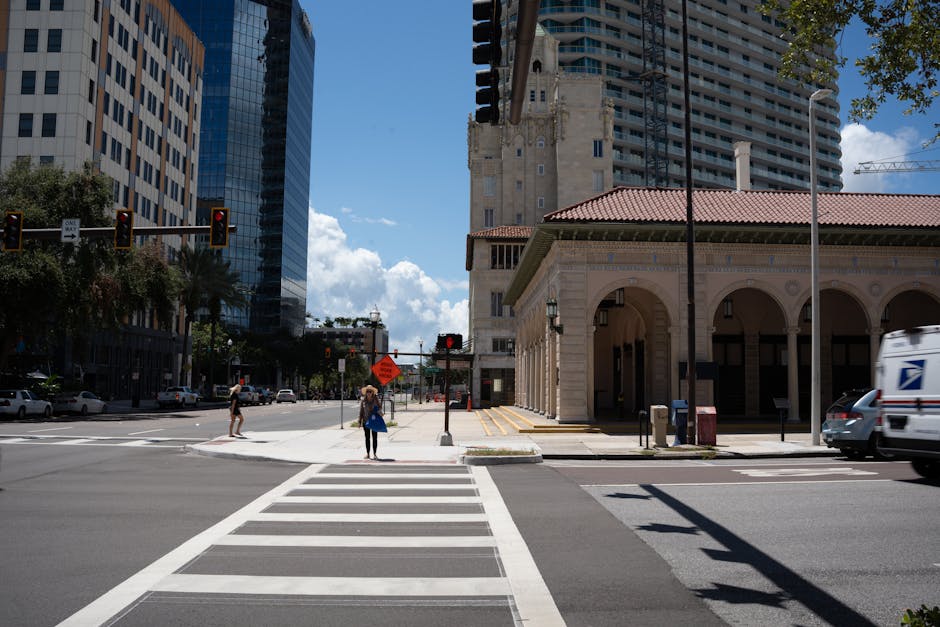
As wealth continues to flow into the region from higher-tax states, the definition of prime real estate is expanding beyond traditional enclaves. The sustained executive migration to areas like St. Pete and Tampa underscores a broader corporate confidence in the local economy. This is not a transient trend; it is a permanent reallocation of corporate and personal assets. Consequently, available inventory in coveted neighborhoods remains constrained, sitting at roughly one hundred and twenty active luxury listings. Buyers entering this environment must arrive fully capitalized and prepared to execute swiftly when a properly valued asset materializes.
Understanding this macroeconomic backdrop is crucial for negotiating leverage. Sellers are acutely aware of the incoming liquidity, which explains the robust median list prices currently hovering near two point five million dollars. To succeed, buyers must detach from national real estate narratives and focus strictly on localized, neighborhood-level data. Broad market trends do not apply to hyper-local micro-markets like South Tampa or the barrier islands, where demand elasticity is remarkably low and inventory is closely guarded.

The Dominance of Waterfront Acquisitions
Coastal proximity has always commanded a premium, but the current market treats navigable waterfront not merely as a feature, but as an indispensable asset class. Buyers are increasingly viewing these properties through the lens of long-term capital preservation. Tampa Bay’s waterfront has solidified its position as a primary luxury market, diverging from its historical status as a secondary or vacation home destination. This shift requires a more sophisticated approach to valuation, one that accounts for the intrinsic value of the land and its riparian rights separately from the physical structure.
In neighborhoods such as Davis Islands or Venetian Isles, the land value often dictates the transaction more than the existing architecture. We are advising clients to evaluate properties based on linear waterfront footage, water depth at low tide, and proximity to open bay access. A structure can be modified or rebuilt; the geographical positioning and navigational ease cannot. This perspective fundamentally alters the negotiation strategy, shifting the focus from interior finishes to environmental and locational permanence.
Furthermore, the regulatory environment surrounding waterfront development is becoming increasingly stringent. Understanding the local constraints on dock expansion, dredging, and impervious surface limits is non-negotiable before executing a contract. Buyers who fail to account for these regulatory nuances often find themselves holding an underperforming asset. An astute acquisition strategy anticipates these hurdles during the initial property selection phase, ensuring the asset aligns with the buyer’s long-term utilization goals without requiring extensive permitting battles.
Navigating Inventory Constraints and Construction
Despite the influx of high-net-worth individuals, the Tampa luxury market is experiencing nuanced shifts in supply dynamics. While established, legacy neighborhoods remain tightly held, developers are responding to the demand by bringing new, high-end construction to market. Recent reports indicate that new construction is beginning to lift Tampa’s overall housing supply. However, this new inventory is often concentrated in emerging luxury corridors rather than the historically entrenched enclaves that command the highest premiums.
For buyers, this presents a strategic divergence. You can either compete aggressively for rare vacancies in established communities, accepting the premium and potential need for renovation, or you can pivot toward new construction where modern engineering and current building codes offer immediate structural confidence. The latter option often provides superior energy efficiency and resilience, particularly against extreme weather events. The decision hinges entirely on the buyer’s timeline and appetite for project management versus turnkey readiness.
It is also critical to analyze the carrying costs associated with these properties. While the macroeconomic environment has seen slight adjustments in borrowing costs, affluent buyers in this tier are frequently utilizing alternative financing structures or cash acquisitions to bypass traditional lending friction. The true holding cost is often dictated by insurance premiums and property tax reassessments upon closing. Failing to model these operational expenses accurately is a common error among unadvised purchasers entering the Florida market.
Essential Due Diligence for Coastal Assets
Acquiring luxury real estate, particularly on the water, requires a forensic approach to due diligence. The aesthetic appeal of a property must immediately take a back seat to its structural and environmental viability. Relying solely on standard home inspections is insufficient for properties transacting in the multi-million dollar range. Buyers must deploy a team of specialized engineers and consultants to verify the asset’s integrity comprehensively before committing capital.
We mandate that our clients execute a rigorous evaluation protocol before finalizing any acquisition. The following criteria represent the baseline requirements for a secure transaction in this market segment:
- Verify the structural integrity and remaining lifespan of existing seawalls, docks, and pilings via a licensed marine contractor.
- Assess current elevation certificates and verify the property’s specific flood zone designation to accurately model risk.
- Review all municipal ordinances regarding allowable architectural expansions, impervious surface limits, and setback requirements.
- Analyze micro-market comparable sales, adjusting heavily for linear waterfront footage and direct bay access rather than just square footage.
- Confirm the immediate availability and precise cost of comprehensive coastal, wind, and flood insurance policies before the inspection period expires.
Completing this checklist mitigates the hidden liabilities that frequently accompany high-end coastal real estate. Properties that fail these rigorous assessments should either be renegotiated to reflect the required capital expenditures or abandoned entirely. In this tier of the market, preserving capital through disciplined risk management is just as critical as the acquisition itself. Emotion must be categorically removed from the underwriting process.
The Significance of High-End Appraisals and Valuations
Valuing ultra-luxury real estate in Tampa is not a linear mathematical exercise. Standard appraisal models frequently fail to capture the nuanced premiums associated with specific architectural provenance, unique lot topography, or unreplicable views. When assessing properties, such as a premier estate on Troutwater Lane asking over two and a half million, or a significant commercial-residential compound on North Florida Avenue, historical sales data often lags behind real-time market sentiment.
Buyers must understand that list prices in the upper quartile—often exceeding eight to ten million dollars—are frequently aspirational rather than empirical. An effective advisor dissects the pricing strategy, separating the seller’s emotional premium from the asset’s intrinsic market value. This requires cross-referencing recent off-market transactions, which often account for a significant percentage of high-end volume, to establish a credible baseline. Without this proprietary data, buyers are negotiating blindly and risk substantial overpayment.
Furthermore, the velocity of the market dictates valuation. A property lingering on the market for over ninety days in a high-demand environment signals a fundamental pricing disconnect or a structural flaw. Conversely, correctly priced assets in prime locations are routinely commanding multiple offers within their first week of exposure. Recognizing these market signals allows buyers to formulate aggressive, data-backed offers that command the seller’s attention while meticulously protecting their downside risk.
Integrating into the Local Fabric
Beyond the financial mechanics of the transaction, evaluating a property requires an assessment of its surrounding infrastructure and lifestyle integration. The luxury experience is intrinsically tied to the efficiency and caliber of the neighborhood’s amenities. For executives relocating their families, proximity to top-tier private education, specialized healthcare facilities, and private aviation hubs is often as heavily weighted as the property itself.
Tampa’s cultural and social calendar also plays a role in neighborhood selection. Areas offering immediate access to the urban core without sacrificing privacy are highly coveted. For instance, prominent events like Riverfest highlight the active, interconnected nature of downtown Tampa, driving demand for adjacent luxury condominiums and townhomes. Buyers must align their real estate acquisition with their anticipated lifestyle cadence, ensuring the location facilitates their daily operational requirements and social engagements seamlessly.
We advise clients to spend significant time analyzing the traffic patterns and connectivity of their targeted neighborhoods during peak hours. A waterfront estate loses its utility if the daily commute to the commercial district is unmanageable or if access to major thoroughfares is severely restricted. By mapping these logistical realities prior to acquisition, buyers ensure their new asset enhances their operational efficiency rather than hindering their daily routines.
Orchestrating a Successful Acquisition
Entering the Tampa luxury market requires a highly structured, analytical approach. The days of casual browsing and speculative offers have been replaced by a demand for rigorous underwriting and aggressive, informed negotiation. Buyers who treat their real estate acquisitions with the same scrutiny as their corporate investments are the ones who secure the most advantageous positions in this highly competitive and rapidly evolving landscape.
Your strategy must be proactive, not reactive. It involves establishing clear acquisition criteria, pre-positioning capital, and assembling a team capable of executing complex due diligence within compressed timeframes. Whether you are targeting a historic estate in a legacy neighborhood or securing a modern architectural marvel on the open bay, success depends entirely on the caliber of your preparation and the localized expertise of your advisory team.
To begin defining your acquisition strategy and reviewing the current off-market and active inventory, explore our curated portfolio of Tampa luxury homes for sale. When you are ready to initiate a formal market analysis and discuss your specific requirements, contact our advisory team to schedule a private consultation. We provide the discrete, data-driven representation required to navigate this sophisticated market effectively.
Your next move in Tampa luxury
Get current inventory, pricing guidance, and private-tour support from our brokerage team.
Source highlights
- Column: Why executives keep choosing St. Pete – The Business Journals
- Tampa’s Price Record Is $22.5 Million. This Huge Estate Is Asking $115 Million. – WSJ
- Tampa Bay’s most expensive luxury home sales of 2025 – Tampa Bay Times
- Mortgage rates fall to 6.09% as new construction lifts Tampa supply – Tampa Bay Business & Wealth
- Tampa Bay’s Waterfront Emerges as a Primary Luxury Real Estate Market – The National Law Review
- Jennifer Zales Unveils Venetian Isles Waterfront Luxury Now Offered At A New Price – Haute Living
- Things To Do In Tampa This Weekend: Best Festivals & Events Going On – That's So Tampa
- Riverfest and other events take over Tampa this weekend | What to know before you go – wtsp.com



