


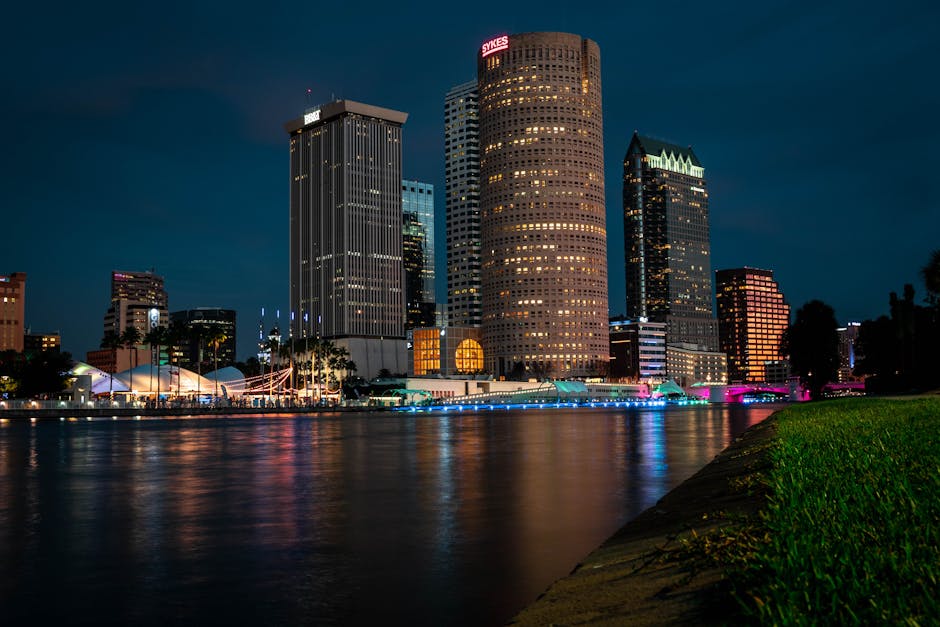
The Structural Shift in Tampa Real Estate Valuation
Tampa’s transition from a regional Florida hub to a global contender for discretionary capital is no longer a forecast—it is the current reality. As of early May 2026, the market has established a new floor that reflects a structural shift in buyer profiles. The recent listing of a massive estate for $115 million, as detailed by the Wall Street Journal, signals that Tampa is now capable of absorbing inventory once reserved for the ultra-wealthy enclaves of Palm Beach or the Hamptons. This record-breaking ask is not an outlier; it is a benchmark for a maturing ecosystem.
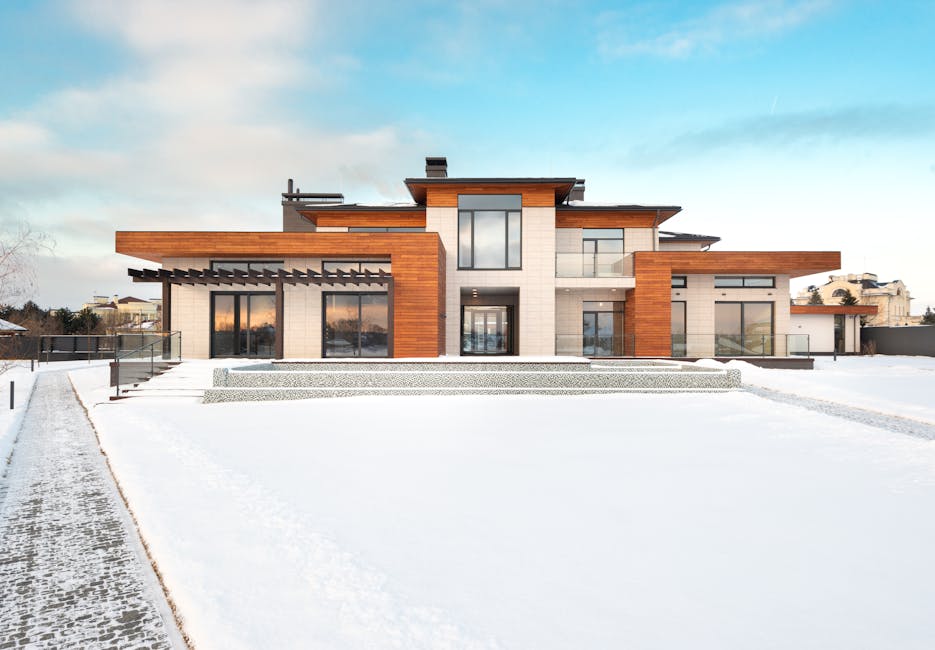
For the senior advisor, understanding this shift requires looking beyond simple appreciation. We are seeing a compression in the luxury segment where the distinction between seasonal and primary residences has blurred. Affluent buyers are now committing to Tampa as their permanent base, driven by a combination of infrastructure improvements and the densification of high-end amenities. This movement is reflected in the current inventory, where the median list price has climbed to $2,498,800, while the average sits significantly higher at $3,172,412, indicating a heavy concentration of value at the peak of the market.
The velocity of these transactions has remained steady despite broader macroeconomic fluctuations. With approximately 120 active luxury listings available, the market maintains a level of scarcity that supports price stability. Buyers are increasingly sophisticated, prioritizing long-term asset preservation over speculative gains. This is why a detailed analysis of neighborhood-level data is essential before committing to a purchase in high-demand areas like Davis Islands or Hyde Park.
Executive Migration and the Rise of St. Pete
Institutional migration is a primary driver of the current market cycle. It is not merely retirees moving south; it is a concentrated influx of C-suite leadership and tech founders. The Business Journals recently highlighted why executives continue to choose St. Pete and the greater Tampa region for their operations and residences. This migration brings with it a demand for bespoke residences that can facilitate both high-level professional functions and private family life.
Neighborhoods such as Culbreath Isles and Beach Park have seen a surge in interest from these profiles. These buyers often bypass the standard search process, looking for off-market opportunities or properties that offer specific security and privacy features. The influx of human capital from high-tax jurisdictions has permanently altered the social and economic fabric of the region, creating a self-sustaining cycle of luxury demand. As these executives relocate their firms, they bring a secondary wave of high-earning management, further insulating the local market from volatility.
This trend is not limited to traditional single-family homes. The expansion of high-end office space in Water Street and Midtown has created a demand for proximity that was previously unseen in the Tampa market. We are seeing a premium being placed on properties that offer a seamless transition between the metropolitan core and quiet residential streets. This integration of work and life is a hallmark of the modern Tampa buyer, who values efficiency and design as much as square footage.
The Emergence of Waterfront as a Primary Market
Perhaps the most significant change in the 2026 landscape is the reclassification of waterfront property. As noted by the National Law Review, Tampa Bay’s waterfront has emerged as a primary luxury real estate market rather than a seasonal one. This shift has profound implications for how these assets are valued and maintained. Buyers are now prioritizing advanced engineering, such as elevated foundations and storm-resilient glass, over purely aesthetic upgrades.
In areas like Venetian Isles, we are seeing a trend toward total property renovation. High-net-worth individuals are purchasing older waterfront assets and investing millions in modernizing them to meet current code and lifestyle expectations. This ‘buy-and-build’ strategy is a response to the limited supply of turn-key modern waterfront estates. The market for deep-water access remains particularly competitive, as owners of large vessels seek dockage that can accommodate modern drafts and widths.
Understanding the nuances of riparian rights and coastal construction lines is now a mandatory part of the buyer’s due diligence. The sophistication of the average waterfront transaction has increased, with legal and engineering teams often involved early in the process. For those looking to secure a legacy property, the focus has shifted from mere location to the structural integrity and long-term viability of the site itself. This rigorous approach ensures that the investment remains secure as coastal standards continue to evolve.
Critical Considerations for the 2026 Luxury Buyer
Navigating a market with a $3.1 million average price point requires more than a casual glance at listings. The current environment favors the disciplined investor who understands the intersection of land value and architectural replacement cost. Before finalizing any offer, a strategic advisor must verify several key metrics that go beyond the surface of the home. These factors determine the true ‘hold value’ of a property in a competitive Florida landscape.
- Verification of elevation certificates and compliance with updated FEMA flood maps.
- Assessment of private dockage permits and the depth of navigable channels at mean low tide.
- Review of historical preservation requirements in districts like Old Hyde Park.
- Analysis of recent appraisal gaps in high-velocity waterfront corridors.
- Evaluation of non-ad valorem assessments and long-term tax implications.
- Inspection of smart-home integration and off-grid power redundancy systems.
The complexity of these transactions means that the ‘entry price’ is only one part of the equation. Buyers must account for the increasing costs of insurance and the premium placed on hardened structures. In many cases, the value of the land in prime locations like Bayshore Boulevard is outstripping the value of the improvements, leading to a new wave of architectural innovation. Decisions made today should be viewed through the lens of a five-to-ten-year horizon, focusing on assets that will remain desirable as the market matures further.
The Evolution of the Vertical Luxury Market
While the focus often remains on sprawling estates, the vertical market in Tampa is undergoing its own transformation. Experts at Tampa Bay Business & Wealth have analyzed why Tampa remains an early-stage luxury condo market compared to Miami or Naples. This ‘early-stage’ designation is actually a benefit for the 2026 buyer, as it suggests a longer runway for growth and the opportunity to acquire prime units in buildings that are setting new standards for the city.
We are seeing a move away from the ‘cookie-cutter’ high-rise toward boutique developments that offer high levels of service and privacy. The demand for ‘lock-and-leave’ lifestyle solutions is growing among those who may have multiple properties across the country. These buyers expect 24-hour concierge services, private elevators, and climate-controlled storage—amenities that were rare in Tampa a decade ago. The success of projects in the Water Street district has proven that there is a deep appetite for luxury living that doesn’t require the maintenance of a traditional yard.
The investment in these vertical communities is also driven by the desire for walkability. The ability to access world-class dining, cultural events, and professional services without a vehicle is a new luxury in the Tampa market. As the urban core becomes more dense and sophisticated, the value of these centrally located units is expected to track closely with the overall growth of the city’s economic base. For those transitioning from larger homes, these units provide a way to downsize square footage without sacrificing the quality of their environment.
Lifestyle Integration and Cultural Infrastructure
The valuation of luxury real estate is inextricably linked to the cultural health of the surrounding community. Events such as Riverfest, as reported by WTSP, demonstrate the vibrancy and community engagement that define modern Tampa. For the affluent buyer, these festivals and events are more than just entertainment; they are markers of a city that is investing in its own public spaces and quality of life.
The shift toward an ‘experience-based’ real estate market means that proximity to these cultural anchors is a significant price driver. Whether it is the expansion of the Riverwalk or the revitalization of historic theaters, the city’s commitment to its urban fabric adds a layer of intangible value to nearby residential assets. This is particularly evident in the 2026 market, where buyers are looking for a sense of place and belonging that goes beyond the four walls of their home.
Furthermore, the growth of the local culinary scene and the influx of Michelin-recognized establishments have elevated Tampa’s status on the national stage. This cultural maturation supports the high property valuations we see in 2026. When a buyer looks at a property like 718-722 W Dr Martin Luther King Jr Boulevard or 6304 N Florida Avenue, they are not just looking at the building; they are assessing the trajectory of the neighborhood. This holistic view of the market is what separates the successful investor from the casual observer.
Strategic Outlook for the Discerning Advisor
In a market where the median price is $2.5 million, the role of the advisor is to provide clarity amidst the noise. The 2026 landscape is defined by a flight to quality. While the number of active listings remains low at 120, the diversity of the inventory—from commercial sale land to residential estates—requires a nuanced approach to acquisition. Decisions should be based on a combination of hard data, such as recent sales of properties like 2 Troutwater Ln, and qualitative insights regarding neighborhood momentum.
The next phase of Tampa’s growth will likely be characterized by further institutional investment and the continued professionalization of the real estate sector. As the city continues to attract global attention, the window for acquiring prime assets in established neighborhoods will become increasingly narrow. The current balance of supply and demand favors the decisive buyer who has a clear understanding of their long-term objectives. Focusing on structural integrity, location-based scarcity, and cultural proximity will remain the most effective strategy for capital preservation.
To navigate this complex environment, it is essential to have access to the most current inventory and a team that understands the subtleties of the Tampa market. We invite you to explore the current selection of luxury homes for sale and connect with our team to discuss your specific requirements. Whether you are looking for a primary waterfront estate or a sophisticated urban residence, we provide the analytical guidance needed to make an informed decision. Please contact an advisor today to begin a private consultation tailored to your portfolio objectives.
Your next move in Tampa luxury
Get current inventory, pricing guidance, and private-tour support from our brokerage team.
Source highlights
- Column: Why executives keep choosing St. Pete – The Business Journals
- Tampa’s Price Record Is $22.5 Million. This Huge Estate Is Asking $115 Million. – WSJ
- Tampa Bay’s most expensive luxury home sales of 2025 – Tampa Bay Times
- Why Tampa remains an early-stage luxury condo market – Tampa Bay Business & Wealth
- Jennifer Zales Unveils Venetian Isles Waterfront Luxury Now Offered At A New Price – Haute Living
- Tampa Bay’s Waterfront Emerges as a Primary Luxury Real Estate Market – The National Law Review
- Things To Do In Tampa This Weekend: Best Festivals & Events Going On – That's So Tampa
- Riverfest and other events take over Tampa this weekend | What to know before you go – wtsp.com



