


The Structural Shift Toward a Primary Market Destination
The Tampa luxury residential sector has undergone a fundamental transformation, transitioning from a secondary vacation market into a robust, year-round primary destination for high-net-worth individuals. This shift is driven by a convergence of favorable tax environments, significant infrastructure investment, and a growing concentration of corporate leadership relocating to the region. Unlike historical cycles where luxury demand was seasonal, the current environment reflects a permanent migration of capital and human talent, stabilizing valuations across elite neighborhoods like Davis Islands, Hyde Park, and Bayshore Boulevard.
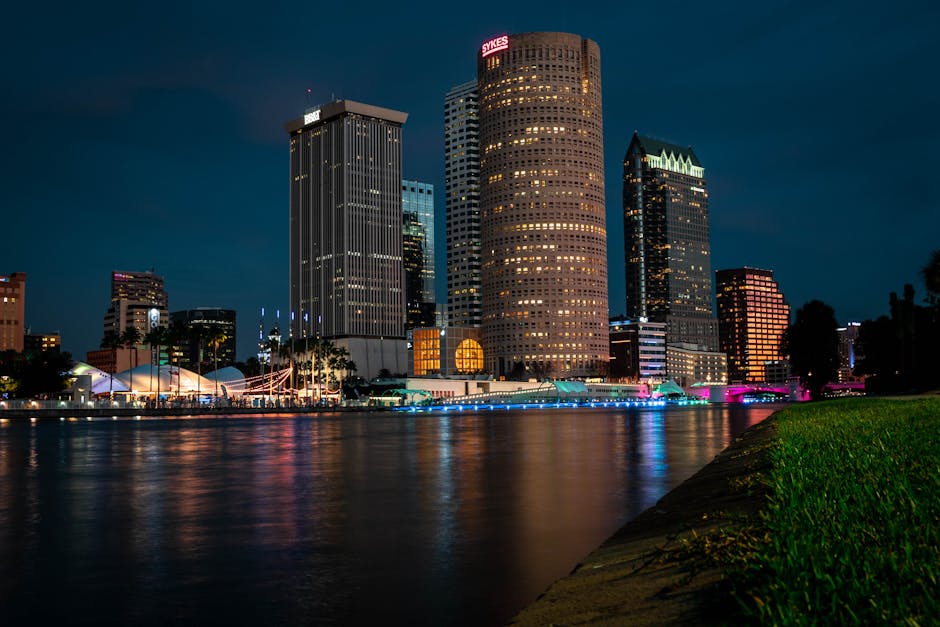
Data indicates that Tampa’s waterfront has emerged as a primary luxury real estate market, attracting buyers who prioritize long-term residential utility over speculative investment. This maturity is evidenced by the sophistication of new construction and the renovation of legacy estates to meet the standards of global cities. For advisors and buyers alike, the focus has moved beyond simple aesthetic appeal toward a rigorous analysis of structural integrity, smart-home integration, and proximity to the region’s expanding professional hubs.
As the market matures, the definition of value is being recalibrated. Buyers are no longer merely looking for square footage; they are seeking high-yield residential assets that offer a seamless blend of privacy and connectivity. The expansion of professional services and the influx of executive leadership from major financial centers have created a new tier of demand that remains relatively insulated from broader economic volatility. This trend suggests a long-term upward trajectory for the region’s most exclusive residential corridors.
Analyzing Inventory Scarcity and Pricing Benchmarks
Current market conditions reveal a highly disciplined inventory landscape. With approximately 120 active luxury units currently available, the market is characterized by selective supply rather than saturation. The average list price has stabilized around $3,172,412, reflecting a significant appreciation in land value and construction costs. This scarcity is particularly acute in the waterfront segment, where available parcels are increasingly rare, leading to a competitive environment for estates that meet modern technical specifications.
Recent high-profile movements underscore this price elasticity. While the city’s current price record stands at $22.5 million, the market is currently seeing estates entering the market with significantly higher valuations, signaling a new ceiling for the region’s elite tier. Acquisitions such as the properties on Troutwater Lane or the expansive holdings in the North Florida Avenue corridor demonstrate that buyers are willing to commit substantial capital for unique assets that offer both privacy and architectural distinction.
The median list price of approximately $2.5 million serves as a baseline for the entry-level luxury segment, yet it is the upper-decile sales that are truly defining the market’s future. These transactions are often handled off-market or through private placement, requiring a sophisticated advisory approach to navigate. Understanding the nuances between a $2.6 million acquisition and a $10 million estate requires more than a review of MLS data; it requires an intimate knowledge of neighborhood-level micro-trends and future development plans.
Executive Migration and the St. Petersburg-Tampa Synergy
The growth of the luxury residential sector is intrinsically linked to the commercial expansion of the Tampa Bay region. A significant driver of high-end home sales is the continued migration of corporate executives who choose the region for its operational efficiencies and lifestyle advantages. This corporate influx has created a halo effect, where the demand for premium housing in South Tampa and Downtown is complemented by a burgeoning luxury market in St. Petersburg, creating a bi-coastal luxury corridor that is unique to the Gulf Coast.
This synergy is most visible in the demand for properties that offer easy access to the region’s main commercial arteries and private aviation facilities. Executives are increasingly prioritizing locations that minimize commute times to the Westshore Business District or the burgeoning Water Street development while maintaining the seclusion of a traditional estate. This has led to a compression of demand in highly specific areas, where the proximity to both professional opportunities and high-end amenities like the Riverwalk or Bayshore creates a premium on every acre.
Furthermore, the diversification of the local economy—ranging from technology and healthcare to finance and aerospace—provides a broad base of support for the real estate market. This economic diversity ensures that the luxury sector is not overly reliant on any single industry, providing a level of resilience that is often missing in other high-end markets. For the strategic buyer, this commercial stability is a critical factor in the long-term valuation of a residential asset.
Tactical Framework for Luxury Acquisitions
Successful acquisition in the current Tampa market requires a rigorous due diligence process that extends beyond the standard home inspection. The complexity of waterfront regulations, coastal construction standards, and local zoning nuances demands a specialized approach. Strategic buyers should focus on the following critical elements during the evaluation phase to ensure the long-term viability of their investment.
- Verify the structural integrity of seawalls and dockage facilities, particularly in older estates on Davis Islands or Snell Isle.
- Conduct a detailed review of elevation certificates and current flood insurance requirements to mitigate long-term carrying costs.
- Analyze neighborhood-level zoning trends to identify potential future developments that could impact privacy or views.
- Assess the technical capacity of the home’s infrastructure, including backup power systems and high-capacity security integrations.
- Evaluate recent comparable sales in the $2M to $5M range to establish a precise valuation baseline for the specific micro-neighborhood.
- Review historical tax assessments and potential portability benefits to optimize the fiscal structure of the acquisition.
By adhering to this framework, buyers can move beyond the emotional aspects of a property and focus on the technical and financial realities of the asset. In a market where high-profile sales are increasingly frequent, having a data-backed checklist is the most effective way to ensure a successful outcome. This analytical approach is what distinguishes a senior advisor from a standard real estate agent, providing the clarity needed to make high-stakes decisions with confidence.
The Impact of New Construction and Modern Design Standards
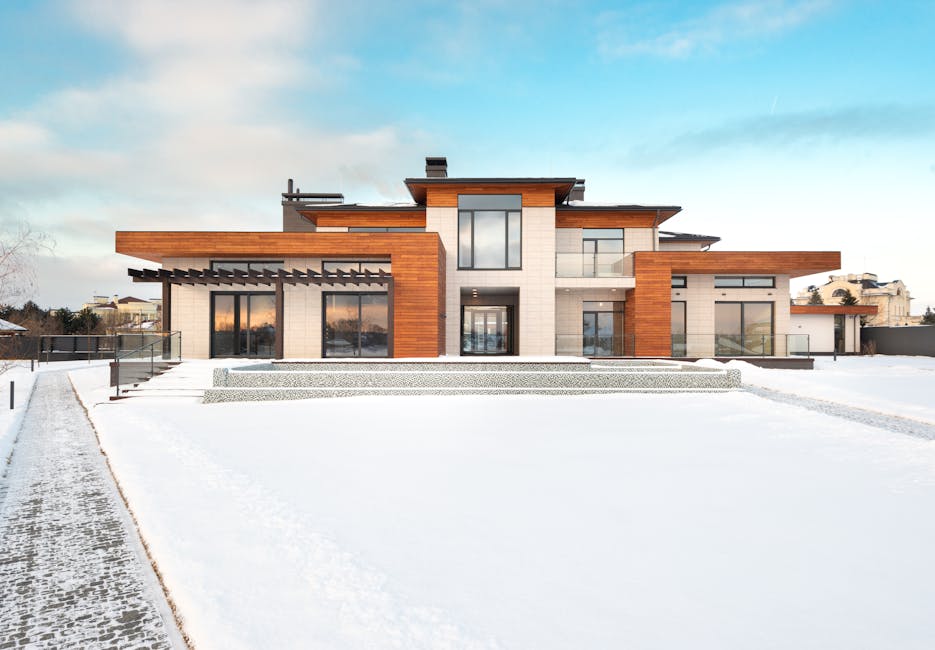
A notable trend in the 2026 market is the rise of new construction as a primary driver of supply. While legacy estates hold historical value, a new generation of buyers is prioritizing modern architectural styles, floor-to-ceiling glass, and sustainable building materials. This has led to a surge in spec-built luxury homes that are designed specifically to meet the expectations of the modern executive. According to recent reports, new construction is lifting the luxury supply in Tampa, even as mortgage rates oscillate around the 6% mark.
These new builds are often characterized by a focus on indoor-outdoor living, with expansive terrace spaces and integrated pool decks that capitalize on the region’s subtropical climate. The use of advanced building technologies, such as impact-resistant glazing and reinforced concrete systems, has become the standard for any property in the $3M+ category. For buyers, these features represent more than just modern luxury; they are essential components of a risk-mitigation strategy in a coastal environment.
The shift toward modern design is also reflected in the interior finishes, where there is a clear preference for minimalist aesthetics and high-performance kitchen systems. This evolution in taste has created a divergence in the market: properties that have been meticulously updated or newly built command a significant premium, while older estates that require renovation are being valued primarily for their land. Understanding this distinction is vital for buyers who are comparing disparate options in neighborhoods like Culbreath Isles or Beach Park.
Market Resilience and Financial Absorption
Despite shifts in the broader macroeconomic environment, the Tampa luxury market has demonstrated remarkable resilience. This stability is largely due to the high percentage of cash transactions and the substantial equity positions held by buyers in this segment. While the most expensive luxury home sales of 2025 set a high bar, the 2026 data shows a continuation of this trend, with absorption rates remaining steady for well-priced, high-quality assets. The market is currently absorbing inventory at a pace that suggests a healthy balance between buyers and sellers.
For the strategic investor, the focus should be on properties that offer long-term scarcity value. Waterfront parcels, estates on large acreage, and properties within walking distance of key amenities like the Hyde Park Village shopping district continue to outperform the broader market. These assets tend to maintain their value even during periods of interest rate volatility, as the demand for premier locations remains constant. The ability to identify these “high-conviction” assets is the hallmark of a sophisticated market participant.
Ultimately, the decision to acquire a luxury property in Tampa should be viewed through a multi-year lens. While short-term market fluctuations are inevitable, the fundamental drivers of the region’s growth—population influx, commercial expansion, and infrastructure development—remain strong. By focusing on the structural and geographic advantages of a property, buyers can position themselves to benefit from the continued evolution of Tampa as a global primary residence hub.
Navigating the Future of Tampa Luxury
As the market continues to evolve, the importance of expert guidance cannot be overstated. Navigating the complexities of high-end acquisitions requires a partner who understands the data, knows the off-market opportunities, and can provide a level of analytical insight that goes beyond the surface level. Whether you are looking for a waterfront estate in Venetian Isles or a modern architectural masterpiece in the heart of South Tampa, the key to success lies in a disciplined, information-first approach.
The current landscape offers a unique window of opportunity for buyers who are prepared to act decisively. With a limited supply of truly exceptional homes and a growing pool of global interest, the competition for the region’s best assets will only intensify. To make an informed decision, it is essential to have access to the most current inventory data and a nuanced understanding of the local market dynamics. This is not about finding a house; it is about securing a legacy asset in one of the country’s most resilient markets.
We invite you to explore our curated selection of current opportunities and engage with our team for a confidential advisory session. Our focus is on providing the technical expertise and market intelligence required to navigate the Tampa luxury sector with precision. To begin your search or to discuss a strategic acquisition, please browse our luxury listings and contact an advisor today to schedule a private consultation.
Your next move in Tampa luxury
Get current inventory, pricing guidance, and private-tour support from our brokerage team.
Source highlights
- Column: Why executives keep choosing St. Pete – The Business Journals
- Tampa’s Price Record Is $22.5 Million. This Huge Estate Is Asking $115 Million. – WSJ
- Tampa Bay’s most expensive luxury home sales of 2025 – Tampa Bay Times
- Mortgage rates fall to 6.09% as new construction lifts Tampa supply – Tampa Bay Business & Wealth
- Jennifer Zales Unveils Venetian Isles Waterfront Luxury Now Offered At A New Price – Haute Living
- Tampa Bay’s Waterfront Emerges as a Primary Luxury Real Estate Market – The National Law Review
- Things To Do In Tampa This Weekend: Best Festivals & Events Going On – That's So Tampa
- Riverfest and other events take over Tampa this weekend | What to know before you go – wtsp.com



