


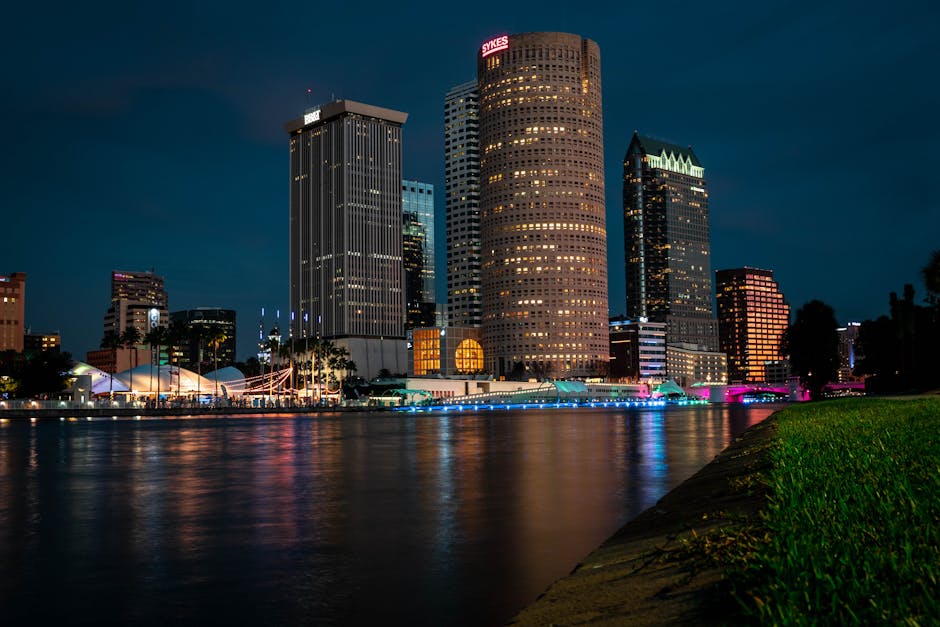
Navigating the 2026 Tampa Luxury Real Estate Landscape
As of May 2026, the Tampa luxury market presents a sophisticated environment for high-net-worth buyers. With approximately 120 active luxury listings, the inventory reflects a transition toward ultra-premium assets. The current average list price stands at $3,172,412, while the median list price of $2,498,800 serves as a more accurate benchmark for entry-level luxury in neighborhoods like South Tampa and Davis Islands. This pricing floor indicates a resilient market supported by sustained executive migration and a limited supply of turn-key waterfront estates.
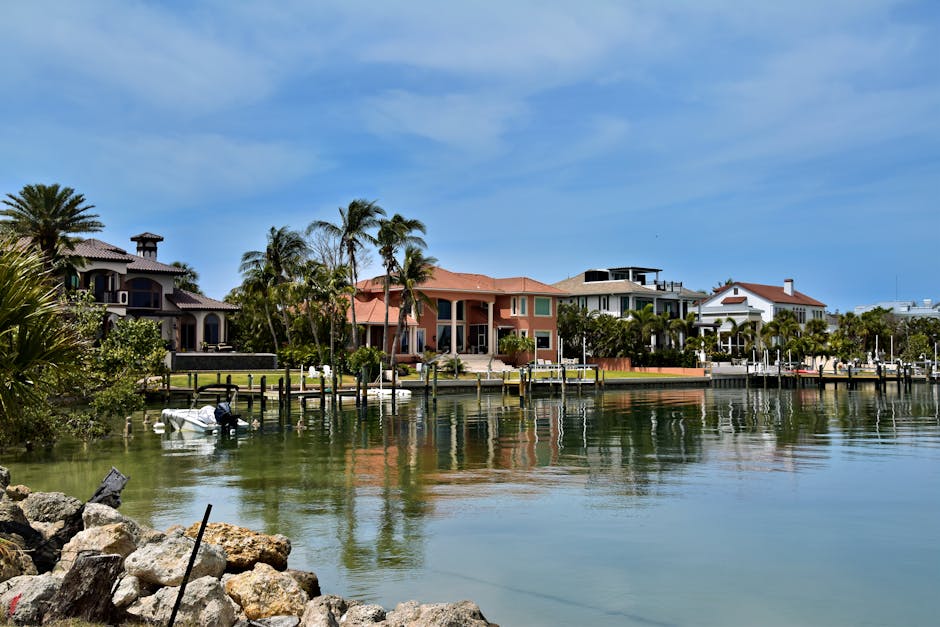
For those currently evaluating luxury homes for sale, the focus has shifted from mere square footage to architectural integrity and technological infrastructure. Buyers are no longer settling for generic renovations; they are seeking estates with integrated smart-home ecosystems, advanced climate resilience, and proximity to the region’s evolving financial hubs. The movement of capital into the Tampa Bay area is driven largely by tax advantages and the high quality of life found in established enclaves like Hyde Park and Westshore.
Market velocity remains steady despite broader economic shifts. Properties priced correctly—particularly those on the water or within the historical districts of Hyde Park—are seeing competitive interest. We observe a trend where buyers are prioritizing long-term equity over short-term speculation. This stability is a hallmark of the Tampa market, which has matured significantly over the last decade, transforming from a secondary vacation destination into a primary residence hub for global wealth.

The Executive Migration: Why St. Pete and Tampa Lead the Corridor
The geographic boundaries between Tampa and St. Petersburg are blurring for many affluent buyers. The influx of financial services and tech executives has created a corridor of demand that spans the entire bay. According to reports on why executives keep choosing St. Pete, the draw is a combination of professional opportunity and more manageable density compared to Miami or Fort Lauderdale. This influx has directly impacted inventory levels in Tampa, as executives often split their search between the two cities based on maritime access and school district rankings.
We are seeing a notable increase in multi-generational family compounds. Affluent buyers are frequently looking for adjacent lots or secondary guest houses to accommodate extended family members or private staff. This shift is particularly evident in areas with larger lot sizes, such as Culbreath Isles or the more rural luxury pockets in North Tampa. The demand for privacy and secure perimeters has become a top priority, often outweighing traditional amenities like home theaters or wine cellars.
Furthermore, the development of corporate headquarters in Water Street Tampa has created a localized demand for ultra-luxury penthouses. Executives who require easy access to the airport and the downtown business district are favoring the low-maintenance, high-security aspect of vertical luxury. This maturation of the market suggests that the region’s growth is not merely a post-pandemic surge but a permanent realignment of where the country’s high-net-worth individuals choose to reside and conduct business.
Maturity of the High-End Condo Market
Tampa is no longer in the early stages of luxury condo development. The market has moved into a second phase of maturation where buyers are discerning between standard high-rises and true ultra-luxury offerings. As noted by Tampa Bay Business & Wealth, the transition from an early-stage market to a seasoned one means that service levels and architectural pedigrees are now the primary drivers of value. Amenities that were once considered premium, such as 24-hour concierge service and private elevators, are now standard expectations for units priced above $5,000,000.
The concentration of these developments along Bayshore Boulevard and within the Water Street district has created a new skyline. These units offer a lifestyle alternative to the traditional South Tampa estate, appealing particularly to those who spend significant time traveling. The security protocols and the ability to “lock and leave” are significant advantages for buyers who maintain multiple residences globally. We are observing that these condo owners are often influential figures in the local economy, using their residences as both homes and entertainment spaces for high-level networking.
Price appreciation in this sector has stabilized, moving away from the rapid gains seen in 2022-2024 toward a more predictable 4-6% annual increase. This stabilization is healthy, allowing for a more transparent valuation process. Prospective buyers should focus on the quality of the homeowner association (HOA) and the long-term maintenance schedule of the building. In a coastal environment, the structural integrity and insurance ratings of high-rise buildings are as critical to the valuation as the view from the balcony.
Ultra-Luxury Inventory and Record-Breaking Estates
The ceiling of the Tampa market continues to rise. While the regional price record was once set at $22.5 million, the introduction of estates asking significantly more—sometimes exceeding $100 million—signals a new era of ultra-luxury. The Wall Street Journal reports that these massive estates are redefining what is possible in the Florida market. This trend is not limited to a single neighborhood but is appearing in unique waterfront locations across the bay area.
Large-scale properties like those on Troutwater Lane, priced at $2,650,000, represent the mid-market luxury tier that remains the most active. However, it is the trophy assets that generate the most headlines and influence the appraisal values of neighboring homes. For sellers, this means that professional staging and world-class marketing are no longer optional. For buyers, it requires a senior advisor who can navigate off-market inventory and provide historical context on valuation to ensure they are not overpaying during a peak interest cycle.
The buyer behavior for these ultra-luxury assets is highly analytical. These are individuals who often have complex financial structures and require discretion. Many transactions occur via LLCs to maintain privacy, and the due diligence period is often extended to include comprehensive environmental and structural inspections. In 2026, the sophisticated buyer is looking for a legacy asset—a property that will retain its value and prestige through multiple market cycles.
Strategic Diligence for High-Value Acquisitions
Acquiring a luxury property in a coastal market like Tampa requires a specialized checklist to mitigate risk and ensure long-term value. Beyond the aesthetic appeal of a home, the technical specifications are what dictate the ultimate cost of ownership and the ease of future resale. In 2026, the regulatory environment and insurance landscape have become more complex, making thorough investigation a necessity rather than a suggestion.
- Verify the current condition and age of seawalls and dock structures on all waterfront estates.
- Assess the elevation certificate and its impact on the new insurance rating structures for 2026.
- Analyze the historical tax assessments and any potential for significant reassessment post-sale.
- Review the structural integrity of all exterior glazing and roof systems for compliance with modern wind-load requirements.
- Evaluate the technological infrastructure, ensuring high-speed connectivity and integrated security are current.
- Identify any pending neighborhood development projects that could impact privacy or views.
This checklist is the foundation of a successful acquisition. Many buyers overlook the recurring costs associated with maintaining a high-end estate in a humid, coastal environment. By addressing these factors during the negotiation phase, we can often secure credits or price adjustments that reflect the true condition of the asset. This level of detail is what separates a senior advisor from a standard real estate agent.
Neighborhood Specifics: From Venetian Isles to Hyde Park
The specific characteristics of Tampa’s neighborhoods vary significantly, and understanding these nuances is key to a successful investment. For instance, waterfront luxury in Venetian Isles has seen recent price adjustments, making it a target for savvy buyers. Listings such as those unveiled by Jennifer Zales showcase the premium placed on deep-water access and wide-bay views. This area is particularly popular with boating enthusiasts who require no-bridge access to the Gulf of Mexico.
Conversely, the charm of Hyde Park lies in its walkability and historical significance. The canopy-lined streets and proximity to high-end dining and retail at Hyde Park Village create a different type of value. Here, properties often sell based on their architectural pedigree and the prestige of the address. We are seeing a resurgence of interest in 1920s-era homes that have been meticulously restored with modern interiors. This blend of history and contemporary luxury is a unique feature of the Tampa market that continues to attract national attention.
Westshore and Beach Park remain the preferred choices for executives who prioritize a short commute to the airport and the corporate centers. These neighborhoods offer a mix of traditional estates and modern new-builds, providing options for varied architectural tastes. When comparing these areas, it is important to look at the school district zoning and the proximity to private clubs, as these factors remain the primary drivers of long-term appreciation in the South Tampa market.
Future Projections and the Local Lifestyle Cycle
Looking ahead to the remainder of 2026, the Tampa market is expected to remain stable. The early May weather—with temperatures reaching 31.6C and occasional rain—serves as a reminder of the seasonal cycles that influence market activity. Traditionally, the spring and early summer are peak times for local events that showcase the city’s character. Events such as Tampa Riverfest bring the community together and highlight the value of the city’s investment in public infrastructure and the Riverwalk district.
These lifestyle markers are more than just entertainment; they are indicators of the city’s overall health and desirability. A city that invests in its public spaces and cultural events is one that will continue to attract high-net-worth residents. The ongoing development of the port area and the expansion of the Westshore business district suggest that the economic engine of Tampa is diversified and robust, providing a strong foundation for real estate valuations.
For those considering a move or a divestment, timing is critical. While the inventory is currently at 120 units, the pace of new construction is slowing due to a lack of available land in prime South Tampa locations. This scarcity will likely lead to continued upward pressure on prices for premium assets. Engaging with a senior advisor who understands these macro and micro-trends is the most effective way to navigate the complexities of the 2026 market and achieve your real estate objectives.
To navigate the nuances of these high-value transactions with precision and discretion, a professional partnership is essential. We invite you to browse our curated collection of luxury homes for sale or contact our senior advisory team today to schedule a private consultation and receive a personalized analysis of current market opportunities.
Your next move in Tampa luxury
Get current inventory, pricing guidance, and private-tour support from our brokerage team.
Source highlights
- Column: Why executives keep choosing St. Pete – The Business Journals
- Tampa’s Price Record Is $22.5 Million. This Huge Estate Is Asking $115 Million. – WSJ
- Tampa Bay’s most expensive luxury home sales of 2025 – Tampa Bay Times
- Why Tampa remains an early-stage luxury condo market – Tampa Bay Business & Wealth
- Jennifer Zales Unveils Venetian Isles Waterfront Luxury Now Offered At A New Price – Haute Living
- Florida Trend Real Estate – Florida Trend
- Things To Do In Tampa This Weekend: Best Festivals & Events Going On – That's So Tampa
- Things To Do In St Pete This Weekend: Best Festivals & Events Going On In St Petersburg – I Love the Burg



