


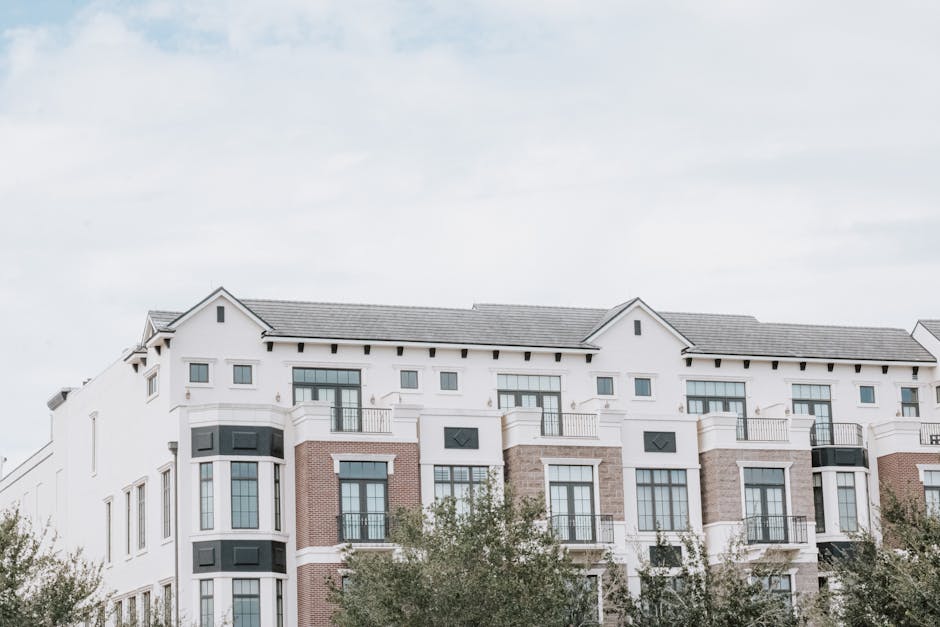
Shifting Inventory Dynamics in the High-End Market
The Tampa premium real estate sector is transitioning into a phase of deliberate stabilization. We currently observe an active inventory of exactly 120 luxury properties, presenting a more balanced landscape compared to the highly compressed cycles of previous quarters. The median list price now sits at nearly $2.5 million, reflecting a maturing market where pricing aligns more closely with empirical asset value rather than speculative fervor. Sellers are adjusting to a buyer pool that demands meticulous documentation of renovations, architectural provenance, and environmental resilience before committing capital.

For buyers, this normalization means the return of leverage, albeit measured. You now have the window to conduct rigorous due diligence without the immediate threat of preemptive escalation clauses. Properties commanding the $3.17 million average list price are typically those offering turnkey execution—homes where supply chain delays for custom finishes are not passed on as a buyer’s burden. The market is aggressively filtering out properties that attempt to price in future appreciation without current justification.
We advise clients to look beyond the top-line asking price and evaluate the days on market relative to specific sub-neighborhoods. An asset sitting for 45 days in certain enclaves might indicate an impending price correction, whereas the same duration in hyper-constrained areas like Davis Islands simply reflects the standard vetting period for high-net-worth transactions. Understanding these micro-level velocity metrics is critical for submitting an offer that captures value.

The Emergence of Ultra-Luxury Tiers
Tampa is no longer a secondary market for affluent buyers; it is establishing its own ultra-luxury benchmarks. Recent movements in the upper decile of the market highlight a shift toward properties that rival those in South Florida and the Northeast. A prime example is the recent listing of a massive estate asking $115 million, significantly overshadowing the previous Tampa price record of $22.5 million. This unprecedented valuation, as reported by The Wall Street Journal, signals intense confidence from developers and legacy property owners in the region’s long-term economic trajectory.
This new ceiling alters the perception of value across the entire premium sector. When nine-figure properties enter the local inventory, a $3 million or $5 million estate is suddenly recontextualized. We are seeing increased interest in expansive waterfront lots and custom-built architectural statements, driven by domestic migration from higher-tax jurisdictions. These buyers are not merely purchasing shelter; they are reallocating significant portions of their portfolios into hard assets within a favorable tax environment.
Furthermore, the narrative of Tampa Bay’s most expensive home sales, tracked by the Tampa Bay Times, confirms that executed contracts—not just ambitious list prices—are supporting this upward expansion. The volume of cash transactions in the top tier remains robust, insulating this segment from broader interest rate volatility and anchoring the market’s foundation. It is imperative to separate list-price ambition from closed-sale reality, relying exclusively on recent, comparable sales data to validate any acquisition.
Neighborhood Focus: South Tampa and the Downtown Core
Inventory concentration remains heavily weighted toward established enclaves in South Tampa and the evolving Downtown core. Neighborhoods like Hyde Park, Palma Ceia, and Bayshore Beautiful continue to command premiums due to their irreplaceable mature canopy, walkability, and proximity to elite preparatory schools. Properties in these areas, such as those situated off Troutwater Lane, frequently bypass the public market entirely, trading through private advisory networks where discretion is paramount. Buyers targeting these specific streets must be prepared to act decisively on off-market intelligence.
Simultaneously, the Downtown sector is maturing into a highly sought-after destination for vertical living. The activation of the Water Street district has fundamentally altered buyer expectations, seamlessly integrating high-end retail, wellness facilities, and dining into the residential experience. Buyers evaluating these areas must weigh the immediate convenience of Downtown infrastructure against the privacy and expansive square footage offered by traditional South Tampa estates. The premium here is placed on walkability and frictionless living.
We also track emerging corridors, such as the commercial and residential blends along North Florida Avenue, where strategic land acquisitions are reshaping the neighborhood profile. Here, the premium is placed on future optionality and zoning flexibility rather than existing architectural heritage. For the analytical buyer, these transition zones represent opportunities for significant equity capture before institutional capital fully saturates the corridor.
Key Considerations for Today’s Premium Buyer
Navigating an inventory of 120 active high-end listings requires a methodical approach to filtering out noise. The current environment favors the prepared buyer who prioritizes structural integrity, environmental defense, and long-term utility over superficial cosmetic updates. Properties priced near the $2.49 million median often present distinct choices between compromised locations with perfect interiors or premier locations requiring immediate capital improvement.
To optimize your acquisition strategy, we recommend enforcing a strict criteria baseline before scheduling a private showing or committing to a valuation model. The focus must remain on elements that cannot be altered or easily replicated.
- Elevation and Flood Mitigation: Verify base flood elevations, the presence of modern structural pilings, and the age and rating of all sea walls or retaining structures.
- Architectural Lineage: Confirm the permitting history and the reputation of the specific builder or architectural firm responsible for the structure, as this significantly impacts future resale liquidity.
- Infrastructure Hardiness: Assess the integration of whole-home power generation, commercial-grade water filtration, and the rating of impact-resistant glazing.
- Zoning and Expansion Rights: Review local setback requirements and historical overlay districts that might restrict future additions, hardscaping, or pool installations.
- Insurance Viability: Require documented evidence of current windstorm and flood premiums, as these ongoing carrying costs directly influence the capitalization rate of the asset.
By standardizing these requirements, buyers can swiftly disqualify assets that present hidden liabilities, ensuring that their focus remains strictly on properties capable of preserving capital over the long term. A disciplined approach prevents emotional decision-making driven by exceptional staging or highly manipulated digital representations of the property.
Condominium Market Evolution and Executive Migration
Tampa’s high-end condominium sector is currently exhibiting the characteristics of an early-stage market transitioning into maturity. Unlike established vertical markets in Miami or New York, Tampa is still defining its luxury high-rise standards. As highlighted by Tampa Bay Business & Wealth, this developmental phase presents a unique arbitrage opportunity. Buyers are securing premium views and floor plans at price per square foot metrics that remain highly competitive on a national scale. The focus is shifting toward boutique developments offering enhanced privacy and tailored concierge services.
This vertical expansion is heavily supported by continuous corporate relocation and executive migration. We are observing a steady influx of C-suite executives and venture capital professionals establishing primary or secondary residences in the region. Recent reporting from The Business Journals details why leadership teams continually select the broader Tampa Bay and St. Petersburg areas, citing the fusion of favorable corporate tax structures and immediate access to premium waterfront living. The synergy between these coastal cities creates a robust economic engine driving high-end housing demand.
For the prospective condo buyer, the analysis must center on the financial health of the homeowner’s association, the reserve study funding levels, and the exclusivity of the building’s amenities. In a rapidly expanding vertical market, the differentiation between a standard luxury building and a legacy asset lies entirely in the management framework and the strict enforcement of rental restrictions. Assessing these operational details is as crucial as evaluating the physical asset itself.
Navigating the Summer Acquisition Season
As we transition into the warmer months, the cadence of the Tampa real estate market traditionally shifts. While the broader market may see a slight deceleration in transaction volume, the premium tier often experiences highly concentrated, discrete activity. Sellers who list during this period are typically highly motivated, presenting opportunities for buyers who are pre-positioned with liquid capital and aggressive, clean terms. The ability to close quickly without financing contingencies remains the ultimate leverage.
Weather considerations also play a pragmatic role in property evaluation during this season. Assessing a property’s thermal envelope, the efficiency of multizone HVAC systems, and the performance of outdoor living spaces under intense sun exposure is best conducted now. Properties that maintain environmental comfort and systemic efficiency during peak summer months demonstrate the superior build quality expected at this price point. A thorough inspection during extreme heat and humidity reveals architectural flaws that might remain hidden in January.
Furthermore, the local cultural and social calendar remains active, providing context for the neighborhood lifestyle. Evaluating accessibility to regional events, such as those covered by local Tampa Bay Date Night Guide profiles, allows buyers to understand the true transit times and logistical realities of residing in specific districts during peak activity periods. True luxury encompasses frictionless movement through the city.
Strategic Next Steps for Discerning Buyers
Acquiring premium real estate in Tampa requires moving past generalized market summaries and engaging with precise, asset-level data. The current inventory offers 120 distinct paths for capital deployment, but identifying the correct asset demands rigorous screening, structural analysis, and an understanding of shifting neighborhood valuations. You need an advisory team that prioritizes empirical data and discrete execution over aggressive sales tactics.
We encourage you to critically evaluate the available inventory against the criteria outlined above. Review our curated portfolio of Tampa luxury homes for sale to observe how current market pricing aligns with your expectations. When you are ready to transition from observation to targeted acquisition, contact our advisory team. We will provide the analytical framework, the off-market intelligence, and the execution strategy required to secure your position in this evolving market.
Your next move in Tampa luxury
Get current inventory, pricing guidance, and private-tour support from our brokerage team.
Source highlights
- Column: Why executives keep choosing St. Pete – The Business Journals
- Tampa’s Price Record Is $22.5 Million. This Huge Estate Is Asking $115 Million. – WSJ
- Tampa Bay’s most expensive luxury home sales of 2025 – Tampa Bay Times
- Why Tampa remains an early-stage luxury condo market – Tampa Bay Business & Wealth
- Jennifer Zales Unveils Venetian Isles Waterfront Luxury Now Offered At A New Price – Haute Living
- Florida Trend Real Estate – Florida Trend
- Things To Do In Tampa This Weekend: Best Festivals & Events Going On – That's So Tampa
- Things To Do In St Pete This Weekend: Best Festivals & Events Going On In St Petersburg – I Love the Burg



