


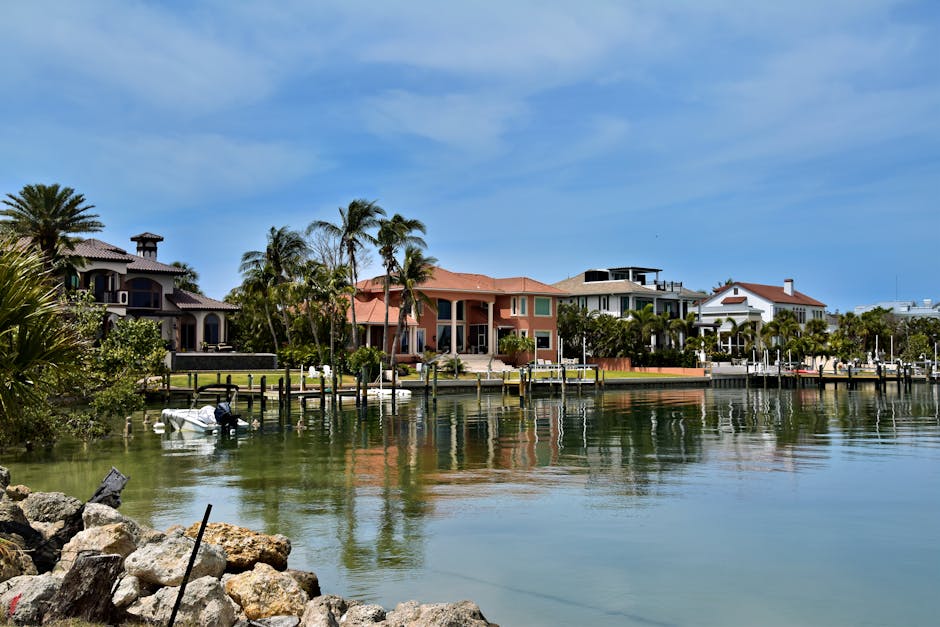
The Maturation of the Tampa Luxury Sector
Tampa has recently crossed a threshold from a regional hub to a primary destination for high-net-worth capital. For years, the local market was viewed as a value-driven alternative to the more established enclaves of South Florida. However, recent transactional data and the introduction of ultra-high-end inventory suggest a fundamental shift in how global buyers perceive the area. The record-setting ambitions of the local market are best exemplified by recent listings reaching figures that would have been unthinkable a decade ago, including a significant estate currently seeking a nine-figure valuation, far surpassing the current $22.5 million record, as noted in the Wall Street Journal.
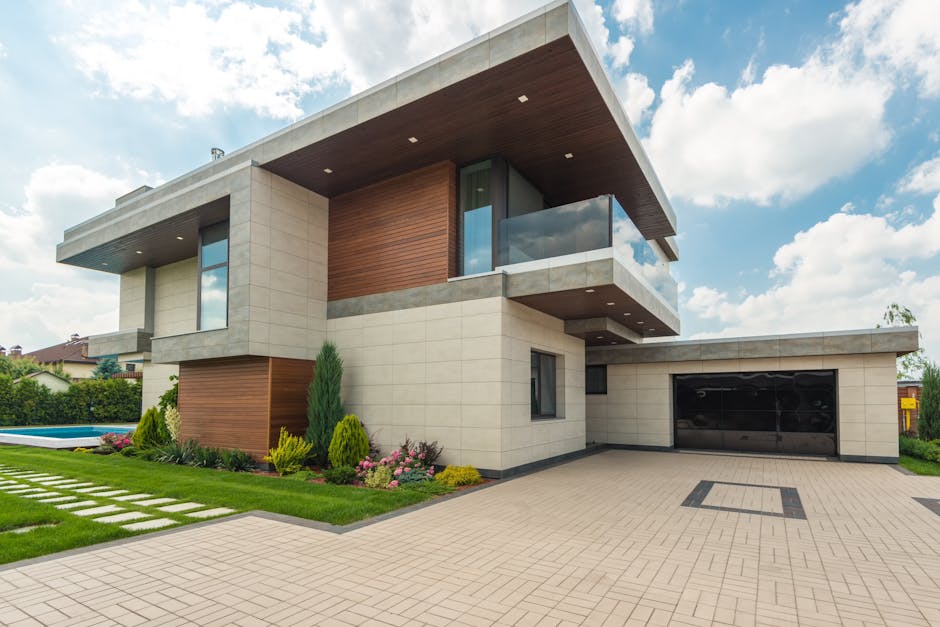
Current market inventory reflects this new reality. With approximately 120 active luxury listings and an average list price exceeding $3.1 million, the baseline for entry into the premium segment has moved significantly higher. Discerning buyers are no longer just looking for square footage; they are prioritizing architectural integrity, advanced security, and immediate access to the urban core. This movement is driven by a sophisticated cohort of professionals who are bringing a refined set of expectations to the West Coast of Florida.
The acceleration of this trend is not merely anecdotal. It is backed by the consistent migration of executive leadership from high-tax jurisdictions and established financial centers. These individuals are not just purchasing homes; they are investing in a lifestyle that balances the privacy of gated enclaves with the professional connectivity of a growing metropolitan area. As we look at the trajectory for the remainder of 2026, the resilience of these prices underscores a market that has found its footing among the world’s most desirable locations.
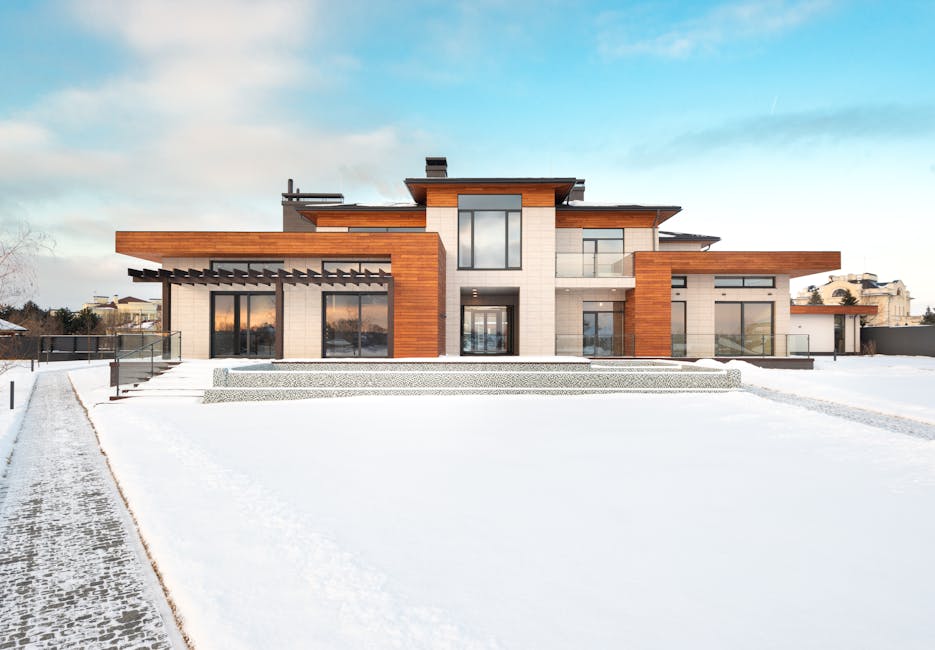
Waterfront Assets and the Scarcity of Davis Islands
Davis Islands remains the apex of the South Tampa waterfront market, offering a unique combination of proximity to downtown and the seclusion of an island community. The buyer behavior in this sub-market is characterized by a high degree of patience and a focus on long-term capital preservation. Waterfront properties here are increasingly treated as generational assets rather than speculative flips. The lack of available land on the island has created a natural ceiling on supply, which continues to support the robust median list price of nearly $2.5 million across the broader luxury segment.
Acquiring property in this area requires a deep understanding of riparian rights and the technical nuances of modern seawall construction. Buyers are increasingly sophisticated regarding FEMA elevation requirements and how they impact both the buildable footprint and long-term insurance obligations. This analytical approach to acquisition is a hallmark of the current market cycle, where emotional appeal is balanced against rigorous due diligence. Many of the most significant sales in the past year have occurred in these traditional waterfront enclaves, highlighting a preference for established locations over emerging fringe areas.
Beyond the islands, the corridor along Bayshore Boulevard continues to serve as a bellwether for the city’s prestige. While the views remain a constant draw, the shift toward modern, custom-built estates is replacing older stock. This transition is essential for maintaining the area’s competitive edge against newer developments in neighboring regions. For those evaluating the current inventory, focusing on the quality of the shoreline and the architectural pedigree of the residence is paramount. You can explore current opportunities in these areas by viewing our Tampa luxury listings.
The Executive Migration and the St. Petersburg Connection
A notable trend in the 2026 market is the fluidity between the Tampa core and the growing professional hub of St. Petersburg. Many executives are increasingly choosing the cross-bay lifestyle, seeking the specific cultural and professional density found in the region’s urban centers. According to the Business Journals, the choice for many high-level leaders often centers on the lifestyle amenities and ease of commute between the two cities. This synergy has strengthened the overall appeal of the region, making it a cohesive destination for international investment.
This cross-bay movement has also influenced the type of properties being developed. There is a growing demand for ‘pied-à-terre’ style luxury condos that allow for a seamless transition between business in the Tampa financial district and the leisure offerings of St. Pete. The market is seeing a rise in buyers who maintain a presence in both cities, leveraging the unique strengths of each. This behavior is indicative of a maturing metropolitan area that is no longer siloed by municipal boundaries.
For the advisor, understanding these nuances is critical. Advising a client on whether to settle in the historic streets of Old Northeast or the waterfront estates of South Tampa requires more than just showing properties; it requires an understanding of the client’s professional network and daily operational needs. The value proposition of the region is now firmly rooted in its ability to support a high-performance professional life while offering some of the most private and exclusive residential options in the country. This trend is further discussed in recent reports on Florida real estate trends.
Critical Verification for High-End Acquisitions
When transacting at the multi-million dollar level in the Tampa market, the margin for error is non-existent. The current environment demands a higher level of scrutiny than in previous years, particularly regarding environmental and structural factors. Smart capital is currently prioritizing assets that have already addressed modern building codes and sustainability standards. The following checklist outlines the essential points of verification for any serious luxury buyer in the current market.
- Structural certification of seawalls and dockage for deep-water access.
- Verification of FEMA elevation certificates and updated insurance cost projections.
- Audit of neighborhood-specific historical price velocity versus broader market averages.
- Review of future development permits within the immediate viewshed of the property.
- Assessment of automated smart-home integration and off-grid power resiliency systems.
Beyond the physical structure, the ‘health’ of a neighborhood’s luxury market can be gauged by its absorption rate. In areas like Beach Park or Culbreath Isles, the limited supply often leads to off-market transactions that never reach the public eye. Working with an advisor who has access to these private channels is often the only way to secure the most desirable assets before they are bid up in the open market.
The Evolution of the Luxury Condo Market
Tampa is currently in what many experts call an ‘early-stage’ luxury condo market. Unlike Miami or Naples, where high-rise living has been a staple for decades, Tampa’s vertical luxury scene is relatively fresh. This presents a unique opportunity for buyers to enter developments that are defining the city’s new skyline. As noted by Tampa Bay Business & Wealth, the transition to high-end vertical living is catering to a demographic that values services and security over the maintenance requirements of a large estate.
The amenities being offered in these new towers—private elevators, 24-hour concierge service, and integrated wellness centers—are specifically designed to meet the standards of a global elite. These are not merely residential buildings; they are lifestyle platforms. For the buyer who travels frequently or maintains multiple residences, the ‘lock-and-leave’ convenience of a high-rise on Bayshore or in the Water Street district is increasingly attractive. This segment of the market is showing strong resilience even as interest rates fluctuate, as many of these acquisitions are cash-heavy or structured through private wealth management.
However, prospective buyers must evaluate these opportunities with a critical eye toward the developer’s track record and the long-term viability of the HOA structure. In an early-stage market, not all projects are created equal. The distinction between a standard luxury build and a true ‘five-star’ experience lies in the details of the common area finishes, the staff-to-resident ratio, and the exclusivity of the resident-only spaces. Understanding these differentiators is key to ensuring that a condo purchase remains a liquid and appreciating asset.
Private Enclaves and the Demand for Seclusion
While the waterfront dominates much of the conversation, there is a substantial move toward private, gated enclaves that offer a different kind of luxury: total seclusion. Communities like Troutwater Lane provide a level of privacy that is difficult to find on the open waterfront. These estates often sit on larger parcels, allowing for extensive landscaping, private athletic courts, and secondary structures. The demand for this ‘compound’ style of living has surged as more families relocate to Tampa permanently, seeking a retreat that functions as a self-contained sanctuary.
The behavior of buyers in these enclaves is notably different from those in the urban core. There is a greater emphasis on the ‘unseen’ luxury—the quality of the air filtration, the thickness of the acoustic insulation, and the robustness of the home’s cybersecurity infrastructure. These buyers are often looking for a primary residence that can accommodate both professional work and multi-generational family life without compromise. The price resilience in these gated areas is supported by the extreme scarcity of large, contiguous parcels within a reasonable distance of the city’s top-tier private schools and medical facilities.
Comparing these inland estates to waterfront properties is a study in trade-offs. While the waterfront offers the iconic Florida vista, the gated estate offers a controlled environment and more diverse utility of space. As the Tampa market continues to diversify, we expect to see even more specialized developments that cater to these specific needs. Staying informed on these off-market opportunities and the most recent luxury home sales of 2025 is essential for any serious portfolio manager. For a tailored analysis of how these areas compare to your specific requirements, we invite you to contact a senior advisor.
Tampa’s luxury real estate market has moved into a new era of sophistication. The combination of record-breaking estate listings, a maturing condo sector, and the influx of executive capital has created a dynamic environment for both buyers and sellers. Navigating this landscape requires more than just a search tool; it requires a strategic partner who understands the neighborhood-level implications of every trend. Whether you are looking for a generational waterfront estate or a high-service urban residence, the opportunities in 2026 are substantial for those who move with precision and expert guidance.
Your next move in Tampa luxury
Get current inventory, pricing guidance, and private-tour support from our brokerage team.
Source highlights
- Column: Why executives keep choosing St. Pete – The Business Journals
- Tampa’s Price Record Is $22.5 Million. This Huge Estate Is Asking $115 Million. – WSJ
- Tampa Bay’s most expensive luxury home sales of 2025 – Tampa Bay Times
- Why Tampa remains an early-stage luxury condo market – Tampa Bay Business & Wealth
- Jennifer Zales Unveils Venetian Isles Waterfront Luxury Now Offered At A New Price – Haute Living
- Florida Trend Real Estate – Florida Trend
- Things To Do In Tampa This Weekend: Best Festivals & Events Going On – That's So Tampa
- Things To Do In St Pete This Weekend: Best Festivals & Events Going On In St Petersburg – I Love the Burg



