



The New Benchmark: Analyzing Tampa’s $3.1 Million Average Entry Point
The Tampa luxury real estate sector has transcended its historical status as a regional alternative, establishing itself as a primary destination for national and international capital. Current market data reveals a median list price of $2,498,800, with the average luxury listing hovering at approximately $3,171,587. This shift is not merely a reflection of inflation but a fundamental re-rating of the region’s value proposition. High-net-worth individuals are increasingly viewing the market through a lens of long-term wealth preservation, moving away from speculative acquisitions toward high-utility, legacy assets.
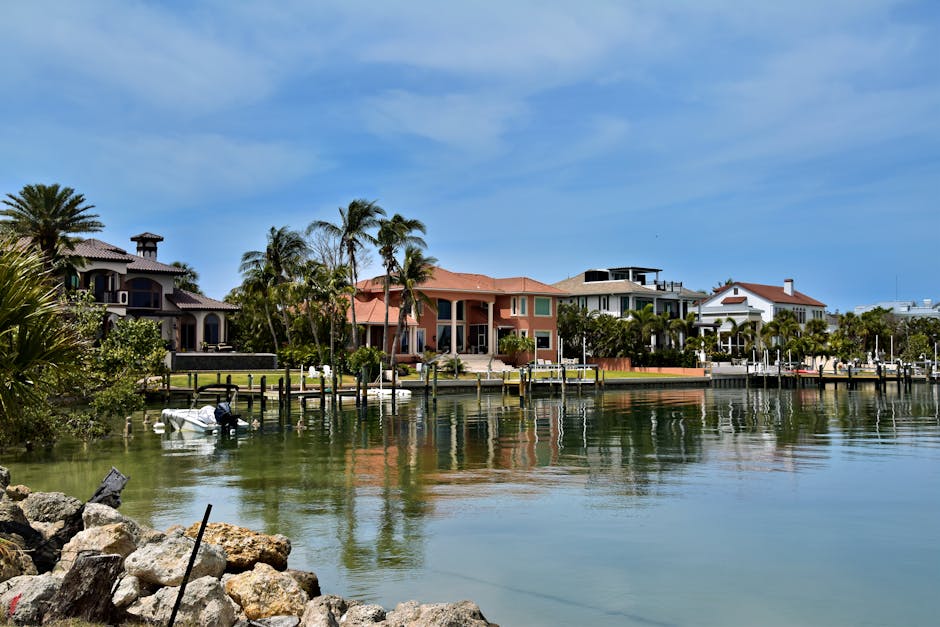
While the active luxury inventory currently sits at 120 units, the concentration of value remains remarkably dense in specific waterfront and historic corridors. Buyers should note that the distinction between ‘premium’ and ‘luxury’ has widened; the latter now requires a baseline of architectural integrity, advanced smart-home integration, and superior coastal resilience. Understanding these price floors is essential for any strategic acquisition, as entering the market without a clear grasp of current valuation metrics can lead to missed opportunities in highly competitive bidding environments.
Furthermore, the market velocity for properties priced between $2 million and $5 million remains robust, driven by a persistent influx of executive migration. This demographic is less sensitive to interest rate fluctuations and more focused on the scarcity of prime locations. As we analyze the luxury homes for sale, it becomes evident that the most successful buyers are those who prioritize structural quality and neighborhood stability over aesthetic trends that may not hold value over the coming decade.

Neighborhood Nuance: From Davis Islands to the Culbreath Isles Corridor
Location remains the primary arbiter of value in the Tampa market, yet the definitions of ‘prime’ are evolving. Davis Islands continues to command a significant premium due to its proximity to the urban core and its unique island topology. The inventory here often includes properties like the troutwater lane estates, where privacy and deep-water access are the primary drivers of demand. Buyers in this area are typically looking for a balance between the convenience of downtown proximity and the seclusion of an established residential enclave.
Conversely, areas like Culbreath Isles and Sunset Park offer a different value profile, focusing on gated security and larger lot sizes. These neighborhoods have seen a surge in ‘scrape and build’ activity, where older structures are replaced by modern masterpieces designed to withstand the rigors of the Gulf climate. This trend has significantly elevated the average price per square foot across South Tampa. It is vital for buyers to evaluate not just the home itself, but the surrounding streetscape and the long-term plans for municipal infrastructure in these specific coastal zones.
The move toward the Westshore Marina District and other emerging corridors reflects a desire for a ‘lock-and-leave’ lifestyle that was previously unavailable in the traditional estate market. These areas provide a high level of amenity density, catering to a buyer who values efficiency and proximity to private aviation hubs. For those transitioning from high-density markets like New York or Chicago, these developments offer a familiar lifestyle while providing the space and climate benefits unique to the Florida coast.
Vertical Evolution: Why Tampa Remains an Early-Stage Luxury Condo Market
One of the most significant shifts in the local landscape is the maturation of the high-rise sector. Historically, Tampa was dominated by single-family estates, but recent developments have introduced a level of vertical sophistication that rivals global hubs. According to recent industry analysis, Tampa remains an early-stage luxury condo market, offering substantial upside compared to more saturated markets like Miami. This sector is particularly attractive to buyers seeking full-service amenities and panoramic views of Hillsborough Bay.
Vertical luxury in Tampa is no longer just about the view; it is about the integration of hospitality-grade services into daily living. From 24-hour concierge teams to private wellness centers and rooftop social spaces, these developments are setting new standards for the region. For the advisor-led buyer, the focus here should be on the reputation of the developer and the long-term sustainability of the association’s reserve funds. Evaluating the developer’s track record in other major markets can provide a reliable indicator of the project’s eventual execution and resale potential.
As the downtown skyline continues to transform, the intersection of residential and commercial growth is creating a more resilient investment environment. The presence of major corporate headquarters and a growing tech sector ensures a steady demand for high-end rentals and secondary homes. This diversification of the buyer pool is a key factor in the market’s stability, providing a buffer against the volatility often seen in purely vacation-driven economies.
Essential Acquisition Due Diligence
Acquiring a high-value asset in the current environment requires a rigorous approach to due diligence that goes beyond standard inspections. The complexities of coastal construction, insurance requirements, and local zoning laws necessitate a specialized team of advisors. A successful acquisition strategy must prioritize the verification of all claims regarding square footage, littoral rights, and structural enhancements. This is particularly critical for waterfront properties where environmental regulations can significantly impact the ability to renovate or expand.
- Verification of littoral rights and dock permitting for waterfront estates.
- Assessment of coastal elevation and structural compliance with current building codes.
- Detailed analysis of ad valorem tax implications post-purchase.
- Review of neighborhood-specific deed restrictions and HOA governance.
- Evaluation of smart-home infrastructure and cybersecurity integration.
- Audit of insurance availability and cost projections for flood and wind coverage.
Each of these points represents a potential pivot point in a negotiation. For example, understanding the future tax liability based on the sales price rather than the previous owner’s assessed value is a critical component of the long-term carrying cost analysis. Similarly, verifying the integrity of seawalls and drainage systems can prevent unexpected capital expenditures in the first years of ownership. A senior advisor will ensure that these variables are accounted for during the contract phase, protecting the buyer’s capital and peace of mind.
The Executive Migration: Connectivity and Infrastructure
The influx of high-level talent into the region is not an accident; it is the result of strategic infrastructure investments and a favorable business climate. Data from Why executives keep choosing St. Pete and Tampa highlights the importance of connectivity to major financial and technology hubs. The ability to commute between these two centers while maintaining a primary residence in an enclave like Hyde Park or Snell Isle is a major draw for the modern C-suite leader.
This migration is also driving a demand for properties that can serve as both a private sanctuary and a venue for high-level networking. The ‘home office’ has evolved into a ‘home headquarters,’ featuring sophisticated telepresence capabilities and secure data lines. Buyers are no longer looking for just an extra bedroom; they are looking for professional-grade workspaces that reflect their status and operational needs. This trend is particularly evident in the recent sales of large estates where the functional utility of the floor plan was a primary selling point.
The local government’s commitment to improving transit and expanding the international airport further cements the region’s position as a global competitor. For the luxury buyer, these improvements translate to sustained property values and a high quality of life. Whether attending a major event at the Tampa Riverfest or hosting a private charity gala, the region offers a level of social and professional engagement that is increasingly rare in more traditional markets.
Pricing Anomalies and the $100 Million Ceiling
While the average price point is impressive, the top end of the market is reaching unprecedented heights. The news that Tampa’s price record is $22.5 million but a huge estate is asking $115 million illustrates the vast disparity between standard luxury and ‘ultra-luxury’ assets. This ceiling is a signal to the market that the region is ready for a new tier of property, one that competes directly with the most exclusive enclaves in the world. For the astute investor, this signals a widening of the market that creates opportunities in the ‘middle-luxury’ tier ($5M to $15M).
These ultra-high-end listings often function as market makers, setting new standards for what is possible in terms of amenities and scale. When a property asks for nine figures, it re-anchors the value of neighboring estates, often making a $10 million or $20 million purchase seem like a relative value. However, buyers must be cautious; these ‘trophy’ assets require a highly specialized exit strategy and a deep understanding of the global pool of potential future buyers. They are not liquid assets, and their valuation is often as much about prestige as it is about physical real estate.
Analytical buyers should look for properties that offer ‘comparable excellence’—homes that share the same design language or location benefits as these record-breaking listings but at a more accessible entry point. This strategy allows for capital appreciation as the market continues to mature and the new price records become the benchmark rather than the anomaly. The focus should always remain on the fundamentals of land value and irreplaceable location.
Strategic Timing and Market Velocity
As we move through the current cycle, the importance of timing and negotiation leverage cannot be overstated. Recent reports on Florida real estate trends suggest a stabilization of inventory levels, which may provide buyers with slightly more breathing room than in previous years. However, ‘A-plus’ properties—those in the best locations with the best finishes—still move with extreme speed. In many cases, these homes are sold before they ever hit the public market, emphasizing the need for a well-connected advisor.
Buyers should also be aware of seasonal dynamics. While Florida is often thought of as a year-round market, the luxury sector does see shifts in activity based on the academic calendar and the timing of major local events. Strategic buyers often use these quieter periods to engage in more aggressive negotiations or to secure properties that may have been overlooked during the peak season. Being prepared with a pre-vetted legal and financial team allows a buyer to act with the speed necessary to secure a premier asset when it becomes available.
Navigating a transaction of this magnitude requires a partner who understands the nuance of the local market and the discretion required for high-net-worth acquisitions. To explore the current inventory or discuss a specific property in the Tampa region, browse our curated listings or contact our advisory team directly to begin a confidential consultation.
Your next move in Tampa luxury
Get current inventory, pricing guidance, and private-tour support from our brokerage team.
Source highlights
- Column: Why executives keep choosing St. Pete – The Business Journals
- Tampa’s Price Record Is $22.5 Million. This Huge Estate Is Asking $115 Million. – WSJ
- Tampa Bay’s most expensive luxury home sales of 2025 – Tampa Bay Times
- Why Tampa remains an early-stage luxury condo market – Tampa Bay Business & Wealth
- Jennifer Zales Unveils Venetian Isles Waterfront Luxury Now Offered At A New Price – Haute Living
- Florida Trend Real Estate – Florida Trend
- Things To Do In Tampa This Weekend: Best Festivals & Events Going On – That's So Tampa
- 40+ Best Things to Do in Tampa Bay this Month: Events and MORE! – Tampa Bay Date Night Guide



