


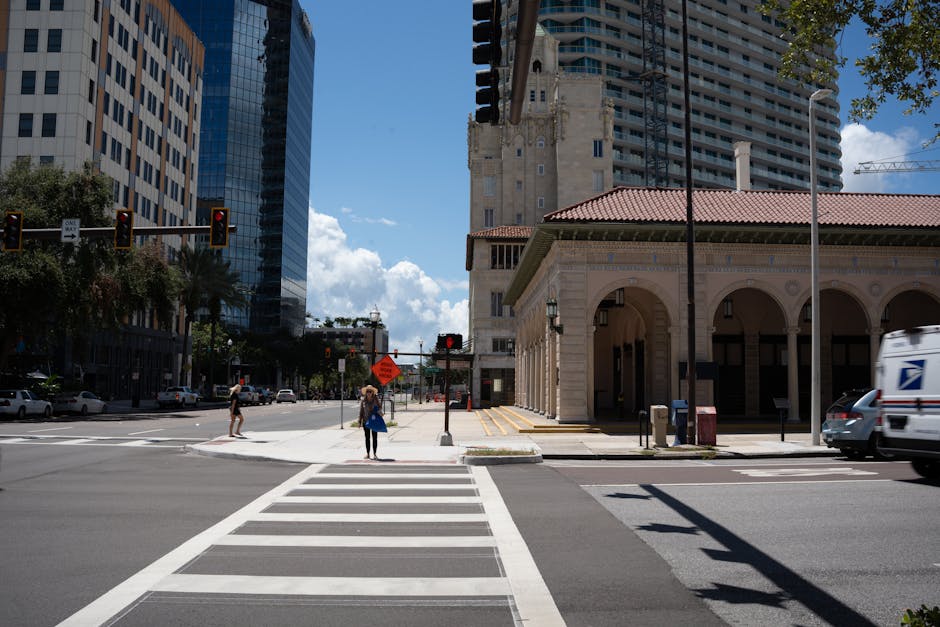
Structural Shifts in the Ultra-High-End Tier
The Tampa luxury real estate landscape in Spring 2026 is defined by a significant recalibration of value at the top of the market. With a median list price now holding firm at approximately $2,498,800, the entry point for what was once considered ‘premium’ has shifted. This movement is driven by a persistent influx of high-net-worth individuals who view the region not just as a seasonal retreat, but as a primary seat of operations. The current inventory of 120 active luxury properties reflects a market that is both selective and sophisticated, where buyers are prioritizing long-term asset stability over speculative gains.
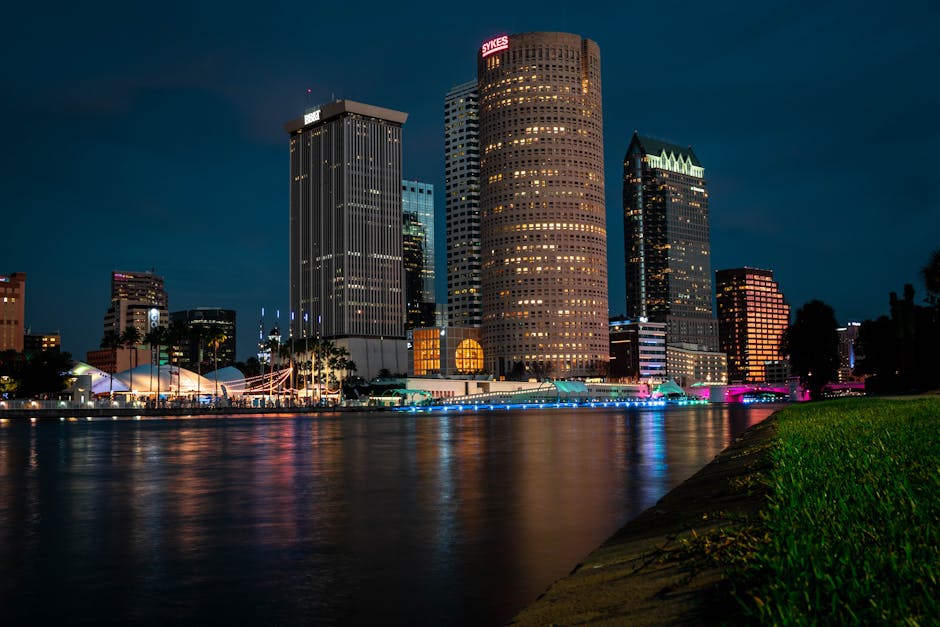
Recent market activity has been punctuated by extraordinary outliers that redefine the ceiling for regional valuations. While the historical record for a residential sale in the area stands at $22.5 million, the emergence of a massive estate asking $115 million signals a new era for local real estate, as noted in recent Wall Street Journal reporting. This escalation in pricing at the ultra-luxury level creates a halo effect, stabilizing values in the $5 million to $10 million range and providing a psychological floor for sellers in sought-after waterfront enclaves. Buyers are responding by conducting deeper due diligence, ensuring that these record-setting asks are supported by comparable quality and architectural significance.
Data from the previous year indicates that the most expensive luxury home sales of 2025 have set a rigorous precedent for 2026 appraisals. According to the Tampa Bay Times, the velocity of these high-value transactions remains steady despite broader economic fluctuations. This resilience is attributed to the specific demographic of the local buyer pool, which is increasingly composed of corporate executives and tech entrepreneurs who are less sensitive to interest rate volatility and more focused on the scarcity of prime waterfront acreage. The current average list price of $3,171,587 serves as a benchmark for those navigating this competitive tier.
Coastal vs. Inland: Diversifying the Luxury Portfolio
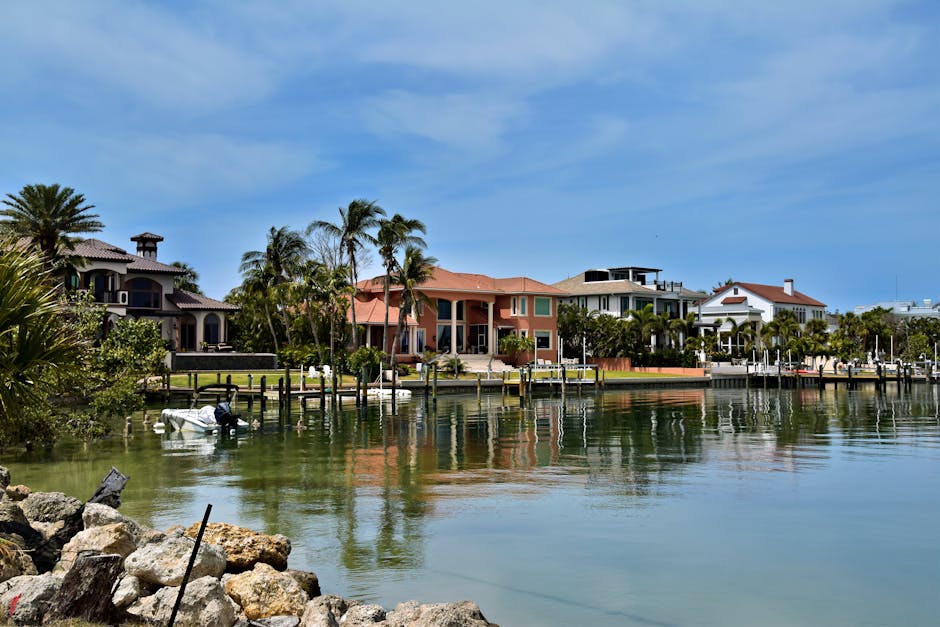
While traditional waterfront estates in South Tampa and Davis Islands remain the gold standard, there is a visible trend toward diversification in the luxury portfolio. Areas like Venetian Isles are seeing a nuanced shift in pricing and positioning, where savvy buyers are identifying opportunities for value in established waterfront communities. Recent listings in these areas, such as those highlighted by Haute Living, demonstrate that even in a high-demand market, specific asset types require precise pricing to attract the right executive buyer. This segment of the market demands an analytical approach to comparables and a clear understanding of dockage and seawall integrity.
Inland luxury is also evolving, with a focus on substantial square footage and modern amenities in historic districts. Properties located along North Florida Avenue or the MLK Jr Boulevard corridor offer a different value proposition, often catering to those who prioritize architectural character and proximity to the city’s expanding commercial hubs. These ‘Heights’ areas are no longer just emerging; they are established luxury sub-markets where custom-built residences are commanding prices north of $2 million. The appeal lies in the integration of residential privacy with urban accessibility, a combination that resonates with a younger generation of affluent professionals.
The distinction between coastal and inland luxury is becoming less about price and more about utility. A waterfront residence on Troutwater Lane offers a maritime lifestyle that is difficult to replicate, while an inland estate may provide more expansive grounds and flexible layout options for home offices or multi-generational living. As an advisor, the guidance focuses on identifying which lifestyle amenities will hold the most significant resale value over a five-to-ten-year horizon. Understanding the nuances of each neighborhood’s zoning and future development plans is critical for any acquisition in these varying micro-markets.
The Evolution of Tampa’s Vertical Luxury Sector
Tampa is currently navigating what industry analysts describe as an early-stage luxury condo market maturity. Unlike more saturated markets in South Florida, the local vertical sector is still defining its identity and price ceilings. This provides a unique window for buyers to secure high-floor residences in developments that are reshaping the skyline. Strategic insights from Tampa Bay Business & Wealth suggest that the demand for these units is driven by a desire for a ‘lock-and-leave’ lifestyle combined with the amenities of a five-star resort. The focus is on buildings that offer exclusivity, with limited units per floor and private elevator access.
The transition toward high-density luxury is a direct response to the limited availability of developable land in the city’s most desirable coastal areas. As the population of high-earning residents grows, the vertical option becomes more than just a convenience; it becomes a necessity for those wanting to remain within the urban core. These developments are increasingly integrated into larger mixed-use districts, providing residents with immediate access to fine dining, professional services, and cultural events. This integration is a key factor in the sustained demand for new construction in the downtown and Water Street sectors.
When evaluating these vertical assets, buyers must look beyond the view. Reserve studies, HOA management history, and the reputation of the developer are paramount. In an early-stage market, the quality of construction and the long-term viability of the building’s amenities will dictate future appreciation. We advise our clients to prioritize buildings that have already demonstrated a high level of owner occupancy, as this typically correlates with better maintenance standards and more stable community governance. The goal is to identify properties that will remain competitive as the next wave of luxury towers enters the development pipeline.
Strategic Considerations for Spring Acquisitions
Success in the current market requires more than just capital; it requires a disciplined approach to evaluation. For buyers moving into the Tampa market this spring, we recommend a focused diligence process that goes beyond standard inspections. The following checklist outlines the essential steps for any high-value acquisition in the 2026 environment.
- Analyze five-year comparable sales data specifically for properties above the $2.5M threshold.
- Confirm deep-water access specifications and seawall condition for all waterfront assets.
- Evaluate the structural integrity and insurance ratings of properties in coastal flood zones.
- Audit smart-home systems for longevity and ease of integration with modern proprietary tech.
- Review HOA financial health and reserve funding specifically for vertical luxury units.
- Investigate planned municipal developments or infrastructure projects within a two-mile radius.
Each of these points represents a potential pivot in the long-term value of the investment. For instance, a property that lacks modern flood mitigation may face significantly higher carrying costs as insurance markets continue to adjust. Similarly, a high-end condo with an underfunded reserve could face special assessments that impact liquidity. Our role is to ensure that every variable is accounted for before a contract is finalized, providing a level of security that matches the scale of the transaction.
Deciphering Value in the $2M to $5M Segment
The $2 million to $5 million segment is the most active portion of the Tampa luxury market, serving as the primary entry point for executive relocations. This tier is characterized by a high volume of ‘move-in ready’ properties that have undergone significant renovations within the last 24 months. Buyers in this bracket are looking for a balance of modern aesthetics and functional layout. The preference for open-concept living, chef-grade kitchens, and seamless indoor-outdoor transition remains dominant, as these features align with the region’s climate and social expectations.
Competition in this segment can be intense, particularly for homes in the top-rated school districts of South Tampa. Properties that are priced accurately for their condition and location often see multiple offers within the first two weeks of listing. However, buyers should be wary of overpaying for cosmetic updates that may not address underlying structural or systemic issues. A critical analysis of the property’s ‘bones’—roofing age, HVAC efficiency, and plumbing updates—is essential to avoid post-closing expenditures that can erode the investment’s initial value. We emphasize the importance of a technical inspection that matches the sophistication of the property itself.
Another factor influencing value in this range is the ‘neighborhood effect.’ A well-maintained home on a quiet, tree-lined street in a stable neighborhood will often outperform a similar property on a busier thoroughfare, even if the latter has superior interior finishes. In a market where privacy is a premium commodity, the specific positioning of a lot can add or subtract hundreds of thousands of dollars from the appraisal. Understanding these micro-geographic nuances is where local expertise becomes indispensable. We assist clients in navigating these subtleties to ensure their capital is deployed in the most resilient assets available.
Local Infrastructure and the Executive Migration
The continued migration of executives to the Tampa Bay area, specifically St. Petersburg and the surrounding communities, is a testament to the region’s growing economic influence. As reported by The Business Journals, decision-makers are increasingly choosing this region for its combination of tax-friendly policies, workforce talent, and quality of life. This influx of leadership talent brings a new level of professionalism and expectation to the local real estate market, driving demand for properties that can double as venues for high-level networking and corporate entertaining.
Infrastructure improvements are playing a crucial role in supporting this growth. Enhancements to the downtown corridors, expanded international flight options at TPA, and the development of world-class cultural spaces have made the area a more viable alternative to established hubs like New York or Chicago. The local lifestyle is further enriched by annual events that showcase the city’s unique character, such as the Riverfest celebration. These events are not just social gatherings; they are indicators of a city that is investing in its own vibrancy and long-term appeal.
Weather conditions for the early May season are predictably favorable, with temperatures reaching the low 80s and clear skies providing the ideal backdrop for property tours and outdoor living. This climate is a primary driver for the ‘Florida migration’ and remains one of the area’s most consistent assets. When combined with the broader trends tracked by Florida Trend, it is clear that the regional real estate market is supported by both emotional appeal and rigorous economic fundamentals. For the executive buyer, this represents a rare opportunity to align lifestyle preferences with a sound financial strategy.
Asset Preservation in an Evolving Market
As we progress through the second quarter of 2026, the focus for luxury homeowners is shifting from acquisition to preservation. Maintaining the value of a multi-million dollar asset requires a proactive approach to property management and a keen eye for market shifts. This includes regular updates to high-use areas and ensuring that the property remains compliant with the latest building codes and energy efficiency standards. In a market where buyers are increasingly discerning, the condition of the home at the time of resale is the single most important factor in determining the final transaction price.
We advise our clients to view their primary residence as a key component of their overall financial portfolio. This means staying informed about local zoning changes, property tax assessments, and broader regional economic indicators. The stability of the Tampa luxury market is a significant advantage, but it does not exempt owners from the need for strategic planning. Whether you are looking to expand your local holdings or are considering a future exit, having a clear understanding of the current competitive landscape is essential for making informed decisions.
The current Spring 2026 market presents a unique set of opportunities for those with the capital and the clarity to act. With 120 active listings and a median price that reflects genuine quality, the environment is ripe for sophisticated buyers to secure properties that will define the next decade of Tampa luxury. To begin your search or to refine your current acquisition strategy, we invite you to browse our current listings or contact an advisor for a confidential consultation tailored to your specific objectives.
Your next move in Tampa luxury
Get current inventory, pricing guidance, and private-tour support from our brokerage team.
Source highlights
- Column: Why executives keep choosing St. Pete – The Business Journals
- Tampa’s Price Record Is $22.5 Million. This Huge Estate Is Asking $115 Million. – WSJ
- Tampa Bay’s most expensive luxury home sales of 2025 – Tampa Bay Times
- Why Tampa remains an early-stage luxury condo market – Tampa Bay Business & Wealth
- Jennifer Zales Unveils Venetian Isles Waterfront Luxury Now Offered At A New Price – Haute Living
- Florida Trend Real Estate – Florida Trend
- Things To Do In Tampa This Weekend: Best Festivals & Events Going On – That's So Tampa
- Things To Do In St Pete This Weekend: Best Festivals & Events Going On In St Petersburg – I Love the Burg



