


The New Baseline for Tampa Luxury Assets
The Tampa luxury market has transitioned from a period of rapid appreciation to one of sophisticated stability. As of late April 2026, the median list price for high-end residential properties holds steady at approximately $2,498,800. This figure represents more than just a price point; it reflects a fundamental shift in buyer expectations where architectural integrity and location permanence outweigh speculative growth. We are seeing a concentration of activity in areas like Davis Islands and South Tampa, where established value meets new-guard modernization.
Market participants are closely watching high-profile listings as benchmarks for the region’s ceiling. Recent reports indicate that while the city’s previous price record stood at $22.5 million, new entries into the market are testing much higher valuations. For instance, a massive estate recently entered the market with an asking price of $115 million, signaling a newfound confidence in Tampa’s ability to compete with traditional luxury hubs like Miami or Palm Beach. This escalation underscores a broader trend: Tampa is no longer a secondary market for wealth; it is a primary destination.
For serious buyers, the current inventory of approximately 120 active luxury listings provides a balanced selection, yet the most desirable assets—particularly those on oversized lots or with significant water frontage—continue to move with relative velocity. Understanding the distinction between a ‘market-price’ property and a ‘legacy’ asset is critical in this environment. Advisors are increasingly focusing on the long-term utility of the floor plan and the quality of the building envelope rather than cosmetic finishes that can be easily replicated.

Waterfront Dominance and the Primary Market Shift
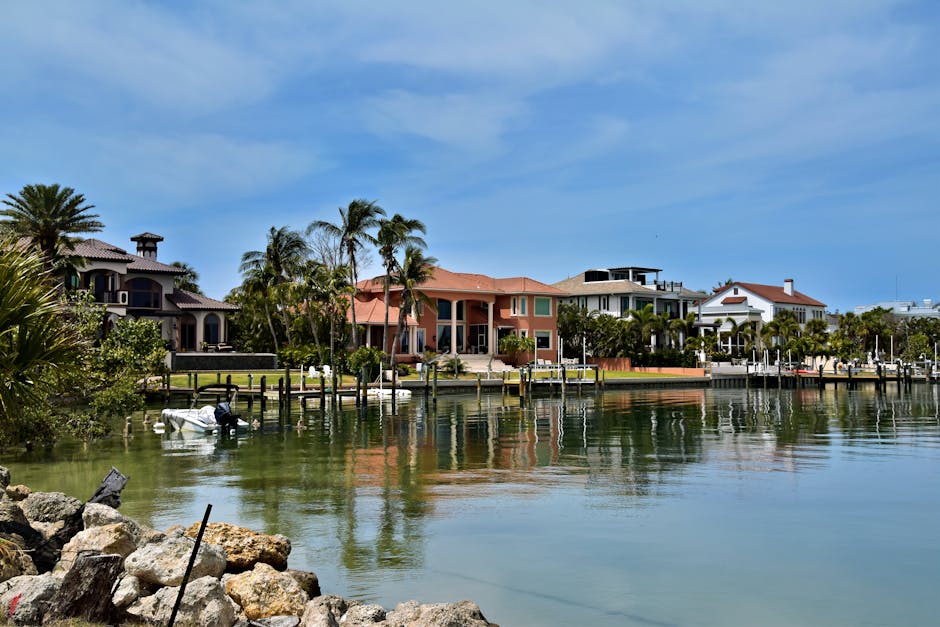
Tampa’s relationship with its coastline has evolved. Historically viewed as a seasonal or recreational benefit, waterfront access is now categorized as a primary requirement for the upper echelon of the market. According to analysis from The National Law Review, the region’s waterfront has emerged as a primary luxury real estate market, driven by a permanent influx of corporate executives and high-net-worth individuals who prioritize proximity to the urban core without sacrificing Riparian rights. This shift has placed a premium on neighborhoods such as Beach Park and Culbreath Isles, where private docks and expansive views are standard.
The demand for these parcels has led to a scarcity of ‘blank canvas’ land. Buyers are now looking at older structures on Troutwater Lane or similar premium corridors primarily for their land value, often opting for complete teardowns to facilitate modern, hurricane-resilient estates. This movement toward total reconstruction ensures that the neighborhood’s aesthetic remains current while significantly increasing the average list price, which currently orbits $3,229,170 across the luxury segment. The focus is now on the land’s orientation, seawall integrity, and the depth of the canal for vessel draft.
Beyond the physical property, the ‘primary market’ status means that local infrastructure is under constant scrutiny. Buyers are no longer just looking at the house; they are evaluating the health of the bay, the efficiency of downtown transit, and the proximity to private aviation facilities. The decision to acquire a waterfront asset in Tampa today is as much a bet on the city’s managed growth and environmental stewardship as it is a real estate transaction. It requires a sophisticated understanding of local zoning and environmental protections that govern shoreline development.
Inventory Dynamics and New Construction Supply
The availability of high-end homes is currently being bolstered by a wave of new construction that has finally reached the completion phase. This influx is critical as it provides a modern alternative to the Mediterranean-style mansions that dominated the early 2000s. Contemporary designs featuring floor-to-ceiling glass, integrated smart-home technology, and indoor-outdoor flow are the new standard. This surge in supply is meeting a market where mortgage rates have stabilized near 6.09%, providing a more predictable landscape for financed acquisitions.
The stabilization of rates has encouraged move-up buyers who were previously hesitant to trade in lower-interest debt. Consequently, we are seeing increased liquidity in the $2 million to $5 million range. Properties like those found on Florida Avenue or Dr. Martin Luther King Jr. Boulevard are attracting attention for their redevelopment potential or their utility as commercial-residential hybrids. The diversity of the current inventory—ranging from traditional residential estates to land parcels and commercial-sale opportunities—allows for a more nuanced investment strategy than in previous years.
Strategic buyers are also looking at the ‘cost to build’ versus the ‘cost to buy.’ With material costs stabilizing but labor remaining a premium, a finished new-construction home often represents a more efficient use of capital than a renovation project. This preference for turnkey assets has created a two-tier market where dated properties sit longer while well-executed, modern homes receive multiple offers within their first thirty days. Sellers who have invested in high-efficiency systems and modern aesthetics are seeing the highest returns on their initial investment.
Due Diligence: The Luxury Acquisition Checklist
Acquiring a high-value asset in the Tampa region requires a rigorous approach to verification. Buyers must look beyond the staging and the view to understand the underlying viability of the property. In 2026, the following factors are non-negotiable for a secure luxury investment:
- Verification of seawall age and structural integrity by a specialized marine engineer.
- Assessment of current flood zone designations and the projected cost of comprehensive insurance coverage.
- Review of littoral rights and any existing easements that may restrict private dock expansion or shoreline usage.
- Analysis of the building’s wind-mitigation features and compliance with the latest Florida Building Code standards.
- Evaluation of the neighborhood’s long-term development plan, specifically regarding upcoming infrastructure projects.
- Confirmation of all permits for recent renovations, particularly those involving electrical or structural modifications.
Each of these points represents a potential risk or a value-add. For example, a property with a recently replaced seawall and a high-elevation certificate can save a buyer significant capital in the first decade of ownership. Conversely, overlooking zoning restrictions on a lot intended for a guest house can derail an entire acquisition strategy. Successful buyers work with advisors who can facilitate these deep-dive inspections during the narrow window of a due diligence period.
The Regional Ecosystem: St. Petersburg and Beyond
Tampa’s luxury market does not exist in a vacuum. The evolution of neighboring St. Petersburg is a critical factor in regional value. Recent shifts in St. Pete’s luxury condo market have seen the definition of ‘high-end’ move toward service-heavy, vertical living. This provides a foil to Tampa’s predominantly horizontal, estate-based luxury. Many buyers are now maintaining a primary residence in South Tampa while holding a secondary, low-maintenance unit across the bay, creating a synergistic effect on prices in both cities.
The connectivity between these markets is improving, with increased focus on water-taxi services and bridge improvements. This regionalism makes the entire Tampa Bay area more attractive to national buyers who want a variety of lifestyle options within a thirty-minute radius. Whether it is the historic charm of Old Northeast in St. Pete or the manicured streets of Palma Ceia in Tampa, the diversity of the regional portfolio is a major selling point. Investors are increasingly looking at the ‘Bay Area’ as a single, cohesive luxury destination rather than a series of fragmented cities.
This regional growth is also reflected in the commercial sector. As more companies relocate to the Water Street and Westshore districts, the demand for executive housing follows. This corporate migration is the ‘floor’ that supports the high median prices we are currently seeing. When a market is backed by high-paying jobs and corporate headquarters, its resilience during economic cycles is significantly higher than markets driven purely by vacation or second-home demand. Tampa has successfully made the transition to a corporate-backed luxury hub.
Comparative Value and Sales Velocity Analysis
To understand where the market is going, one must look at where it has been. Analysis of luxury home sales from 2025 shows a clear trend: the most expensive transactions were concentrated on the water, with a noticeable premium paid for privacy and security. The velocity of these sales indicates that while the total number of transactions may be lower than in peak years, the ‘quality’ of the sales—measured by price-per-square-foot and lack of contingencies—remains high. This is a sign of a mature market where buyers are well-capitalized and decisive.
When comparing Tampa to other Florida markets, the value proposition remains compelling. Despite the record-breaking asks, the price-per-square-foot in South Tampa’s most prestigious enclaves often remains a fraction of what one would pay on Star Island or in Naples. This ‘relative value’ continues to attract out-of-state capital, particularly from the Northeast and California. The focus is on the quality of life, the favorable tax environment, and the tangible sense of community that neighborhoods like Hyde Park and Bayshore Beautiful provide.
The ‘consideration’ phase for these buyers often involves a deep dive into local events and culture to ensure the city aligns with their personal values. The upcoming weekend offers a prime example, with festivals like Riverfest showcasing the city’s investment in its public spaces. Seeing the Riverwalk crowded with residents and visitors reinforces the narrative of a city that is ‘alive’ and well-managed. These cultural markers are often the final piece of the puzzle for buyers deciding between Tampa and other coastal alternatives.
Strategic Timing and Final Acquisition Guidance
For those currently evaluating the Tampa luxury market, the current window represents a period of unique opportunity. With inventory levels at 120 and interest rates providing a predictable ceiling, the ‘wait and see’ approach is being replaced by a ‘search and secure’ mentality. The most successful acquisitions in 2026 are those where the buyer has a clear understanding of their long-term needs and a team that can move quickly when a property matching their criteria enters the market. The time spent on research now will pay dividends when the right asset becomes available.
As we move into the summer months, the market typically sees a slight tightening of inventory as families look to settle before the new academic year. This makes the late spring a strategic time to negotiate, particularly on properties that have been on the market through the first quarter. Buyers should be prepared to offer clean terms and demonstrate financial readiness. In a market where the average list price exceeds $3.2 million, sellers are looking for certainty as much as they are looking for price. Professional representation is essential to navigate these high-stakes negotiations and ensure all technical aspects of the sale are handled with precision.
Whether you are seeking a modern waterfront estate or a historic property with legacy potential, the Tampa market offers a depth of choice that was unavailable just two years ago. To begin your search or to receive a private briefing on off-market opportunities, we encourage you to browse our current listings or contact an advisor to discuss your specific requirements. The path to a successful Tampa acquisition begins with a sophisticated understanding of the local landscape and a commitment to data-driven decision-making.
Your next move in Tampa luxury
Get current inventory, pricing guidance, and private-tour support from our brokerage team.
Source highlights
- Tampa’s Price Record Is $22.5 Million. This Huge Estate Is Asking $115 Million. – WSJ
- Tampa Bay’s most expensive luxury home sales of 2025 – Tampa Bay Times
- Downtown St. Pete's definition of luxury condos shifts as the city evolves – The Business Journals
- Jennifer Zales Unveils Venetian Isles Waterfront Luxury Now Offered At A New Price – Haute Living
- Mortgage rates fall to 6.09% as new construction lifts Tampa supply – Tampa Bay Business & Wealth
- Tampa Bay’s Waterfront Emerges as a Primary Luxury Real Estate Market – The National Law Review
- Things To Do In Tampa This Weekend: Best Festivals & Events Going On – That's So Tampa
- Tampa weekend events: Riverfest, Plant Bingo and more – Axios



