



The Evolution of Tampa’s High-End Property Landscape
Tampa’s premium real estate sector demonstrates remarkable resilience, distinguishing itself from broader macroeconomic shifts. While some coastal regions experience a distinct cooling effect, reports indicate that Tampa Bay’s luxury market grows stronger despite national declines. This sustained demand is structurally driven by consistent corporate relocations, highly favorable state tax structures, and an ongoing influx of affluent buyers shifting from seasonal visitors to permanent residents seeking strategic portfolio additions.
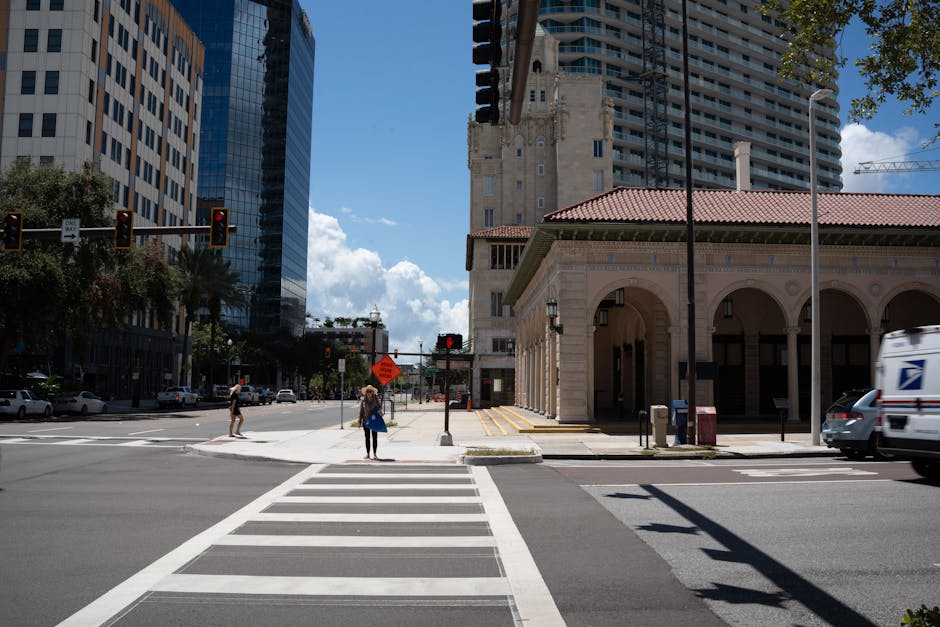
The statistical baseline for premium acquisitions has shifted significantly, requiring buyers to recalibrate financial expectations. Active luxury inventory remains tightly constrained at approximately 120 prime listings, creating a highly competitive environment for exceptional estates. With median list prices nearing $2.5 million and average asks exceeding $3.2 million, the barrier to entry demands decisive capital deployment. The psychological ceiling is also being tested, with national media noting a recent Tampa estate asking a record $115 million, underscoring the expanding scale of regional investments.
Activity remains concentrated in established corridors recognized for irreplaceable geographic advantages. South Tampa, Davis Islands, and the Bayshore Boulevard corridor continue to command substantial pricing premiums. However, sophisticated buyers are increasingly expanding search parameters, evaluating emerging enclaves where architecturally significant renovations and custom new construction are setting entirely new neighborhood pricing benchmarks.
Waterfront Valuations and Coastal Assets
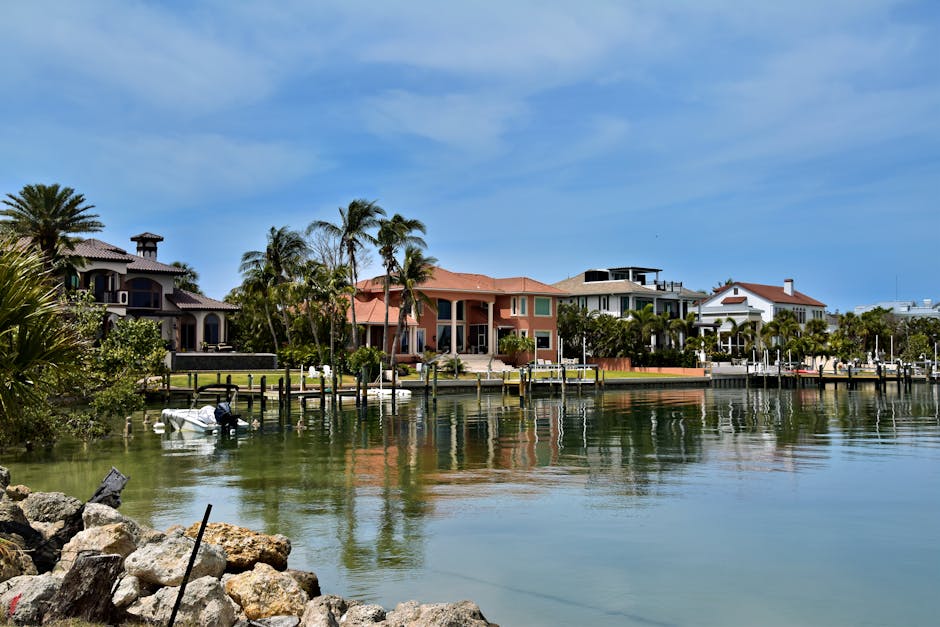
Navigable waterfront property remains the definitive asset class within the region, acting as the primary catalyst for market appreciation. As observed by legal analysts, Tampa Bay’s waterfront has emerged as a primary luxury real estate market. This asset class represents a finite resource where baseline valuation is dictated not merely by interior square footage, but by linear feet of water frontage, immediate open bay access, and unobstructed sightlines.
Evaluating coastal assets requires meticulous attention to infrastructural details and local municipal regulations. Market value is heavily influenced by the composition of seawalls, the depth of navigational draft available for private vessels, and the presence of grandfathered dock footprints that cannot be replicated under current environmental regulations. Buyers targeting coastal communities must factor these critical hard assets into their initial financial modeling.
Furthermore, coastal resilience dictates ongoing holding costs and insurance viability. Evaluating a property’s adherence to modern hurricane-rated engineering codes and its base flood elevation is critical for asset protection. Substantial price bifurcations exist between legacy structures requiring extensive mitigation and new construction meticulously engineered to exceed current regulatory resilience thresholds.
The Maturing Luxury Condominium Sector
While single-family estates have traditionally dominated the regional narrative, the vertical luxury sector is undergoing a rapid evolution. Financial analysts observe that Tampa remains an early-stage luxury condo market. This phase of development offers a favorable opportunity matrix for buyers seeking premium amenities and immediate equity growth without the carrying burdens of maintaining a sprawling estate.
Demand is increasingly driven by executives requiring primary urban residences, affluent empty-nesters downsizing their footprint, and buyers seeking highly-amenitized, lock-and-leave environments. The epicenter of this activity surrounds the Water Street district and the downtown core, where developers are integrating residential towers with premium hospitality, fine dining, and comprehensive wellness services into a cohesive lifestyle ecosystem.
Acquiring vertical assets requires specialized due diligence distinct from single-family purchases. Buyers must thoroughly scrutinize developer capitalization, review construction execution timelines, and verify the structural integrity of the building. Analyzing the specific ratio of primary residents to transient investors, alongside an exhaustive forensic audit of the homeowners association’s reserve funding, is essential to protect the asset’s long-term liquidity.
Strategic Due Diligence for Premium Acquisitions
Executing transactions in the upper echelons of the real estate market demands an elevated, uncompromising level of scrutiny. Standard residential inspections are entirely insufficient for complex waterfront estates or technologically advanced penthouses. Buyers must assemble a dedicated advisory team, incorporating structural engineers, environmental consultants, and specialized maritime attorneys to assess riparian rights.
A rigorous, empirical evaluation protocol minimizes exposure to unforeseen financial liabilities. The following criteria should form the baseline of your technical analysis when targeting significant real estate acquisitions:
- Verify documented deep-water access, tidal variations, and local navigational draft restrictions relative to specific vessel requirements.
- Assess the redundancy and future obsolescence timeline of the property’s technological infrastructure, focusing heavily on climate control.
- Evaluate the structural engineering and comprehensive permitting history of recent renovations in historically protected neighborhoods.
- Audit association financial statements, engineering reports, and identify pending special assessments prior to executing condominium contracts.
- Analyze micro-market historical appreciation rates, recent comparable sales, and zoning protections relative to broader regional trends.
- Commission comprehensive environmental testing, soil stability reports, and specialized seawall integrity assessments for coastal parcels.
Balancing Lifestyle Demands with Location
Real estate acquisition at this tier is intrinsically linked to strategic lifestyle positioning and daily efficiency. The seamless integration of a property’s location with personal objectives—such as convenient proximity to elite private aviation hubs, specialized medical facilities, and premier educational institutions—fundamentally influences the asset’s immediate utility and its enduring generational value.
The accelerated cultural maturation of the region also plays a pivotal role in neighborhood selection. Affluent buyers increasingly prioritize sophisticated urban programming and walkable access to high-end culinary districts. The substantial draw of major community events like Riverfest demonstrates the powerful appeal of integrating private residential life with the city’s rapidly expanding cultural footprint.
However, urban accessibility must be carefully balanced against the desire for ultimate privacy and security. Navigating infrastructural growth requires highly strategic geographical choices. Buyers must critically weigh the absolute seclusion of privately gated, deep-water enclaves against the practical realities of daily transit times to primary business centers, creating an individualized matrix for evaluating location-based premiums.
Navigating the Transactional Landscape
Entering a constrained, high-demand market requires precise, strategic execution. In scenarios where exceptional properties generate immediate competitive interest from multiple qualified parties, the structural composition of an offer is frequently as critical as the top-line financial valuation. Strategic utilization of verified proof of funds, expedited inspection timelines, and flexible closing schedules can successfully secure assets against numerically superior bids.
Furthermore, it is crucial to understand that a significant percentage of top-tier estates trade entirely off-market. These exclusive, quiet transactions occur well outside public syndication platforms, preserving absolute privacy for high-profile principals. Accessing this highly coveted shadow inventory requires representation that possesses deep, entrenched, and trusted relationships within the local financial and real estate communities.
Establishing an accurate, data-backed baseline for valuation is the mandatory first step in formulating a successful acquisition strategy. We strongly encourage prospective buyers to begin their preliminary research by reviewing our actively managed, curated portfolio of luxury homes for sale to understand current market benchmarks, pricing stratifications, and the architectural trends defining the region.
Next Steps for Strategic Execution
The premium real estate sector heavily rewards deliberate, well-informed action and penalizes hesitation. Whether you are actively acquiring a generational waterfront compound, transitioning your primary residence to a vertical luxury penthouse, or strategically divesting a significant asset from your portfolio, the margin for error is minimal. Ultimate success depends entirely on nuanced market intelligence, empirical data analysis, and flawless transactional execution.
A bespoke strategy, meticulously tailored to your specific financial parameters and lifestyle objectives, is mandatory. Standardized, volume-based approaches completely fail to account for the intricate micro-market complexities that dictate underlying value and liquidity in the high-end sector. Partnering with a dedicated, experienced advisor ensures your market position is protected and optimized at every single phase of the process.
To discuss your specific real estate objectives in detail, evaluate confidential off-market opportunities, or to request a private, comprehensive property briefing, contact our advisory team for a confidential consultation. Our rigorous market knowledge and execution capabilities remain entirely at your disposal.
Your next move in Tampa luxury
Get current inventory, pricing guidance, and private-tour support from our brokerage team.
Source highlights
- Tampa’s Price Record Is $22.5 Million. This Huge Estate Is Asking $115 Million. – WSJ
- Tampa Bay’s most expensive luxury home sales of 2025 – Tampa Bay Times
- Tampa Bay luxury market grows stronger despite national declines – The Business Journals
- Jennifer Zales Unveils Venetian Isles Waterfront Luxury Now Offered At A New Price – Haute Living
- Why Tampa remains an early-stage luxury condo market – Tampa Bay Business & Wealth
- Tampa Bay’s Waterfront Emerges as a Primary Luxury Real Estate Market – The National Law Review
- Things To Do In Tampa This Weekend: Best Festivals & Events Going On – That's So Tampa
- Riverfest and other events take over Tampa this weekend | What to know before you go – wtsp.com



