


Market Composition and Current Inventory Dynamics
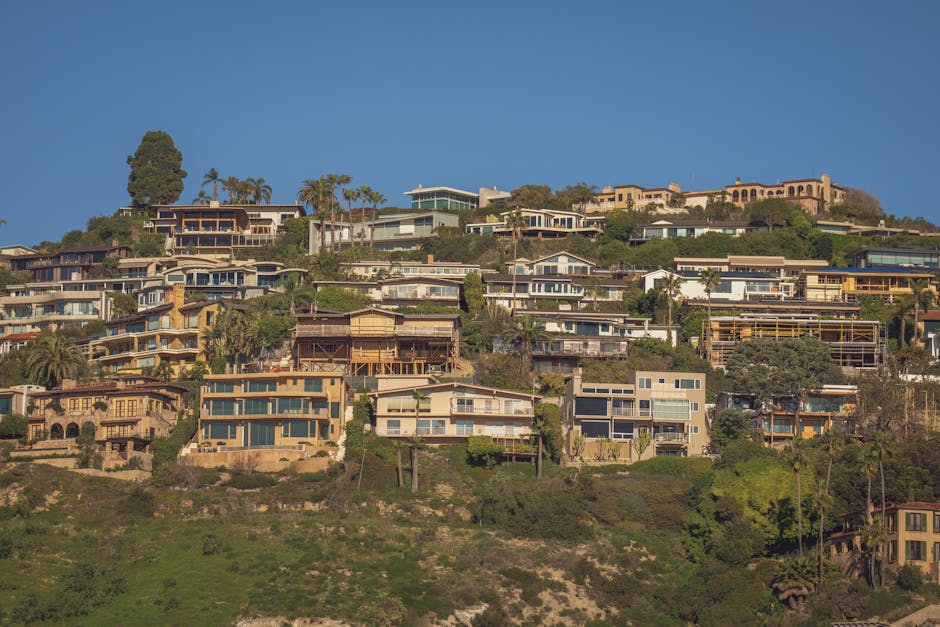
The high-end residential sector in Tampa is currently characterized by a sophisticated recalibration of value. As of the second quarter of 2026, the inventory of luxury properties remains disciplined, with approximately 120 active listings commanding a median list price of $2,499,000. This supply-side constraint, coupled with an average list price exceeding $3.2 million, indicates a market that has transitioned from rapid appreciation to a phase of sustained stability. Sophisticated buyers are no longer reacting to scarcity but are instead conducting rigorous comparative analyses of spatial utility and historical performance of specific enclaves within the region.

Understanding the distinction between listed price and realized value is paramount in the current climate. While prominent estates like those found on Troutwater Lane or Florida Avenue set high benchmarks, the underlying strength of the market is evidenced by its resilience against national fluctuations. According to The Business Journals, Tampa Bay’s luxury segment continues to grow stronger despite broader economic shifts. This divergence is driven by a consistent influx of private capital and a permanent shift in buyer demographics, where the local market is viewed as a reliable vehicle for capital preservation rather than speculative gain.
For the active participant, the current landscape offers a diverse array of property types ranging from sprawling residential estates to high-value land holdings suitable for custom development. The concentration of wealth remains focused on core neighborhoods such as Hyde Park, Davis Islands, and Beach Park. These areas continue to absorb high-value transactions because they offer a blend of architectural significance and proximity to the city’s evolving commercial hubs. By analyzing the absorption rates of properties priced above the $2.5 million threshold, advisors can identify pockets of opportunity where the price-per-square-foot remains competitive relative to long-term infrastructure improvements.
The Ascent of Waterfront Assets as Primary Residences
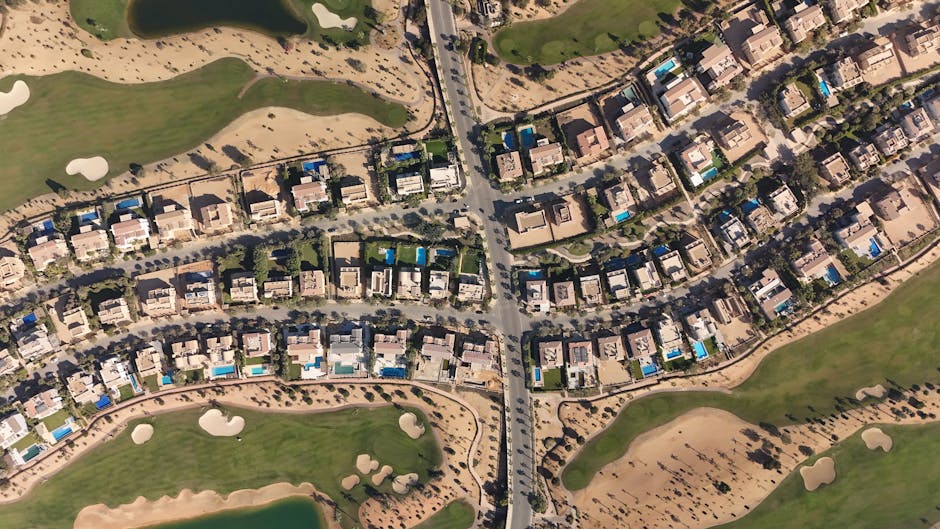
A fundamental shift has occurred in how waterfront property is perceived in the Florida market. Traditionally viewed as secondary or seasonal assets, Tampa’s coastal and riparian offerings are now firmly established as primary residences for the executive class. This transition is highlighted by the National Law Review, which notes the emergence of these areas as a primary luxury real estate market. The demand for deep-water access and expansive views is now balanced with a requirement for functional daily living, necessitating floor plans that accommodate professional-grade home offices and multi-generational living suites.
Neighborhoods like Davis Islands and Culbreath Isles have seen a concentration of this demand, leading to significant architectural evolution. Modernist coastal designs are replacing older structures, with a focus on structural elevation and storm-resilient engineering that exceeds standard building codes. Buyers in this segment are increasingly focused on the longevity of the site, evaluating sea wall integrity and flood mitigation systems with the same intensity as interior finishes. This analytical approach to acquisition ensures that the asset remains viable and liquid in an era where environmental considerations are a standard component of due diligence.
The price ceiling for waterfront property in the region continues to be challenged. While the record for the area has recently hovered around $22.5 million, new offerings are entering the market with significantly higher valuations, reflecting the global appeal of the Gulf Coast. For instance, reports from the Wall Street Journal discuss estates in the region asking over $100 million, signaling a new era of ultra-luxury. For most high-net-worth individuals, however, the focus remains on the $3 million to $10 million bracket, where the most significant concentration of primary residence upgrades is occurring.
Evaluating New Construction vs. Historic Renovations
In mature neighborhoods like Hyde Park and Palma Ceia, a perennial debate exists between the acquisition of new, high-specification construction and the restoration of historically significant residences. New construction offers the advantage of immediate occupancy and the latest in energy-efficient systems, but historic homes provide a level of character and site placement that is often impossible to replicate. Sophisticated buyers often weigh the total cost of ownership, including the potential for significant appreciation in meticulously restored vintage properties that occupy premier lots.
Current trends suggest that a hybrid approach is gaining favor. Many market participants are seeking out historic exteriors that have been completely reimagined with contemporary, open-concept interiors. This balance preserves the aesthetic harmony of the neighborhood while delivering the spatial utility required by modern lifestyles. Buyers should pay close attention to the quality of materials in newer developments, ensuring that the “luxury” label is backed by high-grade stonework, custom millwork, and top-tier appliance packages that will withstand the scrutiny of future resale.
For those considering the South Tampa corridor, the decision often comes down to the availability of space. Newer builds in areas like Beach Park often maximize lot coverage, providing expansive square footage on slightly smaller parcels. Conversely, older estates in areas like Sunset Park may offer larger lot sizes but require significant capital expenditure to bring systems up to 2026 standards. Analyzing recent sales data from the Tampa Bay Times reveals that both categories perform well, provided the quality of execution is high. The key is identifying which asset type aligns most closely with your long-term residency plans and risk tolerance for renovation timelines.
Due Diligence Checklist for High-Value Transactions
Navigating a luxury acquisition requires a systematic approach to verification that goes beyond the standard residential inspection. Buyers at this level must involve a team of specialists to ensure that every aspect of the physical asset and the legal title is sound. The following checklist outlines the essential components of a sophisticated due diligence process for Tampa luxury real estate.
- Verification of shoreline stabilization and sea wall integrity for all waterfront parcels.
- Comprehensive assessment of smart-home integration and cybersecurity protocols for internal networks.
- Review of neighborhood-specific architectural review board (ARB) guidelines for future exterior modifications.
- Analysis of historical elevation certificates and current flood mitigation engineering.
- Evaluation of private security infrastructure, including perimeter monitoring and gated access reliability.
- Audit of HVAC zoning and humidity control systems to ensure preservation of high-value artwork or collections.
Each of these points represents a critical layer of value protection. For instance, in an environment where smart home technology is standard, the quality of the underlying network infrastructure can significantly impact daily convenience. Similarly, understanding the constraints of a local ARB can prevent costly delays if you intend to add a detached guest suite or expand an outdoor culinary center. By addressing these factors early in the negotiation phase, buyers can secure concessions or ensure that the property is truly prepared for a high-value transfer.
The Shift Toward Integrated Wellness and Privacy Features
In 2026, the definition of luxury has expanded to include a deep focus on personal wellness and absolute privacy. High-end buyers are increasingly prioritizing properties that function as self-contained sanctuaries. This includes the integration of dedicated wellness wings featuring infrared saunas, cold plunge pools, and professional-grade fitness centers. The objective is to create a living environment that supports physical health without the need for external facilities, a trend that has accelerated among the city’s executive and entrepreneurial populations.
Privacy is the other primary driver of current market movements. Estates with mature landscaping, strategic site orientation, and sophisticated perimeter security are commanding premiums. In neighborhoods like Avila, the gated nature of the community is a baseline requirement, but buyers are looking for even more internal privacy within the lot itself. This is achieved through the use of interior courtyards, subterranean garages, and screened outdoor living spaces that provide seclusion from neighboring properties. For the modern buyer, the ability to disappear into their residence is a non-negotiable luxury.
Technology plays a silent but vital role in this shift. Advancements in acoustic engineering allow for quiet living even in more densely populated areas like Harbour Island or the Westshore district. High-performance glazing and sound-dampening insulation are now standard in high-end builds, ensuring that the interior atmosphere remains serene regardless of external activity. As the region continues to grow, these features will become increasingly important for maintaining the long-term desirability and value of the residence.
Regional Growth Drivers: Westshore and Water Street Influence
The geography of wealth in Tampa is being reshaped by large-scale infrastructure and commercial developments. The continued expansion of Water Street and the revitalization of the Westshore district have created new focal points for luxury living. These areas are not just commercial centers; they are lifestyle anchors that provide the high-end dining, boutique retail, and cultural venues that high-net-worth residents demand. The synergy between these urban cores and established residential enclaves like Beach Park and Hyde Park creates a robust ecosystem for real estate value.
Infrastructure improvements, such as the enhancements to the Tampa Riverwalk and the ongoing development of transit corridors, facilitate easier movement between these hubs. This connectivity is a major draw for professionals who work in the city center but prefer the seclusion of a traditional estate. According to Florida Trend, the regional real estate market is benefiting from this holistic approach to urban planning, which integrates luxury housing with high-quality public spaces and economic opportunities.
Looking forward, the maturation of the luxury condo market also plays a significant role. As noted by Tampa Bay Business & Wealth, the region is still in the early stages of its luxury high-rise evolution. This provides an alternative for those seeking a more maintenance-free lifestyle without sacrificing the amenities or security of a traditional estate. Whether choosing a vertical residence in the city center or a sprawling waterfront parcel on the outskirts, the common thread is a commitment to quality and a recognition of Tampa’s position as a premier destination for global capital.
Navigating these complexities requires a partner who understands the nuances of the local landscape and the specific requirements of the luxury consumer. Whether you are looking to divest a significant asset or are searching for your next strategic acquisition, having access to real-time inventory and analytical insights is essential. We invite you to browse our current luxury listings to understand the breadth of opportunity available in today’s market. For a confidential discussion regarding your specific real estate objectives and to develop a tailored acquisition strategy, please contact a private advisor today.
Your next move in Tampa luxury
Get current inventory, pricing guidance, and private-tour support from our brokerage team.
Source highlights
- Tampa’s Price Record Is $22.5 Million. This Huge Estate Is Asking $115 Million. – WSJ
- Tampa Bay’s most expensive luxury home sales of 2025 – Tampa Bay Times
- Tampa Bay luxury market grows stronger despite national declines – The Business Journals
- Why Tampa remains an early-stage luxury condo market – Tampa Bay Business & Wealth
- Tampa Bay’s Waterfront Emerges as a Primary Luxury Real Estate Market – The National Law Review
- Florida Trend Real Estate – Florida Trend
- Things To Do In Tampa This Weekend: Best Festivals & Events Going On – That's So Tampa
- Riverfest and other events take over Tampa this weekend | What to know before you go – wtsp.com



