


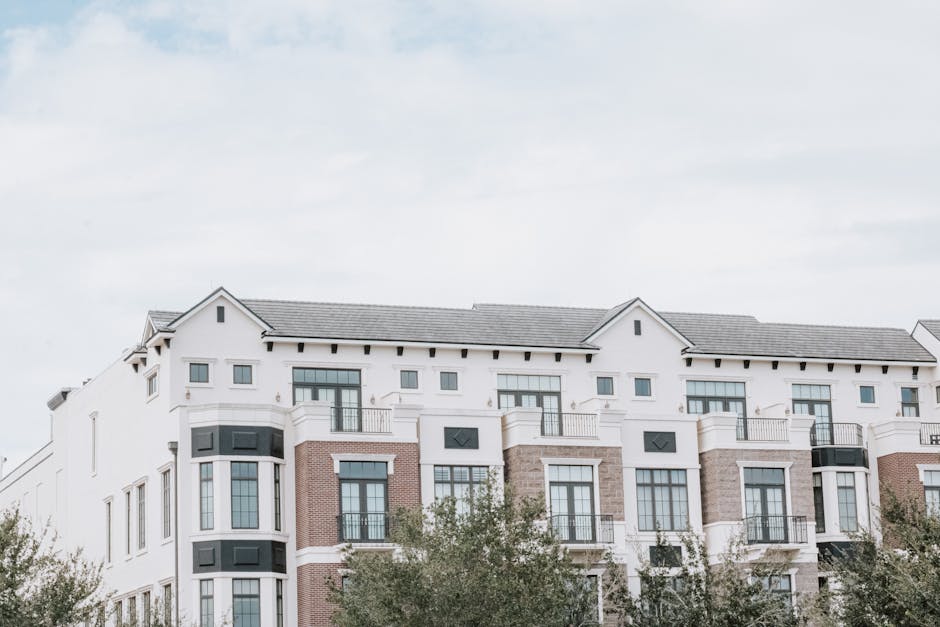
The Escalation of Tampa High-End Valuations
The Tampa luxury real estate sector is currently undergoing a structural transformation. What was once considered a secondary market for seasonal residents has matured into a primary destination for permanent wealth relocation. This shift is punctuated by a new tier of pricing that challenges traditional Florida benchmarks. Recently, the market witnessed an unprecedented move with a significant estate entering the market at a nine-figure valuation, a sharp contrast to the previous record of $22.5 million. This indicates a growing confidence among sellers that Tampa can support the same ultra-high-net-worth profiles typically reserved for Palm Beach or Miami.
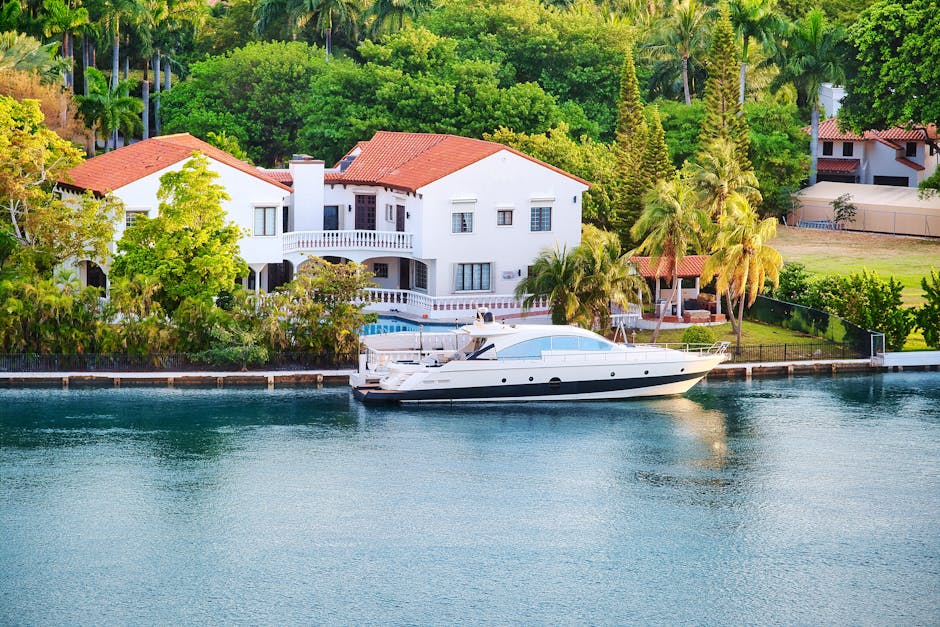
According to reports from the Wall Street Journal, the introduction of $100-million-plus listings signals a fundamental change in how global buyers perceive the region’s ceiling. Analysts observe that these figures are not merely aspirational; they are supported by a tightening inventory of oversized waterfront lots and a surge in corporate executives seeking permanent residency. For the advisor-led buyer, this means the window for entry-level luxury—historically defined at much lower price points—is closing as the median list price for active inventory holds steady near $2.5 million.
Current market movements suggest that buyers are prioritizing long-term utility over speculative gains. The demand for primary residences with sophisticated home offices, multi-generational living spaces, and integrated wellness suites has become the standard. While the national market has seen fluctuations, The Business Journals note that Tampa Bay’s luxury segment remains resilient, outperforming broader national trends due to the continuous influx of out-of-state capital and a favorable tax environment.
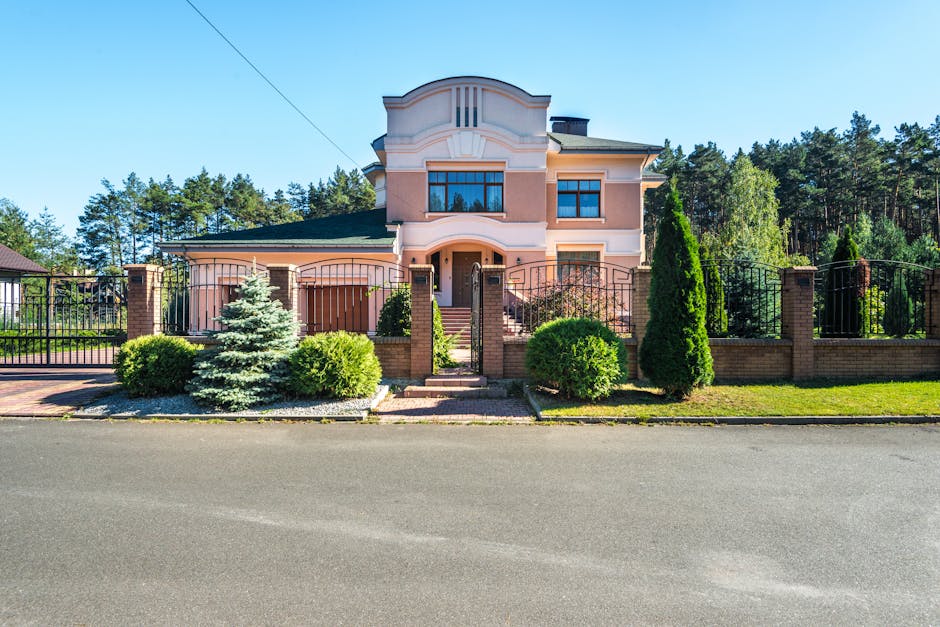
The Waterfront Primary Market Emergence
Waterfront assets remain the most stable hedge against market volatility in the Gulf Coast region. However, the nature of waterfront ownership is changing. Modern buyers are looking beyond the view, focusing instead on the technical infrastructure of the property, including seawall integrity, elevation levels, and proximity to the urban core. Areas like Davis Islands and Beach Park have seen a concentration of high-value sales as buyers prioritize large-scale estates that offer both privacy and rapid access to Tampa’s growing financial district.
The National Law Review identifies Tampa’s waterfront as an emerging primary market, noting that the legal and logistical framework of these transactions is becoming increasingly complex. Buyers are no longer just purchasing a home; they are acquiring a complex asset that requires rigorous due diligence regarding riparian rights and coastal construction codes. This sophistication is a hallmark of a mature market where the buyer’s intent is permanent settlement rather than a short-term holding.
Inventory remains the primary constraint for waterfront seekers. With only approximately 120 active luxury listings across the region, the competition for prime lots is high. This has led to an increase in “tear-down” acquisitions where buyers purchase older structures for the underlying land value, often exceeding $2 million for the lot alone. This behavior reflects a market where the value of the location is decoupled from the existing improvements, emphasizing the scarcity of premium coastal soil in established neighborhoods.
The Evolution of the Luxury Condo Segment
While single-family estates dominate the headlines, the vertical luxury segment is providing a necessary release valve for the inventory shortage. Tampa is currently in what experts call an “early-stage” luxury condo market. This phase is characterized by a shift from mid-rise suburban buildings to high-performance, amenity-rich towers in the urban core and along the Bayshore Boulevard corridor. These developments are designed to mimic the service levels of five-star resorts, appealing to the lock-and-leave lifestyle required by global professionals.
Analysis from Tampa Bay Business & Wealth suggests that the condo market still has significant room for growth compared to other major Florida metros. The current pipeline of developments is focused on larger floor plans, often exceeding 3,000 square feet, to accommodate families who are moving away from traditional suburban layouts. This trend is driven by the desire for walkability and the proximity to cultural hubs like Water Street and the Riverwalk, where luxury hospitality and high-end dining have become centralized.
For the strategic investor, the condo segment offers a more predictable maintenance profile and a concentrated set of amenities. However, the selection process requires a focus on developer reputation and the long-term viability of the homeowners’ association. As more towers reach completion, the distinction between true luxury and “premium” offerings will become clearer, with the former being defined by private elevator entries, dedicated concierge services, and advanced security protocols.
Strategic Acquisition Checklist for 2026
Navigating the current inventory requires a disciplined approach that balances immediate lifestyle needs with long-term asset preservation. Successful acquisitions in this environment are rarely the result of impulse; they are the product of exhaustive market comparisons and a clear understanding of neighborhood-specific trends. Buyers should focus on the following technical and lifestyle variables during their search:
- Verify seawall age and construction material for any waterfront property.
- Analyze neighborhood-level sales data from 2025 to establish a realistic price-per-square-foot baseline.
- Assess the proximity to private aviation hubs such as Tampa International or Peter O. Knight.
- Evaluate the floor plan’s adaptability for high-speed fiber connectivity and home office integration.
- Confirm the existence of any transferable builder warranties for new or recent constructions.
- Investigate planned municipal infrastructure projects that may impact local traffic or noise levels.
- Review the property’s elevation certificate and current flood insurance requirements under recent legislative changes.
By checking these boxes, buyers can move beyond the aesthetic appeal of a property and understand its functional value. In a market where the median list price is $2,499,000, the margin for error in due diligence is slim. Sophisticated buyers often engage specialized advisors to perform these audits before entering the contract phase, ensuring that the acquisition aligns with a broader wealth management strategy.
Comparing Value Across Tampa Neighborhoods
The diversity of Tampa’s luxury landscape allows for varied lifestyle configurations, from the historic charm of Hyde Park to the sprawling modernism of Culbreath Isles. Each enclave offers a distinct value proposition. Hyde Park remains the premier choice for those seeking architectural character and a walkable urban experience, whereas areas further south offer larger lot sizes and more substantial privacy buffers. Understanding these micro-market nuances is essential for identifying undervalued opportunities.
Recent sales data from the Tampa Bay Times highlights that the highest concentration of $5-million-plus transactions is no longer limited to a single neighborhood. This geographic dispersion of wealth indicates that the entire South Tampa peninsula is becoming a unified high-end zone. Buyers are increasingly willing to trade a specific street name for a better-performing floor plan or a more modern amenity package, suggesting a shift toward functional luxury over historical prestige.
Furthermore, the land market in Tampa has become a sector of its own. With land listings reaching significant price points, such as those seen on West Dr. Martin Luther King Jr. Boulevard, investors are recognizing the long-term value of commercial and residential-mix sites. This broader view of real estate—looking at land as a finite resource in a growing city—is a key characteristic of the current market cycle. Whether it is a $2.6 million residence on Troutwater Lane or a multi-acre redevelopment site, the underlying theme is the same: the acquisition of space in a high-demand, low-supply environment.
The Role of Cultural Infrastructure in Property Value
Luxury real estate does not exist in a vacuum; it is supported by the surrounding cultural and social infrastructure. Tampa’s rise as a primary residence market has been synchronized with the expansion of its arts, dining, and professional sports scenes. Events like the annual Pride of Tampa or various high-end festivals in nearby St. Petersburg, often detailed by I Love the Burg, provide the lifestyle density that affluent residents expect. This cultural maturation makes the region more than just a place to own property; it makes it a place to live.
The integration of lifestyle and real estate is most evident during the spring months, when Tampa’s climate and event calendar are at their peak. High-net-worth individuals moving from the Northeast or Midwest are often drawn by the ability to maintain an active, outdoor lifestyle year-round. This continuous engagement with the city’s offerings—from the Riverwalk to the various waterfront festivals—reinforces the property values in the surrounding neighborhoods, creating a virtuous cycle of investment and improvement.
As the city continues to host major national events and expand its culinary footprint, the “lifestyle tax” seen in other major metros remains relatively low in Tampa. This relative value, combined with the lack of state income tax, creates a compelling financial narrative. Buyers are not just looking for a home; they are looking for an ecosystem that supports their personal and professional lives. The strength of this ecosystem is what will continue to drive the luxury market forward through the remainder of 2026 and beyond.
Final Considerations for the Sophisticated Buyer
The Tampa luxury market is no longer a follower of national trends; it is a leader. With a median list price reflecting a new standard of quality and a limited inventory of 120 active high-end listings, the current environment favors the decisive and the well-informed. The transition to a primary residence market has increased the complexity of every transaction, making professional guidance more critical than ever. Whether you are analyzing the structural integrity of a waterfront estate or the long-term appreciation potential of a downtown condo, the focus must remain on the data and the specific implications for your portfolio.
As you evaluate the current opportunities, from the modern estates of South Tampa to the emerging vertical luxury of the urban core, remember that the most successful acquisitions are those made with a clear view of the market’s trajectory. We invite you to browse our curated selection of luxury listings to understand the current inventory depth. For a more personalized analysis of how these market shifts impact your specific acquisition goals, please contact a private advisor to begin a confidential consultation.
Your next move in Tampa luxury
Get current inventory, pricing guidance, and private-tour support from our brokerage team.
Source highlights
- Tampa’s Price Record Is $22.5 Million. This Huge Estate Is Asking $115 Million. – WSJ
- Tampa Bay’s most expensive luxury home sales of 2025 – Tampa Bay Times
- Tampa Bay luxury market grows stronger despite national declines – The Business Journals
- Why Tampa remains an early-stage luxury condo market – Tampa Bay Business & Wealth
- Tampa Bay’s Waterfront Emerges as a Primary Luxury Real Estate Market – The National Law Review
- Florida Trend Real Estate – Florida Trend
- Things To Do In St Pete This Weekend: Best Festivals & Events Going On In St Petersburg – I Love the Burg
- Tampa weekend events: Concerts, festivals and downtown family fun — What to know before you go – FOX 13 Tampa Bay



