


Revisiting the Ceiling: Waterfront Valuation in a New Era
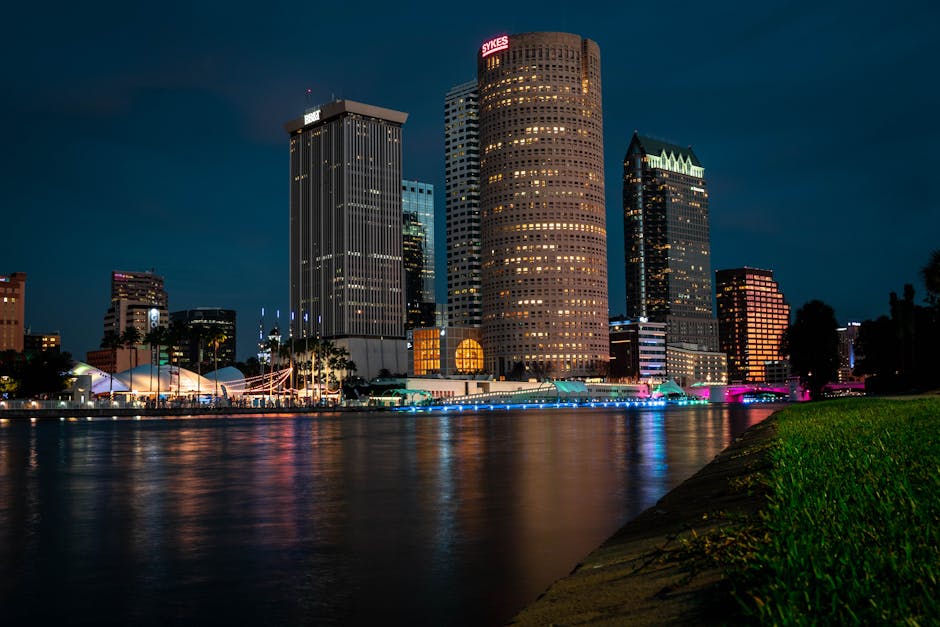
Tampa’s luxury real estate landscape is currently experiencing a fundamental recalibration. For years, the local price record stood at $22.5 million, a figure that defined the upper bound of the market. However, recent movements indicate a significant shift in ambition and capital allocation. As reported by the Wall Street Journal, a massive estate has recently entered the market with an asking price of $115 million, signaling that the ceiling for elite waterfront assets has been effectively removed. This is not merely an outlier; it represents a broader trend of ultra-high-net-worth individuals viewing Tampa as a primary repository for generational wealth.
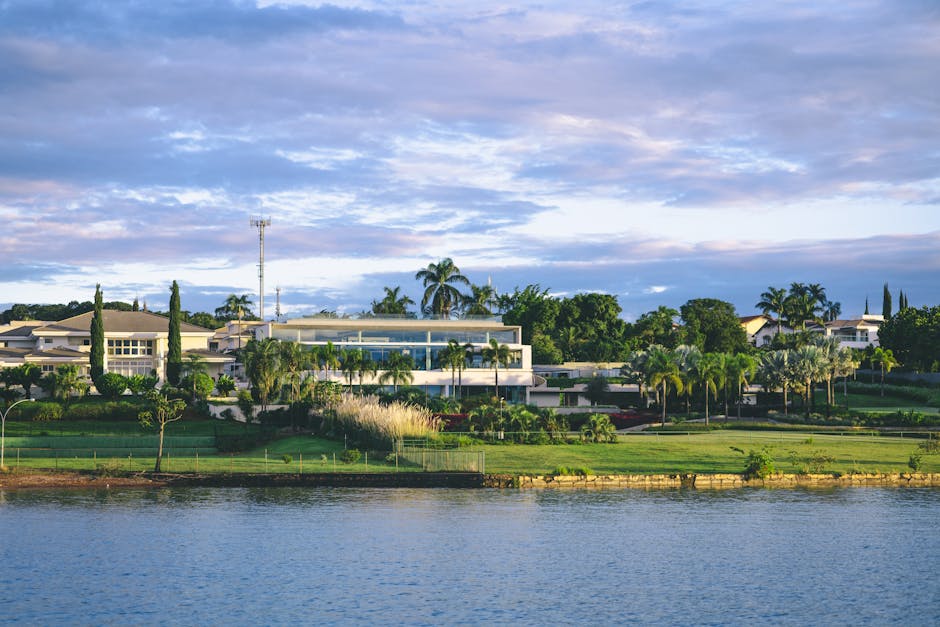
As an advisor, I observe that the buyer profile has transitioned from seasonal speculators to permanent residents who prioritize privacy, substantial acreage, and sophisticated infrastructure. The scarcity of large waterfront parcels in neighborhoods like Davis Islands and Culbreath Isles has created a competitive environment where valuation is driven more by replacement cost and land rarity than by standard comparable sales. For those looking to secure a position in this tier, the focus should remain on the long-term utility of the property rather than immediate appreciation metrics, given the low velocity of such high-value inventory.
Current market participation requires a nuanced understanding of these specific micro-markets. While the headline figures attract attention, the underlying stability of the market is anchored by consistent demand for turn-key estates. Buyers are increasingly discerning, favoring modern architectural standards and advanced storm mitigation over legacy aesthetics. This shift ensures that the top end of the market remains insulated from broader economic fluctuations, as these assets are viewed as inflation hedges and essential lifestyle components for the global elite relocating to Florida.
Inventory Equilibrium: Analyzing the Current $2.5 Million Median
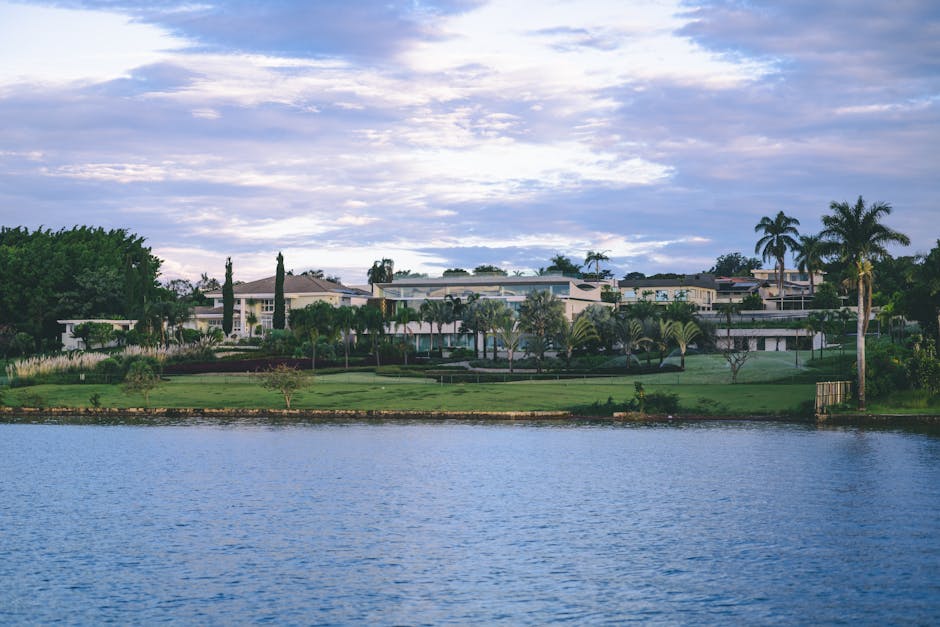
The current luxury inventory in Tampa consists of approximately 120 active listings, reflecting a balanced yet competitive environment. The median list price currently sits at $2,500,000, while the average list price has climbed to $3,308,129. This discrepancy between the median and average indicates a heavy concentration of value at the upper extreme of the market, particularly for waterfront residences and expansive estates in historic enclaves. For buyers, this means the ‘entry-level’ luxury segment is well-defined, but the path to true exclusivity requires a significant step up in capital commitment.
When analyzing specific opportunities, such as the estate at 2 Troutwater Lane listed for $2,650,000 or the commercial-residential potential of properties near Florida Avenue, it becomes clear that location-specific utility is the primary driver of value. Wealthy buyers are moving away from generic luxury and toward properties that offer specific logistical advantages, such as proximity to elite private schools or the executive terminals at Tampa International Airport. Understanding these patterns is essential for identifying value in a market that has seen consistent upward pressure on pricing despite national interest rate volatility.
The strength of the local market is further validated by institutional and high-level reporting. According to The Business Journals, the Tampa Bay luxury market continues to grow stronger even as national trends show signs of decline. This resilience is a result of sustained domestic migration and a limited supply of high-quality, newly constructed homes. For those evaluating the market, the current LISTINGS URL provide a clear snapshot of the available inventory and the pricing standards currently being set in the most desirable corridors.
The Transition to Primary: Why Tampa Waterfront Is No Longer Seasonal
A significant development in the 2026 market is the emergence of Tampa’s waterfront as a primary real estate market. Historically, high-end waterfront properties were often secondary or tertiary holdings. Today, however, the National Law Review notes that this sector has matured into a primary destination for corporate leaders and entrepreneurs. This transition has profound implications for neighborhood infrastructure, local services, and long-term property values, as these owners are more invested in the local community year-round.
Neighborhoods like Hyde Park and Bayshore Boulevard are seeing a transformation in buyer behavior. Instead of looking for ‘vacation vibes,’ buyers are demanding high-speed connectivity, sophisticated home offices, and proximity to the city’s growing cultural and culinary core. The integration of luxury living with urban utility has made these areas particularly resilient. The market movement is no longer dictated by the winter season; it is driven by professional cycles and family requirements, which has stabilized demand throughout the calendar year.
Furthermore, the investment in local events and infrastructure supports this primary-market status. From high-profile festivals to refined weekend gatherings, the city’s social calendar is robust. Prospective residents often monitor these developments to gauge the ‘livability’ of the area. For instance, staying informed via FOX 13 Tampa Bay regarding weekend traffic and events is a practical step for those integrating into the local fabric. This shift toward permanent residency is a strong indicator of the market’s long-term viability and reduced volatility.
Strategic Acquisition: The Senior Advisor’s Due Diligence Checklist
When evaluating high-value assets in the current environment, standard inspections are insufficient. I recommend a more analytical approach that accounts for the specific environmental and structural requirements of the Florida coast. A successful acquisition is one that balances aesthetic preference with rigorous technical verification.
- Verify elevation certificates and confirm the property’s current compliance with updated FEMA standards and local building codes.
- Assess seawall integrity and dockage capacity, particularly for estates on the open bay or deep-water canals.
- Evaluate the home’s mechanical systems, including multi-zone HVAC units and integrated smart-home security protocols.
- Analyze neighborhood-level sales data over a 24-month period to distinguish between hype-driven pricing and sustainable value.
- Confirm the status of any existing homeowners association or historic preservation restrictions that may limit future renovations.
By adhering to this checklist, buyers can move beyond the surface-level appeal of a property and understand its true cost of ownership. In a market where the average list price exceeds $3.3 million, the margin for error is slim. It is essential to engage with an advisor who can provide direct, data-backed guidance rather than generic market commentary. Precision in the due diligence phase is what separates a sound investment from a liability.
Vertical vs. Horizontal: The Maturing Condo Sector
While the single-family estate remains the cornerstone of the Tampa luxury market, the vertical sector is undergoing a rapid evolution. Historically, Tampa was not considered a high-density luxury market. However, Tampa Bay Business & Wealth highlights that the city remains an early-stage luxury condo market with significant growth potential. The introduction of high-rise developments in Water Street and along Bayshore has introduced a new level of service and amenity that was previously unavailable.
For many affluent buyers, the decision between a traditional home and a luxury condominium comes down to the management of time and risk. Condominium living offers a ‘lock-and-leave’ lifestyle and outsourced maintenance, which is particularly attractive to those with multiple global residences. However, the market for these units is currently in a price-discovery phase. Buyers should pay close attention to the track record of developers and the long-term solvency of association reserves. The value proposition here is not just the view, but the comprehensive lifestyle service provided.
Strategic buyers are also looking at how these vertical communities integrate with the surrounding urban environment. The proximity to high-end retail, wellness centers, and social clubs is a key metric. As the market matures, expect to see a greater emphasis on architectural distinction and sustainable building practices. For those undecided between the two paths, reviewing the current market trends can help in making a decision that aligns with both lifestyle needs and financial objectives.
Resilience Indicators: Local Strength vs. National Trends
The resilience of the Tampa luxury market is not accidental; it is the result of focused economic development and a favorable regulatory environment. While other major metropolitan areas have struggled with inventory overhang and price corrections, Tampa has maintained a trajectory of steady growth. This is evidenced by the consistent demand for high-end residential land and commercial sale properties. The local economy’s diversification into tech and financial services has provided a stable base of buyers who are less sensitive to interest rate fluctuations than the general market.
Analyzing the $2,500,000 median price point reveal that the market is currently supported by a healthy level of equity. High-cash-position buyers dominate the luxury segment, which reduces the systemic risk often associated with high-leverage environments. This fiscal sobriety among buyers contributes to the market’s overall health and ensures that price levels are reflective of actual demand rather than speculative bubbles. It is a market where value is earned through quality and location, not just general market momentum.
Investors and primary buyers should also consider the broader Florida context. As noted by Florida Trend, the state continues to lead in wealth migration. Tampa specifically offers a unique value proposition compared to Miami or Palm Beach, providing a more balanced professional and social environment at a relatively more accessible (though rapidly closing) price point. This strategic positioning makes it an attractive destination for capital seeking both lifestyle enhancement and long-term security.
Navigating Growth: Infrastructure and the Modern Tampa Buyer
As Tampa grows, the logistics of navigating the city have become a central consideration for luxury residents. The infrastructure development, while necessary, can impact the daily experience of living in high-demand areas. Understanding traffic patterns and planned municipal projects is as important as understanding the property lines themselves. Savvy buyers are now prioritizing locations that offer multiple points of ingress and egress, as well as proximity to key hubs like the Downtown and Westshore districts.
The city’s commitment to improving these conditions is clear, but the implementation phase requires patience and planning. Informed residents often rely on local government updates and reputable news outlets to manage their schedules. For example, the WTSP advisory reports provide essential context for major weekend events and traffic adjustments. Integrating this level of awareness into the property search process ensures that the transition to a new home is seamless and that the lifestyle remains as efficient as it is sophisticated.
Ultimately, acquiring a luxury property in Tampa in 2026 is an exercise in precision. It requires moving past the superficial and engaging with the data, the infrastructure, and the long-term neighborhood trajectories. Whether you are focused on the historic charm of Hyde Park or the modern allure of a Davis Islands waterfront estate, the objective remains the same: securing a high-quality asset in a market that is increasingly recognized as a global destination for elite capital.
Navigating the complexities of the current luxury market requires an advisor who prioritizes data over hype and strategic insight over simple transactionality. To evaluate the current inventory and identify opportunities that align with your specific requirements, I encourage you to browse the latest LISTINGS URL. For a private consultation regarding market valuation or acquisition strategy, please CONTACT URL an advisor today.
Your next move in Tampa luxury
Get current inventory, pricing guidance, and private-tour support from our brokerage team.
Source highlights
- Tampa’s Price Record Is $22.5 Million. This Huge Estate Is Asking $115 Million. – WSJ
- Tampa Bay’s most expensive luxury home sales of 2025 – Tampa Bay Times
- Tampa Bay luxury market grows stronger despite national declines – The Business Journals
- Why Tampa remains an early-stage luxury condo market – Tampa Bay Business & Wealth
- Tampa Bay’s Waterfront Emerges as a Primary Luxury Real Estate Market – The National Law Review
- Florida Trend Real Estate – Florida Trend
- Tampa weekend events: Concerts, festivals and downtown family fun — What to know before you go – FOX 13 Tampa Bay
- From Blues to BBQ: Tampa’s can’t-miss events this weekend – WMNF 88.5 FM



