


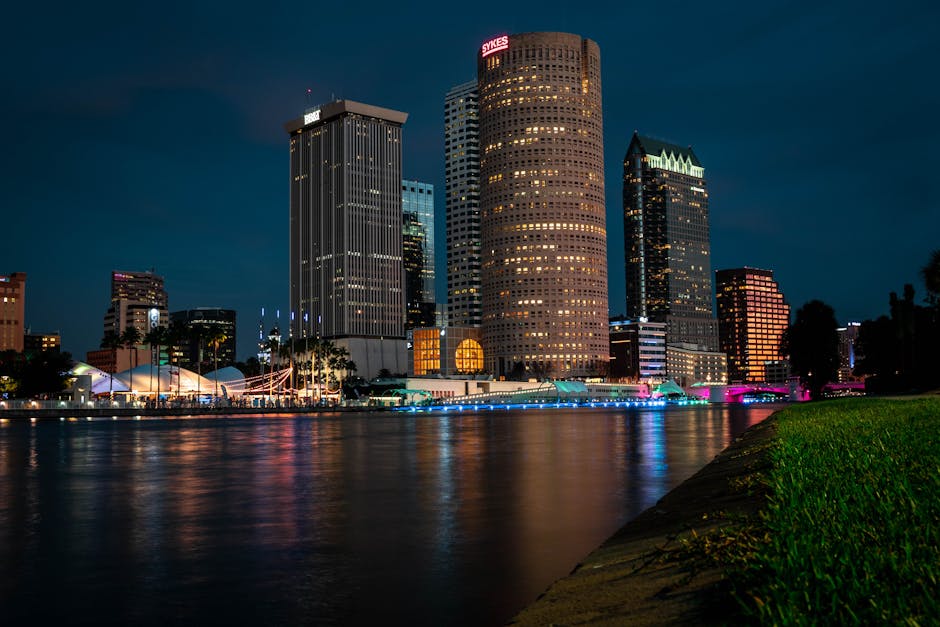
The Evolution of Tampa’s Luxury Baseline
Tampa’s luxury sector has moved past its developmental phase, shedding the reputation of being a secondary market. Today, the median list price for high-end properties sits at $2,500,000, but the ceiling is lifting at an unprecedented rate. Recent reports from The Business Journals indicate that the local market remains resilient even as national trends soften, suggesting a decoupling from broader economic volatility. Buyers are no longer just looking for seasonal retreats; they are seeking high-specification primary residences that offer long-term utility and capital preservation.
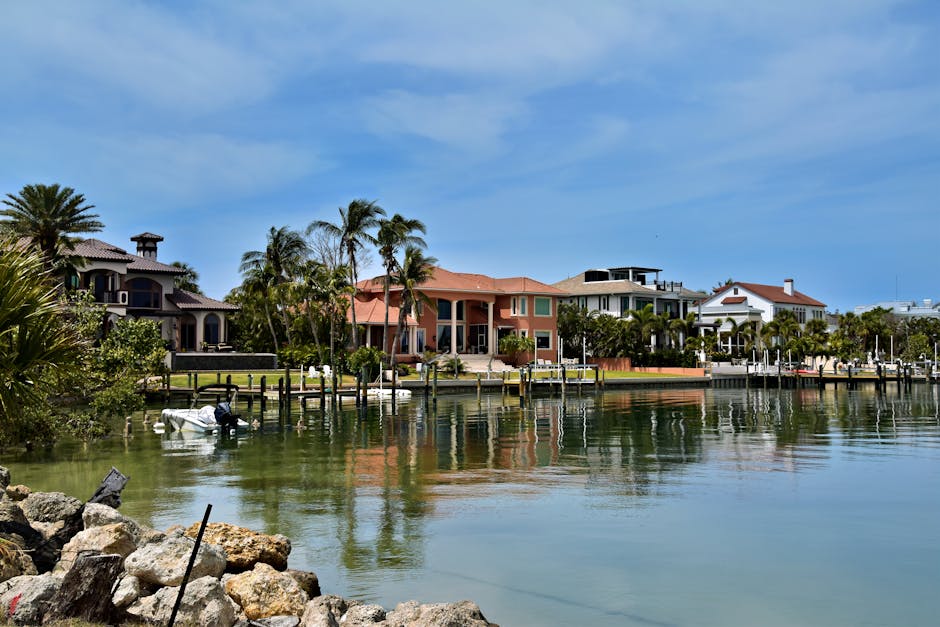
The current inventory of 120 luxury units represents a highly curated selection of estates that reflect a shift in buyer psychology. We are seeing a move away from generic Mediterranean designs toward architecture that prioritizes transparency, clean lines, and integrated technology. The average list price of $3,308,129 reflects this premium on modernization. Properties such as those found on Troutwater Lane or near the North Florida Avenue corridor are setting new benchmarks for what affluent buyers expect in terms of privacy and finishing quality. This is a mature market where the value is found in the details of construction rather than just the plot of land.
For the sophisticated investor, understanding this baseline is critical for evaluating new opportunities. The baseline has shifted because the inbound migration now consists of corporate executives and business owners who are bringing their primary operations to Florida. This creates a feedback loop where demand for high-end services, private education, and exclusive social clubs reinforces the desirability of the real estate itself. The result is a market that feels more stable and predictable than the speculative cycles of the past decade.

Waterfront Maturity and the Primary Residence Shift
The transformation of the Tampa coastline into a primary market is the most significant structural change of the last five years. As highlighted by The National Law Review, Tampa’s waterfront is emerging as a top-tier destination for permanent relocation. This shift is driven by a combination of favorable tax environments and a standard of living that rivals traditional hubs. Buyers are increasingly prioritizing open bay views and deep-water access, recognizing that these assets are finite and increasingly difficult to acquire in established neighborhoods.
Neighborhoods like Davis Islands and Beach Park have seen a surge in tear-down activity, where older structures are being replaced by estates engineered for modern resilience. These new builds are designed to meet rigorous standards for flood elevation and wind resistance without sacrificing aesthetic appeal. This technical maturity in the building stock is a major draw for buyers coming from the Northeast or West Coast who require the same level of security and peace of mind they are accustomed to in other global markets. The focus has shifted from the novelty of living by the water to the practicalities of maintaining a high-value waterfront asset.
Furthermore, the utility of the waterfront has expanded beyond simple aesthetics. Private dockage and riparian rights are now central to the valuation process. Sophisticated buyers are meticulously verifying channel depths and bridge clearances to ensure their vessels can be accommodated year-round. This level of due diligence reflects a buyer who is deeply engaged with the local geography. The waterfront is no longer just a backdrop; it is an active component of the daily lifestyle for Tampa’s most successful residents, blending professional accessibility with private leisure.
The Rise of the Vertical Estate: Luxury Condos
High-rise living in Tampa is undergoing a fundamental change, moving toward what we call the “vertical estate.” Historically, the local luxury market was dominated by single-family homes, but a new wave of developments is offering the space and privacy of a mansion with the convenience of a managed building. According to analysis from Tampa Bay Business & Wealth, the city is still in the early stages of this luxury condo evolution, which presents a unique window for acquisitions. These properties are catering to the lock-and-leave preference of global citizens while providing high-touch services that replicate a five-star hotel experience.
The appeal of these developments lies in their proximity to the urban core and emerging lifestyle hubs. Places like Harbour Island and the downtown corridor provide a walkability that is often missing from traditional suburban estates. For many buyers, the ability to walk to high-end dining, cultural events, and professional centers is worth the transition from a sprawling lawn to a sprawling terrace. These vertical estates often feature floor-to-ceiling glass, 360-degree views of Hillsborough Bay, and private elevator entries, ensuring that the sense of exclusivity remains intact despite the shared structure.
We are also seeing a trend toward larger floor plans in these new towers. It is not uncommon to see four-bedroom units exceeding 4,000 square feet, which was a rarity just a few years ago. This expansion is a direct response to the demand for primary-residence condos. Modern buyers need dedicated home offices, staff quarters, and expansive kitchens even when living in a high-rise. This shift toward larger, more functional spaces is cementing the condo as a viable long-term housing solution for the affluent, rather than just a transitional or retirement option.
Due Diligence Checklist for High-Value Acquisitions
In a market of this caliber, the difference between a successful acquisition and a costly mistake lies in the rigor of your investigation. Before moving forward with a contract, consider the following metrics and variables to ensure the property aligns with both your lifestyle and investment goals.
- Evaluate riparian rights and seawall integrity for all waterfront parcels, ensuring they meet modern engineering standards.
- Compare price-per-square-foot metrics against recent record sales, such as the $22.5 million high mentioned in the Wall Street Journal.
- Assess walkability and proximity to emerging lifestyle hubs like Water Street or Hyde Park Village.
- Review flood elevation certificates and current insurance underwriting standards to anticipate long-term ownership costs.
- Verify private dockage depth and bridge clearance for larger vessel access to the open Gulf.
- Analyze historic appreciation rates in established enclaves like Davis Islands and Beach Park versus emerging areas.
- Inspect the quality of the building envelope, prioritizing impact-rated glass and high-efficiency HVAC systems.
Each of these points serves as a layer of protection for your capital. In Tampa, the micro-location—down to the specific street or canal—can have a massive impact on the future liquidity of the asset. A property that checks all these boxes is not just a place to live; it is a strategic hedge against market fluctuations. It is essential to work with advisors who can provide the data to back up these qualitative assessments.
Neighborhood Nuance: Beyond the Surface of South Tampa
South Tampa remains the anchor for luxury inventory, but the internal dynamics of the area are shifting. Enclaves like Davis Islands offer a secluded, residential feel that is increasingly rare in a growing city. Here, the lack of through-traffic and the presence of a private airport create a unique micro-economy of high-end real estate. We are seeing a trend where buyers prioritize larger lot sizes in areas like Beach Park and Culbreath Isles over the higher density found closer to the downtown core. This reflects a desire for privacy and compound-style living that allows for extensive outdoor entertaining spaces.
Hyde Park, conversely, offers a historical context that many modern developments lack. The appeal of tree-lined streets and renovated bungalows from the early 20th century continues to attract a demographic that values architectural character. However, even within Hyde Park, the most successful renovations are those that blend the historic exterior with a modern, high-functioning interior. The demand for these “historic-modern” hybrids is consistently outstripping supply, leading to rapid sales for well-executed projects. This neighborhood serves as a reminder that luxury is as much about cultural context as it is about square footage.
As the city expands, Westshore and the areas surrounding the yacht clubs are also seeing significant investment. These locations offer a different value proposition, focusing on ease of access to the international airport and the bridge to St. Petersburg. For the executive who travels frequently, the Westshore area provides a logistical advantage that can be more valuable than the prestige of a Davis Islands address. Understanding these trade-offs—privacy versus proximity, history versus modernity—is essential for any buyer looking to navigate the Tampa landscape effectively.
Market Velocity and Buyer Psychology in 2026
The pace of the Tampa market has stabilized compared to the frenzy of previous years, allowing for more thorough due diligence. However, truly exceptional properties—those on open bay water or with unique architectural pedigrees—still move quickly. According to the Tampa Bay Times, the top sales of 2025 demonstrated a clear premium for turnkey, modernized estates. Buyers are increasingly wary of “project” houses, preferring to pay a premium for properties that are move-in ready and feature the latest in sustainable technology.
This shift in psychology is also reflected in how residents engage with the city. Lifestyle is a major driver of real estate value, and Tampa’s calendar is increasingly filled with high-profile events that draw an international audience. Whether it is navigating the traffic for major downtown festivals or attending exclusive waterfront concerts, the vibrancy of the city is a tangible asset for property owners. Information from FOX 13 Tampa Bay suggests that the city’s infrastructure is evolving to support this growth, although residents must stay informed on traffic advisories and development schedules.
Ultimately, the 2026 buyer is more analytical and less emotional than the buyer of 2021. They are looking for data-backed reasons to commit their capital. They are comparing Tampa not just to Miami, but to Austin, Charlotte, and even international cities. This global perspective is elevating the quality of the local housing stock, as developers and sellers realize they are competing on a much larger stage. The result is a more sophisticated product for a more sophisticated consumer, creating a virtuous cycle of quality and value.
Navigating the Acquisition Process
Successful acquisition in this environment requires a disciplined approach and a deep understanding of local micro-movements. Comparing active inventory—which currently sits at 120 luxury units—against off-market opportunities is essential for finding true value. We often see that the most desirable properties never reach the public portals, trading instead through private networks of advisors and principals. This shadow inventory is a critical component of the Tampa market that sophisticated buyers must learn to access if they want to see the full picture.
Furthermore, the closing process for high-value estates in Florida involves unique considerations, from environmental assessments to complex insurance requirements. It is vital to have a team that understands the implications of recent legislative changes and how they affect the long-term cost of ownership. Buyers should focus on the quality of construction and the long-term viability of the location rather than short-term market fluctuations. A strategic purchase is one that considers the exit strategy as much as the entry point, ensuring that the asset remains liquid in any market condition.
As the Tampa market continues to mature, having a dedicated partner to filter the noise is invaluable. Whether you are looking for a waterfront estate or a sophisticated urban residence, our team provides the analytical insight needed to make an informed decision. Explore our curated listings today to see the current state of the market, or contact an advisor to begin a tailored search for your next primary residence. We specialize in the details that drive value, ensuring your transition into the Tampa luxury market is as seamless as it is strategic.
Your next move in Tampa luxury
Get current inventory, pricing guidance, and private-tour support from our brokerage team.
Source highlights
- Tampa’s Price Record Is $22.5 Million. This Huge Estate Is Asking $115 Million. – WSJ
- Tampa Bay’s most expensive luxury home sales of 2025 – Tampa Bay Times
- Tampa Bay luxury market grows stronger despite national declines – The Business Journals
- Why Tampa remains an early-stage luxury condo market – Tampa Bay Business & Wealth
- Tampa Bay’s Waterfront Emerges as a Primary Luxury Real Estate Market – The National Law Review
- Florida Trend Real Estate – Florida Trend
- Tampa weekend events: Concerts, festivals and downtown family fun — What to know before you go – FOX 13 Tampa Bay
- From Blues to BBQ: Tampa’s can’t-miss events this weekend – WMNF 88.5 FM



