


The New Pricing Ceiling and Market Benchmarks
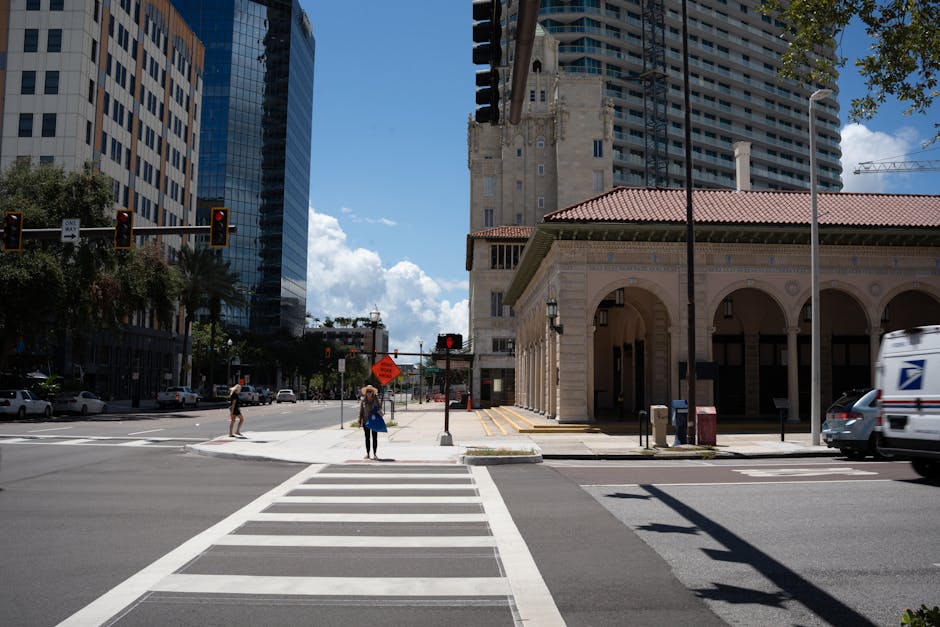
Tampa’s luxury real estate sector is currently undergoing a fundamental recalibration. For years, the market’s upper limits were defined by single-digit or low double-digit millions, but the entry of ultra-high-net-worth individuals from global financial hubs has shattered those expectations. A recent report highlighting an estate asking $115 million signifies a massive shift in how the city is perceived on the international stage. This is no longer just a regional market; it is a destination for global capital, where the benchmark for excellence is no longer just waterfront access, but a combination of architectural pedigree and site exclusivity.
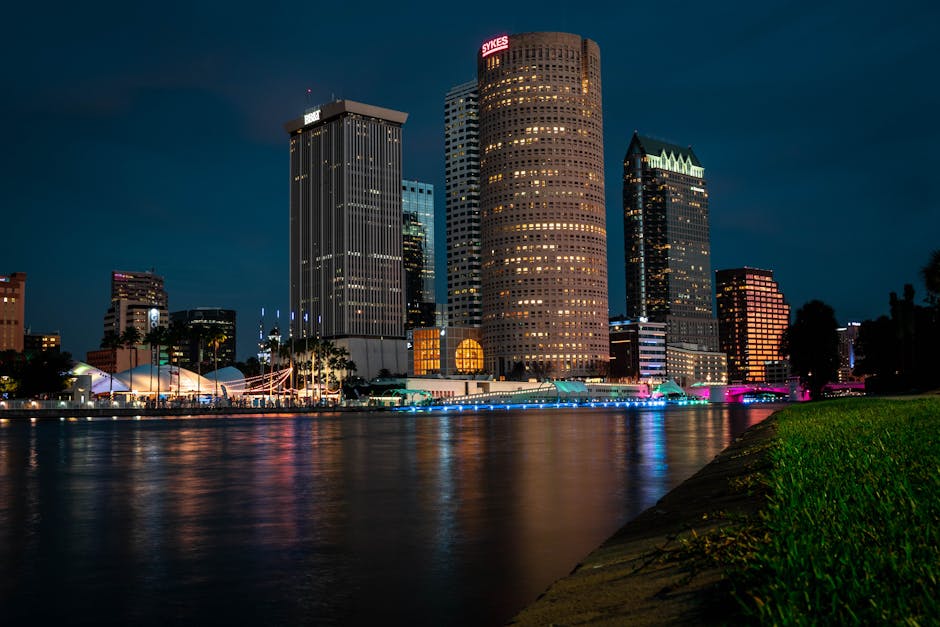
Understanding this movement requires looking past the outliers to the median list price, which currently holds steady near $2,500,000 across the top-tier inventory. While the $115 million figure creates a psychological anchor, the reality for most affluent buyers is a competitive landscape where 120 active luxury listings must be evaluated with extreme precision. The speed of the market has stabilized, allowing for more thorough inspections, yet the highest-quality assets in South Tampa and Davis Islands still command immediate attention from cash-ready buyers. The strategic advisor’s role has shifted from simply finding inventory to verifying the long-term viability of these substantial investments.
Data-backed decision-making is the cornerstone of successful acquisitions in 2026. As the city matures, we are seeing a clear divergence between generic luxury builds and legacy properties that offer irreplaceable value. Investors and primary residents alike are now focusing on the intersection of infrastructure quality and neighborhood stability. The volatility of the past few years has been replaced by a more sober, analytical approach to valuation, where the intrinsic worth of the land and the quality of construction are scrutinized with the same rigor as a commercial portfolio. This transition marks the city’s emergence as a primary hub for wealth preservation.
Waterfront Scarcity and the Primary Residence Shift
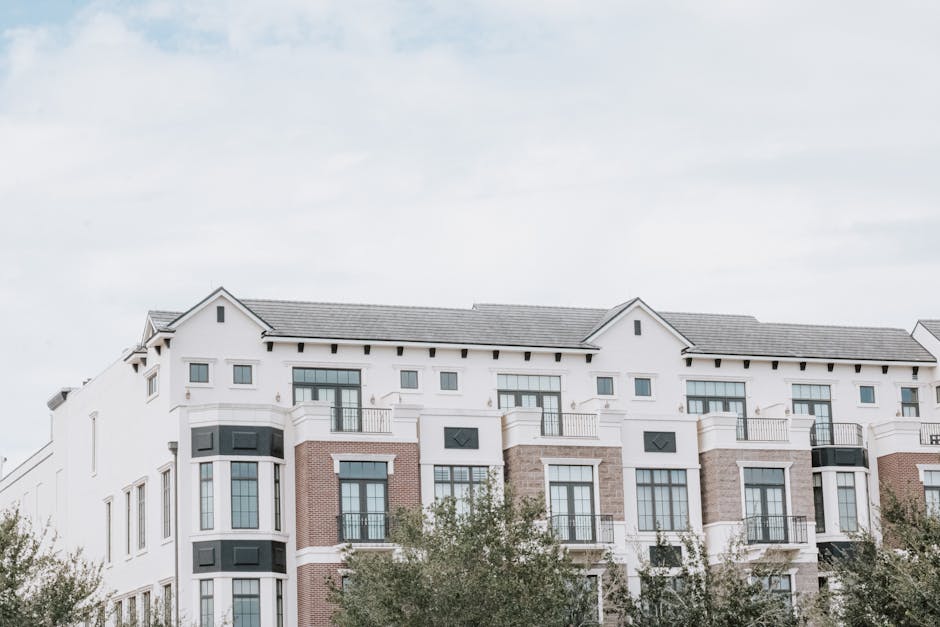
The narrative of Tampa as a seasonal escape has been retired. Analysis from the National Law Review confirms that the local waterfront has emerged as a primary luxury real estate market. This shift is driven by a desire for permanent residency among executives and entrepreneurs who prioritize the logistical advantages of Westshore and the professional density of downtown. Unlike other Florida regions that rely heavily on tourism, Tampa’s high-end growth is anchored in actual residency and business operations. This permanent migration has led to a acute scarcity of buildable waterfront lots in neighborhoods like Beach Park and Culbreath Isles.
As demand for primary residences increases, the requirements for a property’s functional utility have evolved. Buyers are no longer satisfied with aesthetic luxury; they require advanced home automation, sophisticated flood mitigation systems, and integrated wellness spaces. In areas like Bayshore Boulevard, the value is increasingly concentrated in properties that have undergone significant structural modernization. The scarcity of these turn-key primary residences has created a premium for renovated assets that meet current building codes and insurance standards. Navigating this requires a deep understanding of local zoning and environmental regulations that impact waterfront modification.
The competitive advantage for buyers today lies in identifying ‘quiet’ opportunities. Many of the most significant transactions in South Tampa occur off-market or within private networks before reaching the public eyes. This behavior is a direct result of the limited inventory and the high degree of privacy required by modern luxury buyers. When an asset does hit the public market, its pricing reflects not just current comps, but the replacement cost of high-grade materials and the time-value of skipping a multi-year custom build process. Advisors must help clients weigh the trade-offs between immediate occupancy and the potential of a ground-up development in a high-demand area.
Supply Dynamics and New Construction Impact
The current supply landscape is being shaped by two primary forces: a decline in mortgage rates to roughly 6.09% and a significant influx of new construction. According to Tampa Bay Business & Wealth, this new inventory is finally providing the supply relief that the luxury sector has lacked for several cycles. However, the ‘supply’ is not uniform. While there is an increase in high-end condos and spec homes, the availability of large, private estates remains constrained. For the sophisticated buyer, the challenge is distinguishing between mass-produced luxury and bespoke craftsmanship that will hold its value through subsequent market cycles.
New construction standards in Florida have never been more rigorous, and for good reason. Buyers should view these new builds not just as aesthetic choices, but as risk-mitigation assets. Properties constructed after the latest code updates often enjoy lower insurance premiums and higher structural integrity. In neighborhoods like Sunset Park, we are seeing a trend of older homes being replaced by elevated, modern structures that utilize resilient materials and sustainable technology. This architectural evolution is permanently altering the streetscapes of South Tampa, moving away from traditional Mediterranean styles toward a more refined, contemporary aesthetic that prioritizes light and indoor-outdoor integration.
Despite the increase in supply, the pricing floor for premium locations remains exceptionally high. The cost of labor and high-end finishes continues to support elevated valuations even as broader market pressures fluctuate. Buyers waiting for a significant price correction may find that the specific neighborhoods they desire are insulated by their own micro-economies. The 2026 market rewards those who take a long-term view of ownership, focusing on the quality of the asset rather than attempting to time the exact bottom of a interest rate cycle. Stability, rather than speculation, is the current theme among the city’s most successful real estate investors.
Strategic Due Diligence for High-Value Acquisitions
In a market where the median price is $2.5 million, the cost of an oversight during the due diligence phase can be substantial. Successful acquisition strategies in 2026 involve a rigorous checklist that goes beyond standard home inspections. Buyers must evaluate the property as both a residence and a financial instrument, ensuring every technical detail aligns with their risk tolerance and lifestyle needs.
- Verify the structural elevation and drainage infrastructure against current FEMA maps and local flood history.
- Analyze the age and specification of the HVAC and electrical systems, specifically looking for energy-efficient redundancy.
- Review current insurance quotes from multiple carriers to understand the long-term carrying costs of specific construction types.
- Audit the property’s digital infrastructure, ensuring high-capacity connectivity and integrated smart-home security systems.
- Investigate any pending neighborhood zoning changes or major infrastructure projects within a two-mile radius.
- Assess the quality of high-end finishes and custom millwork to ensure they meet the standards of a primary luxury asset.
Each of these points serves as a layer of protection for the buyer’s capital. For instance, understanding the local real estate trends and infrastructure plans can prevent a buyer from purchasing into an area that may face future congestion or loss of privacy. The complexity of these assets requires a multi-disciplinary approach, often involving consultations with engineers, architects, and specialized legal counsel to ensure the title and any existing variances are fully understood before closing.
Buyer Behavior: From Speed to Surgical Precision
The urgency of 2021 and 2022 has been replaced by a more surgical approach to acquisitions. Today’s buyers are willing to wait for the right property rather than settling for a compromised asset. This patience is a sign of a healthy, mature market. With an average list price exceeding $3.3 million for top-tier properties, the margin for error is thin. Buyers are increasingly focused on the ‘usable’ luxury of a home—how the floor plan supports a work-from-home executive or how the outdoor space functions for private entertaining during the humid Florida summers. The preference has shifted toward homes that are fundamentally ready for immediate occupancy.
We are also seeing a significant trend toward ‘turn-key plus’ properties. These are homes where the owner has not only renovated the interiors but has also addressed the unseen elements: roof life, window impact ratings, and seawall integrity. In waterfront communities, the condition of the seawall is often as important as the kitchen cabinets. Buyers are increasingly savvy about these technical details, often bringing their own consultants to verify the longevity of waterfront infrastructure. This level of sophistication is a hallmark of the 2026 Tampa buyer, who views the home as a component of a larger, diversified portfolio.
Geographic loyalty remains strong, but we are seeing more fluidity between high-end neighborhoods. A buyer who traditionally looked only at Davis Islands might now consider a modern build in Beach Park if the privacy and lot size are superior. This willingness to follow quality over a single neighborhood name is a byproduct of the rising quality of construction across the South Tampa area. The focus is on the lifestyle ‘pod’—the proximity to private schools, elite social clubs, and high-end dining districts like Water Street. As these hubs of activity expand, the definition of a ‘prime’ location is broadening, offering more options for the discerning advisor to explore.
Infrastructure and Infrastructure Integration
The long-term value of a luxury home is inextricably linked to the surrounding infrastructure and city planning. Tampa’s investment in its downtown core and waterfront parks has created a multiplier effect for nearby residential values. Major weekend events and festivals, such as those covered by Fox 13 Tampa Bay, demonstrate a city that is alive and socially connected. For the luxury homeowner, these events are more than just entertainment; they represent the cultural vitality that drives demand and sustains property appreciation over decades.
Future infrastructure projects, including improved transit connectivity and the expansion of the Riverwalk, continue to anchor the bull case for the local market. Sophisticated buyers analyze these developments to understand how traffic patterns and noise levels might evolve. A home that is currently quiet might find itself near a major new pedestrian corridor in five years. Conversely, a property near an expanding commercial district might see its land value skyrocket as density increases. Navigating these nuances requires an advisor who is plugged into the city’s long-term development pipeline and understands the difference between a temporary inconvenience and a permanent shift in neighborhood character.
As the city continues to scale, the integration of residential and commercial luxury is becoming more seamless. The growth of the Westshore business district and the continued expansion of downtown have created a environment where the high-end residential market is supported by a robust local economy. This economic diversification is a critical safety net for real estate values, ensuring that the market is not overly dependent on any single industry. For the affluent resident, this means a more stable investment and a higher quality of life, with access to world-class amenities just minutes from their private retreat. The synergy between a thriving city and its premier residential enclaves is what truly defines the current market landscape.
The current market dynamics favor the prepared. Whether you are liquidating a legacy estate or identifying your next primary residence, success requires a combination of local market intuition and rigorous technical analysis. For those seeking the highest echelon of living in the region, the opportunities are abundant but require a discerning eye. We invite you to browse our curated listings to see the current standard of excellence available in South Tampa and the surrounding waterfront areas. When you are ready for a strategic consultation regarding your portfolio or your next acquisition, please contact an advisor to discuss how we can help you navigate this high-value landscape with precision and confidence.
Your next move in Tampa luxury
Get current inventory, pricing guidance, and private-tour support from our brokerage team.
Source highlights
- Tampa’s Price Record Is $22.5 Million. This Huge Estate Is Asking $115 Million. – WSJ
- Tampa Bay’s most expensive luxury home sales of 2025 – Tampa Bay Times
- Sarasota developer proposes 300 single-family homes in Lakewood Ranch – The Business Journals
- Mortgage rates fall to 6.09% as new construction lifts Tampa supply – Tampa Bay Business & Wealth
- Tampa Bay’s Waterfront Emerges as a Primary Luxury Real Estate Market – The National Law Review
- Florida Trend Real Estate – Florida Trend
- Tampa weekend events: Concerts, festivals and downtown family fun — What to know before you go – FOX 13 Tampa Bay
- Things to do with kids this weekend in Tampa, FL – That's So Tampa



