


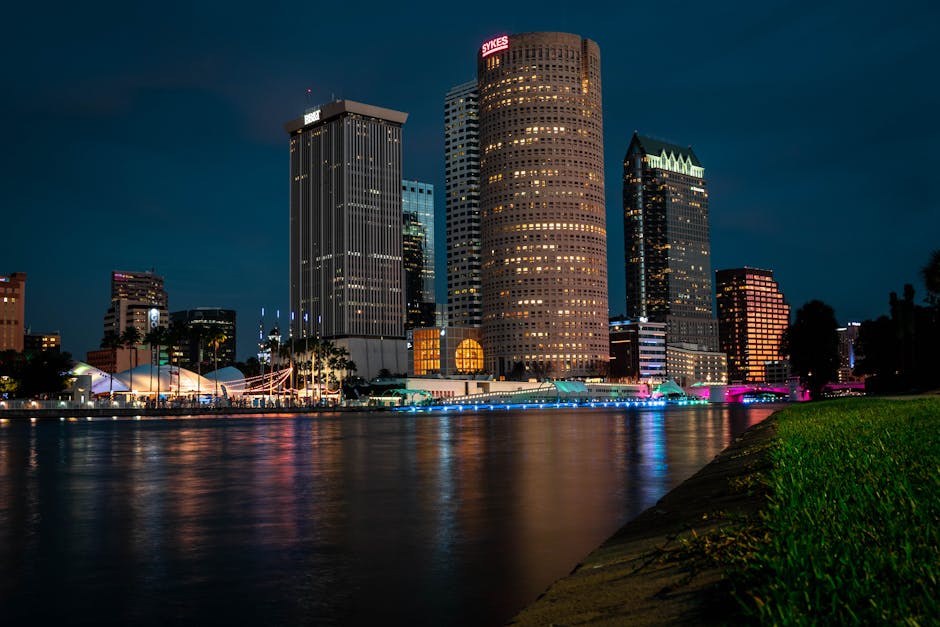
The Decoupling of Tampa’s High-End Real Estate Sector
The Tampa luxury real estate market is currently demonstrating a significant departure from national housing trends. While many metropolitan areas across the United States have seen a cooling effect due to macroeconomic shifts, the local high-end sector continues to show resilience. Current inventory levels sit at approximately 120 active luxury units, with a median list price of $2,500,000. This stability is driven largely by the influx of high-net-worth individuals relocating from high-tax states, viewing Tampa not as a seasonal retreat, but as a primary residence hub with a sophisticated infrastructure. As noted by The Business Journals, the regional market remains robust even as other luxury corridors face inventory surpluses and price corrections.
For the sophisticated buyer, understanding this decoupling is essential for capital allocation. The average list price in the luxury segment now exceeds $3.3 million, reflecting a shift toward larger, more technologically advanced estates. We are observing a trend where buyers prioritize turn-key properties over renovation projects, specifically seeking homes that offer immediate utility. This preference has led to a compression of days-on-market for well-positioned assets in core neighborhoods. The market is no longer defined by speculative buying; it is characterized by long-term wealth preservation and lifestyle upgrades for families and executives establishing permanent roots in the region.
The local landscape is further influenced by the limited availability of developable land, particularly in established corridors. This scarcity creates a natural floor for valuations. While entry-level luxury—typically defined as the $1.5 million to $2 million range—sees higher turnover, the ultra-luxury tier above $5 million remains a discrete market governed by specific architectural pedigree and site-specific advantages. Navigating this environment requires a neighborhood-level focus, as the value drivers in Davis Islands differ significantly from those in the Westshore district or the historic avenues of Hyde Park.
Waterfront Properties as a Primary Luxury Market
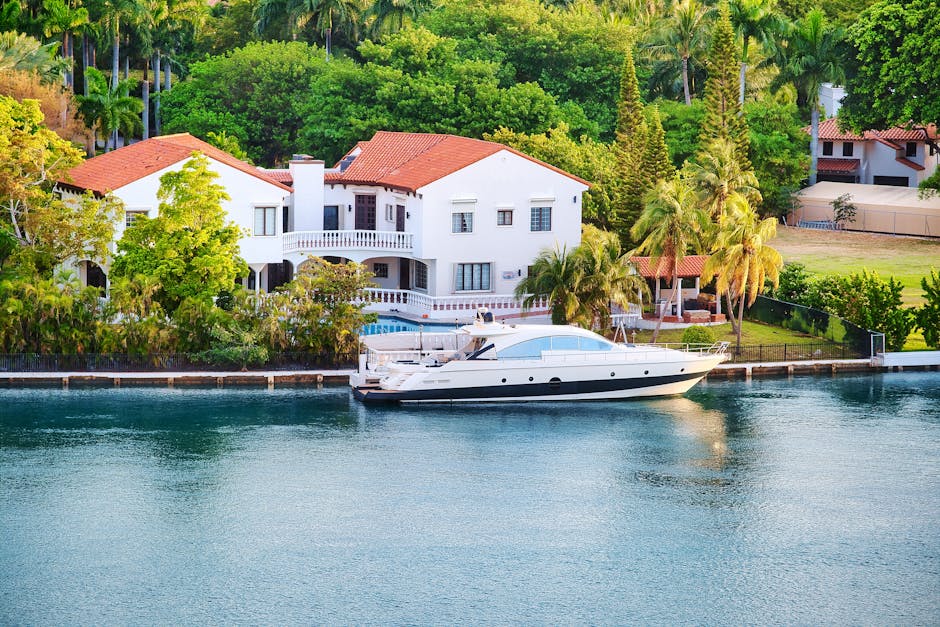
The definition of waterfront living in Tampa has evolved from secondary vacation housing to a primary residence standard. Historical data suggests that properties along Bayshore Boulevard and the surrounding canals were often viewed through the lens of seasonal occupancy. Today, according to The National Law Review, Tampa Bay’s waterfront has emerged as a primary market for global capital. This shift is supported by massive investments in local infrastructure and the expansion of private aviation facilities, making the region a viable base for international business operations. This transition has led to a fundamental change in buyer behavior, with a focus on flood mitigation, sustainable construction, and architectural integrity.
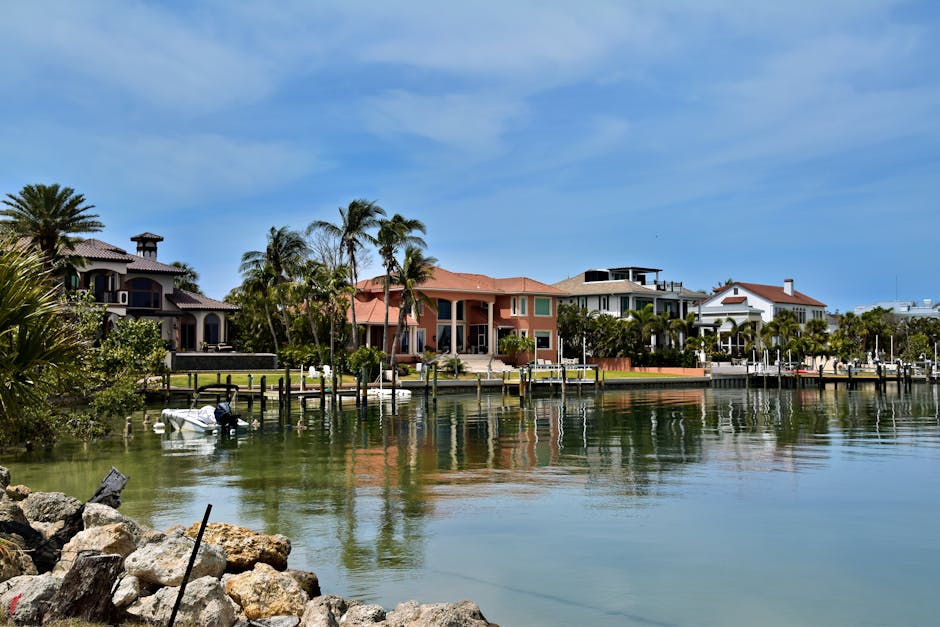
In areas like Davis Islands and Culbreath Isles, we are seeing a movement toward contemporary designs that maximize coastal views while maintaining privacy. Buyers are increasingly discerning regarding shoreline stabilization and dockage capabilities, especially those with larger vessels. The premium for deep-water access remains high, as these lots are essentially a non-renewable resource. Investors and homeowners are no longer just buying a view; they are securing a strategic asset that integrates water-based transit and recreation into daily life. This has caused a ripple effect in pricing, where the dirt value of waterfront lots often rivals the value of the improvements themselves.
Furthermore, the development of luxury multi-family residences along the water has introduced a new dynamic. High-rise offerings now compete directly with single-family estates by providing similar square footage and amenities without the maintenance overhead. This vertical luxury movement is particularly visible in the downtown corridor and along the Westshore waterfront. For many advisors, the recommendation is to analyze the long-term utility of the shoreline. A property that offers both aesthetic appeal and functional maritime access will almost always outperform a purely aesthetic waterfront asset in terms of resale value and equity growth.
The Strategic Rise of the Luxury Condo Market
Tampa is currently in what experts call an early-stage luxury condo market. Unlike established markets like Miami or New York, the vertical luxury sector here is still defining its identity. This provides a unique window for buyers to secure assets in flagship developments that are setting the standard for the next decade. As highlighted by Tampa Bay Business & Wealth, the infrastructure supporting these high-rises—such as the Water Street district—has transformed the urban core into a walkable, high-amenity environment. This is attracting a demographic that values security, concierge services, and proximity to the city’s emerging culinary and cultural scene.
The shift toward condo living is not merely a downsizing trend; it is a lifestyle choice for those who frequently travel or manage multiple properties. Modern developments are offering penthouses that exceed 4,000 square feet, rivaling the living space of traditional estates in South Tampa. These units often feature private elevators, outdoor kitchens, and floor-to-ceiling glass that provides a different perspective on the bay. The integration of high-end retail and wellness centers within these buildings has created a self-contained ecosystem that appeals to the time-sensitive executive. This trend is expected to continue as more corporate headquarters relocate to the Westshore and Downtown sectors.
However, the condo market requires a different set of due diligence compared to single-family homes. Prospective owners must evaluate the financial health of the association, the long-term vision of the developer, and the saturation of the immediate area. Strategic acquisitions in this space often focus on units with unobstructed views of the water or the city skyline, as these features remain the most insulated against future inventory additions. Analyzing the price-per-square-foot metrics against comparable high-end single-family homes in adjacent neighborhoods often reveals a compelling case for vertical living, especially when factoring in the total cost of ownership and security benefits.
Critical Due Diligence for High-Value Acquisitions
Acquiring a luxury asset in the current market necessitates a rigorous analytical approach that moves beyond superficial aesthetics. Modern buyers are increasingly focused on the “bones” of a property and its ability to withstand the unique environmental conditions of the Florida coast. While grand foyers and designer kitchens are standard at this price point, the real value lies in the unseen infrastructure. We advise our clients to prioritize a structural and systems audit that includes everything from roof certifications to the complexity of the integrated smart-home technology. In a market where record prices are being set—such as the massive estate recently featured by the Wall Street Journal—the margin for error in due diligence is virtually zero.
Construction standards have also shifted significantly. According to Mansion Global, bespoke design touches and high-quality materials are winning over buyers who are tired of “carbon-copy” luxury. This means that custom millwork, natural stone, and artisanal finishes are not just preferences but requirements for maintaining a property’s status in the top tier of the market. Buyers should verify the provenance of materials and the reputation of the builders involved. A home with a documented history of maintenance and high-grade construction will hold its value far better than a speculative build that prioritizes flash over substance.
- Verification of shoreline stabilization and sea wall integrity for waterfront parcels.
- Comprehensive audit of smart-home integration and cybersecurity protocols.
- Analysis of flood mitigation features and impact-rated window certifications.
- Review of builder warranties and historical performance of local architectural firms.
- Evaluation of the property’s adaptability for multi-generational living or private office use.
- Inspection of specialized systems, such as commercial-grade climate control for wine storage.
Finally, understanding the neighborhood-level movement is vital. A property in a transition zone may offer more growth potential, but an asset in a mature enclave like Beach Park or the South Tampa historic districts provides more stability. Buyers must decide if they are seeking a legacy property or a strategic medium-term investment. This decision should be guided by a clear understanding of the local zoning laws and any planned infrastructure projects in the vicinity. Working with a senior advisor who understands the nuances of local land use is often the difference between a sound investment and a costly oversight.
The Impact of Pricing Records and Inventory Constraints
The Tampa market recently saw a new ceiling established with asking prices reaching nine figures for select ultra-luxury estates. While the official price record for a closed sale remains $22.5 million, the presence of listings at the $100 million+ level indicates a massive shift in how the region is perceived by global investors. This trend is not an anomaly; it is a reflection of the increasing scarcity of large, contiguous parcels of land in prime locations. When a trophy asset hits the market, it creates a new benchmark for all surrounding properties. This “halo effect” often leads to a rise in valuations for high-end homes that share similar views or neighborhood prestige, even if they lack the same scale.
Inventory remains the primary constraint in the $2.5 million to $5 million range. With only 120 active luxury listings, the competition for well-maintained, modern homes is intense. This has led to a rise in off-market transactions, where properties are traded within private networks before ever reaching a public portal. For serious buyers, having access to these private channels is critical. The market moves quickly, and those who wait for a listing to appear on traditional search engines often find themselves in a backup position or missing out entirely. This constrained supply environment requires a proactive stance and the ability to execute quickly once a suitable asset is identified.
Strategic sellers are also adapting to this environment. Knowing that buyers are willing to pay a premium for turn-key luxury, many owners are investing in significant pre-listing updates. These aren’t just cosmetic; they often involve upgrading technology stacks and refining landscaping to create an immediate sense of arrival. For the buyer, this means that while prices are higher, the quality of available inventory is generally improving. The focus is no longer on how many bedrooms a home has, but on how those rooms function in a post-pandemic world that prioritizes home-based wellness, entertainment, and professional productivity.
Integrating Local Context and Lifestyle Nuances
Investing in Tampa real estate is as much about the surrounding environment as it is about the home itself. The city has undergone a cultural renaissance, with major investments in public spaces and professional sports infrastructure. For families, the proximity to top-tier private schools and outdoor activities is a major draw. Local events, ranging from the historic Gasparilla festivities to the professional sports circuits, provide a constant flow of activity that adds to the region’s appeal. Staying informed via outlets like FOX 13 Tampa Bay ensures that residents can fully integrate into the community’s social fabric, which is a key component of the high-end lifestyle.
Buyer behavior is also influenced by the region’s commitment to growth. The expansion of the Westshore business district and the continued development of the Tampa Riverwalk have created a more interconnected city. This connectivity allows residents of South Tampa to easily access the amenities of the urban core, while those in Davis Islands maintain a sense of seclusion. The balance between privacy and accessibility is a hallmark of the Tampa market. High-end buyers are increasingly looking for properties that offer a sanctuary-like atmosphere within minutes of the city’s best dining and entertainment. This “quiet luxury” approach is a significant driver of demand in the current cycle.
As we look toward the remainder of 2026, the trajectory for the Tampa luxury sector remains positive. The combination of limited inventory, high demand for primary residences, and continued capital investment suggests that valuations will remain stable. For those considering an acquisition or a divestment, the emphasis should be on market-specific data rather than national headlines. The nuances of the local market—from the specificities of coastal construction to the timing of new condo deliveries—are what determine success. For detailed insights into the latest opportunities and to navigate this complex environment with a professional advisor, we invite you to explore our current LISTINGS URL and CONTACT URL to discuss your specific real estate objectives.
Successfully navigating the Tampa luxury market requires a blend of analytical rigor and local expertise. Whether you are seeking a modern waterfront estate in Davis Islands or a sophisticated vertical residence in the heart of Water Street, the current market dynamics favor those with a clear strategy and a long-term perspective. As the region continues to set new pricing benchmarks and attract global interest, securing a well-positioned asset remains a sound strategy for wealth preservation and lifestyle enhancement. We recommend scheduling a private consultation to review the latest off-market opportunities and receive a customized analysis of how current market movements align with your investment profile.
Your next move in Tampa luxury
Get current inventory, pricing guidance, and private-tour support from our brokerage team.
Source highlights
- Tampa’s Price Record Is $22.5 Million. This Huge Estate Is Asking $115 Million. – WSJ
- Tampa Bay’s most expensive luxury home sales of 2025 – Tampa Bay Times
- Tampa Bay luxury market grows stronger despite national declines – The Business Journals
- Why Tampa remains an early-stage luxury condo market – Tampa Bay Business & Wealth
- Tampa Bay’s Waterfront Emerges as a Primary Luxury Real Estate Market – The National Law Review
- Carbon-Copy Luxury Is Out. These Are the Design Touches Winning Home Buyers Over. – Mansion Global
- Tampa weekend events: Concerts, festivals and downtown family fun — What to know before you go – FOX 13 Tampa Bay
- Things to do with kids this weekend in Tampa, FL – That's So Tampa



