


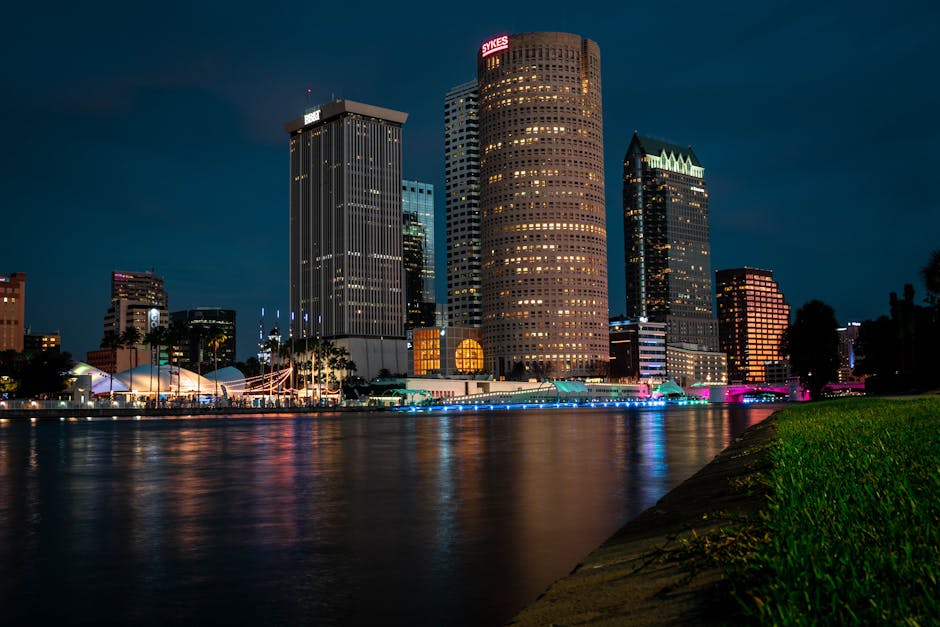
The Evolution of the Tampa Luxury Real Estate Sector
The Tampa luxury real estate landscape has undergone a fundamental transformation, moving from a seasonal secondary market to a dominant primary residence destination for high-net-worth individuals. This shift is not merely anecdotal; it is reflected in the sustained demand for high-acreage estates and sophisticated vertical living options. Unlike previous cycles where speculative buying drove pricing, the current environment is defined by end-users seeking long-term stability and specific lifestyle amenities. The robustness of the local economy, coupled with significant corporate relocations, has created a floor for property values that resists broader national fluctuations.
Recent data indicates that the Tampa Bay luxury market grows stronger even as other metropolitan areas experience cooling periods. This divergence highlights the unique appeal of the West Coast of Florida, where the inventory of premium homes remains relatively tight compared to the influx of qualified buyers. For the savvy advisor, understanding this localized strength is critical when evaluating entry points. The focus has shifted from simple appreciation potential to the acquisition of rare assets that offer immediate utility and architectural significance.
Strategic buyers are now prioritizing neighborhoods that offer a blend of historical prestige and modern infrastructure. South Tampa and Davis Islands continue to lead in terms of price per square foot, driven by their proximity to the central business district and top-tier educational institutions. However, the definition of value is expanding. Buyers are increasingly willing to pay a premium for turnkey properties that bypass the current complexities of custom construction and renovation, which can often span multiple years in the current supply environment.
Waterfront Assets and the Primary Market Shift
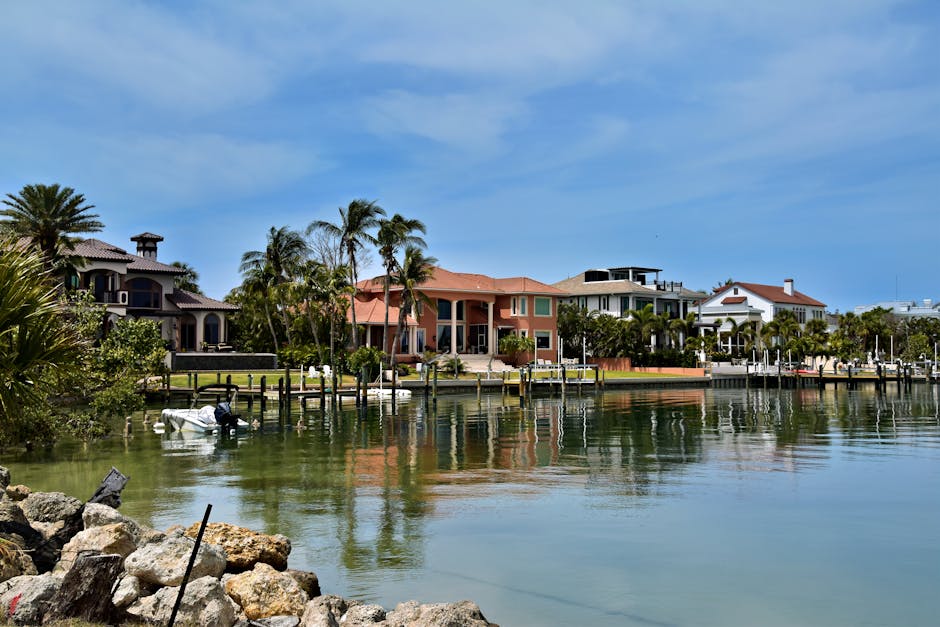
The emergence of Tampa’s waterfront as a primary luxury market represents one of the most significant trends in recent years. Historically viewed through the lens of vacation or investment potential, these properties are now being acquired as permanent family seats. This transition is documented by legal and market analysts who note that Tampa’s waterfront is becoming a primary luxury real estate market, with a focus on coastal resilience and long-term asset protection. Buyers are looking for deep-water access and expansive views without the density found in older, more congested Florida markets.
The ceiling for what is possible in the Tampa market has also been shattered. While the previous price record stood at $22.5 million, the current market is witnessing properties with asking prices that far exceed historical norms. For instance, a huge estate is currently asking $115 million, signaling a new era of ultra-high-net-worth concentration. This level of investment suggests that institutional-grade wealth is moving into the area, further solidifying the region’s status as a top-tier global destination for luxury capital.
When assessing waterfront value, it is essential to distinguish between bay-frontage and canal-frontage. The former commands the highest premiums due to the unobstructed vistas and increased privacy. However, the latter offers significant utility for yacht owners and those prioritizing water-based activities. As the market matures, the nuance of seawall construction, elevation levels, and dockage capacity has become as important as the interior finishes of the home itself. Investors should look for properties where these structural elements have been modernized to meet current standards.
Vertical Evolution: The Early-Stage Condo Sector
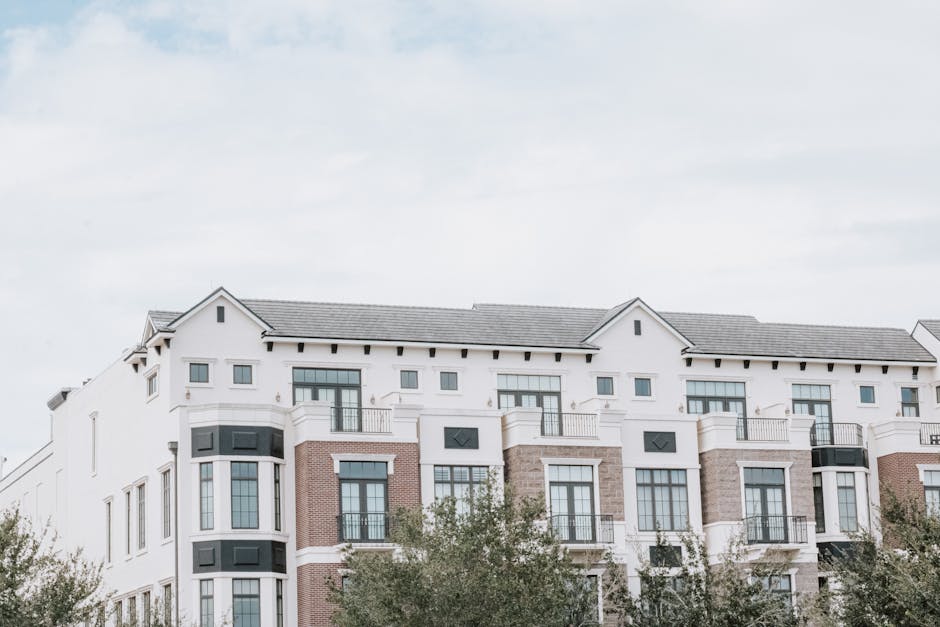
For many years, Tampa was characterized primarily by single-family estates, but the vertical luxury market is now entering a sophisticated growth phase. New developments in the Water Street and Westshore districts are offering amenities that rival those of established markets like Miami or New York. The appeal of these high-rise residences lies in their concierge services, security, and integrated lifestyle components that are difficult to replicate in a standalone home. This is particularly attractive to the demographic that values a lock-and-leave lifestyle without sacrificing space or quality.
Industry experts emphasize that Tampa remains an early-stage luxury condo market, which suggests there is still room for significant refinement and growth in this sector. Early adopters in these buildings have seen substantial equity gains as subsequent phases of development are introduced at higher price points. The focus for these buyers is on the ‘service-to-square-footage’ ratio, where the ease of living justifies the premium costs associated with high-end association fees and urban density.
Comparing vertical living to traditional estates requires a different analytical framework. In a condo setting, the value is often tied to the floor level, view corridor, and the reputation of the management team. In contrast, a single-family home in a neighborhood like Old Northeast or Beach Park is valued based on lot size and architectural uniqueness. As the urban core becomes more walkable and amenity-rich, the gap between these two product types is narrowing, with many affluent buyers choosing to maintain both an urban residence and a coastal retreat within the same metropolitan area.
Acquisition Due Diligence Checklist
Navigating the acquisition of a multi-million dollar asset requires a disciplined approach to due diligence that goes beyond a standard inspection. In the 2026 market, where the median list price is $2,500,000 but top-tier properties can reach nine figures, the details matter significantly. The following checklist outlines the essential steps for a sophisticated buyer advisor during the consideration phase.
- Verify coastal construction and elevation certificates to ensure long-term insurance feasibility.
- Audit the property’s digital infrastructure, including smart home integration and high-speed connectivity.
- Evaluate the seawall and dockage structural integrity for all waterfront listings.
- Assess the neighborhood’s master plan for upcoming developments that could impact view corridors.
- Review historical sales data for the specific micro-market to benchmark the price per square foot.
- Inspect custom mechanical systems, including high-efficiency HVAC and water filtration units.
By following this rigorous process, buyers can mitigate risks associated with high-value transactions. It is also important to consider the tax implications of specific property types, although this should always be handled by a qualified professional. The goal is to ensure that the asset not only fits the desired lifestyle but also functions as a stable component of a broader investment portfolio.
Analyzing Inventory: Beyond the Median
With approximately 120 active luxury listings currently available, the Tampa market offers a diverse range of options, yet the inventory remains curated. The average list price of over $3.3 million reflects the significant weight of ultra-high-end properties that pull the mean upward, while the median of $2.5 million provides a more accurate picture of the typical luxury entry point. For buyers, this means that anything priced below the median often requires a rapid decision-making process, as these properties tend to have the highest velocity of sale.
The diversity of property types—ranging from residential estates to large-scale land opportunities—allows for various entry strategies. For those looking for immediate occupancy, properties like those on Troutwater Lane or Florida Avenue represent the current standard for premium residential living. Conversely, the availability of land in prime corridors offers the opportunity for ground-up construction, though this path requires a longer time horizon and a tolerance for the complexities of the building process in Florida.
Market movement is also influenced by the seasonal calendar and local events, which often serve as catalysts for out-of-state buyers to visit the area. High-profile gatherings and family-oriented activities, such as those mentioned in the City of Tampa traffic advisory, can impact local accessibility and provide a glimpse into the lifestyle density of the region. Understanding these logistical nuances is part of the broader context that a senior advisor provides to a client who may be unfamiliar with the local rhythm.
The 2026 Lifestyle Infrastructure
The appeal of Tampa luxury is as much about the surrounding infrastructure as it is about the properties themselves. The city has invested heavily in its cultural and recreational corridors, creating a cohesive environment that supports a high quality of life. From the professional sports presence to the expansion of the Riverwalk, the lifestyle amenities are designed to cater to a discerning demographic. This investment has a direct correlation with property values, as buyers are drawn to areas that offer both privacy and proximity to world-class dining and entertainment.
The weather also plays a significant role in the local real estate cycle. With late April temperatures hovering in the low 90s and minimal rain, the outdoor-indoor living transition is a critical design element for all new luxury builds. Properties that feature expansive lanais, summer kitchens, and resort-style pool decks command the highest premiums because they maximize the utility of the Florida climate. When evaluating a home, the quality of the outdoor living space is often the deciding factor for buyers comparing multiple high-end options.
Finally, the sense of community in Tampa’s luxury enclaves remains a strong draw. Whether it is the quiet streets of a gated community or the active social life found in the downtown high-rises, there is a micro-market for every preference. The ability to navigate these neighborhoods and understand their distinct personalities is where a dedicated real estate advisor adds the most value. It is not just about finding a house; it is about identifying a location that aligns with the client’s social and professional requirements.
Strategic Advisor Guidance
In the current climate, the role of the advisor has evolved into that of a data-driven strategist. Relying on generic market reports is insufficient when dealing with assets of this magnitude. Successful acquisition requires a deep understanding of off-market opportunities, upcoming inventory, and the specific motivations of sellers in the high-end space. By analyzing the current luxury homes for sale, buyers can begin to see the patterns of value and quality that define the modern Tampa estate.
The decision to enter the Tampa market should be guided by a long-term perspective. While the immediate lifestyle benefits are clear, the structural strength of the region suggests that these assets will continue to be highly sought after in the years to come. For those ready to explore the current inventory and discuss a tailored acquisition strategy, it is time to move beyond the research phase. We invite you to contact an advisor today to schedule a private consultation and gain access to the most exclusive opportunities in the Tampa Bay region.
Your next move in Tampa luxury
Get current inventory, pricing guidance, and private-tour support from our brokerage team.
Source highlights
- Tampa’s Price Record Is $22.5 Million. This Huge Estate Is Asking $115 Million. – WSJ
- Tampa Bay’s most expensive luxury home sales of 2025 – Tampa Bay Times
- Tampa Bay luxury market grows stronger despite national declines – The Business Journals
- Why Tampa remains an early-stage luxury condo market – Tampa Bay Business & Wealth
- Tampa Bay’s Waterfront Emerges as a Primary Luxury Real Estate Market – The National Law Review
- Florida Trend Real Estate – Florida Trend
- Tampa weekend events: Concerts, festivals and downtown family fun — What to know before you go – FOX 13 Tampa Bay
- Things to do with kids this weekend in Tampa, FL – That's So Tampa



