



The Evolution of Tampa’s High-End Real Estate Sector
The current landscape of the regional premium property sector reflects a distinct maturation. Analyzing the latest inventory metrics reveals a constrained environment with 120 active luxury listings, creating a highly competitive atmosphere for qualified buyers. The median list price sits at $2.5 million, while the average ascends to nearly $3.3 million, indicating a heavy concentration of ultra-premium estates pulling the average upward. This pricing dynamic requires buyers to approach the market with a well-calibrated understanding of localized valuation. The region has transitioned from an emerging destination to an established enclave for high-net-worth individuals, altering how negotiations and property evaluations are conducted.
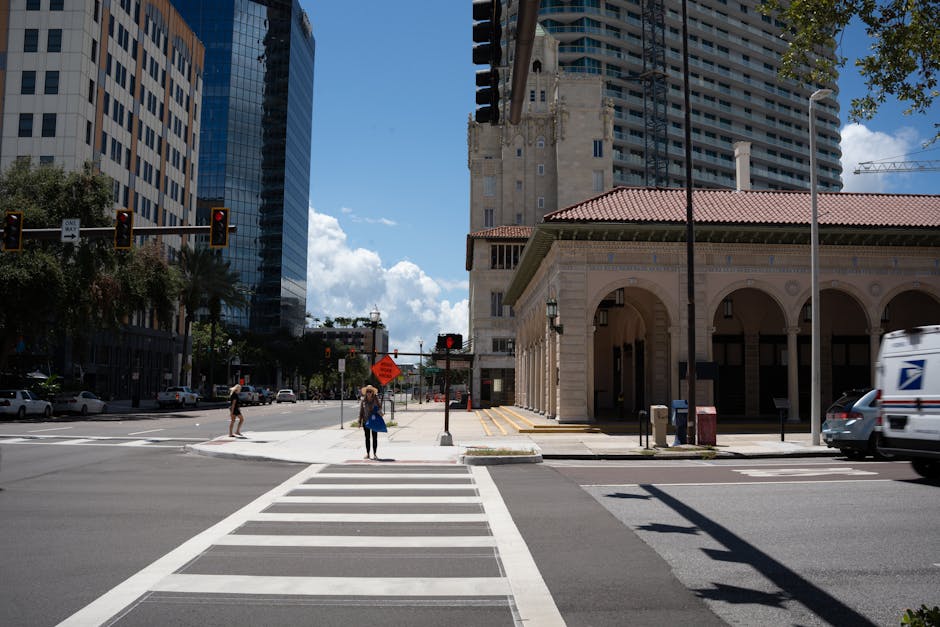
Recent market data confirms that while other metropolitan areas experience fluctuating demand, the local sector maintains a robust trajectory. Institutional and private capital continues to flow into the region, stabilizing property values even amidst broader economic shifts. Observers tracking these developments note that the Tampa Bay luxury market grows stronger despite national declines, reinforcing the necessity for buyers to base decisions on hyper-local data. The influx of affluent relocations has absorbed available premium inventory, particularly in sought-after neighborhoods that offer a blend of historic architecture and modern amenities. The necessity for swift, decisive action backed by comprehensive due diligence is paramount.
Understanding the underlying factors driving this sustained momentum is critical. The appeal extends beyond the favorable climate; it is rooted in the region’s expanding corporate footprint, enhanced cultural infrastructure, and world-class medical facilities. As the demographic profile of the incoming resident shifts toward younger executives, architectural preferences are evolving. There is a marked demand for properties that integrate sophisticated technologies, expansive indoor-outdoor living spaces, and uncompromising privacy, forcing existing inventory to adapt.
Assessing South Tampa and Strategic Inland Enclaves
When evaluating property within the urban core, buyers must navigate the distinct character and zoning regulations of established neighborhoods such as Hyde Park, Palma Ceia, and Davis Islands. Each area presents a unique proposition regarding lot size, architectural provenance, and proximity to commercial thoroughfares. In Hyde Park, the preservation of historic facades is often mandated, requiring buyers to carefully assess the feasibility of modern interior renovations against stringent municipal oversight. Areas slightly further from the immediate downtown core offer larger parcels of land, providing the necessary footprint for custom-built estates that cater to contemporary spatial requirements.
The structural composition of the available housing stock in these neighborhoods is also undergoing a transition. While single-family estates remain the primary focus for many high-net-worth individuals, there is a growing interest in low-maintenance, high-security vertical living. Industry analysts frequently discuss why Tampa remains an early-stage luxury condo market, highlighting the tension between the desire for turnkey convenience and the traditional preference for expansive private grounds. Buyers must carefully weigh the long-term appreciation potential of a historic bungalow against the immediate lifestyle benefits of a newly constructed condominium tower.
Navigating these neighborhood micro-markets requires a precise understanding of street-by-street valuation nuances. A property situated on a mature, canopy-lined brick street inherently commands a premium over a comparable structure located just blocks away. Furthermore, traffic patterns, school district boundaries, and walkability to highly-rated culinary establishments play an oversized role in determining long-term asset stability. Buyers must prioritize these secondary location factors, as they frequently dictate the profitability of future resale scenarios.
The Waterfront Premium and Coastal Proximity
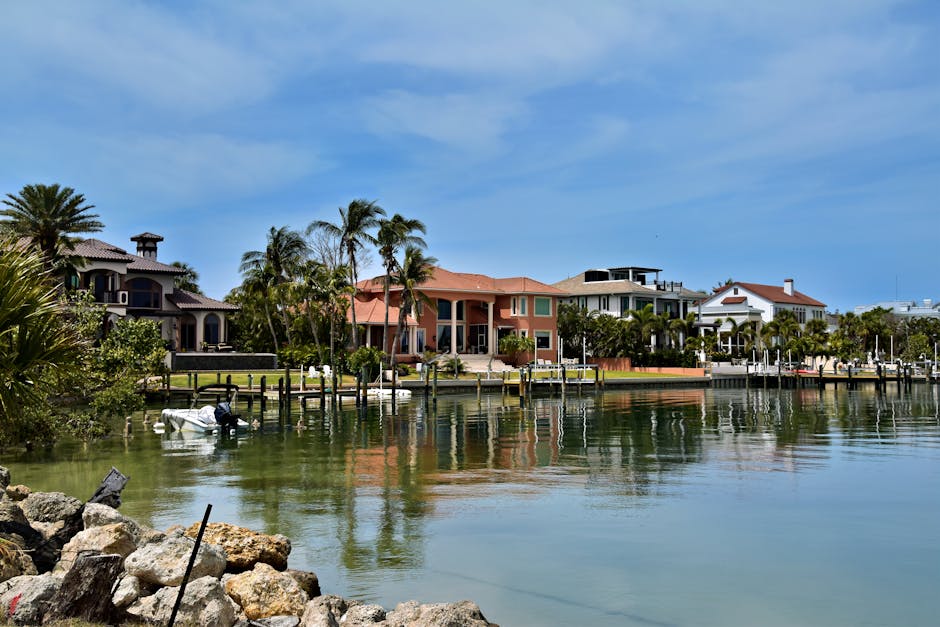
The allure of waterfront living remains a dominant force shaping the upper echelons of the regional real estate landscape. Properties situated along Bayshore Boulevard, the deep-water canals of Davis Islands, or the expansive shorelines of the broader bay area carry significant valuation premiums. These estates offer unobstructed panoramic views and immediate maritime access, which are highly coveted attributes for boating enthusiasts. However, evaluating a waterfront asset extends far beyond the aesthetic appeal; it necessitates a rigorous analysis of riparian rights, seawall integrity, and marine infrastructure.
Legal and environmental considerations are paramount when acquiring coastal property. The legal framework governing dock extensions, dredging permits, and submerged land leases is complex and subject to strict state and federal oversight. Recent legal analyses have detailed how Tampa Bay’s Waterfront Emerges as a Primary Luxury Real Estate Market, underscoring the necessity for buyers to engage specialized legal counsel to verify all water-access entitlements. A seemingly minor compliance issue with a grandfathered dock structure can translate into substantial post-closing liabilities.
Furthermore, prospective buyers must critically evaluate the property’s resilience against dynamic weather patterns. This involves scrutinizing current elevation certificates, understanding the specific flood zone designation, and assessing the structural engineering of the residence. Modern coastal construction mandates stringent wind-load ratings and elevated living spaces, which inherently increases the base cost of building and maintaining these estates. A comprehensive review of the property’s wind mitigation capabilities and the associated insurance premium projections is a mandatory step before finalizing any acquisition in these highly desirable locations.
The Essential Evaluation Framework for Premium Properties
Acquiring a significant real estate asset requires a methodical and uncompromising approach to due diligence. Beyond the standard inspections, premium properties demand specialized assessments to uncover hidden liabilities that could compromise the investment’s integrity. Buyers must transition from an emotional appreciation of the architecture to an objective, clinical evaluation of the physical structure and its underlying systems. This analytical framework is designed to protect capital and ensure the long-term viability of the estate.
To effectively navigate the inspection phase, purchasers should adhere to a strict evaluation protocol. The following criteria represent the fundamental baseline for assessing high-end residential assets in the current market environment:
- Verify structural certifications and recent wind mitigation reports to ensure adequate storm resilience and compliance with updated building codes.
- Assess the property’s elevation certificate against the latest municipal flood zone mapping updates to accurately project long-term insurance liabilities.
- Evaluate the capacity and legality of all marine infrastructure, including seawall integrity, deep-water dock specifications, and active submerged land leases.
- Review the provenance, municipal permits, and contractor warranties for any recent major renovations, particularly concerning roof, electrical, and HVAC system replacements.
- Analyze the immediate neighborhood’s recent comparable sales, paying specific attention to days on market and price-per-square-foot metrics, to benchmark the current asking price.
- Consult with specialized insurance brokers regarding coverage availability, necessary exclusions, and premium projections for the specific location and construction type.
Executing this checklist thoroughly requires assembling a team of qualified professionals, including structural engineers, specialized inspectors, and local legal counsel. Skipping any of these steps in an effort to expedite the closing process often results in unforeseen capital expenditures. The goal is to achieve absolute clarity regarding the asset’s physical condition and legal standing, empowering the buyer to negotiate from a position of informed strength.
Integrating into the Cultural and Civic Fabric of the Region
Purchasing a premium property is not merely a financial transaction; it represents an integration into the civic and cultural rhythm of the region. The desirability of a specific enclave is frequently tied to its proximity to the city’s dynamic arts districts, culinary scenes, and major entertainment venues. Residents of downtown-adjacent neighborhoods often factor the accessibility of the Straz Center for the Performing Arts or Amalie Arena into their lifestyle calculus. Understanding how these cultural anchors influence daily logistics is crucial for selecting the optimal location for a primary residence.
The regional events calendar significantly impacts neighborhood accessibility and general traffic flow, particularly during peak seasonal months. High-profile concerts, culinary festivals, and sporting events draw substantial crowds to the urban core, altering the typical cadence of the surrounding residential areas. Staying informed about the local schedule, such as monitoring Tampa weekend events, concerts, and downtown festivals, allows residents to navigate their environment efficiently. Proximity to these activities offers expansive entertainment options while requiring a tolerance for periodic congestion.
Prospective buyers should actively evaluate how major metropolitan events align with their personal lifestyle preferences. Those seeking absolute tranquility may prefer estates situated further from the immediate downtown perimeter, while buyers who thrive on urban energy will prioritize walkable access to these cultural hubs. When large-scale gatherings occur, knowing the strategic routes and how to avoid the traffic becomes practical local knowledge that enhances the day-to-day experience. A nuanced understanding of these civic rhythms ensures the chosen property delivers the desired balance of engagement and sanctuary.
Structuring a Competitive Acquisition Strategy
In a market characterized by limited inventory and sustained demand, passive observation is an ineffective strategy for acquiring premier assets. Buyers must operate proactively, utilizing off-market intelligence and robust professional networks to identify opportunities before they become widely available. The most significant transactions are frequently negotiated discreetly, requiring an advisor who possesses deep, long-standing relationships within the local brokerage community. A strategic acquisition begins long before a property is publicly listed; it starts with clearly defining the acquisition parameters and positioning capital for immediate deployment.
When a suitable estate is identified, formulating the offer requires a sophisticated understanding of the seller’s motivations and the precise valuation of the underlying land versus the structural improvements. Clean terms, minimal contingencies, and demonstrated financial capacity are often just as persuasive as the top-line offer price. Navigating the negotiations demands a steady, analytical approach that shields the buyer from emotional overbidding while aggressively securing the asset under favorable conditions. This process relies heavily on empirical data, recent comparable sales, and a clear-eyed assessment of necessary post-closing capital expenditures.
For those prepared to initiate their search, reviewing the current landscape is the crucial first step. We invite you to analyze our curated portfolio of premium residential listings to understand the caliber of estates currently available. When you are ready to transition from observation to strategic acquisition, contact our advisory team to schedule a private consultation and formulate a tailored approach to your next real estate investment.
Your next move in Tampa luxury
Get current inventory, pricing guidance, and private-tour support from our brokerage team.
Source highlights
- Tampa’s Price Record Is $22.5 Million. This Huge Estate Is Asking $115 Million. – WSJ
- Tampa Bay’s most expensive luxury home sales of 2025 – Tampa Bay Times
- Tampa Bay luxury market grows stronger despite national declines – The Business Journals
- Why Tampa remains an early-stage luxury condo market – Tampa Bay Business & Wealth
- Tampa Bay’s Waterfront Emerges as a Primary Luxury Real Estate Market – The National Law Review
- Florida Trend Real Estate – Florida Trend
- Things to do with kids this weekend in Tampa, FL – That's So Tampa
- Tampa weekend events: Concerts, festivals and downtown family fun — What to know before you go – FOX 13 Tampa Bay



