


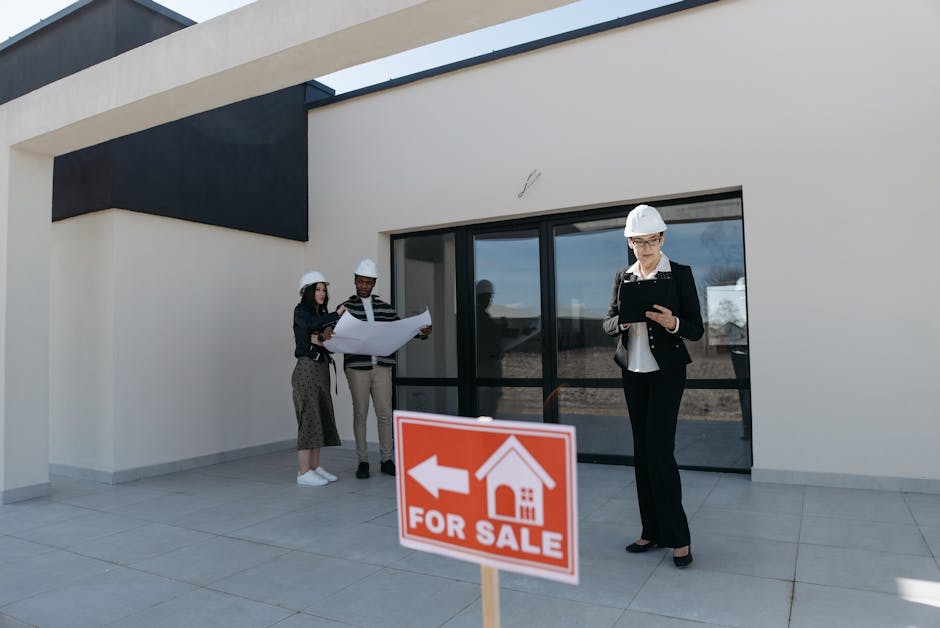
The Current Architecture of Tampa’s High-End Market
The landscape of premium real estate across the region requires a disciplined approach to asset evaluation. Entering the second quarter of 2026, the active inventory for top-tier properties stands at a highly selective 120 available residences. This specific volume creates a distinctive environment for discerning purchasers who must balance urgency with rigorous due diligence. The median list price has stabilized around $2,500,000, setting a clear benchmark for entry into the premier tier, while the average list price extends upward to $3,293,462, reflecting the influence of ultra-premium estates currently shaping the upper decile of the market.
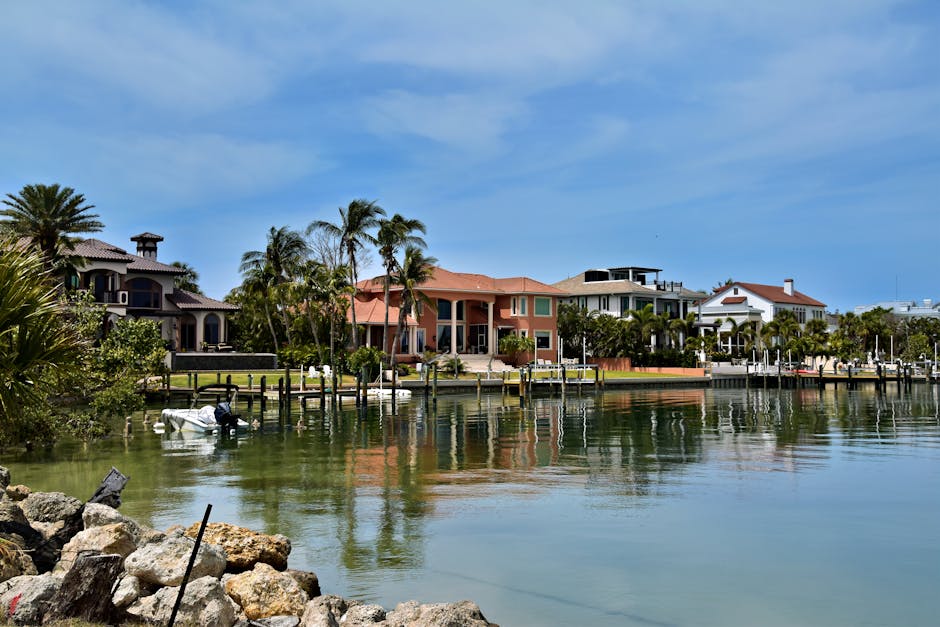
Analyzing these figures reveals a localized resilience that often runs counter to broader macroeconomic trends. As noted in recent financial coverage discussing the strength of the regional premium sector, high-net-worth individuals continue to allocate capital toward tangible, highly desirable regional assets. This sustained interest dictates that prospective buyers must move beyond surface-level aesthetics and focus entirely on structural integrity, locational advantage, and long-term valuation metrics. The market is not rewarding speculation; it is rewarding calculated, fully informed acquisitions.
Buyers entering this competitive arena should focus on established neighborhoods where historical appreciation rates provide a buffer against potential market volatility. Areas such as South Tampa and Davis Islands continue to command premium valuations due to their inherent scarcity of buildable land and established infrastructural amenities. Understanding the nuanced differences block by block within these enclaves is the first step toward securing a sound real estate holding. The variation in value from one street to the next can be substantial, necessitating a granular approach to location analysis.
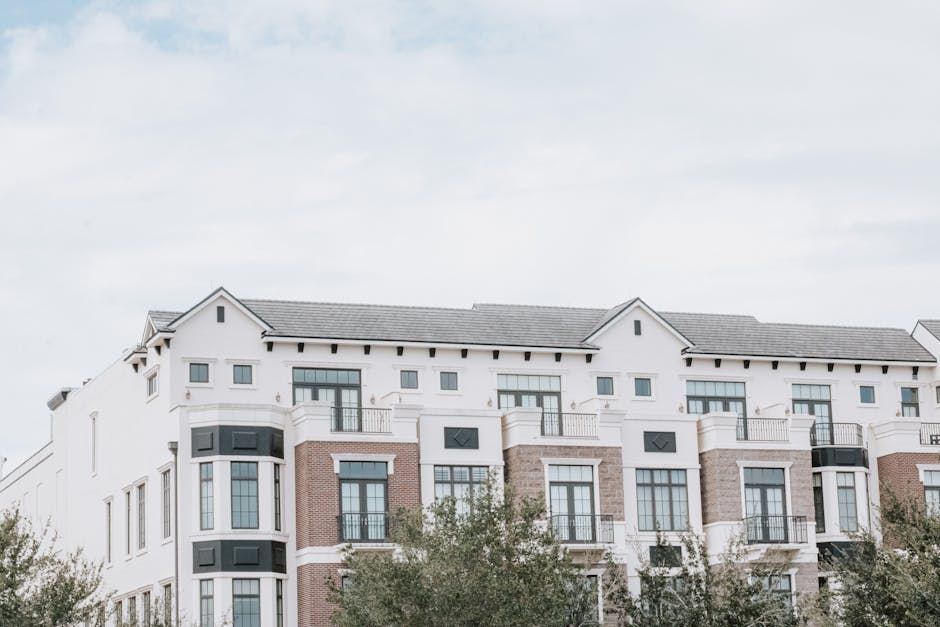
Strategic Pricing Variances Across Key Neighborhoods
Pricing in the upper echelon of the market is far from uniform, heavily influenced by hyper-local factors including street prominence, lot dimensions, and immediate proximity to waterfront access. For instance, substantial estates situated along distinguished corridors such as Troutwater Lane present asking prices around $2,650,000. These properties typically offer expansive square footage and mature landscaping, catering to buyers who prioritize privacy and substantial acreage over immediate urban proximity. The value here is fundamentally tied to the footprint of the land and the exclusivity of the address.
Conversely, acquisitions closer to the urban core or along major arterial routes demonstrate fundamentally different valuation models. Prominent parcels along North Florida Avenue frequently list near $2,200,000, attracting investors and residents focused on mixed-use potential or high-visibility prestige. Similarly, expansive properties near West Dr. Martin Luther King Jr. Boulevard are actively commanding prices approaching $2,900,000, underscoring the premium placed on strategic accessibility and large, consolidated lot sizes within the city grid. These assets often appeal to buyers requiring immediate access to commercial hubs and major transportation networks.
For buyers actively evaluating these diverse sub-markets, maintaining a comprehensive view of the entire inventory is essential. You can begin this comparative analysis by reviewing our curated selection of luxury properties. This active monitoring allows purchasers to identify pricing anomalies and recognize genuine value when properties are introduced to the public market. Recognizing the distinction between intrinsic property value and seller-imposed premiums is a critical skill in this environment.
The Shift Toward Elevated Waterfront Assets
A defining characteristic of the current acquisition cycle is the intense focus on coastal and riverfront parcels. Properties offering direct, unobstructed deep-water access have transcended traditional residential status to become highly sought-after portfolio assets. According to recent legal and real estate analyses, waterfront properties are emerging as primary targets for both domestic and international capital. This shift requires a refined approach to risk assessment, particularly concerning environmental resilience and maritime accessibility.
When evaluating these specialized assets, the conversation immediately shifts from purely aesthetic considerations to complex engineering and regulatory factors. Buyers must rigorously scrutinize seawall integrity, exact elevation metrics above the floodplain, and compliance with the latest municipal building codes. The premium paid for riparian rights is only justified when the underlying asset is structurally prepared to withstand the unique demands of a coastal environment. A thorough understanding of local draft depths and dockage allowances is also required for yacht owners and maritime enthusiasts.
Furthermore, the architectural response to these environmental demands has evolved significantly. New constructions and extensive renovations in high-value coastal zones now predominantly feature elevated primary living spaces, reinforced subterranean foundations, and advanced storm mitigation systems seamlessly integrated into the design. Evaluating these technical specifications is paramount before finalizing any waterfront transaction. The structural components must exceed standard code requirements to ensure long-term preservation of capital.
Essential Verification Steps for Premium Acquisitions
Executing a high-value real estate transaction requires a methodical due diligence process that extends far beyond standard inspections. Affluent buyers must assemble a team of specialists to verify every aspect of the property before committing capital. The reliance on preliminary disclosures is insufficient for assets at this price point. The following parameters should form the core of your evaluation strategy:
- Assess structural resilience and recent elevation compliance for all coastal or low-lying parcels.
- Review comprehensive insurance histories, claims data, and projected premium escalations.
- Verify municipal zoning allowances for potential expansions, extensive renovations, or accessory structures.
- Evaluate the precise boundary lines and riparian rights through updated, certified topographical surveys.
- Analyze off-market comparable sales within the specific micro-neighborhood block to validate asking prices.
- Examine the architectural provenance, historical designations, and full permitting history of any major additions.
Skipping any of these critical verification phases exposes the buyer to significant unforeseen liabilities. A disciplined, data-driven approach to due diligence is the most effective mechanism for protecting your capital and ensuring the asset performs according to expectations over the long term. Buyers should insist on full transparency and require independent verification of all seller claims prior to releasing escrow funds.
Ultimately, the objective is to eliminate ambiguity from the transaction. By rigorously analyzing these specific structural and regulatory data points, purchasers transform a potentially speculative acquisition into a secure, meticulously verified addition to their real estate portfolio.
Factoring Climate and Cultural Rhythm into Asset Selection
Beyond the structural and financial dimensions of a property, the practical realities of the local climate and cultural infrastructure play a significant role in long-term satisfaction and asset viability. The unique atmospheric patterns of the region, including abrupt seasonal temperature shifts and highly specific coastal micro-climates, underscore the necessity for advanced climate control systems and expertly designed, adaptable outdoor living environments. Properties that seamlessly manage these environmental variables through intelligent architectural orientation and high-efficiency mechanical infrastructure command distinct premiums. A sophisticated estate must be engineered to provide absolute comfort regardless of external conditions.
Simultaneously, evaluating the cultural and infrastructural rhythm of the surrounding area is vital. High-net-worth buyers increasingly value proximity to established cultural venues, high-end dining, and exclusive community gatherings. For example, understanding the logistical impact of local weekend cultural events on neighborhood accessibility and traffic flow is crucial for those considering primary residences in denser, highly sought-after districts. Navigating these elements effectively ensures that the property enhances rather than complicates daily operations.
The intersection of climate adaptability and localized lifestyle infrastructure directly influences property utilization. Assets situated in neighborhoods that offer a balanced, highly functional environment—where logistical friction is minimized and environmental comfort is maximized—consistently outperform isolated properties during resale cycles. A sophisticated buyer evaluates the neighborhood ecosystem as rigorously as the physical structure itself, ensuring the asset aligns perfectly with their operational requirements.
Anticipating Future Market Dynamics and Ultra-Premium Valuations
Strategic buyers must look beyond current data points to anticipate the trajectory of the regional market over the next three to five years. The introduction of ultra-premium, generational estates has fundamentally altered the valuation ceiling across the entire metropolitan area. Recent reports of historic high-water marks for pricing—including estates testing the nine-figure threshold—signal a maturation of the market that redefines comparative value for assets in the $3 million to $10 million tier. This paradigm shift requires buyers to adjust their expectations regarding historical comparables.
This upward pressure necessitates a forward-looking perspective when negotiating current acquisitions. Buyers should prioritize properties that possess unalterable intrinsic value: substantial, well-proportioned acreage, protected sightlines, and locations within historically significant enclaves. As the upper limits of the market expand, properties possessing these fundamental characteristics will experience the most stable appreciation and remain highly liquid assets. Conversely, properties lacking these intrinsic qualities may struggle to maintain parity in a rapidly escalating market environment.
Decision-making in this environment relies heavily on comparative synthesis. It is not merely about finding a structurally sound property; it is about identifying an asset that occupies a defensible position within a rapidly evolving hierarchy of luxury. This requires stripping away superficial upgrades to assess the core economic drivers of the specific parcel and understanding how it functions within the broader regional portfolio.
Executing Your Acquisition Strategy
The complexities of the current inventory demand an advisory relationship grounded in rigorous analysis and absolute discretion. Navigating an active inventory of 120 premium residences requires the ability to quickly dismiss overvalued assets and aggressively pursue properties that align with strict investment criteria. Your approach should be analytical, devoid of emotion, and backed by comprehensive market intelligence. The current climate does not forgive miscalculations or hastily structured agreements.
To successfully secure a top-tier asset, you need an advocate who understands the nuances of off-market negotiations, advanced contract structuring, and complex due diligence protocols. The difference between a standard purchase and a strategic acquisition lies entirely in the execution of these critical phases. A senior advisor provides the necessary insulation from market noise, ensuring that your capital is deployed effectively and your interests are aggressively protected throughout the transaction lifecycle.
When you are prepared to transition from preliminary market observation to active acquisition, sophisticated representation is mandatory. We invite you to contact our advisory team to schedule a private consultation. We will outline a precise, data-driven strategy tailored to your specific parameters, ensuring your next transaction is executed with precision, discretion, and absolute confidence in the final valuation.
Your next move in Tampa luxury
Get current inventory, pricing guidance, and private-tour support from our brokerage team.
Source highlights
- Tampa’s Price Record Is $22.5 Million. This Huge Estate Is Asking $115 Million. – WSJ
- Tampa Bay’s most expensive luxury home sales of 2025 – Tampa Bay Times
- Tampa Bay luxury market grows stronger despite national declines – The Business Journals
- Why Tampa remains an early-stage luxury condo market – Tampa Bay Business & Wealth
- Tampa Bay’s Waterfront Emerges as a Primary Luxury Real Estate Market – The National Law Review
- Florida Trend Real Estate – Florida Trend
- Things to do with kids this weekend in Tampa, FL – That's So Tampa
- Tampa weekend events: Concerts, festivals and downtown family fun — What to know before you go – FOX 13 Tampa Bay



