


The Shift Toward Primary Waterfront Acquisition
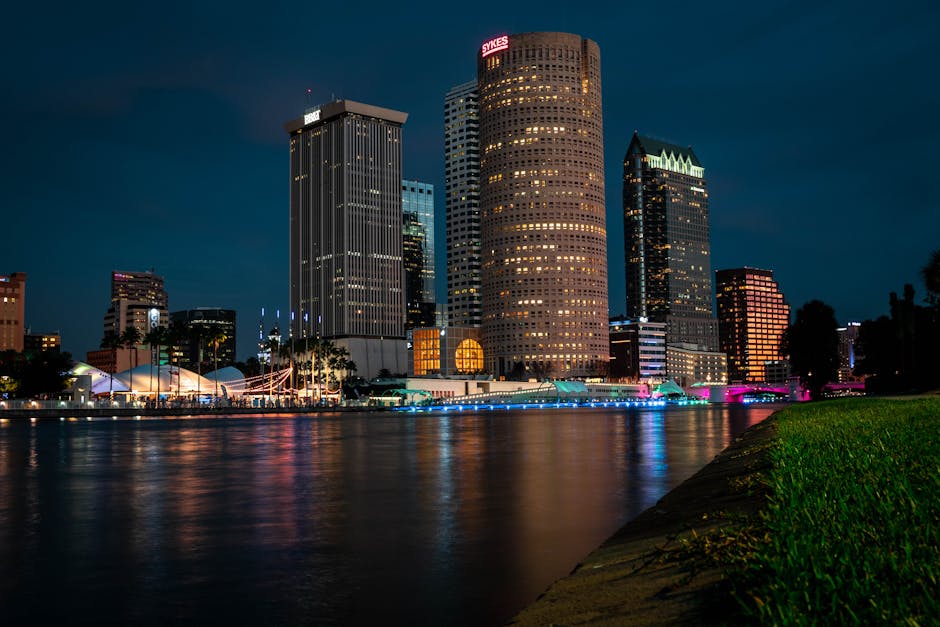
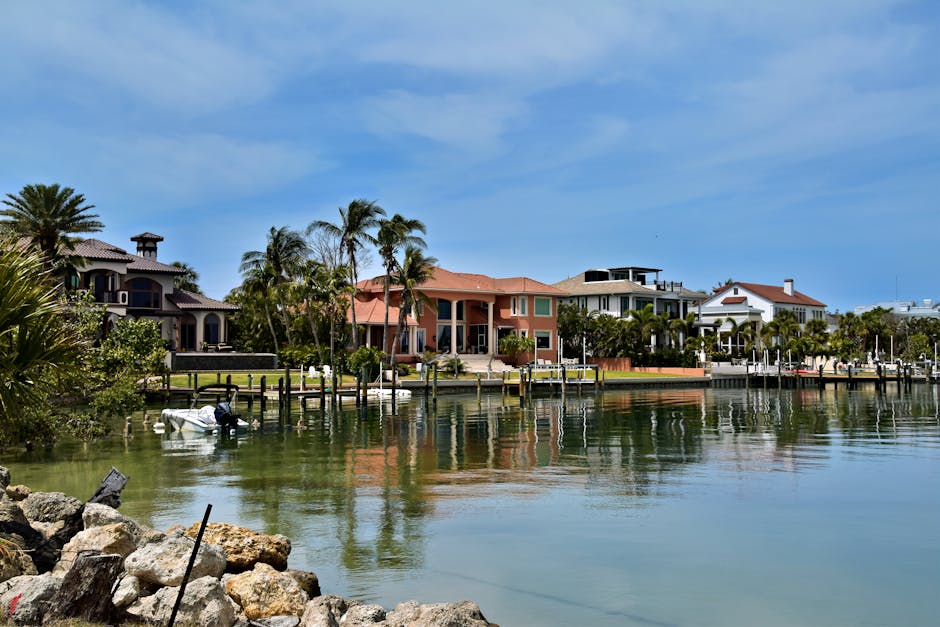
The Tampa luxury real estate market is currently undergoing a fundamental transformation. Historically categorized as a secondary or seasonal destination, the region has transitioned into a primary market for ultra-high-net-worth individuals. This shift is most visible along the waterfront corridors of Davis Islands and Beach Park, where deep-water access and significant acreage are no longer viewed merely as amenities, but as essential components of a long-term asset strategy. Buyers are increasingly prioritizing large-scale parcels that offer both privacy and proximity to the city’s burgeoning commercial centers.
Data indicates that the waterfront has emerged as a primary luxury real estate market, a sentiment echoed by recent legal and market analyses. According to The National Law Review, this maturation is driven by a sustained influx of capital and a permanent change in how affluent residents utilize their Florida holdings. This is reflected in the current inventory, where the median list price has stabilized around $2,500,000, signaling a robust floor for entry into the high-end segment. For the advisor, the challenge is no longer finding value, but identifying assets with the structural integrity and location-based scarcity to withstand future market fluctuations.
As the market matures, the definition of a ‘prime’ location is expanding. While Bayshore Boulevard remains a prestigious anchor, we are seeing significant movement toward the interior estates of South Tampa. Areas like Palma Ceia and the Golf View community are attracting buyers who value the architectural character and established privacy of non-waterfront lots. These buyers are often transitioning from larger northern markets, bringing with them an expectation for sophisticated urban integration that Tampa is now, for the first time, fully equipped to provide.
The Multi-Million Dollar Benchmark and Comp Analysis
The pricing ceiling in Tampa has been shattered recently, moving the goalposts for what constitutes a trophy property. While the previous record for a single-family home stood at $22.5 million, newer listings are aiming for unprecedented figures. A notable estate has recently entered the market with an asking price of $115 million, as reported by the Wall Street Journal. This escalation indicates a high level of confidence among sellers regarding the global appeal of the local market, though it requires buyers to be exceptionally diligent in their comparative analysis.
In a market where the average list price exceeds $3.2 million, traditional appraisal methods often struggle to keep pace with rapid appreciation in specific enclaves. It is essential to look beyond the top-line numbers and evaluate the cost-per-square-foot in relation to specific site improvements, such as reinforced sea walls, advanced smart-home integration, and hurricane-resistant construction standards. The current inventory of 120 active luxury units offers a diverse spread, from historic renovations in Hyde Park to ultra-modern builds in Culbreath Isles, each requiring a tailored valuation approach.
Strategic buyers are paying close attention to ‘off-market’ activity and the velocity of high-end sales. Despite broader national economic pressures, the local market remains resilient. This strength is supported by The Business Journals, which notes that Tampa’s luxury segment continues to grow stronger even as other major metropolitan areas face declines. For the sophisticated investor, this divergence provides a compelling case for capital allocation within the region, provided the acquisition is backed by concrete data and local insight.
The Maturation of the High-Rise Condo Segment
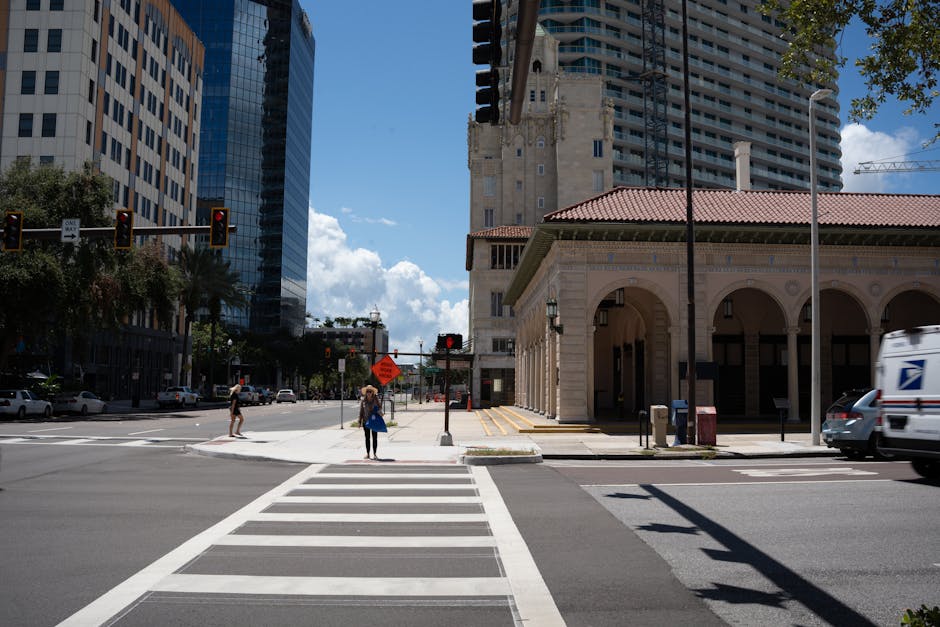
The vertical luxury market in Tampa is no longer an afterthought for those who traditionally sought sprawling estates. The development of Water Street Tampa and the expansion of the Westshore district have introduced a level of service and amenity-rich living previously unavailable. We are observing a significant trend of ‘right-sizing,’ where established local families move from large Davis Islands homes into expansive, full-floor penthouses. This move is driven by a desire for a lower-maintenance lifestyle without sacrificing the square footage or high-end finishes expected at this price point.
However, the condo market is still in what analysts call an ‘early-stage maturity.’ As discussed in Tampa Bay Business & Wealth, the pipeline of new construction is highly concentrated in a few key areas, creating a scarcity of ready-to-move-in units. This has led to a premium on existing luxury condos that offer concierge services, private elevators, and integrated wellness centers. For the buyer, evaluating the reputation of the developer and the long-term viability of the HOA is as critical as the view from the balcony.
This vertical shift also reflects a broader urbanist movement within the city. The ability to walk to high-end dining, cultural venues, and professional hubs is a new priority for the modern Tampa buyer. The traditional suburban model is being challenged by a more integrated, sophisticated lifestyle that mirrors the density and convenience of New York or Miami, but with the distinct ease of the Gulf Coast. Identifying which projects will maintain their status as the city’s skyline continues to evolve is a key component of our advisory process.
Strategic Acquisition and Due Diligence Checklist
Entering the Tampa luxury market requires more than just a search for the right aesthetic; it demands a rigorous due diligence process that accounts for both environmental and logistical factors. As an advisor, I recommend a structured approach to every potential acquisition to ensure that the asset aligns with long-term financial and lifestyle goals. The following points are non-negotiable for any high-value purchase in the current environment:
- Verify the structural integrity of all waterfront fortifications, including seawall age and recent engineering inspections.
- Assess the impact of recent and planned infrastructure projects on local traffic patterns and neighborhood noise levels.
- Review elevation certificates and historical flood data to understand the long-term insurance implications of the property.
- Analyze the surrounding zoning laws to prevent unexpected high-density developments from impacting private views or lot utility.
- Evaluate the integration of smart-home technology and the scalability of existing security systems for multi-generational use.
- Compare the specific neighborhood’s historical appreciation rates against the broader city average to identify sustainable value.
Each of these points serves to de-risk the investment. In a market where inventory is limited—with only 120 active luxury units—competition for the best assets can lead to emotional decision-making. By adhering to a strict checklist, buyers can maintain their leverage and ensure they are not overpaying for perceived value that may not hold up under closer scrutiny. This analytical approach is what separates a successful acquisition from a costly oversight.
Navigating the Logistic Realities of the Local Market
The appeal of Tampa extends beyond its real estate to the logistical and cultural infrastructure that supports a high-end lifestyle. However, growth brings challenges that must be factored into any residency decision. For instance, the city frequently hosts high-volume events that can significantly impact local transit. A recent traffic advisory from the City of Tampa highlighted a ‘blizzard of activities’ including concerts and festivals that attract tens of thousands of visitors to the downtown core. Understanding these patterns is essential for those residing in adjacent luxury enclaves like Harbour Island or the Channel District.
Furthermore, the seasonal influx of visitors during events like the Gasparilla Pirate Fest or major sporting championships requires a level of planning for the permanent resident. While these events contribute to the city’s prestige and economic health, they also dictate when and how one moves through the city. Sophisticated buyers often look for properties that offer multiple points of ingress and egress, allowing them to bypass major thoroughfares during peak congestion periods. This practical consideration is often overlooked in favor of aesthetic appeal but is vital for daily quality of life.
Lifestyle integration also means understanding the local educational and professional landscape. The movement of major financial firms and tech startups to the region has created a new class of buyer who requires proximity to the Westshore Business District or the burgeoning Water Street corridor. The interaction between residential choice and professional commute has never been more relevant in Tampa, as the city continues to densify and mature. Balancing the tranquility of a private estate with the necessity of urban access is the primary objective of our current client base.
The Future of Asset Preservation in Florida
Looking ahead, the focus for many high-net-worth individuals in the Tampa market is shifting toward asset preservation and multi-generational utility. The region’s resilience is well-documented in Florida Trend, which highlights the state’s ongoing attractivity due to a favorable tax environment and proactive development policies. However, the sophistication of the buyer has increased alongside the prices. We are seeing a move away from flashy, superficial upgrades toward substantial, high-quality finishes and sustainable building practices.
The concept of ‘luxury’ is being redefined as a combination of privacy, security, and environmental resilience. This includes everything from backup power systems and advanced water filtration to the use of sustainable materials that can withstand the coastal climate. Properties that incorporate these features are commanding a significant premium, as they offer the peace of mind that is increasingly valued in the current global climate. As an advisor, my role is to identify these future-proof assets before they reach the open market or are subject to competitive bidding wars.
Ultimately, the Tampa market offers a unique proposition: the growth potential of an emerging tech hub combined with the established stability of a historic waterfront city. Navigating this landscape requires a deep understanding of neighborhood-level nuances and a commitment to data-driven decision-making. Whether you are looking for a historic estate in Hyde Park or a modern architectural masterpiece on Davis Islands, the key is to approach the market with the analytical rigor of an investor and the local perspective of a long-term resident. The current opportunities are significant for those who know where to look and what to verify.
Identifying the right property in this competitive landscape requires an advisor who understands the intersection of market data and local lifestyle logistics. We invite you to explore our curated selection of current LISTINGS URL to gauge the current standards of the market. When you are ready to move beyond the initial research phase and require a detailed, analytical brief on specific opportunities, please CONTACT URL an advisor. Our focus is providing the clarity and expertise necessary to secure a premier asset in Tampa’s most sought-after neighborhoods.
Your next move in Tampa luxury
Get current inventory, pricing guidance, and private-tour support from our brokerage team.
Source highlights
- Tampa’s Price Record Is $22.5 Million. This Huge Estate Is Asking $115 Million. – WSJ
- Tampa Bay’s most expensive luxury home sales of 2025 – Tampa Bay Times
- Tampa Bay luxury market grows stronger despite national declines – The Business Journals
- Why Tampa remains an early-stage luxury condo market – Tampa Bay Business & Wealth
- Tampa Bay’s Waterfront Emerges as a Primary Luxury Real Estate Market – The National Law Review
- Florida Trend Real Estate – Florida Trend
- Things to do with kids this weekend in Tampa, FL – That's So Tampa
- Tampa weekend events: Concerts, festivals and downtown family fun — What to know before you go – FOX 13 Tampa Bay



