


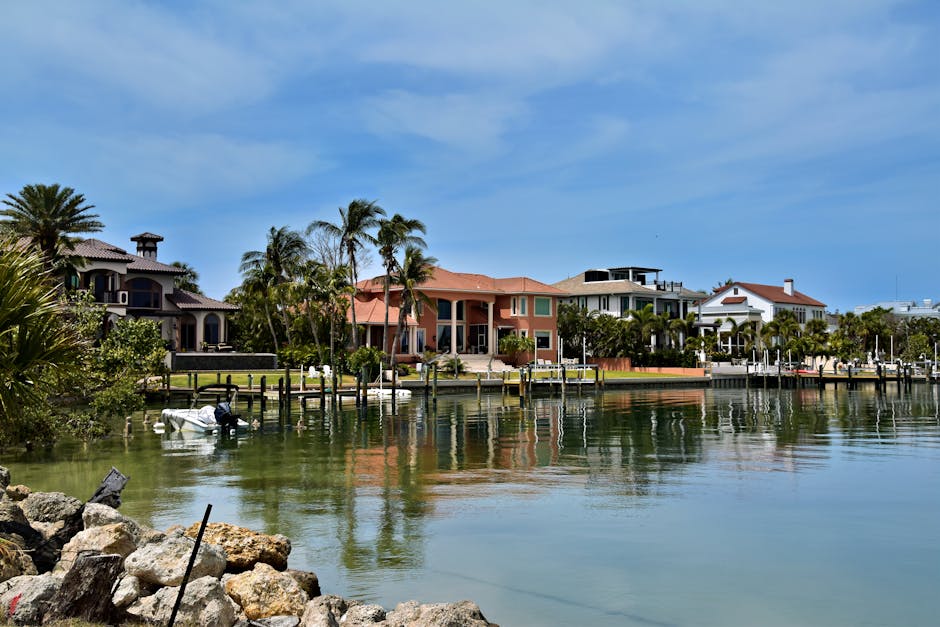
The Evolution of Tampa as a Primary Luxury Market
For decades, the Tampa Bay region was categorized as a secondary luxury market, often overshadowed by the high-density enclaves of South Florida. However, recent transactional data and urban development patterns indicate a fundamental shift. Tampa has emerged as a primary destination for permanent equity migration, driven by corporate relocations and a significant increase in ultra-high-net-worth individuals seeking long-term residence rather than seasonal retreats. This transition is marked by a sophisticated demand for infrastructure that supports a full-time, professional lifestyle rather than just leisure.
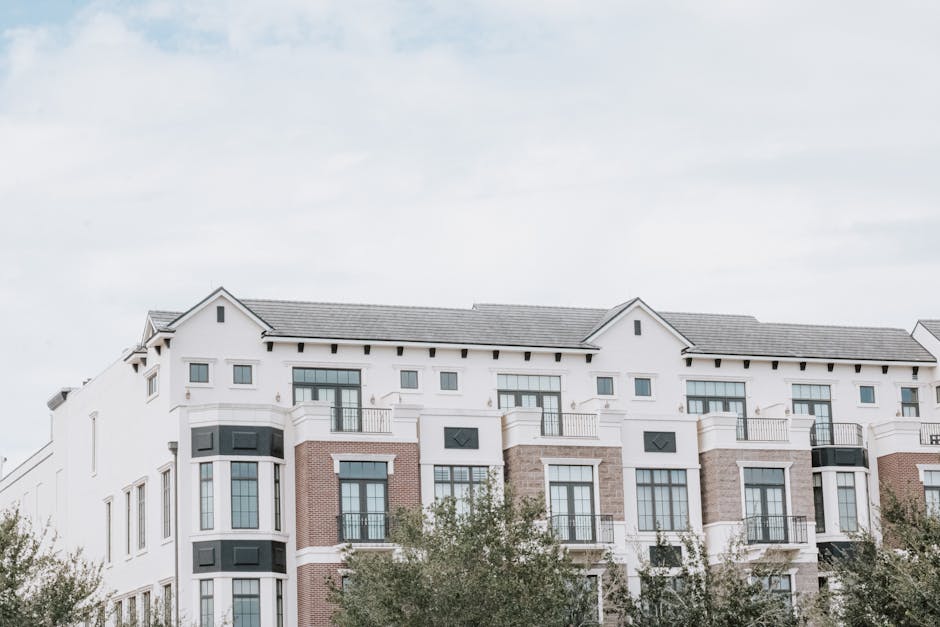
The classification of Tampa’s waterfront as a primary luxury market is not merely a local sentiment; it is supported by legal and architectural shifts that prioritize permanent residency. According to insights from The National Law Review, the structural integrity and long-term valuation of these properties are being viewed through a more rigorous lens by institutional investors and private equity. Buyers are no longer just looking for aesthetic appeal; they are scrutinizing riparian rights, coastal setbacks, and the long-term viability of high-value assets in a changing climate.
As the market matures, the distinction between ‘lifestyle’ purchases and ‘asset’ purchases becomes clearer. In current market conditions, affluent buyers are prioritizing properties that offer a hedge against inflation and a stable environment for capital preservation. This has led to a more disciplined negotiation environment, where value is derived from a combination of scarcity, build quality, and neighborhood stability. The result is a market that is less susceptible to the volatility often seen in speculative, tourist-driven regions.
Analyzing the $2.5 Million Median Baseline
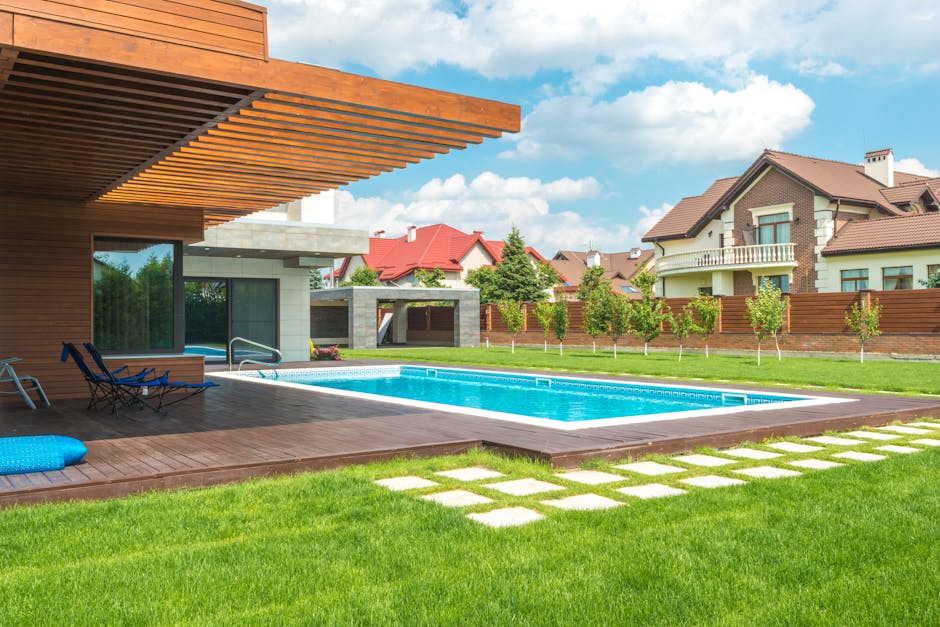
The current inventory landscape in Tampa reveals a median list price of approximately $2,500,000 for luxury properties, with an average list price exceeding $3,200,000. This pricing reflects a contraction in mid-tier availability and a concentration of value in exclusive enclaves. With roughly 120 active luxury listings, the market remains relatively tight, requiring buyers to be decisive when high-quality assets become available. The presence of nine-figure listings, such as a massive estate currently asking $115 million as reported by the WSJ, underscores the newfound ceiling for Tampa’s real estate valuations.
Market movement is currently dictated by a refined inventory of residential and commercial sale properties. The movement of land prices, particularly in areas like South Tampa and along the Bayshore corridor, suggests that horizontal space is becoming the ultimate luxury. Buyers are increasingly willing to pay a premium for larger lot sizes that allow for custom architectural statements, moving away from the standardized designs of previous development cycles. This scarcity of land is a primary driver of the sustained price floors we are observing in the 2025-2026 cycle.
Understanding these price points requires a deep dive into the comparative metrics of different neighborhoods. While a $2.5 million acquisition in Hyde Park might secure a meticulously restored historic villa, the same capital in a newer development like Westshore Yacht Club offers different advantages in terms of modern amenities and privacy protocols. Investors must weigh the intrinsic value of historical significance against the operational efficiency of modern construction, especially as insurance and maintenance costs become more significant factors in the total cost of ownership.
South Tampa and the Shift Toward Institutional Quality
South Tampa remains the epicenter of the region’s luxury activity, particularly in neighborhoods like Beach Park, Sunset Park, and Palma Ceia. The buyer behavior in these areas has shifted toward what we define as ‘institutional quality’ residential assets. This means properties are being built or renovated to standards that match the high-end markets of New York or London, featuring advanced home automation, professional-grade kitchens, and integrated wellness spaces. The focus is on longevity and the ability of the home to function as a multi-generational hub.
The demand for these high-quality builds is being met by a wave of new construction that is slowly increasing the available supply. As noted by Tampa Bay Business & Wealth, the convergence of falling mortgage rates and increased supply is providing a more balanced environment for buyers who were previously sidelined by limited choices. This stabilization allows for more thorough due diligence and a more rational approach to site selection, rather than the frantic bidding wars seen in previous years.
Furthermore, the integration of commercial and residential luxury is becoming more prevalent. Affluent buyers are increasingly interested in properties that offer proximity to high-end retail, Michelin-recognized dining, and professional services without sacrificing the privacy of a gated or secluded estate. This trend toward ‘accessible privacy’ is a hallmark of the modern Tampa buyer, who values time as much as space. The ability to navigate from a quiet residential street to a corporate headquarters or a cultural venue in minutes is a significant component of the area’s value proposition.
Waterfront Resilience and Riparian Considerations
For those targeting the waterfront, the technical aspects of the property are now as important as the view. High-end buyers are increasingly focused on elevation certificates, seawall integrity, and the specific nuances of riparian rights. In the Tampa market, waterfront properties are not created equal; there is a substantial difference between open bay views, canal access, and bayou frontages. Each comes with its own set of regulatory requirements and maintenance expectations that can impact long-term valuation.
- Verification of seawall age and structural reinforcement capacity.
- Assessment of deep-water dockage and permits for specialized watercraft.
- Review of recent elevation changes and compliance with updated building codes.
- Analysis of historical wind and flood resilience for the specific micro-location.
- Evaluation of private beach rights versus public access easements.
- Inspection of specialized filtration and desalination systems for coastal irrigation.
The complexity of waterfront ownership necessitates a consultative approach. Buyers are advised to engage with engineers and environmental consultants early in the process to ensure that their investment is protected against both natural and regulatory shifts. This level of scrutiny is becoming standard in the Tampa luxury sector, reflecting a more mature and risk-aware buyer profile. Those who prioritize technical excellence alongside aesthetic appeal are finding the most sustainable value in the current market.
Moreover, the aesthetic of the waterfront is evolving. The Mediterranean Revival styles that once dominated are giving way to Tropical Modernism—designs that utilize natural materials, floor-to-ceiling glass, and indoor-outdoor transitions that take full advantage of the Gulf Coast climate. This architectural evolution is not just about fashion; it is about creating structures that are better suited to the local environment, utilizing passive cooling techniques and resilient materials that withstand the salt-air environment with minimal degradation.
The Impact of Supply and Interest Rate Equilibrium
As we move through 2026, the luxury market is finding a new equilibrium. With mortgage rates hovering around 6.09%, the cost of capital has stabilized, allowing for more predictable long-term financial planning. While many luxury transactions remain all-cash, the stabilization of rates influences the broader market psychology, encouraging a healthy flow of inventory. This environment favors the strategic buyer who can identify properties with unique architectural merit or superior location before they reach the wider market.
Supply remains the most critical variable. While new construction has lifted inventory levels, the ‘top-tier’ of the market—properties over $10 million—remains exceptionally scarce. This scarcity is driving record sales, as documented in the Tampa Bay Times review of the most expensive sales of 2025. When a truly unique asset hits the market, the competition is global, with interest coming from international investors and domestic relocations alike.
The role of the advisor in this environment is to provide clarity amidst the noise of market reports. Successful acquisitions are often the result of off-market networking and a deep understanding of the local ‘pocket listings.’ In a market where privacy is paramount, many of the most significant transactions never appear on a public portal. Navigating this hidden layer of the market requires a level of local connectivity and discretion that is only found through established, professional representation.
Strategic Entry: Timing and Advisory in the 2026 Cycle
Deciding when and where to enter the Tampa luxury market requires a multi-faceted analysis. Current trends suggest that while price growth has moderated from the triple-digit surges of the early 2020s, the floor remains firm due to the lack of developable land in premium corridors. Buyers should focus on the ‘buy-and-hold’ potential of their acquisitions, looking for properties that offer intrinsic value through lot size, architectural integrity, and neighborhood stability. Avoid the temptation of trendy finishes that may quickly lose their appeal.
The broader Florida market also provides context for Tampa’s relative value. As highlighted by Florida Trend, the state continues to see significant investment in infrastructure and technology, which bolsters the residential sector. Tampa, specifically, is benefiting from a more diversified economy than other Florida cities, with strong footprints in healthcare, finance, and defense. This economic diversity provides a level of security for real estate investors that is not present in markets dependent solely on tourism or retirement.
Finally, consider the behavioral shifts of the local community. The influx of new residents has brought a demand for a more sophisticated urban experience. This is reflected in the success of projects like Water Street Tampa, which have redefined downtown living. Whether you are looking for a sprawling estate in Avila or a high-rise penthouse overlooking the Port of Tampa, the key is to align your property choice with the evolving lifestyle patterns of the region’s most influential residents.
To navigate this complex landscape effectively, you require a partner who understands the nuances of the Tampa market beyond simple list prices. Whether you are liquidating a significant asset or seeking a new primary residence, our team provides the analytical brief and local intelligence necessary for a successful transaction. We invite you to browse our curated listings or contact an advisor to discuss your specific requirements in the Tampa luxury sector.
Your next move in Tampa luxury
Get current inventory, pricing guidance, and private-tour support from our brokerage team.
Source highlights
- Tampa’s Price Record Is $22.5 Million. This Huge Estate Is Asking $115 Million. – WSJ
- Tampa Bay’s most expensive luxury home sales of 2025 – Tampa Bay Times
- Sarasota developer proposes 300 single-family homes in Lakewood Ranch – The Business Journals
- Mortgage rates fall to 6.09% as new construction lifts Tampa supply – Tampa Bay Business & Wealth
- Tampa Bay’s Waterfront Emerges as a Primary Luxury Real Estate Market – The National Law Review
- Florida Trend Real Estate – Florida Trend
- Things to do with kids this weekend in Tampa, FL – That's So Tampa
- Tampa weekend events: Concerts, festivals and downtown family fun — What to know before you go – FOX 13 Tampa Bay



