


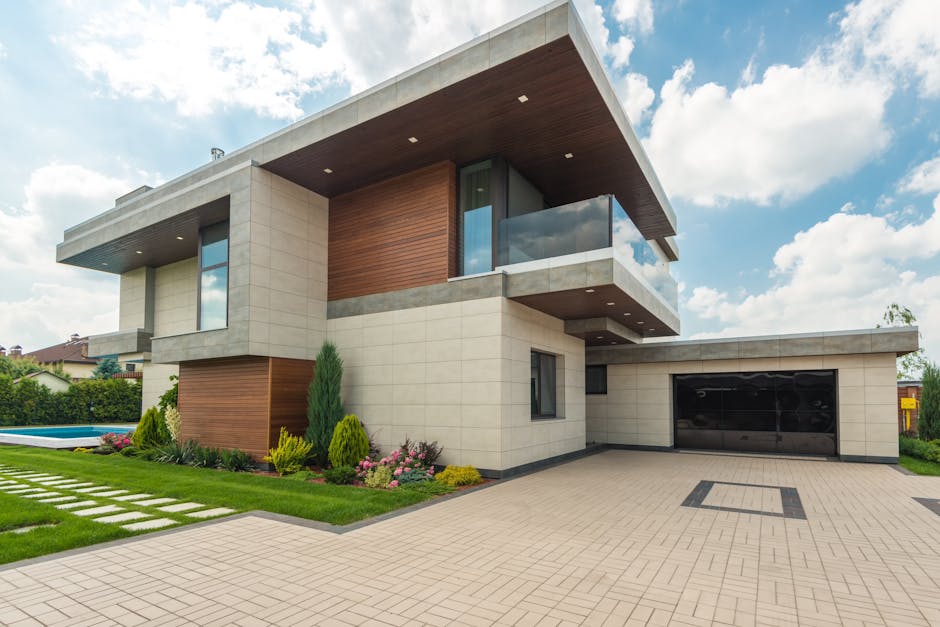
The Maturity of the Tampa Luxury Sector
Tampa’s real estate landscape has undergone a fundamental shift, moving from a high-growth regional pocket to a primary destination for national and international capital. This transition is marked not just by price appreciation, but by the entry of institutional-grade inventory that challenges previous valuation ceilings. For the private advisor, observing the market today requires a departure from historical comparisons; the benchmarks of five years ago no longer apply to the current luxury environment.
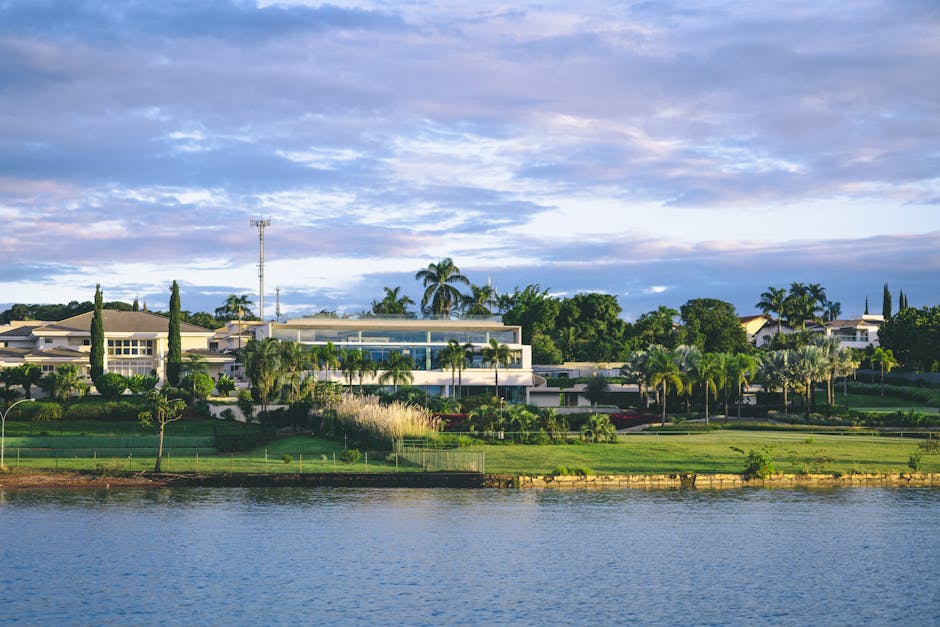
A significant indicator of this maturity is the recent arrival of ultra-high-net-worth listings that dwarf previous records. While the current price record sits at $22.5 million, the emergence of properties like the $115 million estate featured by the WSJ signals a new tier of desirability. This institutionalization of the market means that buyers are now competing for assets that offer global-standard finishes and privacy, rather than just local prestige.
Furthermore, the Tampa Bay luxury market remains resilient even as national trends show cooling in secondary cities. The strength of the local economy, coupled with a persistent migration of high-earners, has created a floor for pricing that protects long-term equity. Buyers must recognize that the “early-entry” window has closed, replaced by a sophisticated, stable environment where quality and location command a sustained premium.
Waterfront Resilience and Valuation Shifts
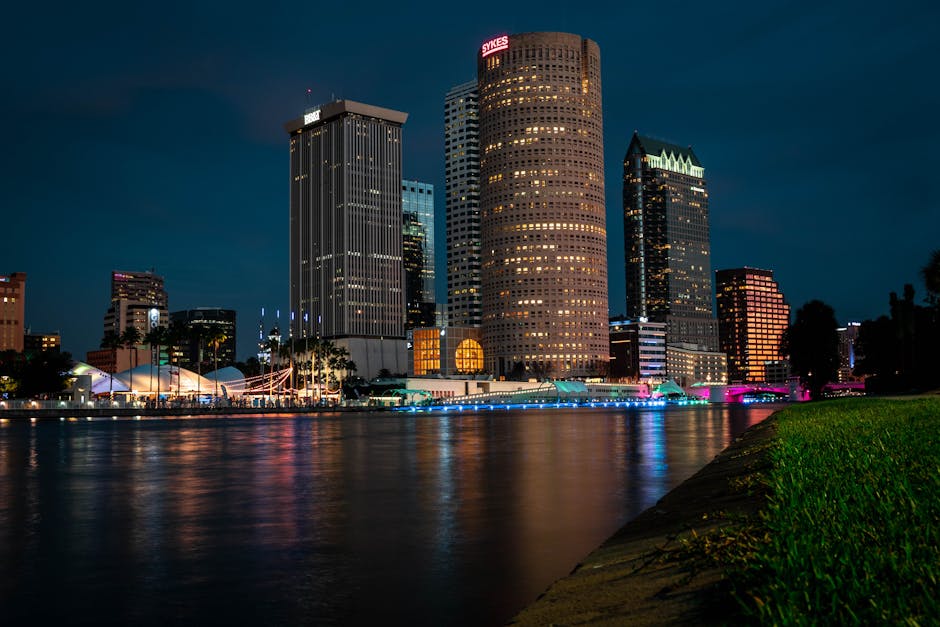
The premium placed on waterfront access continues to drive the highest transaction volumes in the region. Areas like Davis Islands, Bayshore Boulevard, and the various fingers of South Tampa represent the core of this demand. Unlike inland suburbs, the supply of coastal acreage is finite, creating a natural scarcity that buffers these properties against broader economic volatility. This trend has solidified Tampa’s waterfront as a primary luxury real estate market on par with traditional Florida hubs.
Evaluating these assets requires a technical understanding of riparian rights and elevation requirements. As building codes evolve, newer constructions that meet current coastal resilience standards carry a significant valuation delta over older structures. A sophisticated buyer prioritizes these structural advantages, viewing them as both a risk mitigation strategy and a driver of future resale value. The focus has moved from aesthetic appeal alone to the integration of modern engineering within the luxury framework.
We are also seeing a shift in buyer behavior regarding privacy. Gated estates with significant setbacks are increasingly favored over high-visibility waterfront parcels. This desire for seclusion is a hallmark of a mature market, where the most valuable assets are often those that remain the least visible from the street. Navigating this segment often requires access to off-market inventory, as the most discerning sellers prioritize confidentiality over traditional listing exposure.
Condo Market Dynamics and Urban Integration
While single-family homes dominate the headlines, the vertical luxury segment is in a unique phase of development. Analysts often describe Tampa as an early-stage luxury condo market. This creates a strategic opening for buyers who prefer the low-maintenance profile of a managed residence but want to capture the appreciation potential of a growing urban core. Downtown Tampa and Water Street have become the focal points for this lifestyle shift.
The value proposition of these high-rises isn’t just the unit itself, but the surrounding ecosystem. Proximity to cultural centers, high-end dining, and professional sports venues is now a primary driver of value. Buyers are increasingly valuing the “walkability” of their secondary or tertiary residences, seeking a level of urban integration that was previously unavailable in the Florida Gulf Coast region. This has led to a compression of cap rates in the most desirable new developments.
However, the condo market requires careful vetting of association health and long-term maintenance schedules. As state regulations tighten around high-rise inspections and reserves, the distinction between legacy buildings and modern towers will become even more pronounced. Buyers must look beyond the amenity deck and investigate the underlying fiscal health of the project. In a maturing market, the quality of the developer and the management firm is as important as the view from the balcony.
Strategic Acquisition Checklist
Successful navigation of the current Tampa environment requires a systematic approach to due diligence. The following points should be verified prior to moving from the letter of intent to the purchase agreement:
- Verify the finished floor elevation against the newest FEMA flood maps to ensure accurate insurance modeling.
- Audit the history of coastal hardening or seawall maintenance for all waterfront parcels.
- Review the specific land-use restrictions and setback requirements in historic South Tampa neighborhoods.
- Analyze the recent absorption rates for properties within 10% of the target list price to gauge negotiation leverage.
- Confirm the status of any active construction permits on adjacent properties to protect privacy and views.
Inventory Realities and Pricing Precision
The current median list price in the luxury segment stands at approximately $2.5 million, with average prices climbing toward $3.3 million for turnkey assets. With only about 120 active luxury listings on the market at any given time, the environment remains inventory-constrained. This scarcity means that correctly priced, high-quality assets move quickly, often with multiple interested parties conducting silent due diligence before an offer is even submitted.
Sophisticated buyers are no longer looking for “deals” in the traditional sense; they are looking for value. Value in this context is defined by the absence of deferred maintenance and the presence of architectural significance. A property like the Troutwater Lane estate at $2.65 million or the Florida Avenue commercial-residential hybrid at $2.2 million demonstrates the variety of assets available to those who understand the nuances of local sub-markets. Precision in pricing is critical; overpriced assets linger, while well-positioned properties maintain their value through closing.
Furthermore, the profile of the Tampa buyer has changed. We see fewer speculative purchases and more long-term holdings. This shift toward stability is a positive indicator for the region’s economic health. When buyers view a home as a 10-year asset rather than a 3-year flip, the market becomes less susceptible to the boom-and-bust cycles that characterized previous decades. This “buy and hold” mentality is particularly prevalent among those relocating from high-tax states who are seeking a permanent residence.
Lifestyle Logistics and Operational Awareness
Beyond the property lines, living in Tampa requires an understanding of the city’s operational rhythms. Seasonal traffic patterns and major events can significantly impact daily logistics. For instance, staying informed on weekend event traffic and local festivals is essential for those residing in the downtown or South Tampa corridors. The city’s growth has brought vibrant cultural offerings, but it has also made localized knowledge a prerequisite for ease of movement.
This operational awareness extends to the seasonal climate. While the temperate winters are the primary draw, the late-spring and summer months require properties equipped with high-efficiency climate control and moisture mitigation systems. Buyers should investigate the age and capacity of HVAC systems, as well as the presence of impact-rated glass, which serves as both a security feature and an essential component of thermal regulation during the warmer months.
Understanding the broader Florida real estate trends is also vital for the multi-property owner. Tampa often leads the state in certain infrastructure developments, which can serve as a bellwether for neighboring markets. Engaging with the community through local events, from waterfront festivals to the professional arts, provides a deeper connection to the city that goes beyond the technical aspects of a real estate transaction.
Navigating the Path Forward
Deciding on a luxury acquisition in Tampa today requires a blend of data-backed analysis and local intuition. The market has reached a level of complexity where generic advice is no longer sufficient. Whether you are comparing a contemporary high-rise residence in Water Street to a historic estate in Hyde Park, the decision should be driven by a clear understanding of your long-term objectives and a rigorous assessment of the property’s structural and fiscal integrity. The current inventory offers unique opportunities for those prepared to act with precision and confidence.
To explore the most exclusive opportunities currently available in the region, we invite you to browse our curated listings. For a private consultation regarding market valuation or to discuss an acquisition strategy tailored to your specific requirements, please contact a senior advisor at our firm. Our focus is on providing the analytical depth and neighborhood-level insight necessary to navigate the Tampa luxury landscape successfully.
Your next move in Tampa luxury
Get current inventory, pricing guidance, and private-tour support from our brokerage team.
Source highlights
- Tampa’s Price Record Is $22.5 Million. This Huge Estate Is Asking $115 Million. – WSJ
- Tampa Bay’s most expensive luxury home sales of 2025 – Tampa Bay Times
- Tampa Bay luxury market grows stronger despite national declines – The Business Journals
- Why Tampa remains an early-stage luxury condo market – Tampa Bay Business & Wealth
- Tampa Bay’s Waterfront Emerges as a Primary Luxury Real Estate Market – The National Law Review
- Florida Trend Real Estate – Florida Trend
- Things to do with kids this weekend in Tampa, FL – That's So Tampa
- Tampa weekend events: Concerts, festivals and downtown family fun — What to know before you go – FOX 13 Tampa Bay



