


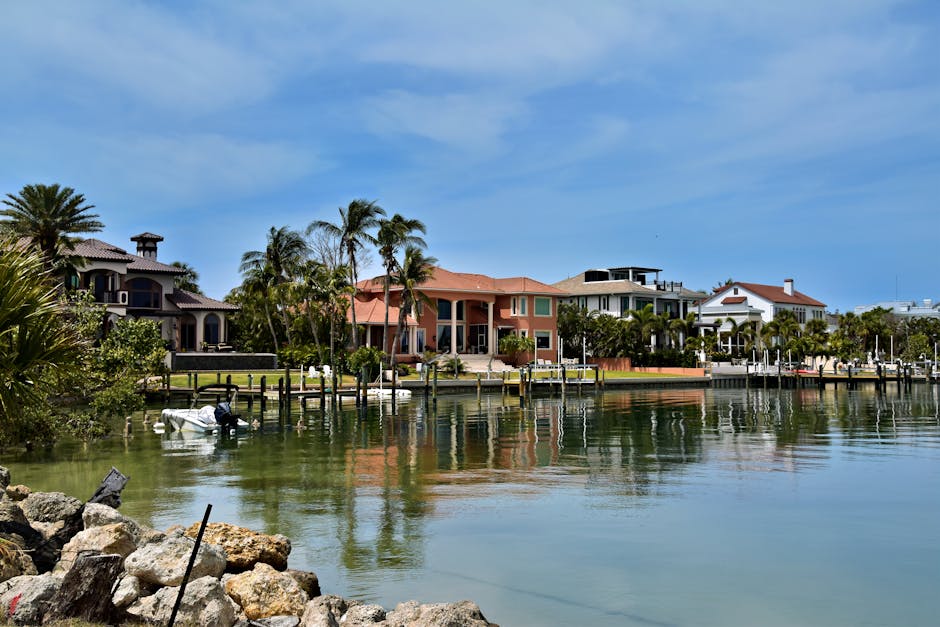
The Resilience of Tampa’s High-End Asset Class
As we navigate the second quarter of 2026, the Tampa luxury real estate sector continues to demonstrate a unique decoupling from broader national trends. While many Tier 1 markets have faced plateauing valuations due to shifting interest rate environments and inventory constraints, Tampa has maintained a trajectory of measured growth. This stability is largely attributed to the region’s transition from a seasonal secondary market to a permanent primary residence destination for high-net-worth individuals. Data from The Business Journals indicates that the local market remains robust, fueled by a consistent influx of executive-level professionals and a diversifying economic base that supports sustained demand for premium housing.
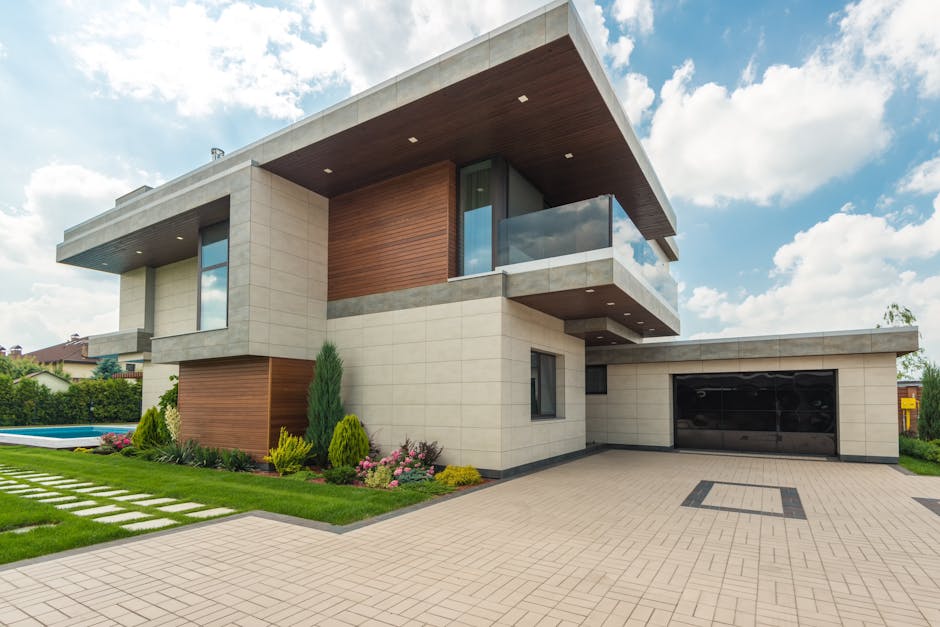
The current inventory snapshot reveals 120 active luxury listings, with a median list price established at $2,500,000. This pricing floor reflects a sophisticated buyer pool that prioritizes architectural integrity and location over speculative square footage. We are seeing a shift in buyer behavior where the focus has moved toward long-term value preservation rather than short-term appreciation. Properties such as those found on Troutwater Lane or Gardner Road serve as benchmarks for this movement, offering substantial acreage and privacy that remains scarce in more densely populated coastal corridors. The average list price of $3,295,129 further underscores the weight of the ultra-high-end segment, which continues to pull the market upward as premier estates change hands.
For the advisor and the serious buyer alike, understanding this resilience requires looking beyond the numbers. The market is increasingly defined by the scarcity of truly turnkey properties. In an environment where construction costs and lead times for high-end finishes remain elevated, the premium placed on ready-to-occupy estates has never been higher. This has created a competitive landscape for finished products in established neighborhoods, where the speed of execution is often the deciding factor in successful acquisitions.
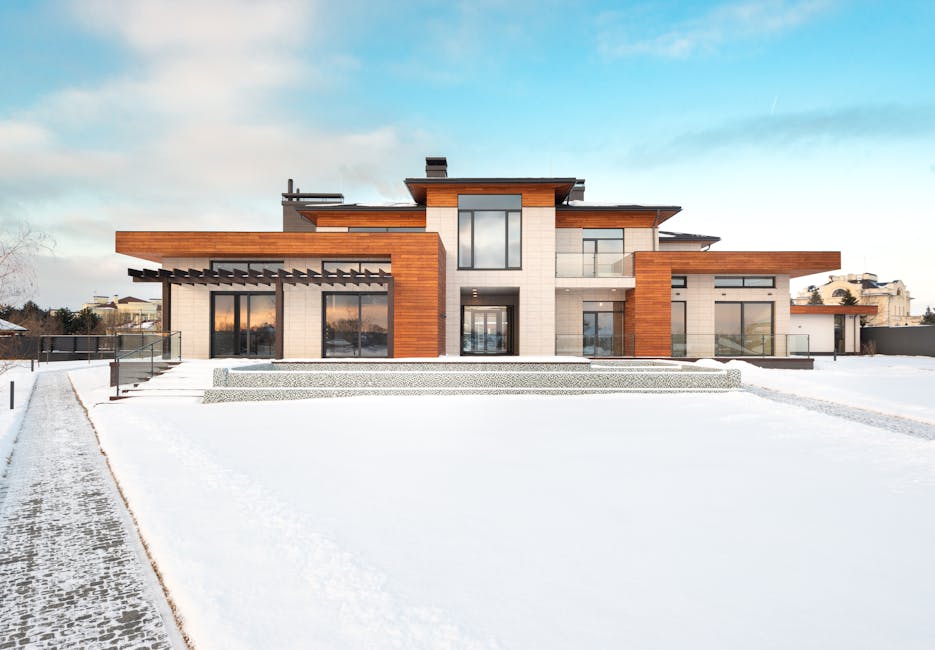
The Emergence of Waterfront as a Primary Market
Historically, Tampa’s waterfront was viewed as a collection of high-end pockets rather than a cohesive primary market. However, recent developments have shifted this perception. According to research published in The National Law Review, Tampa’s waterfront has officially emerged as a primary luxury real estate market, competing directly with established global destinations. This shift is driven by significant infrastructure improvements and a maturing amenity base that supports a full-time residential experience. Buyers are no longer looking for weekend retreats; they are seeking estates that function as sophisticated primary hubs with deep-water access and proximity to the city’s evolving commercial centers.
This maturation is particularly visible in areas like Davis Islands and Beach Park. In these neighborhoods, the inventory is increasingly dominated by custom-built residences that emphasize indoor-outdoor fluidity and hurricane-resilient engineering. The value proposition here is twofold: the lifestyle utility of the Gulf access and the underlying land value which has seen consistent upward pressure. As larger parcels become increasingly rare, we are observing a trend toward the consolidation of smaller lots to create significant bayfront compounds. This land-banking strategy by private individuals is a strong indicator of long-term confidence in the region’s coastal assets.
The analytical takeaway for buyers is the importance of verifying riparian rights and seawall integrity early in the due diligence process. In a market where waterfront premiums can exceed fifty percent of the total property value, the technical health of the shoreline is just as critical as the interior finishes. Sophisticated buyers are increasingly engaging specialized engineers to assess these components, recognizing that the true value of a waterfront asset lies in its longevity and protection against environmental variables.
The Vertical Shift: Navigating the Early-Stage Condo Market
While single-family estates remain the cornerstone of Tampa’s luxury sector, the high-rise market is undergoing a significant transformation. Analysts at Tampa Bay Business & Wealth note that Tampa remains in an early-stage luxury condo market compared to cities like Miami or New York. This represents a strategic window for buyers who recognize the shift toward serviced living. The current wave of condominium development is focused on lower density and higher service levels, catering to a demographic that values security, privacy, and frictionless maintenance above all else.
This evolution is most prominent along the Bayshore Boulevard corridor and within the integrated districts near the downtown core. These new vertical communities are not merely residential towers; they are full-service ecosystems featuring private elevators, 24-hour concierge services, and wellness-focused amenities that rival five-star resorts. For the buyer transitioning from a large estate to a more manageable footprint, these properties offer a compromise-free alternative. The focus is on quality of space—higher ceilings, wider galleries, and expansive terraces—rather than maximizing the number of units per floor.
From an investment perspective, the early-stage nature of this market suggests a longer runway for value maturation. As the city continues to densify and the luxury amenity base expands, these flagship towers are expected to maintain their status as prestige addresses. Buyers should compare the service-to-unit ratio and the track record of the management firms, as these factors will ultimately dictate the long-term desirability and resale velocity of the asset.
Strategic Due Diligence for High-Value Acquisitions
Acquiring a luxury asset in the current environment requires a more rigorous approach than in previous cycles. The complexity of high-end transactions has increased, necessitated by more stringent building codes, evolving insurance requirements, and the integration of sophisticated home automation systems. A successful acquisition is no longer just about the right price; it is about the comprehensive verification of the property’s physical and legal standing. This analytical approach ensures that the buyer is fully aware of both the opportunities and the obligations associated with a premium property.
The following checklist outlines the essential focus areas for a sophisticated buyer during the mid-phase of an acquisition:
- Comprehensive engineering audit of seawalls and dockage for all waterfront parcels.
- Verification of the elevation certificate and a detailed review of current flood mitigation infrastructure.
- Analysis of the home’s mechanical systems, specifically focusing on multi-zone HVAC efficiency and integrated smart-home security.
- Review of neighborhood-specific architectural guidelines or deed restrictions that may impact future modifications.
- Assessment of recent comparable sales within a narrow radius to calibrate the offer against actual market velocity.
- Audit of all permits for recent renovations to ensure full compliance with the most recent building standards.
Engaging with a specialized advisor who understands these nuances is critical. The ability to interpret technical reports and translate them into a negotiation strategy is what differentiates a standard transaction from a successful high-end acquisition. In the current market, where the median list price sits at $2.5 million, the cost of overlooked details can be significant. Prioritizing this analytical brief during the inspection period is the most effective way to protect capital and ensure long-term satisfaction with the asset.
Neighborhood Implications and Market Movement
Market movement in Tampa is highly localized, with distinct behaviors in neighborhoods like Hyde Park, Palma Ceia, and Culbreath Isles. Hyde Park remains the benchmark for historic luxury, where the value is driven by walkability and architectural heritage. Here, we see strong demand for meticulously restored bungalows and newer builds that respect the historic fabric. Conversely, Culbreath Isles and the gated enclaves of South Tampa offer a different value proposition, focused on privacy, security, and expansive lot sizes. These areas have seen some of the most expensive luxury home sales of 2025, reinforcing their status as the city’s premier residential retreats.
Buyers should also monitor the movement in Westshore and the areas surrounding the new commercial hubs. As corporate headquarters continue to relocate to the region, proximity to work and high-end dining is becoming a major driver of property value. This is creating a new tier of luxury that blends suburban tranquility with urban accessibility. The demand in these areas is often driven by professionals who require quick access to the airport and major transit corridors while still desiring a quiet, residential atmosphere. This balance is a key factor in the sustained price appreciation seen in these mid-town luxury pockets.
Understanding these neighborhood-level implications is vital for deciding where to deploy capital. While a waterfront estate on Davis Islands offers prestige and nautical utility, a historic residence in Hyde Park offers a cultural connection and lifestyle convenience that is unique to the area. Each neighborhood has its own velocity and its own set of value drivers. A thorough comparison of these micro-markets is essential for any buyer looking to align their property choice with their specific lifestyle and financial goals.
The Intersection of Infrastructure and Appreciation
Long-term value in real estate is frequently tied to the quality of the surrounding infrastructure and the ongoing investment in the community. Tampa is currently benefiting from a multi-billion dollar revitalization effort that spans from the Water Street district to the expanded Riverwalk. These projects are not just aesthetic improvements; they are functional enhancements that increase the utility and desirability of nearby luxury properties. Tracking these developments via Florida Trend provides insight into where the next phase of value growth is likely to occur.
Furthermore, the city’s commitment to enhancing its cultural and recreational offerings contributes to the overall stability of the real estate market. From major art installations to significant traffic management improvements designed to handle high-profile events, the urban core is becoming increasingly sophisticated. For instance, the coordination required for large-scale gatherings, such as the upcoming spring festivals and concerts, demonstrates a level of municipal maturity that reassures luxury buyers of the city’s ability to support a high-quality lifestyle. This infrastructure serves as a hedge against market volatility, as it continues to draw new residents and investment to the area.
For the sophisticated buyer, these macro-level factors should be integrated into the overall property evaluation. An estate in a neighborhood that is seeing consistent public and private investment is likely to outperform one in a static area. Evaluating the proximity to planned transit improvements, new green spaces, and high-end commercial developments is a standard part of any analytical brief for the modern investor. These elements provide the context in which a property’s value will either stagnate or flourish over the coming decade.
Positioning for a Successful Acquisition
In a market characterized by 120 active luxury listings and a median price of $2.5 million, positioning is everything. Success for a buyer in 2026 requires a combination of clinical analysis and decisive action. The most desirable properties often move before they reach the public market, making the role of a well-connected advisor indispensable. This is a market that rewards preparation; having a clear understanding of your non-negotiables, your technical requirements, and your financing structure allows you to act with confidence when the right opportunity arises.
Whether you are evaluating a modern masterpiece on Florida Avenue or a classic estate in one of the city’s established enclaves, the objective remains the same: the acquisition of an asset that offers both immediate utility and long-term security. The data suggests that Tampa is no longer a speculative play; it is a mature market that demands a sophisticated approach. By focusing on the structural shifts in the waterfront and high-rise sectors, and by conducting rigorous due diligence, buyers can successfully navigate this landscape and secure a primary residence that meets the highest standards of quality and design.
To identify the opportunities that align with your specific criteria, we invite you to explore our curated selection of LISTINGS URL. Our team provides the analytical depth and local intelligence required to manage complex transactions in this competitive environment. When you are ready to discuss your requirements with a senior advisor and develop a strategic acquisition plan, please CONTACT URL to schedule a private consultation. We specialize in the acquisition of high-value Tampa assets for the discerning buyer who demands precision, discretion, and market-leading expertise.
Your next move in Tampa luxury
Get current inventory, pricing guidance, and private-tour support from our brokerage team.
Source highlights
- Tampa Bay’s most expensive luxury home sales of 2025 – Tampa Bay Times
- Tampa Bay luxury market grows stronger despite national declines – The Business Journals
- Why Tampa remains an early-stage luxury condo market – Tampa Bay Business & Wealth
- Tampa Bay’s Waterfront Emerges as a Primary Luxury Real Estate Market – The National Law Review
- Florida Trend Real Estate – Florida Trend
- New Signature Real Estate Team Emerges Across Tampa Bay: The Nick Janovsky Group Launches with Premier Sotheby’s International Realty – citybiz
- Things To Do In Tampa This Weekend: Best Festivals & Events Going On – That's So Tampa
- Tampa weekend events: Concerts, festivals and downtown family fun — What to know before you go – FOX 13 Tampa Bay



