


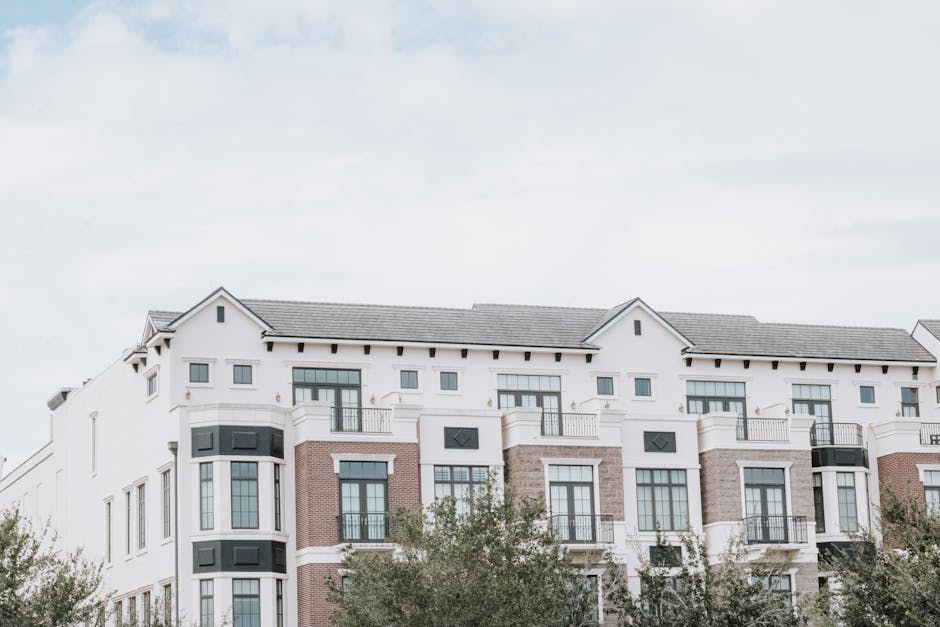
The Structural Evolution of Tampa High-End Real Estate
The Tampa luxury real estate landscape has undergone a fundamental transformation over the past several years. What was once viewed primarily as a secondary market for seasonal residents has matured into a sophisticated hub for primary residences. This shift is driven by a convergence of corporate relocations, significant infrastructure investment, and a growing recognition of the region’s long-term value proposition. As of April 2026, the market demonstrates remarkable resilience, characterized by a stabilized inventory of approximately 120 active luxury listings and a median list price that remains firm at $2,500,000.
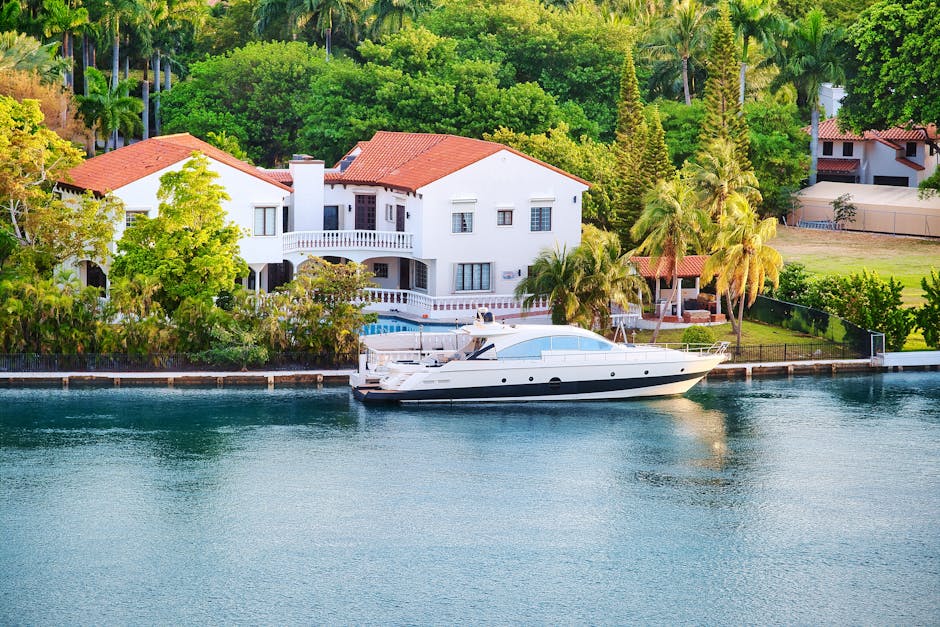
While national housing trends have faced headwinds, the local market continues to show independent strength. According to reports from The Business Journals, the Tampa Bay luxury sector has grown stronger despite broader national declines. This divergence is largely attributed to the quality of the incoming buyer pool, which consists of high-net-worth individuals seeking permanent placement rather than speculative investments. The average list price in the current cycle has climbed to over $3,295,000, reflecting the increasing availability of ultra-premium estates that cater to these demanding requirements.
To navigate this environment, a buyer must move beyond general market sentiment and focus on hyper-local data. Selection is not merely about finding a property; it is about identifying assets that offer structural longevity and lifestyle utility. Whether evaluating a residence on Troutwater Lane or a modern build along Gardner Road, the emphasis remains on the quality of construction and the strategic positioning within specific neighborhood corridors. Understanding these nuances is essential for any advisor assisting a client in the current climate.
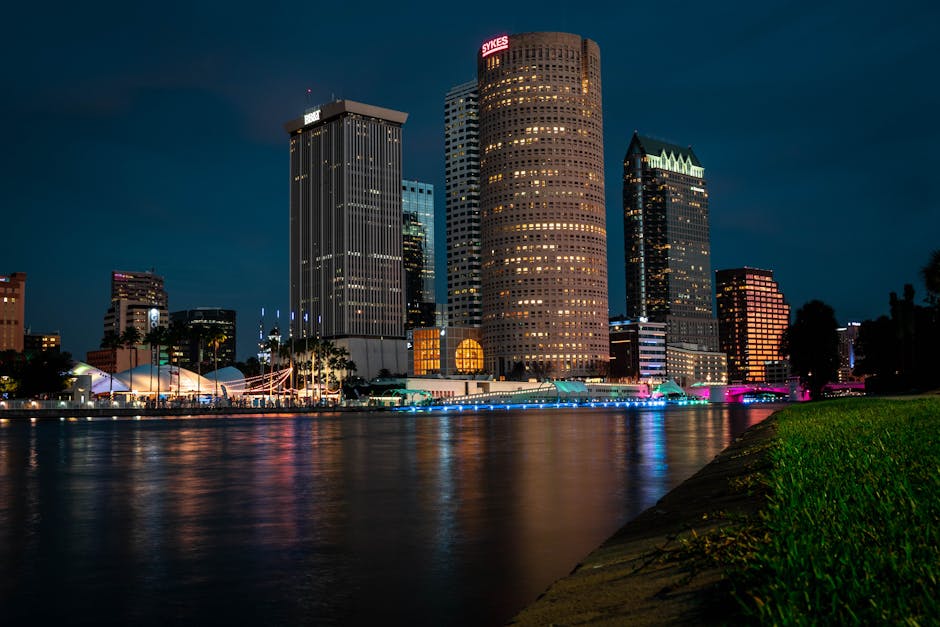
Analyzing Waterfront Valuation and Geographic Scarcity
Waterfront property remains the most significant driver of value within the Tampa market, yet the nature of these assets is evolving. The region’s shoreline is increasingly recognized as a primary luxury real estate market on a global scale. Research highlighted by The National Law Review underscores how Tampa’s waterfront has emerged as a primary destination for sophisticated capital. This is particularly evident in areas like Davis Islands and Bayshore Boulevard, where deep-water access and expansive views command substantial premiums.
The scarcity of available waterfront lots has led to a cycle of redevelopment where older structures are replaced by resilient, modern architecture designed to meet current environmental standards. For the buyer, this means that the underlying land value often accounts for a higher percentage of the total acquisition cost than in inland sub-markets. Analyzing the riparian rights and the specific depth of water at the dock is no longer a luxury—it is a mandatory component of due diligence. Properties that provide immediate access to the bay without bridge restrictions continue to outperform the general market in terms of appreciation and liquidity.
Furthermore, the development of new waterfront amenities and public-private partnerships has enhanced the desirability of these locations. The integration of high-end dining and walkable promenades near residential clusters has shifted the focus from isolated estates to connected communities. This trend is visible in the revitalization of the urban shoreline, where privacy is balanced with the convenience of proximity to Tampa’s growing culinary and cultural scene. Buyers are increasingly prioritizing these hybrid locations where the tranquility of the water meets the utility of the city center.
The High-Rise Evolution: Urban Core vs. Suburban Estates
The vertical expansion of the urban core represents one of the most visible shifts in the local market. Tampa remains an early-stage luxury condo market compared to established hubs like Miami, providing a unique entry point for those seeking modern high-rise living. Insights from Tampa Bay Business & Wealth suggest that this segment is poised for significant long-term growth as the city densifies. Developments in Water Street and the Westshore Marina District are setting new benchmarks for service and amenities, attracting buyers who value security and a turn-key lifestyle.
Contrastingly, the demand for suburban luxury estates in neighborhoods like Beach Park and Palma Ceia remains robust. These areas offer larger footprints and greater privacy, catering to families who require proximity to the region’s top-tier private schools. The decision between a high-rise residence and a traditional estate often hinges on the desired level of maintenance and the importance of outdoor living space. Modern estate designs are increasingly incorporating resort-style pools and outdoor kitchens, mirroring the amenities found in high-end condos but within a private perimeter.
Inventory levels for both segments are currently balanced, though selection can be tight in the most desirable school districts. When browsing the current LISTINGS URL, one will notice a distinct variance in architectural styles, from Mediterranean Revival to sleek, contemporary glass designs. This architectural diversity reflects the maturing tastes of the Tampa buyer, who is increasingly moving away from generic builds in favor of custom, high-quality finishes and unique floor plans. Identifying the right fit requires a deep understanding of how these different property types behave in terms of long-term resale value.
Due Diligence Checklist for the Sophisticated Buyer
Before proceeding with a high-value acquisition, it is imperative to conduct a rigorous assessment of the property’s physical and legal standing. The following checklist serves as a baseline for any serious evaluation in the Tampa market:
- Verify current flood zone designations and the elevation of mechanical systems.
- Audit recent comparable sales within a 24-month window to establish a realistic valuation floor.
- Assess the proximity to major transit arteries, such as the Selmon Expressway, to gauge daily commute utility.
- Review the long-term capital improvement plans for any relevant homeowners or condominium associations.
- Evaluate the history of shoreline stabilization and dock permits for waterfront assets.
- Analyze the local zoning restrictions for any potential neighboring developments that could impact privacy or views.
Each of these points represents a critical layer of risk management. In a market where the average sale can exceed $3,000,000, the cost of overlooking a structural or regulatory detail can be significant. Working with an advisor who understands the local permitting process and the nuances of Florida real estate law is essential to ensuring a smooth transaction and protecting your capital investment over time.
Market Resiliency and the Role of Institutional Migration
The influx of institutional capital into the Tampa region has created a permanent floor for luxury property values. This migration is not just about residential real estate; it is a holistic shift as financial services firms and tech companies relocate their headquarters to the Sunbelt. According to the Tampa Bay Times, the region’s most expensive luxury sales in 2025 were characterized by buyers from high-tax states seeking both fiscal advantages and a superior quality of life. This trend has continued into 2026, with the market showing no signs of slowing down.
The resilience of the market is also supported by the city’s commitment to large-scale events and cultural programming. From major festivals to professional sports, the city’s calendar is consistently packed, drawing international attention and reinforcing its status as a top-tier destination. For instance, That’s So Tampa frequently highlights the best festivals and events that contribute to the local energy. This cultural vibrancy is a key factor for high-net-worth families who are looking for more than just a house; they are looking for a community that offers engagement and variety.
As the city continues to host major events, infrastructure projects are being accelerated to accommodate growth. These improvements, while occasionally causing temporary traffic alerts as reported by wtsp.com, signify a proactive approach to urban management. For the luxury property owner, this means that their investment is situated in a region that is actively planning for its future, rather than reacting to it. This forward-looking stance is a hallmark of a mature primary market.
Navigating Local Inventory and Neighborhood Selection
Choosing the right neighborhood in Tampa requires an understanding of the distinct personality and trajectory of each area. South Tampa remains the most sought-after corridor due to its historic charm and proximity to the urban core. Within this enclave, sub-neighborhoods like Virginia Park and Sunset Park offer a mix of legacy estates and modern masterpieces. For those seeking a more secluded feel, the North Tampa corridors and gated communities near the Hillsborough River provide a different type of luxury, characterized by larger acreage and natural vistas.
The process of neighborhood selection should also account for future development. Understanding which areas are slated for commercial expansion or public park improvements can provide a strategic advantage. A property that is currently on the edge of a desirable zone may become the center of a new luxury hub within a few years. This foresight is what distinguishes a successful buyer from one who simply follows current trends. Analyzing the inventory on Florida Avenue or exploring the quiet streets of the Heights can reveal opportunities that are often missed by those only looking at established waterfront corridors.
Ultimately, the goal is to find a residence that aligns with your specific operational needs and financial objectives. The current market offers a diverse range of options, but the most attractive opportunities are often identified before they reach a broad audience. By leveraging local expertise and a data-driven approach, you can navigate the complexities of the Tampa market with confidence. For a tailored analysis of the current inventory or to discuss a specific property of interest, we encourage you to CONTACT URL an advisor. Browse our curated selection of properties and begin your journey toward securing a premier asset in one of Florida’s most dynamic markets.
Your next move in Tampa luxury
Get current inventory, pricing guidance, and private-tour support from our brokerage team.
Source highlights
- Tampa Bay’s most expensive luxury home sales of 2025 – Tampa Bay Times
- Tampa Bay luxury market grows stronger despite national declines – The Business Journals
- Why Tampa remains an early-stage luxury condo market – Tampa Bay Business & Wealth
- Tampa Bay’s Waterfront Emerges as a Primary Luxury Real Estate Market – The National Law Review
- Florida Trend Real Estate – Florida Trend
- New Signature Real Estate Team Emerges Across Tampa Bay: The Nick Janovsky Group Launches with Premier Sotheby’s International Realty – citybiz
- Things To Do In Tampa This Weekend: Best Festivals & Events Going On – That's So Tampa
- Tampa weekend events: Concerts, festivals and downtown family fun — What to know before you go – FOX 13 Tampa Bay



