


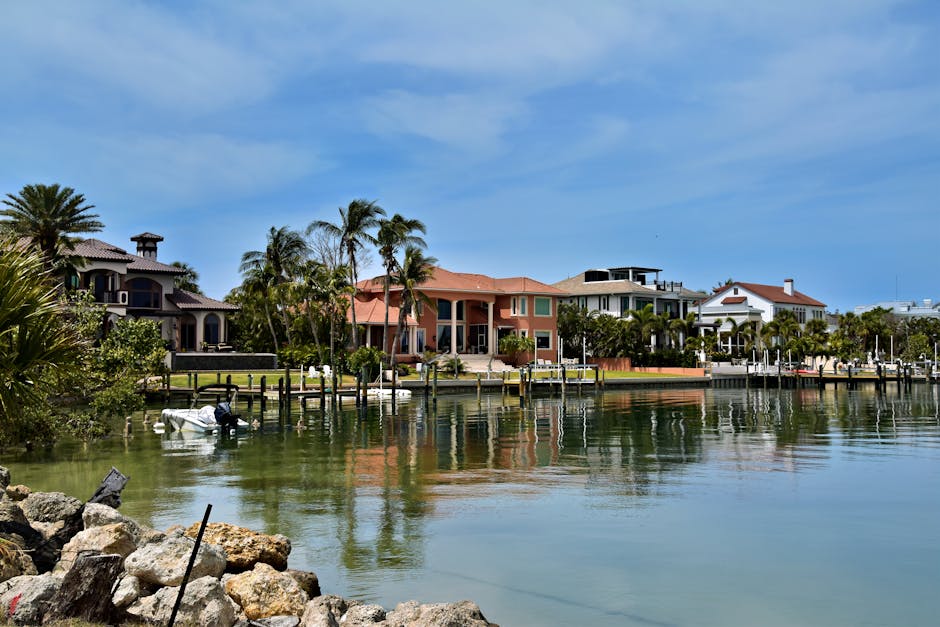
The Maturation of the Tampa Luxury Sector
Capital allocation in the Tampa Bay area has transitioned from speculative investment to permanent residency. This shift is corroborated by the sustained performance of the high-end sector, even as national markets experienced volatility. Recent data indicates that the Tampa Bay luxury market grows stronger despite national declines, signaling a decoupling from broader economic cooling. This resilience is driven by a sophisticated buyer profile prioritizing long-term stability and high-quality infrastructure over temporary tax advantages.
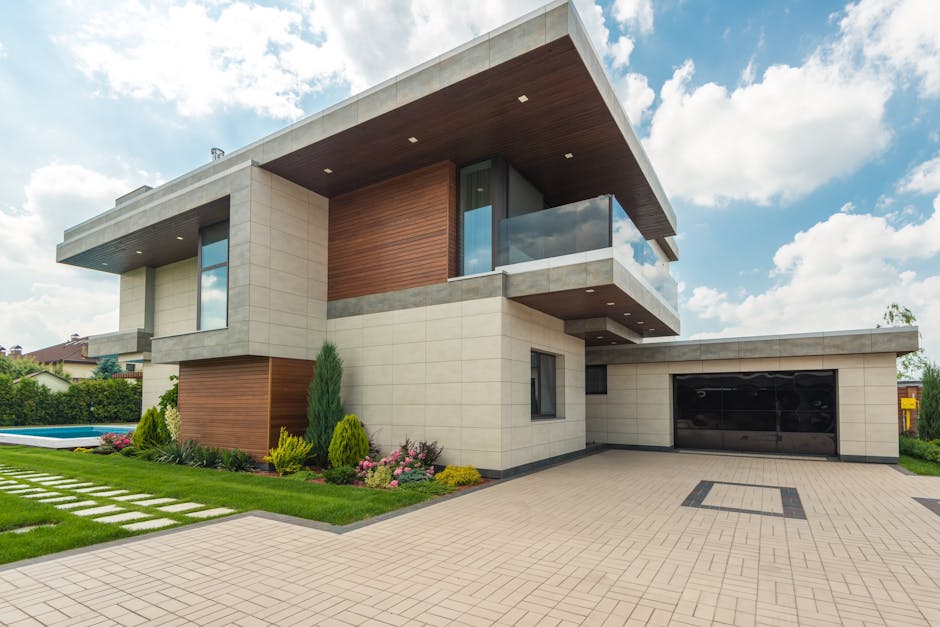
The current inventory landscape reflects a concentrated market with 120 active luxury listings. With a median list price of $2,500,000 and an average list price exceeding $3,200,000, the entry point for true luxury assets has recalibrated. Buyers must now distinguish between inventory that carries a premium due to scarcity and those that offer genuine architectural value. This distinction is critical when evaluating properties like those found on Gardner Road or within the secluded enclaves of Troutwater Lane, where lot size and privacy dictate valuation far more than square footage alone.
Strategic positioning in today’s market requires an understanding of ‘stickiness’—the likelihood that a neighborhood will maintain its value through shifting economic cycles. In Tampa, this stickiness is tied to proximity to the urban core and the continued development of the waterfront. As the city moves toward a more dense, vertical luxury model, the traditional single-family estate remains the gold standard for capital preservation, particularly in areas where land is finite.
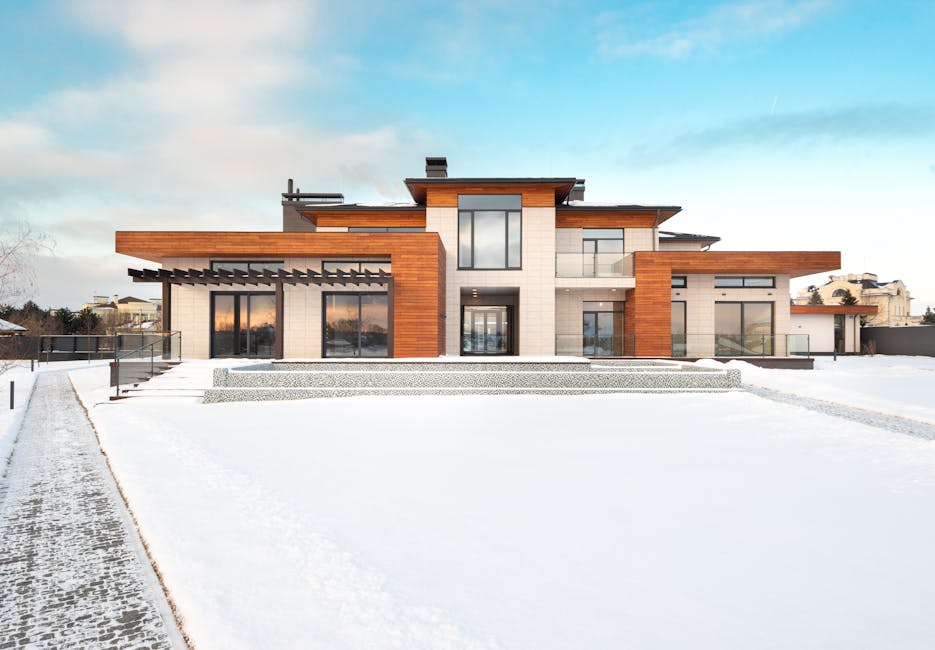
The Emergence of the Primary Waterfront
Tampa’s relationship with the water has undergone a fundamental transformation. Historically viewed as a secondary or seasonal market, the region’s coastline is now recognized as a primary luxury hub. Research from The National Law Review highlights how the waterfront is emerging as a top-tier destination for domestic and international capital. This is not merely about a view; it is about the integration of modern sea-wall engineering, deep-water access for larger vessels, and the lifestyle infrastructure that supports year-round residency.
Buyers are increasingly analytical regarding elevation and construction standards. The shift toward modern, ‘coastal-contemporary’ architecture is driven by both aesthetic preference and practical necessity. Newer builds are designed to withstand the nuances of a humid subtropical climate while providing the seamless indoor-outdoor transition that modern luxury living demands. This focus on durability and advanced building science is a hallmark of the recent high-end sales in the region, ensuring that these assets remain viable for decades.
Understanding the nuances of riparian rights and coastal construction lines is essential for any waterfront acquisition. In areas like Davis Islands, the value of a property can vary significantly based on the breadth of the canal or the directness of the bay view. Advisors now look past the surface-level finishes to evaluate the underlying engineering of the dockage and the integrity of the shoreline protection. This level of due diligence is what separates a successful acquisition from a liability-prone investment.
The Early-Stage Condo Ecosystem
While single-family homes dominate the headlines, the vertical luxury segment is providing a new avenue for diversification. Experts suggest that Tampa remains an early-stage luxury condo market, offering a unique window for entry before the sector reaches full maturity. The current pipeline of high-rise developments in the Water Street and Westshore districts is catering to a demographic that values concierge services and ‘lock-and-leave’ convenience without compromising on the scale of their living quarters.
These developments are not just providing housing; they are creating self-contained ecosystems. Amenities now include private wellness centers, climate-controlled wine cellars, and expansive terraces that rival the backyards of suburban estates. For the sophisticated buyer, the condo market represents a strategic hedge, offering a lower-maintenance lifestyle in the heart of the city’s most dynamic districts. However, the choice of developer and the long-term management structure of the building are as important as the floor plan itself.
Analyzing the price-per-square-foot trends in these new developments reveals a steady upward trajectory. As more professional services and corporate headquarters migrate to the Tampa area, the demand for high-end urban living continues to outpace supply. This imbalance is particularly evident in the pre-construction phase, where early adopters are securing units at a basis that may not be available once the skyline is further established. Identifying the right project requires a deep dive into the developer’s track record and the projected master plan for the surrounding district.
Inventory Realities and Pricing Tiers
The current market data reveals a clear bifurcation between ‘standard’ luxury and ‘ultra-high-net-worth’ assets. A review of Tampa Bay’s most expensive luxury home sales shows that the ceiling is continually being pushed upward. Properties that would have traded for $5,000,000 five years ago are now regularly crossing the $10,000,000 threshold, driven by a lack of truly bespoke inventory. For buyers looking in the median range of $2,500,000, the focus should be on identifying properties with ‘good bones’ in premium locations that can support future capital improvements.
Market velocity has moderated, providing buyers with more room for negotiation and thorough inspections compared to the frantic pace of previous years. This ‘normalized’ speed is a healthy development, allowing for a more rational assessment of value. Sellers, conversely, must be more disciplined in their pricing strategies. Over-aspirational listing prices are often met with extended days-on-market, emphasizing the need for data-backed valuations that reflect current closed comparables rather than optimistic projections.
When reviewing the LISTINGS URL, it is evident that the most successful transactions involve properties where the ‘price-to-quality’ ratio is well-aligned. Whether it is a renovated historic estate in Hyde Park or a modern masterpiece in Culbreath Isles, the market is rewarding authenticity. Buyers are no longer satisfied with superficial renovations; they are looking for comprehensive updates to mechanical systems, roofing, and energy efficiency. This shift toward quality-centric buying is a sign of a maturing and discerning market.
Due Diligence for Modern Tampa Acquisitions
Navigating a high-stakes real estate transaction requires a structured approach to verification. The following checklist outlines the non-negotiables for evaluating a luxury asset in the current Tampa landscape:
- Verification of current elevation certificates and a comprehensive review of the latest flood zone mapping.
- Structural inspection of seawalls and dockage by a specialized marine engineer for waterfront parcels.
- Assessment of historical preservation constraints or HOA architectural guidelines that may limit future expansion.
- In-depth analysis of surrounding land use and potential for future development that could impact privacy or views.
- Evaluation of smart-home integration systems and the age/condition of all high-efficiency HVAC components.
- Review of property tax assessments and the potential impact of ownership transfer on future carrying costs.
Each of these points serves as a layer of protection for your capital. In a market where the median list price is $2.5 million, the cost of a missed detail during the feasibility period can be significant. Professional advisory is not just about finding the property; it is about the rigorous de-risking of the investment before the closing date.
Geographic Strategy: From Davis Islands to Hyde Park
Neighborhood selection in Tampa is a study in character and lifestyle alignment. Davis Islands remains the premier choice for those seeking a suburban feel within minutes of the downtown core. Its lack of through-traffic and proximity to private aviation make it a perennial favorite for high-profile residents. The market here is tight, with legacy properties often trading off-market. When public listings do appear, they command a premium that reflects the island’s unique status as a self-contained community.
Conversely, Hyde Park offers a more walkable, urban-traditional experience. The appeal of the historic district lies in its proximity to high-end dining and retail at Hyde Park Village. For many buyers, the value is in the charm of the brick-lined streets and the architectural heritage of the homes. However, this aesthetic comes with the responsibility of maintaining historical integrity, which requires a nuanced understanding of local building codes. Balancing the desire for modern interiors with a protected exterior is the primary challenge and opportunity in this area.
Further south, the Westshore district and Beach Park offer larger lot sizes and a more traditional residential atmosphere. These areas are increasingly popular for those who prioritize ease of access to the airport and the corporate centers of Westshore. The inventory in these neighborhoods is often a mix of mid-century classics and sprawling new constructions. Strategic buyers look for the larger, ‘tear-down’ ready lots that provide the canvas for a custom estate, a trend that continues to drive land values in these established enclaves.
Future Projections and Advisory Integration
The trajectory of the Tampa luxury market is increasingly tied to the quality of professional advisory. As noted by citybiz, the emergence of specialized luxury teams, such as the Nick Janovsky Group joining Premier Sotheby’s, indicates a move toward more data-intensive, boutique service models. Buyers and sellers alike are demanding a level of market intelligence that goes beyond the MLS, requiring an advisor who can interpret macroeconomic trends and apply them to specific neighborhood implications.
Looking ahead, the integration of technology and sustainability will be the next frontier for Tampa’s high-end homes. From solar-integrated roofing to advanced water filtration and home automation, the ‘home of the future’ is becoming the standard for the present. This evolution is also reflected in the local lifestyle, with events such as those highlighted in That’s So Tampa and Fox 13 showcasing a city that is as culturally active as it is economically vibrant.
Success in the Tampa luxury real estate market is rarely a matter of luck. It is the result of a disciplined search, a rigorous due-diligence process, and a clear understanding of the long-term structural shifts in the region. Whether you are liquidating a legacy asset or acquiring a primary residence, the goal remains the same: the optimization of value through informed decision-making. To explore the current opportunities within the Tampa luxury inventory or to discuss a strategic acquisition, we invite you to browse our curated LISTINGS URL and CONTACT URL an advisor today to begin a more detailed conversation.
Your next move in Tampa luxury
Get current inventory, pricing guidance, and private-tour support from our brokerage team.
Source highlights
- Tampa Bay’s most expensive luxury home sales of 2025 – Tampa Bay Times
- Tampa Bay luxury market grows stronger despite national declines – The Business Journals
- Why Tampa remains an early-stage luxury condo market – Tampa Bay Business & Wealth
- Tampa Bay’s Waterfront Emerges as a Primary Luxury Real Estate Market – The National Law Review
- Florida Trend Real Estate – Florida Trend
- New Signature Real Estate Team Emerges Across Tampa Bay: The Nick Janovsky Group Launches with Premier Sotheby’s International Realty – citybiz
- Things To Do In Tampa This Weekend: Best Festivals & Events Going On – That's So Tampa
- Tampa weekend events: Concerts, festivals and downtown family fun — What to know before you go – FOX 13 Tampa Bay



