


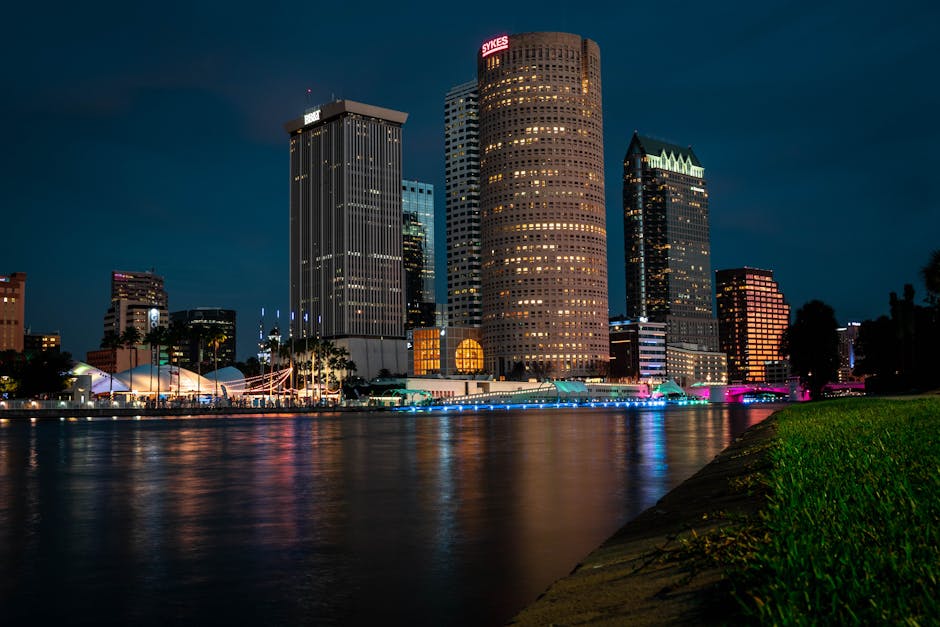
The Maturation of the Tampa Luxury Sector
As of late April 2026, the Tampa luxury real estate market has moved beyond its historical designation as a secondary or seasonal destination. Recent analysis indicates that the region is now firmly established as a primary market for high-net-worth individuals who prioritize fiscal stability and year-round utility. This shift is most visible in the sustained demand for waterfront estates in areas like Davis Islands and Harbor Island, where the inventory remains highly competitive despite broader economic fluctuations.
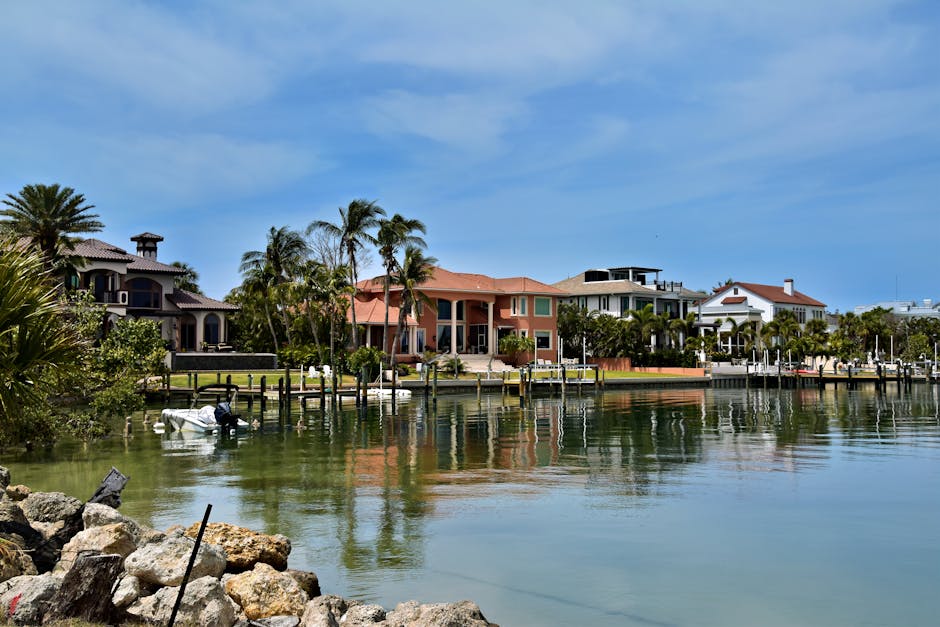
According to the National Law Review, Tampa Bay’s waterfront has emerged as a top-tier primary market, driven by significant capital migration and infrastructure improvements. This transition necessitates a more rigorous approach to valuation, moving away from simple price-per-square-foot metrics toward a comprehensive assessment of coastal resilience and proximity to the evolving urban core.
For buyers active this spring, the current climate of 30-degree temperatures and minimal precipitation provides an ideal window for site inspections and architectural evaluations. The maturity of the market is reflected in the profile of modern listings, such as those found at 2 Troutwater Ln, which command premiums not just for their views, but for their adherence to contemporary engineering standards and sophisticated interior programming.
Analyzing Current Inventory and Valuation Baselines
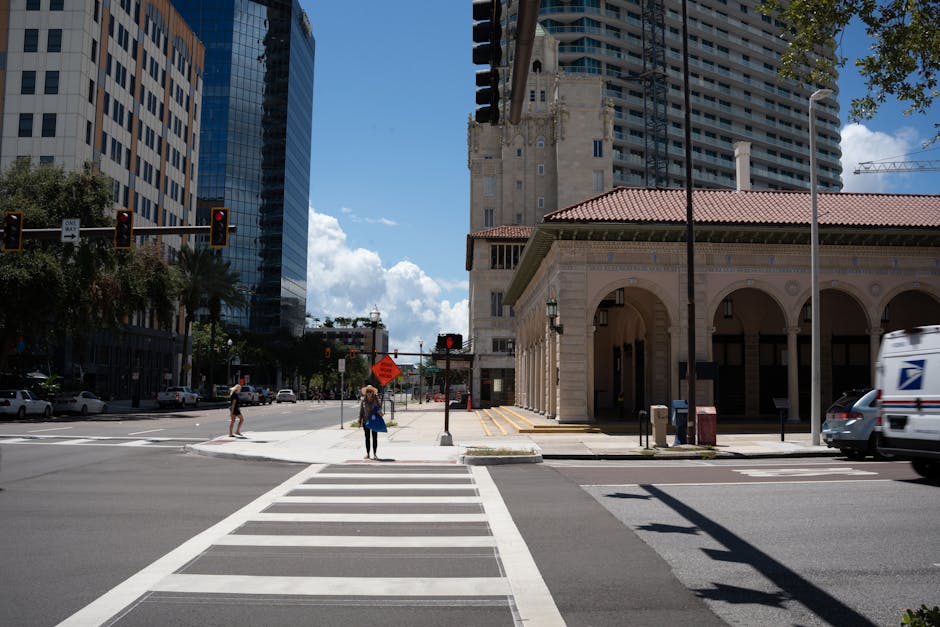
The current luxury landscape in Tampa features approximately 120 active listings, a figure that suggests a balanced yet lean environment for serious buyers. With a median list price of $2.5 million and an average list price reaching toward $3.3 million, the entry point for true luxury assets has stabilized at a higher baseline than in previous years. This pricing reflects a flight to quality, where buyers are increasingly willing to pay a premium for turnkey properties that bypass the current complexities of the custom renovation market.
Prospective investors should note that inventory is particularly concentrated in specific corridors of South Tampa and the Downtown district. While estates like 7705 Gardner Road showcase the breadth of the residential offering, commercial and land opportunities are also gaining traction among those looking to develop bespoke compounds. Navigating this limited supply requires a proactive strategy and a clear understanding of immediate market movement to secure assets before they are absorbed by competing capital.
The Tampa Bay Times has tracked the most expensive sales of the previous year, highlighting that top-tier properties are consistently trading near their initial list prices when they meet specific criteria for privacy and modern technological integration. For a comprehensive view of the current market, sophisticated buyers should regularly monitor the available LISTINGS URL to identify emerging opportunities.
The Impact of Interest Rate Stabilization at 6.09%
A significant driver of the current market activity is the stabilization of mortgage rates, which have recently fallen to approximately 6.09%. While many luxury transactions remain cash-heavy, the reduction in financing costs has rejuvenated the mid-to-high-tier luxury segment, particularly for buyers who utilize strategic leverage to preserve liquidity for other investments. This rate environment has also encouraged developers to proceed with new construction projects that were previously on hold, further bolstering the regional supply.
Data from Tampa Bay Business & Wealth confirms that this stabilization is a primary factor in the recent lift in new construction supply. For buyers, this means more choices in contemporary architectural styles and energy-efficient building systems. However, the window for these rates may be sensitive to broader economic shifts, making the present moment a strategic point for those considering a financed acquisition.
Executing a transaction in this environment requires a nimble approach to offer structuring. High-end buyers are increasingly including specific financing contingencies that allow for rate locks or refinancing options, ensuring long-term flexibility. Understanding the nuances of these financial vehicles is as critical as the physical inspection of the property itself when aiming for a successful closing in the current quarter.
Essential Verification Steps for Waterfront Acquisition
Purchasing a waterfront estate in Tampa involves a unique set of variables that extend far beyond the aesthetic appeal of the shoreline. Due diligence must be comprehensive, focusing on the intersection of structural integrity, environmental regulations, and long-term maintenance costs. Buyers are advised to prioritize assets that demonstrate proactive mitigation strategies against coastal elements and adhere to the latest building codes.
The following checklist outlines the non-negotiable points of verification for any seven-figure waterfront transaction in the Tampa area:
- Assessment of seawall structural integrity and cap height relative to current flood maps.
- Verification of riparian rights and current permits for dockage or boat lifts.
- Analysis of elevation certificates to determine insurance premium forecasting.
- Evaluation of high-velocity hurricane zone (HVHZ) compliance for all windows and doors.
- Inspection of pool drainage and saltwater mitigation systems on external hardware.
- Review of title history for specific coastal easements or environmental restrictions.
Failure to verify these elements can lead to significant post-acquisition expenses. Sophisticated buyers often engage specialized engineers to audit the interface between the property and the water, ensuring that the asset is as durable as it is visually impressive. This level of technical scrutiny is a hallmark of the modern Tampa buyer who views real estate as both a residence and a long-term capital preservation vehicle.
The High-Rise Shift: Downtown and Water Street Influence
While traditional estates in Beach Park and Bayshore remain coveted, a growing segment of the luxury market is pivoting toward high-rise living in Downtown Tampa and the Water Street district. This trend is driven by a desire for a low-maintenance, vertical lifestyle that provides immediate access to the city’s evolving cultural and culinary scene. These properties often feature integrated smart-home technology and amenities that rival five-star resorts, appealing to a demographic that values time as much as space.
The development of these luxury towers is part of a broader trend documented by Florida Trend, where urban density is being paired with ultra-luxury finishes. Buyers comparing a South Tampa estate with a Downtown penthouse must weigh the benefits of private grounds against the security and service levels of a managed building. Both options represent strong holds, but they cater to different operational preferences.
The presence of major events and festivals, such as those covered by That’s So Tampa, underscores the vitality of the urban core. For the buyer who values proximity to the city’s social engine, the high-rise market offers a compelling alternative to the traditional suburban luxury model, with the added benefit of turnkey management and enhanced security protocols.
Coastal Resilience and Long-Term Value Retention
In the 2026 market, the concept of luxury is inextricably linked to coastal resilience. Asset value retention is increasingly dependent on a property’s ability to withstand environmental pressures while maintaining its aesthetic and functional integrity. High-net-worth buyers are no longer just looking for a view; they are looking for evidence of superior engineering, such as reinforced foundations, advanced stormwater management systems, and sustainable material choices.
Properties like 6304 N Florida Avenue illustrate how modern design can integrate with the local environment to provide both style and security. As buyers become more educated on the implications of climate data, homes that incorporate these resilient features are seeing faster absorption rates and higher appraisal values. This focus on durability is a critical component of any long-term real estate strategy in the Florida market, particularly along the Gulf Coast.
Furthermore, the emergence of specialized teams, such as the Nick Janovsky Group mentioned in recent industry reports, highlights a shift toward more analytical and data-driven brokerage services. Buyers are encouraged to seek advisors who can provide detailed risk assessments and comparative analysis of resilient construction techniques. This ensures that an investment made today remains a viable and liquid asset in the decades to come.
Final Recommendation for Late April Market Participants
Navigating the Tampa luxury market in the second quarter of 2026 requires a blend of local insight and analytical rigor. With inventory stabilizing and rates providing a more predictable framework for financing, the current window is favorable for buyers who have conducted their due diligence and are prepared to move decisively on high-quality assets. Whether your focus is on a historic estate on Bayshore or a contemporary penthouse in the urban core, the priority should always remain on the structural and legal integrity of the property. To discuss current opportunities or to receive a bespoke analysis of specific sub-markets, please CONTACT URL an advisor today. We recommend beginning your search by reviewing our curated selection of properties through our LISTINGS URL to identify the assets that best align with your investment criteria and residency requirements.
Your next move in Tampa luxury
Get current inventory, pricing guidance, and private-tour support from our brokerage team.
Source highlights
- Sarasota developer proposes 300 single-family homes in Lakewood Ranch – The Business Journals
- Tampa Bay’s most expensive luxury home sales of 2025 – Tampa Bay Times
- Mortgage rates fall to 6.09% as new construction lifts Tampa supply – Tampa Bay Business & Wealth
- Tampa Bay’s Waterfront Emerges as a Primary Luxury Real Estate Market – The National Law Review
- Florida Trend Real Estate – Florida Trend
- New Signature Real Estate Team Emerges Across Tampa Bay: The Nick Janovsky Group Launches with Premier Sotheby’s International Realty – citybiz
- Things To Do In Tampa This Weekend: Best Festivals & Events Going On – That's So Tampa
- Tampa weekend events: Concerts, festivals and downtown family fun — What to know before you go – FOX 13 Tampa Bay



