


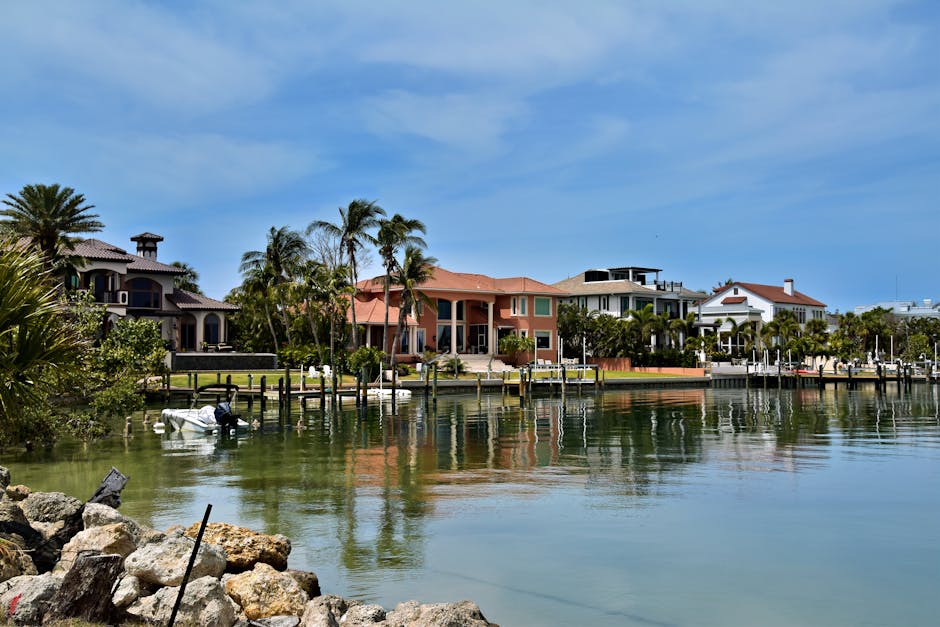
The Current State of Tampa High-End Inventory
As we move through the second quarter of 2026, the Tampa luxury sector maintains a disciplined profile. Current data shows approximately 120 active luxury listings, with a median list price established at $2,500,000. While the average list price hovers near $3,295,129, the market is defined less by these figures and more by the specific composition of available assets. We are seeing a distinct split between legacy estates in established corridors and new-construction residential offerings that prioritize vertical living and integrated amenities.
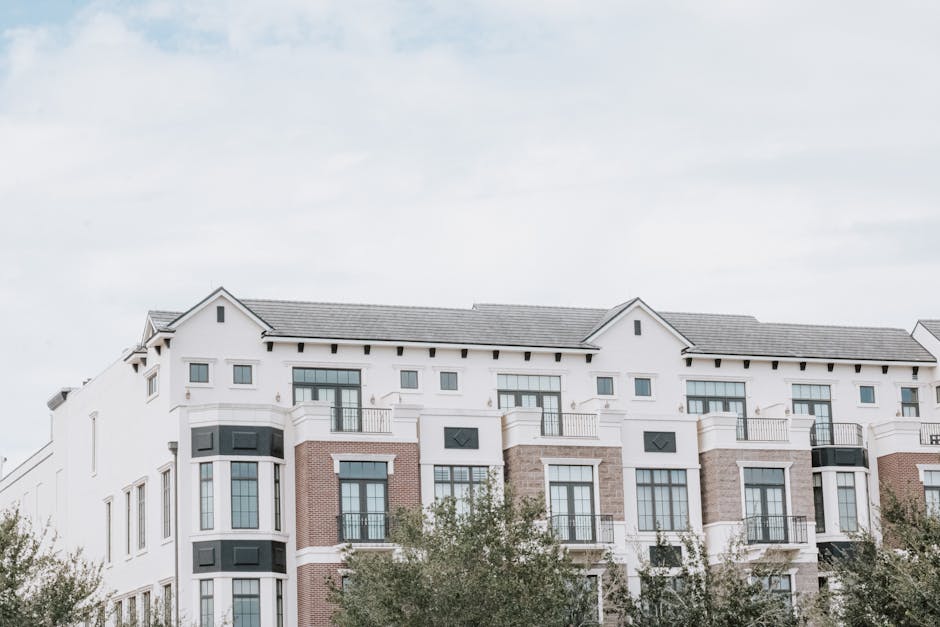
Buyers in this segment are navigating a landscape where the cost of capital has seen a notable shift. Recent data suggests that mortgage rates have stabilized near 6.09%, providing a more predictable environment for those utilizing financing for strategic leverage. This stabilization, coupled with a steady stream of new construction, has helped lift supply in areas like South Tampa and Davis Islands, though inventory remains constrained relative to historical demand from domestic migration. The focus for serious participants remains on high-quality residential and land acquisitions that offer long-term value retention.
Property types currently dominating the local landscape include expansive residential estates and high-value land parcels positioned for custom development. Notable examples of this market movement include significant listings such as the $3,000,000 estate on Gardner Road and the $2,650,000 property on Troutwater Lane. These assets reflect the ongoing preference for privacy and architectural distinction that defines the current buyer cohort in the region.
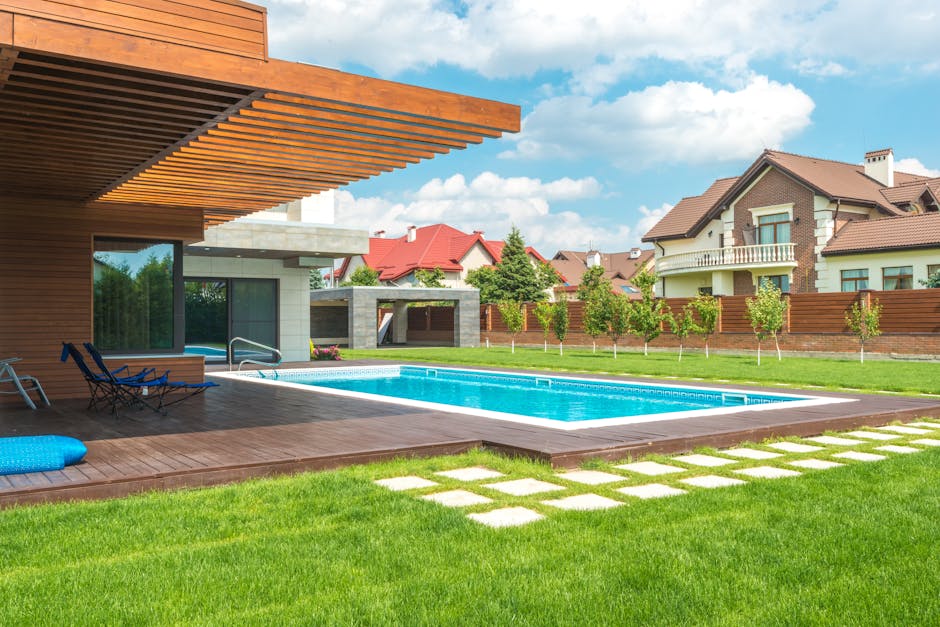
The Waterfront Transition: From Seasonal to Primary Residence
One of the most significant shifts in the regional narrative is the emergence of the waterfront as a primary real estate market. Historically viewed through a seasonal or secondary-home lens, Tampa Bay’s coastlines are now being treated as year-round residential hubs for executives and high-net-worth individuals. According to analysis from The National Law Review, this transition is driven by infrastructure improvements and a fundamental change in how affluent families utilize their property portfolios.
This shift is particularly evident in neighborhoods like Bayshore Boulevard and Snell Isle, where the demand for deep-water access is matched by a requirement for proximity to professional services and top-tier educational institutions. The emphasis has moved beyond simple aesthetic appeal to include practical considerations such as high-speed connectivity, climate-resilient construction, and comprehensive home office suites. The “vacation home” mindset has been replaced by a “private compound” philosophy that integrates work, wellness, and recreation within a single secure perimeter.
Furthermore, the competitive nature of these waterfront assets is reflected in the speed of transactions for turnkey properties. While the broader market may show signs of moderation, the most desirable coastal positions continue to command premiums due to their scarcity. Buyers are increasingly looking at these acquisitions as defensive plays against inflation, securing tangible assets in one of the nation’s most resilient growth corridors.
Supply Constraints and the Role of New Construction
The supply side of the Tampa luxury market is currently being supported by a wave of new construction that aims to meet the specific requirements of the modern buyer. Reports from Tampa Bay Business & Wealth highlight that while inventory was previously a bottleneck, the delivery of high-end boutique condominiums and custom speculative homes has provided a necessary release valve. However, even with this new supply, the demand for well-located parcels in South Tampa remains exceptionally high.
Architectural trends in these new builds have pivoted toward organic modernism and Mediterranean revival with contemporary interiors. Developers are focusing on larger footprints, often exceeding 5,000 square feet, to accommodate multi-generational living and specialized hobby spaces. We are observing a significant increase in the use of high-performance materials and energy-efficient systems, reflecting a broader awareness of environmental impact and long-term maintenance efficiency among the affluent buyer base.
For those evaluating new construction, the decision-making process now involves a deeper dive into the developer’s track record and the quality of finishes. The “all-inclusive” luxury model, where every detail from automated lighting to professional-grade kitchens is pre-installed, has become the standard. This reduces the friction of relocation for buyers moving from major metro areas like New York or Chicago, who expect a seamless transition into their new Tampa residence.
Critical Evaluation Factors for Modern Acquisitions
When assessing a potential high-end purchase in the current environment, the evaluation must extend beyond the initial walkthrough. A sophisticated advisor looks at the integration of the property within the local ecosystem and its ability to serve as a long-term primary residence. The following checklist identifies the essential components that should be verified during the due diligence phase to ensure the asset meets the standards of a high-net-worth portfolio.
- Verification of elevation certificates and modern flood mitigation infrastructure to ensure long-term insurance stability.
- Assessment of smart home integration, focusing on cybersecurity protocols and the expandability of existing tech stacks.
- Evaluation of the property’s architectural integrity and the quality of sustainable materials used in recent renovations or construction.
- Proximity to private aviation hubs such as Tampa International or Peter O. Knight for efficient regional and international travel.
- Analysis of the immediate neighborhood development pipeline to identify potential impacts on privacy or property values.
- Confirmation of the home’s wellness infrastructure, including air filtration systems, water purification, and dedicated fitness zones.
Each of these points represents a layer of security for the buyer, ensuring that the investment is protected not just by market movement, but by the physical and technological superiority of the asset itself. In a market where there are only 120 active luxury units, the ability to quickly vet these criteria is a competitive advantage for those looking to secure a position in the most desirable areas.
Strategic Neighborhood Shifts: Beyond the Traditional Core
While the traditional luxury corridors remain highly sought after, we are seeing a strategic expansion into adjacent neighborhoods that offer more significant land portions or unique architectural opportunities. Hyde Park and Beach Park continue to set benchmarks for pricing, but areas slightly north or east are seeing a surge in high-end revitalization. This movement is often led by buyers who prioritize privacy and custom acreage over immediate proximity to the downtown core.
The growth in regional infrastructure has made these satellite luxury pockets more viable than ever before. For example, the expansion of high-end dining and cultural events, as noted by That’s So Tampa, has created a series of localized centers that serve these emerging enclaves. Buyers are no longer tethered to a single zip code for their social or professional lives; they are building lifestyles that utilize the full breadth of the Tampa Bay area.
This regional connectivity is also influenced by broader trends across Florida. As documented by Florida Trend Real Estate, the state’s overall growth trajectory continues to attract institutional capital and individual wealth. This macro-level stability provides a strong backdrop for neighborhood-level investments, giving buyers the confidence to explore custom builds in areas that were previously overlooked by the high-end market.
Buyer Behavior and the Influence of Seasonal Transitions
The timing of transactions in the Tampa luxury market is increasingly influenced by seasonal patterns, though the motivations are shifting. As we reach late April, the regional climate—currently seeing temperatures in the mid-80s with minimal rainfall—serves as a catalyst for final spring showings and contract negotiations. Affluent buyers often use this window to finalize acquisitions before the peak summer months, aiming to be settled by the start of the next school year or professional cycle.
Unlike the speculative behavior seen in previous cycles, current buyers are characterized by a patient, analytical approach. They are willing to wait for the right asset rather than compromising on location or quality. This behavior has led to a market that is more stable and less prone to the volatility of interest rate fluctuations. The focus is on the long-term utility of the property, with a particular emphasis on the ability to host large family gatherings and provide a secure environment for personal and professional activities.
Additionally, the role of local events and cultural milestones cannot be ignored. The influx of visitors for major concerts and festivals often serves as an informal introduction to the Tampa lifestyle for prospective buyers. Whether it is a weekend of high-end festivals or a major touring act at the local stadium, these events showcase the region’s ability to host world-class entertainment, further solidifying its status as a primary residence destination for those who expect the best in urban amenities.
Strategic Planning for 2026 Acquisitions
For those looking to enter or expand their position in the Tampa luxury market, the strategy must be one of precision and readiness. With only a limited number of top-tier properties available, the ability to move decisively on an off-market opportunity or a new listing is paramount. This requires a deep understanding of the local landscape, from the nuances of individual South Tampa streets to the complexities of waterfront permitting. The current environment favors the prepared buyer who has established a clear set of priorities and has the professional support to execute a clean transaction.
Success in this market is found by looking past the surface-level aesthetics and focusing on the underlying value drivers of each property. This means evaluating the long-term viability of the location, the quality of the construction, and the asset’s place within a broader portfolio. As we look toward the second half of 2026, the Tampa luxury sector remains a cornerstone of the Florida real estate market, offering a unique combination of lifestyle, growth, and security for the discerning investor.
To navigate these complexities and identify the assets that align with your strategic goals, we invite you to explore our current selection of luxury listings or contact a private advisor to discuss your specific requirements. Our team provides the analytical depth and local intelligence necessary to secure premier properties in this competitive landscape. Contact us today at our advisor portal to begin a confidential consultation regarding your next Tampa acquisition.
Your next move in Tampa luxury
Get current inventory, pricing guidance, and private-tour support from our brokerage team.
Source highlights
- Sarasota developer proposes 300 single-family homes in Lakewood Ranch – The Business Journals
- Tampa Bay’s most expensive luxury home sales of 2025 – Tampa Bay Times
- Mortgage rates fall to 6.09% as new construction lifts Tampa supply – Tampa Bay Business & Wealth
- Tampa Bay’s Waterfront Emerges as a Primary Luxury Real Estate Market – The National Law Review
- Florida Trend Real Estate – Florida Trend
- New Signature Real Estate Team Emerges Across Tampa Bay: The Nick Janovsky Group Launches with Premier Sotheby’s International Realty – citybiz
- Things To Do In Tampa This Weekend: Best Festivals & Events Going On – That's So Tampa
- Tampa weekend events: Concerts, festivals and downtown family fun — What to know before you go – FOX 13 Tampa Bay



