


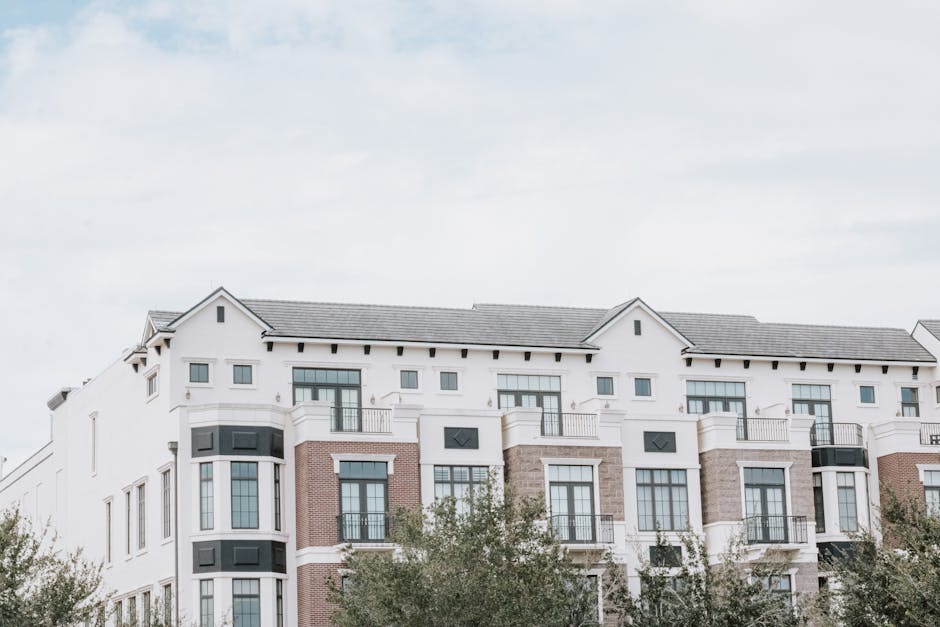
The Evolution of Tampa Waterfront as a Primary Residence
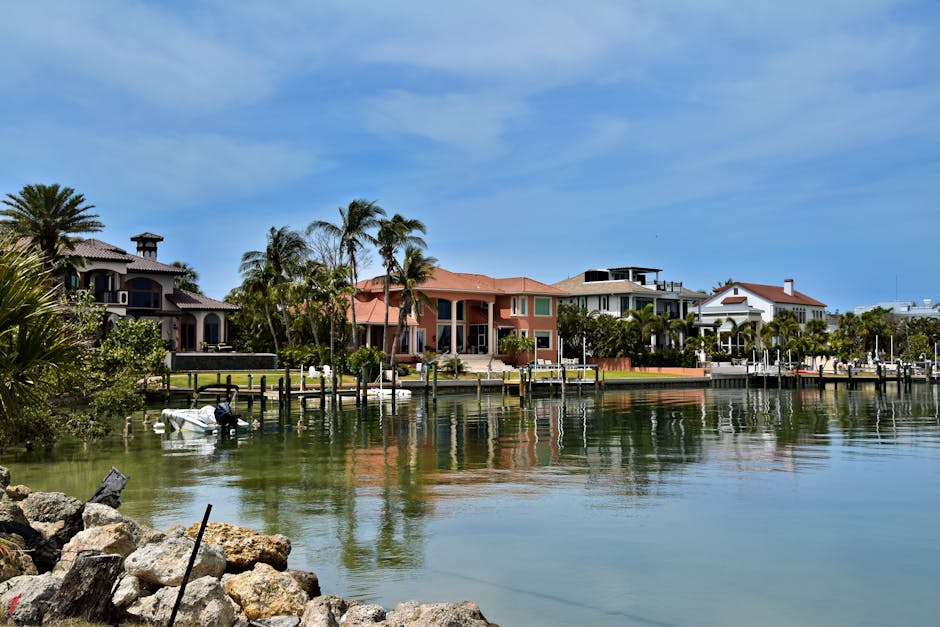
For decades, the coastal stretches of the Gulf Coast were viewed primarily through the lens of seasonal occupancy. However, a significant structural shift has occurred, repositioning the Tampa waterfront as a primary luxury market. This transition is driven by high-net-worth individuals seeking permanent relocation rather than secondary holdings. Areas like Davis Islands and Beach Park have seen a surge in legacy estate development, where buyers prioritize long-term utility and architectural permanence over traditional vacation-style features. This movement has fundamentally altered the valuation models used by local advisors, moving away from seasonal comps toward year-round primary residence metrics.

The maturation of this market is evidenced by the scale of recent acquisitions and the complexity of the builds along the bay. Buyers are no longer settling for updated mid-century homes; they are commissioning ground-up construction that meets rigorous modern standards for both aesthetics and environmental resilience. This trend is corroborated by reports from The National Law Review, which notes the emergence of the region’s waterfront as a primary hub for luxury real estate. The implications for the local inventory are clear: limited supply of deep-water lots has created a floor for pricing that remains insulated from broader economic fluctuations.
Understanding this shift requires a nuanced view of neighborhood-specific nuances. For instance, the demand for riparian rights in Sunset Park differs significantly from the canal-access preferences in Culbreath Isles. While the former offers expansive open-bay views, the latter provides the sheltered dockage necessary for larger vessels. Advisors must distinguish between these nuances to align with the specific lifestyle requirements of a primary resident who intends to navigate the local waters year-round.
Analyzing Price Resilience in the High-End Inventory
Despite broader national cooling trends, the local market demonstrates remarkable pricing stability. The current median list price for the luxury segment sits at approximately $2,500,000, while the average list price exceeds $3,295,000. This disparity indicates a healthy volume of ultra-high-end listings that pull the average upward, reflecting a market that is top-heavy with premium assets. Unlike speculative markets, the current inventory is characterized by homes with substantial equity and sellers who are not under pressure to liquidate, providing a stable environment for new entries.
Data from The Business Journals highlights that the local luxury sector continues to grow stronger even as national metrics soften. This resilience is partly attributed to the influx of corporate relocations and the lack of state income tax, which continues to drive demand for properties in the upper decile. When evaluating the luxury homes for sale, one must look beyond the sticker price to the underlying land value and the replacement cost of high-specification finishes, which have both risen considerably over the last twenty-four months.
Market movement remains concentrated in well-established enclaves. For example, properties such as 7705 Gardner Road and 6304 N Florida Avenue represent the diversity of the current market, ranging from sprawling estate lots to modernized urban luxury. The velocity of sales in these sub-markets suggests that while buyers are more discerning, they are still willing to move quickly when a property checks every box for quality and location. This behavior confirms that the market is driven by fundamental value rather than emotional impulse.
Strategic Neighborhood Profiles and Buyer Behavior
South Tampa remains the epicenter of the local luxury scene, specifically the pockets surrounding Bayshore Boulevard. The architectural landscape here is a blend of Mediterranean Revival, colonial estates, and increasingly, ultra-modern glass-and-steel structures. Buyers in Hyde Park and Parkland Estates often prioritize walkability and proximity to high-end dining and social clubs. This urban-adjacent luxury offers a different value proposition than the gated privacy found in northern enclaves like Guisando de Avila or the expansive equestrian properties located further inland.
Current buyer behavior suggests a heightened focus on future-proofing investments. This involves a rigorous analysis of construction quality and environmental mitigation. High-net-worth individuals are increasingly employing private inspectors and environmental consultants before finalizing contracts. This level of scrutiny ensures that the asset will maintain its value through various climate cycles and regulatory changes. It is a sophisticated approach that treats a residence as a significant component of a broader wealth management strategy rather than a simple shelter.
Recent reporting on expensive luxury home sales of 2025 via the Tampa Bay Times illustrates that the ceiling for local pricing is consistently being tested. These record-breaking transactions often occur off-market or within very narrow windows of availability, emphasizing the importance of having an advisor with deep local roots and access to private inventory. The ability to source a property before it hits the open market is often the difference between a successful acquisition and a missed opportunity in the current competitive climate.
Essential Verification for High-Value Acquisitions
Navigating a multi-million dollar transaction requires a checklist that goes beyond the standard home inspection. When evaluating properties in the $3M+ range, a specialized set of criteria must be met to ensure the integrity of the investment. The following points represent the non-negotiables for the modern luxury buyer in this region:
- Verification of structural integrity and elevation certificates to ensure compliance with current flood-zone regulations.
- Assessment of riparian rights and submerged land leases for all waterfront parcels to confirm long-term dockage viability.
- Review of recent high-end sales data to validate the price-per-square-foot against historical neighborhood norms.
- Scrutiny of HOA or community-specific bylaws to identify any restrictions on architectural modifications or short-term usage.
- Environmental audit of the lot, including soil stability and drainage efficiency, particularly for new-build commissions.
- Examination of protected view corridors to ensure that neighboring developments cannot obstruct the primary sightlines of the estate.
By adhering to this level of due diligence, buyers can mitigate the risks associated with large-scale real estate transactions. This systematic approach allows for a confident decision-making process, ensuring that the acquired asset aligns with both personal lifestyle goals and long-term financial objectives. It is the hallmark of a sophisticated buyer who understands the complexities of the local landscape.
The Evolution of the High-End Condo Landscape
While single-family estates remain the dominant force, the high-end condominium market is entering a new phase of growth. For a long time, the region lacked the vertical luxury seen in markets like Miami or New York. That is changing rapidly as new towers rise along the downtown waterfront and the Westshore Marina District. These developments offer a “lock-and-leave” lifestyle that appeals to a demographic of bi-coastal residents and professionals who value concierge services and integrated amenities over the maintenance requirements of a traditional estate.
As noted by Tampa Bay Business & Wealth, the local condo market is still in its early stages of luxury development. This represents a strategic entry point for buyers who recognize the potential for appreciation as the urban core continues to densify. The integration of hotel-branded residences and private club concepts into these towers is elevating the standard of living, providing a level of service that was previously unavailable in the local market. This evolution is attracting a more international clientele, further diversifying the buyer pool.
For those considering a vertical move, the focus should be on the quality of the developer and the long-term viability of the building’s reserve funds. Modern luxury condos are increasingly judged by their technological integration, from smart-home systems to private elevators and advanced security protocols. These features, combined with panoramic views of the bay or the city skyline, make the high-end condo an attractive alternative to the suburban estate for a specific segment of the market.
Market Outlook and Regional Trends
The trajectory for the remainder of the year suggests a continuation of the current trends: stable pricing, limited high-quality inventory, and a highly discerning buyer base. The broader regional growth, as tracked by Florida Trend, indicates that the influx of wealth into the state is not a temporary spike but a long-term relocation of capital. This macro-environment provides a strong tailwind for the local luxury sector, reinforcing the case for property as a core asset class within a private portfolio.
Investors and primary residents alike should keep a close eye on infrastructure developments, such as the expansion of high-end retail districts and the continued revitalization of the waterfront. These projects act as catalysts for property value appreciation in the surrounding neighborhoods. For instance, the growth of the Water Street district has had a measurable impact on the desirability of nearby residential pockets, creating a ripple effect that benefits the entire South Tampa area. This interconnectedness between commercial development and residential value is a key factor in the market’s overall health.
Finally, the local social and cultural calendar continues to play a role in real estate visibility. Major events and festivals, such as those highlighted by That’s So Tampa, bring national attention to the city’s lifestyle offerings. These periods of high visibility often coincide with increased showing requests and market activity, as visitors experience the city’s appeal firsthand. For the luxury buyer, these cultural touchpoints are more than just entertainment; they are indicators of a city that is becoming a world-class destination.
Success in this market requires more than just a search for an address; it demands a deep understanding of the neighborhood dynamics, a rigorous approach to due diligence, and a clear-eyed view of current market data. Whether you are seeking a primary waterfront estate or a sophisticated urban residence, the opportunities in the current inventory are substantial for those who move with intention. To navigate these complexities and secure an asset that aligns with your specific criteria, we invite you to browse our curated luxury homes for sale and contact an advisor to discuss your private acquisition strategy.
Your next move in Tampa luxury
Get current inventory, pricing guidance, and private-tour support from our brokerage team.
Source highlights
- Tampa Bay’s most expensive luxury home sales of 2025 – Tampa Bay Times
- Tampa Bay luxury market grows stronger despite national declines – The Business Journals
- Why Tampa remains an early-stage luxury condo market – Tampa Bay Business & Wealth
- Tampa Bay’s Waterfront Emerges as a Primary Luxury Real Estate Market – The National Law Review
- Florida Trend Real Estate – Florida Trend
- New Signature Real Estate Team Emerges Across Tampa Bay: The Nick Janovsky Group Launches with Premier Sotheby’s International Realty – citybiz
- Things To Do In Tampa This Weekend: Best Festivals & Events Going On – That's So Tampa
- Tampa weekend events: Concerts, festivals and downtown family fun — What to know before you go – FOX 13 Tampa Bay



