


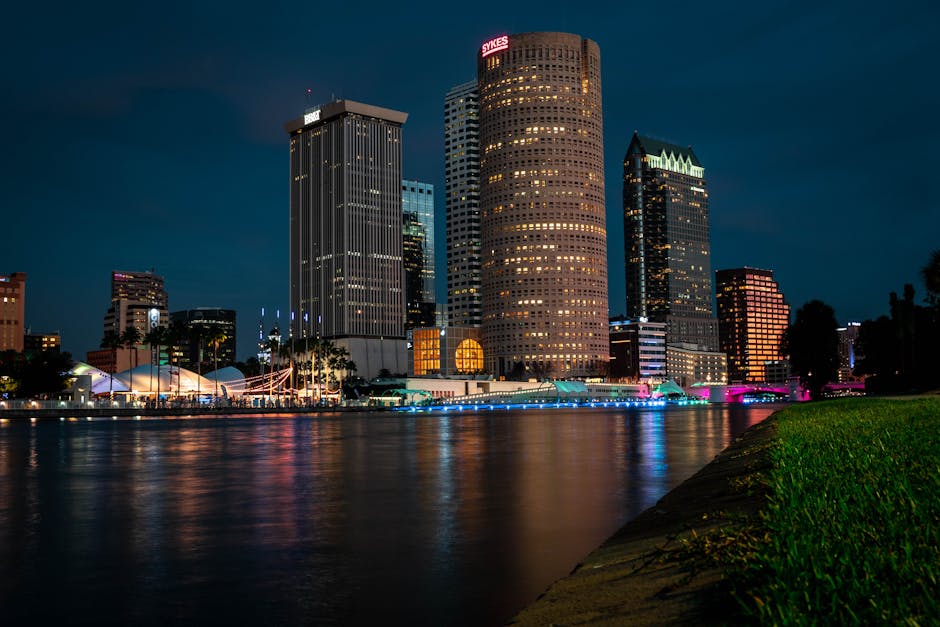
The Evolution of Tampa’s Waterfront into a Primary Market
The landscape of luxury real estate in Tampa has undergone a fundamental shift, transitioning from a seasonal destination to a primary hub for domestic and international wealth. This evolution is most evident along the waterfront corridors of South Tampa and the Downtown core. Historically, waterfront assets were viewed through the lens of leisure; however, current buyer behavior indicates a preference for these properties as permanent, high-functioning estates. This structural change is supported by data indicating that the Tampa Bay waterfront has emerged as a primary luxury real estate market, rivaling established enclaves in South Florida.
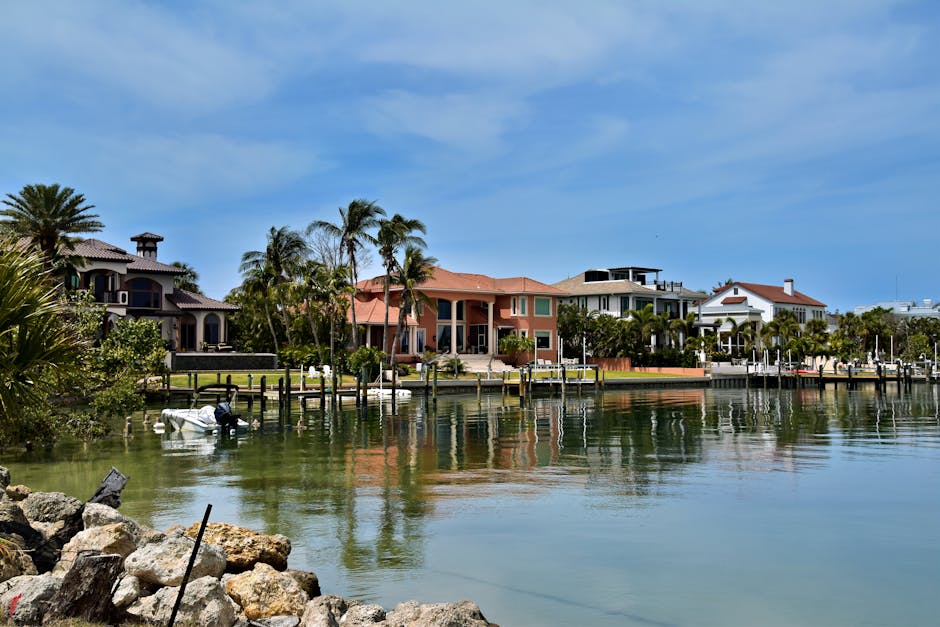
Investors are no longer speculative about the long-term viability of the region. Instead, they are analyzing the scarcity of available shoreline in neighborhoods like Davis Islands and Beach Park. With only 120 active luxury listings currently on the market, the compression of inventory has elevated the median list price to a firm $2,500,000. For the private advisor, this necessitates a more rigorous approach to valuation that accounts for the specific utility of the water access, whether for deep-water mooring or expansive riparian rights.
Understanding this shift requires looking at the transaction volume of 2025, which set a new benchmark for high-end sales in the region. According to reports from the Tampa Bay Times, the record-breaking prices were driven by buyers seeking significant square footage coupled with modern infrastructure. This trend continues in 2026 as inventory remains lean, forcing buyers to act with precision rather than hesitation.
Analyzing the $675 Million Investment Surge
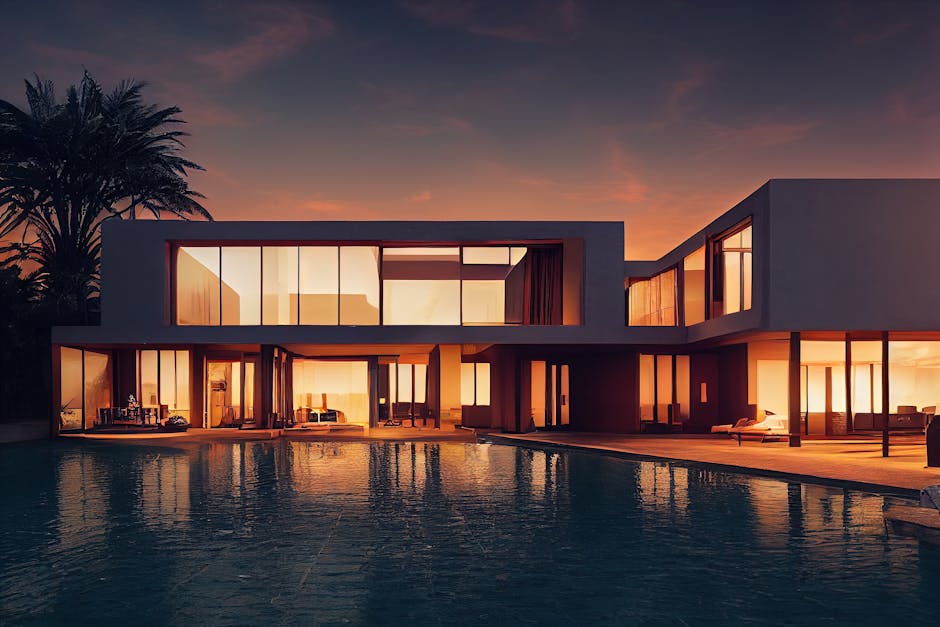
The influx of capital into the local market is not anecdotal. Recent analysis highlights a $675 million surge in luxury investment, positioning the city as Florida’s newest capital for sophisticated real estate portfolios. This capital is being deployed into mixed-use developments and large-scale residential projects that integrate lifestyle amenities with professional utility. Areas such as Water Street and the Westshore district are the primary beneficiaries of this liquidity, creating a new standard for urban luxury that departs from the traditional suburban estate model.
For the buyer, this surge means that the floor for quality has been raised. New construction standards must now include advanced climate resilience, integrated smart-home systems, and architectural designs that maximize the natural light of the Gulf Coast. The average list price of $3,276,037 reflects these enhanced specifications. Buyers should evaluate these properties not just on their current aesthetic appeal, but on the durability of the engineering and the long-term appreciation potential of the surrounding infrastructure.
This volume of investment has also catalyzed a more robust secondary market. As the first wave of high-profile developments reaches maturity, we are seeing a healthy churn of assets. This provides a unique window for advisors to identify value in slightly older, well-maintained estates that can be modernized to meet 2026 standards. The focus remains on the underlying land value and the irreplaceability of the location, particularly within the established confines of South Tampa.
The Early-Stage Condo Opportunity: Timing the Entry
While single-family estates remain the cornerstone of the market, the vertical segment is gaining significant traction. Current market reports suggest that Tampa remains an early-stage luxury condo market compared to the saturated skylines of Miami or Fort Lauderdale. This presents a strategic entry point for those who value the convenience of managed properties without sacrificing the prestige of a waterfront address. The current pipeline of projects in Downtown and along Bayshore Boulevard offers a variety of floor plans that cater to both the down-sizing local and the incoming executive.
The advantage of an early-stage market is the opportunity for customization and preferred positioning within the building. Buyers entering the market now are securing views and layouts that will likely become unavailable as the remaining phases of these developments are completed. We recommend examining the track record of the developers and the specific breakdown of the association fees to ensure the long-term management of the asset aligns with the expected service levels of a high-end residence.
Furthermore, the condo market serves as a hedge against the maintenance complexities often associated with large waterfront lots. For the frequent traveler, the ‘lock-and-leave’ capability of a managed residence in Water Street or the Westshore Marina District is increasingly attractive. As the city continues to densify, the premium on vertical living with dedicated concierge services is expected to widen, particularly as the demand for walkable urban environments grows among the affluent demographic.
Waterfront Selection Criteria: Privacy, Depth, and Shoreline Integrity
Acquiring a waterfront property requires a technical checklist that extends far beyond the interior finishes. The integrity of the seawall, the depth of the canal or basin, and the specific orientation of the lot for wind and sun exposure are critical factors that determine the long-term utility of the residence. In the current climate, buyers must be analytical in their due diligence, verifying the age and material of all maritime structures before finalizing a contract.
- Verification of seawall material and remaining service life, particularly in older Bayshore or Davis Islands lots.
- Assessment of water depth at mean low tide to ensure compatibility with specific vessel drafts and dockage requirements.
- Review of existing FEMA elevation certificates and the impact on insurance premiums and future renovation permits.
- Analysis of riparian rights and any existing easements that may affect the privacy or development of the shoreline.
- Evaluation of the property’s orientation regarding afternoon sun exposure and prevailing wind patterns.
Privacy is another paramount concern. As the region becomes more populated, the value of a ‘quiet’ lot has increased. Strategic landscaping, setbacks, and the architectural orientation of the home play a significant role in maintaining a private environment. When touring listings, look for properties that utilize natural elevation and mature vegetation to shield the primary living areas from neighboring views and public waterways.
Additionally, the technical requirements for docking facilities have become more complex. Permits for new lifts or dock expansions are subject to rigorous environmental and municipal standards. It is advisable to consult with a specialist to verify that the existing or proposed maritime infrastructure meets all current regulatory requirements. This level of detail is what separates a standard purchase from a high-functioning waterfront acquisition.
Buyer Behavior: Shifting from Seasonal to Primary Residences
The profile of the typical high-end buyer in the region has shifted toward younger, more active professionals who are integrating their personal and professional lives into a single location. This change is reflected in the demand for homes that feature sophisticated home offices, wellness suites, and expansive outdoor entertaining spaces. The proximity to cultural events and professional sports has also become a key decision factor. Many buyers are looking for homes that offer easy access to the best festivals and events in Tampa, ensuring they remain connected to the social fabric of the city.
This shift to primary residency has also increased the focus on neighborhood schools, proximity to private aviation facilities, and the quality of local healthcare. Neighborhoods that were once viewed as secondary markets are now seeing a surge in demand as buyers prioritize larger lot sizes and more suburban-style privacy within striking distance of the city center. This lifestyle integration is a core component of the modern Tampa luxury experience, where the boundary between work and play is increasingly fluid.
Logistical considerations have also become a part of the buyer’s analysis. With major events often causing temporary traffic shifts—such as the recent guide to road closures and traffic for high-profile downtown tours—understanding the ingress and egress of a neighborhood is essential. The savvy buyer evaluates how a property functions not just on a quiet Tuesday, but during the height of the city’s active social calendar.
Market Resilience: Comparing Tampa to National Luxury Benchmarks
While many luxury markets across the United States have faced significant headwinds due to shifting interest rates and macroeconomic uncertainty, the local market has remained remarkably resilient. Data from The Business Journals indicates that the luxury market here grows stronger despite national declines. This outperformance is largely attributed to the sustained migration of high-net-worth individuals from high-tax states who are seeking both lifestyle advantages and a more favorable business climate.
The current inventory of 120 properties represents a balanced but competitive environment. Unlike other markets where supply has ballooned, the geographic constraints of the peninsula and the scarcity of waterfront land provide a natural buffer against oversupply. This supply-demand imbalance is a key driver of the $3.27 million average list price, as buyers compete for a limited number of truly exceptional assets. For the portfolio-minded investor, these metrics suggest a market with high defensive qualities during broader economic volatility.
Furthermore, the diversification of the local economy—ranging from technology and finance to specialized healthcare—provides a stable foundation for the real estate market. This is not a ‘boom-and-bust’ town driven by a single industry; rather, it is a multifaceted metropolitan area that is maturing into its role as a regional economic powerhouse. Investors should look at the broader Florida Trend real estate reports to see how the city consistently ranks as a top performer for capital retention and residential growth.
Decision Framework for 2026 Acquisitions
Making a decision in this environment requires a balance of speed and scrutiny. The most desirable properties, such as those on Davis Islands or along the South Tampa waterfront, often move before they hit the public market. Establishing a relationship with a private advisor who has access to off-market inventory is the first step in a successful acquisition strategy. Once a target is identified, the focus should shift immediately to the technical and legal due diligence outlined previously.
Consider the trade-offs between a turnkey modern estate and a property with historical significance that requires renovation. In 2026, the cost and timeline of construction remain significant variables. Many buyers are opting for the immediate utility of a newly completed home to avoid the complexities of the current building environment. However, for those with a specific vision, the older estates of Beach Park or Culbreath Isles offer larger lot sizes that are increasingly rare in new developments. Weighing the value of ‘time-to-occupancy’ against ‘customization potential’ is a critical part of the framework.
The path forward for luxury buyers in the region involves a commitment to the long-term potential of the waterfront. As the city continues its upward trajectory, the window to secure prime shoreline assets will continue to narrow. To navigate this landscape with confidence, we invite you to browse our current listings of high-end estates and contact an advisor to discuss your specific requirements for a 2026 acquisition. Our team provides the analytical brief and neighborhood-level implications necessary to ensure your next move is a strategic success.
Your next move in Tampa luxury
Get current inventory, pricing guidance, and private-tour support from our brokerage team.
Source highlights
- Tampa Bay’s most expensive luxury home sales of 2025 – Tampa Bay Times
- Tampa Bay luxury market grows stronger despite national declines – The Business Journals
- Why Tampa remains an early-stage luxury condo market – Tampa Bay Business & Wealth
- Tampa Bay’s Waterfront Emerges as a Primary Luxury Real Estate Market – The National Law Review
- Florida Trend Real Estate – Florida Trend
- Inside Tampa’s $675 Million Surge: How the City Became Florida’s New Luxury Investment Capital – hauteresidence.com
- Things To Do In Tampa This Weekend: Best Festivals & Events Going On – That's So Tampa
- BTS in Tampa: Guide to road closures, traffic, merch and more – wtsp.com



