


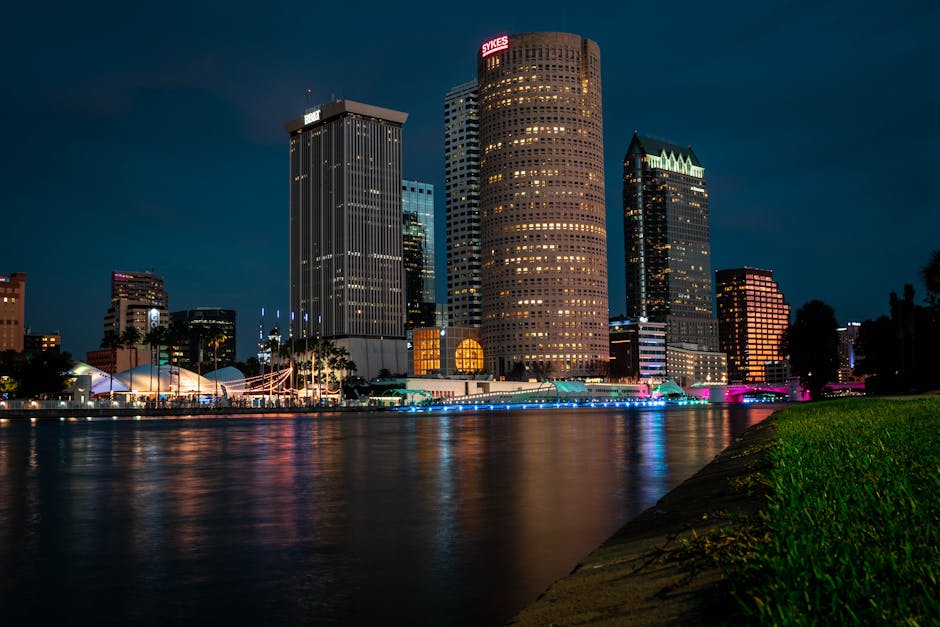
The Tampa luxury real estate landscape has moved beyond its historical identity as a secondary vacation market. Today, the region serves as a primary hub for wealth migration, driven by robust institutional growth and a significant influx of high-net-worth individuals seeking long-term residential stability. With a current median list price of $2,500,000 and an average list price exceeding $3,276,000, the market demonstrates a clear preference for high-specification assets that offer both architectural significance and functional longevity. Current inventory remains tight, with only 120 active luxury listings, necessitating a highly disciplined approach to acquisition and negotiation for serious buyers.
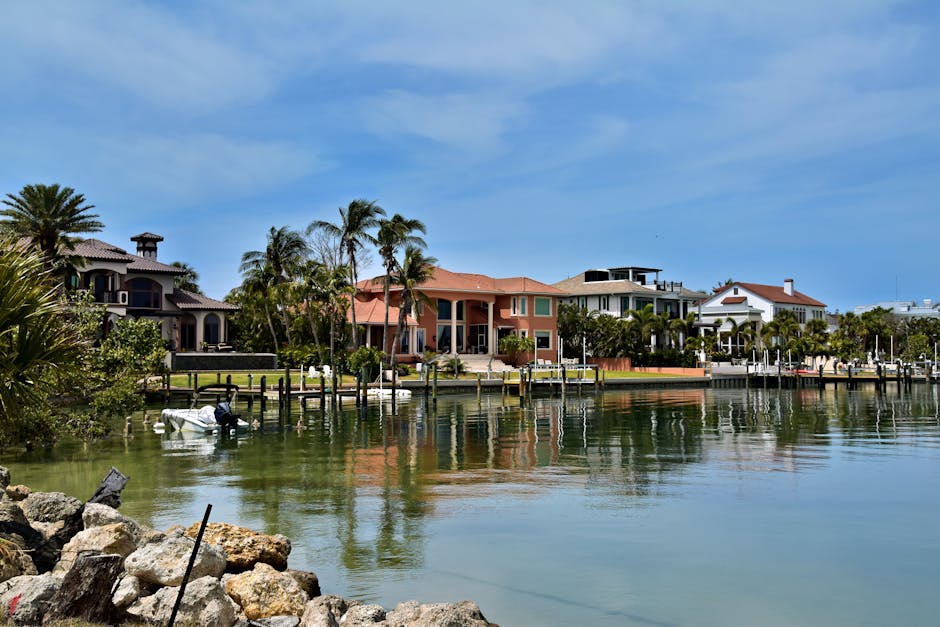
Strategic buyers are increasingly focusing on the fundamental drivers of value: lot elevation, proximity to emerging commercial cores like Water Street, and the quality of recent renovations. Unlike previous cycles, the current demand is characterized by a desire for turnkey properties that bypass the complexities of modern supply chain delays in the construction sector. While iconic stretches such as Bayshore Boulevard remain the gold standard for prestige, we are seeing a tactical expansion into established neighborhoods where larger lot sizes allow for the expansive floor plans and privacy profiles that modern luxury consumers demand. Navigating this environment requires more than a simple search; it requires an understanding of the micro-market dynamics that dictate pricing in a low-inventory environment.
The Primary Market Evolution and Waterfront Scarcity
Tampa Bay’s waterfront has officially emerged as a primary luxury real estate market, a shift that has fundamentally altered the valuation models used by local appraisers and national investors alike. This transition is documented by the National Law Review, which highlights how the city’s coastal assets are no longer just seasonal retreats but essential components of high-end portfolios. On Davis Islands and Harbour Island, the scarcity of available docks and deep-water access has created a pricing floor that remains resilient even when broader national markets face headwinds. The competition for these parcels is intense, often involving cash-heavy offers and shortened due diligence periods.
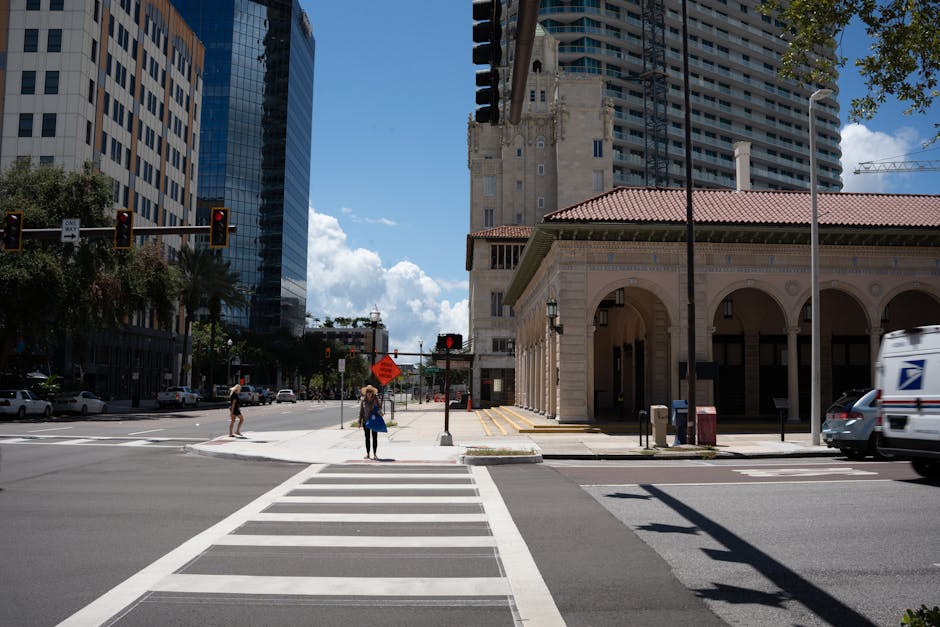
For those evaluating waterfront opportunities, the focus has shifted toward the structural integrity of the seawall and the specific elevation of the primary living areas. Savvy advisors emphasize that not all waterfront is equal; the distinction between open bay views and canal access can result in multi-million dollar valuation gaps. Buyers must weigh the aesthetic benefits of a Bayshore address against the private, gated environments found in areas like Culbreath Isles. The current market inventory reflects this premium, with standout properties like 2 Troutwater Ln and 7705 Gardner Road setting new benchmarks for what defines a luxury estate in the current era.
Furthermore, the resilience of the local market is supported by the fact that Tampa Bay’s luxury segment grows stronger despite broader national declines. This divergence is a testament to the localized economic tailwinds, including Florida’s favorable tax climate and the continued expansion of the Westshore business district. For the affluent buyer, this means that while the cost of entry has risen, the long-term appreciation potential remains anchored by a genuine shortage of prime land. Identifying value in this context requires a move away from generic market reports toward neighborhood-level data that accounts for specific street-side appeal and historical sales data.
Inventory Constraints and the Disciplined Search
With active luxury inventory currently limited to roughly 120 units across the city, the search process has become increasingly competitive. This scarcity is most visible in the highest echelons of the market, where Tampa Bay’s most expensive home sales frequently occur off-market or within hours of listing. Buyers must be prepared to act with precision, supported by a clear understanding of their non-negotiables. The $2.5 million median price point often represents the entry for high-quality South Tampa residences, but the true “ultra-luxury” tier—those properties exceeding $5 million—requires a different level of scrutiny regarding finishes, technology integration, and privacy features.
Successful acquisitions in this environment often hinge on the buyer’s ability to demonstrate financial readiness and a lack of contingencies. We are seeing a trend where buyers prioritize properties that have already undergone significant mitigation for coastal weather, including impact-rated windows and reinforced roofing systems. This focus on durability is a pragmatic response to the regional climate and insurance trends. While the aesthetic appeal of a property is important, its ability to withstand the elements while maintaining a low maintenance profile is what truly secures long-term value. Investors are advised to browse current listings carefully to identify which homes have been recently updated to these modern standards.
Critical Due Diligence for Tampa Luxury Acquisitions
- Verification of lot elevation and FEMA flood zone classification for insurance optimization.
- Inspection of seawall integrity and riparian rights for all waterfront parcels.
- Review of historical permit data to ensure all modifications meet current building codes.
- Assessment of neighborhood-specific deed restrictions and architectural review board mandates.
- Evaluation of localized infrastructure plans, including upcoming drainage or road improvements.
- Analysis of recent comparable sales within a tight half-mile radius to justify list-to-sale ratios.
Architectural Divergence and Neighborhood Character
Tampa is currently witnessing a fascinating architectural divergence. On one hand, there is a continued reverence for the Mediterranean Revival and Craftsman styles that define historic Beach Park and Hyde Park. On the other, a surge in contemporary, glass-heavy designs is reshaping the skyline of the islands and the corridor near North Florida Avenue. This shift is not merely aesthetic; it reflects a change in how owners utilize their spaces. Large, open-concept floor plans that prioritize indoor-outdoor flow are now standard, replacing the more formal, segmented layouts of the early 2000s. Buyers are looking for integrated smart home systems and dedicated wellness suites as part of the baseline package.
The character of neighborhoods like Palma Ceia and Sunset Park is evolving as older structures are replaced by high-density luxury builds. This intensification of land use is a direct result of the rising cost of acreage. For the discerning buyer, the choice often comes down to the maturity of the canopy and the walkability of the neighborhood. While a new build offers the latest in efficiency, an established estate on a larger lot provides a level of privacy that is becoming increasingly difficult to find. Understanding these trade-offs is essential for selecting a property that aligns with both lifestyle needs and investment goals.
We also see significant movement in the luxury condo segment, particularly along the downtown waterfront. The early-stage luxury condo market in Tampa is maturing rapidly, attracting buyers who prefer the security and amenities of a high-rise over the maintenance of a single-family home. This diversification of the luxury product ensures that the market can accommodate a wide range of buyer profiles, from young professionals to retirees looking to downsize without compromising on quality or location. The key is to evaluate the management of these buildings and their long-term capital improvement plans to ensure the investment remains sound.
Economic Drivers and Regional Resilience
The broader Florida real estate market continues to outperform national averages, and Tampa is a central pillar of that strength. According to Florida Trend, the state’s residential sector is bolstered by a steady flow of corporate relocations and a high rate of job creation in the technology and healthcare sectors. In Tampa, this is evidenced by the multi-billion dollar investments in the downtown core and the expansion of the Port of Tampa. These economic anchors provide a level of stability that is rare in other high-growth markets, making the city an attractive destination for capital preservation.
Beyond the spreadsheets, the city’s lifestyle offerings continue to expand. From high-end dining in the Heights to the cultural events that dominate the calendar, the quality of life is a major draw for the luxury demographic. For instance, weekend festivals and events in Tampa offer a level of engagement that rivals much larger metropolitan areas. This mix of professional opportunity and personal enrichment is what keeps demand high and supply low. Buyers are not just purchasing a property; they are securing a position in one of the most dynamic economies in the Southeastern United States.
Strategic Timing and Negotiation Tactics
Timing in the luxury market is less about seasonality and more about opportunity. While spring and fall traditionally see higher transaction volumes, the most significant deals often happen during windows of perceived market quiet. For buyers, the key is to have a pre-established relationship with a local advisor who can provide access to internal data and upcoming listings before they hit the open market. This proactive stance is the only way to navigate a market where the average list price has climbed steadily over the past 36 months. Sellers, conversely, must ensure their properties are positioned with the highest quality media and a clear value proposition to stand out among the limited but elite competition.
Negotiation in this tier of the market is seldom about price alone. It often involves complex terms related to closing timelines, furniture inclusions, or specific repair credits. A sophisticated advisor will look for ways to create a win-win scenario that prioritizes the speed and certainty of the close. As we look toward the remainder of 2026, the expectation is that interest rate stabilization will further embolden buyers who have been waiting on the sidelines, potentially tightening the inventory even further. For those ready to commit, the current window provides a rare chance to secure prime Tampa real estate before the next wave of price appreciation takes hold.
Navigating the complexities of the Tampa luxury market requires a partner who understands the nuances of the local landscape and the specific needs of the affluent buyer. Whether you are looking for a historic estate in South Tampa or a modern waterfront masterpiece on Davis Islands, the right guidance is indispensable. We invite you to explore our curated selection of high-end properties and take the first step toward securing your position in this thriving market. Browse our exclusive listings today and contact an advisor to discuss your specific requirements and how we can assist in your next acquisition.
Your next move in Tampa luxury
Get current inventory, pricing guidance, and private-tour support from our brokerage team.
Source highlights
- Tampa Bay’s most expensive luxury home sales of 2025 – Tampa Bay Times
- Tampa Bay luxury market grows stronger despite national declines – The Business Journals
- Why Tampa remains an early-stage luxury condo market – Tampa Bay Business & Wealth
- Tampa Bay’s Waterfront Emerges as a Primary Luxury Real Estate Market – The National Law Review
- Florida Trend Real Estate – Florida Trend
- Inside Tampa’s $675 Million Surge: How the City Became Florida’s New Luxury Investment Capital – hauteresidence.com
- Things To Do In Tampa This Weekend: Best Festivals & Events Going On – That's So Tampa
- Tampa weekend events: Concerts, festivals and downtown family fun — What to know before you go – FOX 13 Tampa Bay



