


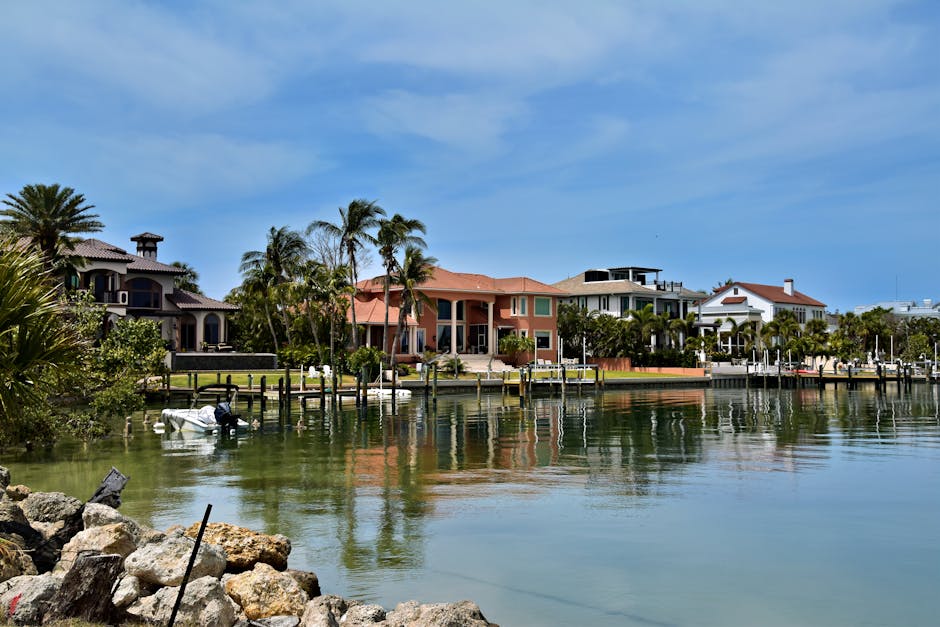
The Structural Evolution of the Tampa Waterfront
Tampa has historically been categorized as a secondary market, often overshadowed by the high-volume activity of Miami or the seasonal peaks of Palm Beach. However, recent data indicates a fundamental shift. The city has emerged as a primary luxury market, driven by a consistent influx of permanent residents seeking the specific structural advantages of the Gulf Coast. This transition is not merely anecdotal; it is reflected in the aggressive absorption of waterfront inventory and the increasing complexity of high-value transactions. For the sophisticated buyer, understanding this evolution is the difference between a speculative purchase and a sound equity play.

The physical landscape of the region, particularly along Bayshore Boulevard and the quiet enclaves of Davis Islands, is undergoing a period of architectural maturation. We are seeing a departure from Mediterranean Revival placeholders in favor of contemporary, climate-resilient estates that prioritize seamless indoor-outdoor integration. According to reports from the National Law Review, Tampa Bay’s waterfront is now recognized as a primary target for high-net-worth individuals who view the region as a long-term anchor for their portfolios rather than a temporary retreat.
This shift to a primary market status brings with it a higher level of scrutiny and a more rigorous valuation process. Buyers are no longer competing solely with local interest; they are negotiating against international capital and corporate relocations that prioritize the Westshore business district and the burgeoning Water Street corridor. This competition has compressed capitalization rates and necessitated a more analytical approach to acquisition, focusing on land value and structural integrity over aesthetic finishes.

Navigating the $2.5 Million Median List Price Landscape
Current market snapshots reveal a median list price of $2,500,000 for luxury assets in the region, with 120 active listings currently available for immediate acquisition. While the average list price hovers closer to $3.27 million, the core of the market is defined by properties that offer a balance of location and legacy. In neighborhoods like Hyde Park and Culbreath Isles, the entry point for a truly turn-key estate often exceeds these medians, reflecting the scarcity of large-lot inventory in established residential zones. This scarcity is a primary driver of the sustained price floors we are observing across the peninsula.
Buyer behavior has adjusted to this new baseline. We are seeing a marked increase in cash-heavy offers and a reduction in contingency periods for properties priced between $2 million and $5 million. This is a clear indicator of a high-intent buyer pool that has already performed significant market research before engaging in a walkthrough. The focus has shifted from finding a deal to securing the right asset in a high-demand area, such as the estates on Troutwater Lane or the expansive parcels found along Gardner Road, where price per square foot is increasingly secondary to the rarity of the acreage itself.
For those monitoring the commercial-to-residential transition, the Land and Commercial Sale property types are seeing unexpected interest from private buyers. There is a growing trend of purchasing adjacent parcels to create larger family compounds, a movement that is particularly visible in the more secluded pockets of South Tampa. This consolidation of land is a strategic move to hedge against future density increases, ensuring that the privacy and exclusivity of these luxury enclaves remain intact as the city continues its upward trajectory.
High-Rise Maturity and the Early-Stage Condo Opportunity
While single-family estates remain the traditional preference, the luxury condominium sector in Tampa is entering a significant growth phase. Unlike established markets where the condo landscape is saturated, Tampa is still considered an early-stage market for ultra-luxury vertical living. This presents a unique window for advisors and investors to enter buildings that offer the same level of service and finish as global counterparts but at a lower cost basis. This segment of the market is particularly attractive to those transitioning from larger estates who require a lock-and-leave capability without sacrificing the amenities of a full-service staff.
The development along the downtown waterfront and the Westshore district has introduced a new standard of high-rise living that was previously unavailable in the region. These projects are not just residential buildings; they are integrated lifestyle hubs that offer proximity to the city’s evolving culinary and cultural centers. As noted by Tampa Bay Business & Wealth, the current trajectory of the condo market suggests that the city is quickly closing the gap with other Florida metropolitan areas, driven by a demand for high-density luxury that prioritizes views and walkability over traditional lot maintenance.
Analyzing the long-term viability of these vertical investments requires a focus on the developer’s track record and the building’s reserve studies. In an early-stage market, the quality of the association and the long-term management plan are as critical as the floor plan itself. Buyers are increasingly looking for buildings that have established a reputation for stability and high-end service, ensuring that their investment retains its premium status as newer towers begin to populate the skyline over the next decade.
Critical Due Diligence for Tampa Waterfront Acquisitions
Acquiring property in a coastal environment necessitates a specialized set of verification steps that go beyond a standard home inspection. The complexity of the local ecosystem and the regulatory framework surrounding waterfront development require a focused approach to due diligence. Before moving to a binding contract, every advisor should ensure the following points are thoroughly vetted to protect the buyer’s long-term equity and operational peace of mind.
- Verification of current FEMA elevation certificates and a comprehensive analysis of flood insurance rating structures.
- A professional sea wall inspection, including a remaining-useful-life assessment and maintenance history.
- Confirmation of riparian rights and an audit of existing dockage permits or submerged land leases.
- An evaluation of impact-rated glazing systems and structural hardening against high-wind events.
- Mapping of the Coastal Construction Control Line (CCCL) boundaries to understand future renovation limitations.
Each of these bullets represents a potential friction point in a high-value transaction. For example, a sea wall that appears functional may have underlying structural issues that could result in a mid-six-figure repair cost shortly after closing. Similarly, understanding the CCCL is vital for buyers who intend to expand or modify their footprint. Navigating these technical hurdles is a standard part of the process for those operating at the $3 million plus level, where the physical integrity of the site is the foundation of the asset’s value.
Institutional Capital and the $675 Million Investment Surge
The scale of investment currently flowing into the region is unprecedented. Tampa has recently seen a $675 million surge in capital deployment, cementing its status as a primary destination for both private and institutional wealth. This influx is fueling large-scale infrastructure improvements and the development of new luxury corridors that are reshaping the city’s identity. When institutional players move this much capital into a single market, it signals a high level of confidence in the long-term economic stability and growth potential of the area.
This level of investment has a direct impact on residential valuations. As reported by Haute Residence, the surge in capital is a primary reason why Tampa has become a new luxury investment capital within Florida. The ripple effect of these funds is visible in the revitalization of historic districts and the expansion of the city’s professional sports and entertainment infrastructure. For property owners, this means that the value of their holdings is supported by a robust and diversifying local economy that is no longer dependent on a single industry or demographic.
Furthermore, the presence of institutional capital often leads to improved municipal services and better-maintained public spaces, which are essential components of a luxury environment. The ongoing development of the Riverwalk and the enhancements to the various park systems throughout South Tampa and the downtown core are direct results of this economic momentum. Buyers are essentially buying into a city that is being aggressively upgraded in real-time, providing a built-in appreciation mechanism that is absent in more stagnant markets.
Negotiation Dynamics in a Scarcity-Driven Market
In the current environment, negotiation is less about price concessions and more about the terms of the transfer. With active luxury inventory limited to 120 units in a city of this scale, the leverage often sits with the seller who has a well-maintained, high-specification asset. Sophisticated buyers are winning contracts by offering flexibility on closing timelines or by conducting pre-inspections to waive traditional contingency periods. This level of aggression is necessary when pursuing top-tier properties in areas like Beach Park or Sunset Park, where the most desirable homes often move before they are officially listed on the public market.
Understanding the seller’s motivation is more critical than ever. Many high-end sellers in the region are not forced to sell; they are often testing the market or looking to transition to a different type of asset within the same area. This means that an offer must be clean, professional, and backed by undeniable proof of funds. The role of the buyer advisor in this scenario is to act as a diplomat and a data specialist, presenting an offer that minimizes risk for the seller while protecting the buyer’s core interests. This is especially true for properties with unique characteristics, such as the contemporary estates found on Florida Avenue or the classic waterfront homes of the Davis Islands interior.
Another factor in today’s negotiations is the inclusion of specialized inspections as a non-negotiable part of the buyer’s process. Smart buyers are bringing in experts for mold, seawall integrity, and electronic systems early in the process. By being proactive with these investigations, buyers can make informed decisions quickly, which is highly valued by sellers who want to avoid a prolonged and uncertain escrow period. This analytical approach ensures that when a contract is signed, it is based on a transparent understanding of the property’s current condition and future needs.
Economic Stability and the Long-Term Outlook
The long-term outlook for Tampa luxury real estate remains focused on stability. Unlike previous cycles that were fueled by speculative lending, the current market is supported by significant equity and a diverse buyer pool. The city’s growth is being driven by fundamental economic factors, including corporate relocations, a favorable tax climate, and a significant upgrade in the local quality of life. For those looking to preserve wealth while enjoying a high standard of living, the region offers a compelling combination of fiscal benefits and physical beauty. Trends monitored by Florida Trend confirm that the state’s real estate sector, particularly in the Tampa Bay area, continues to outperform national averages in both resilience and price retention.
As we look toward the remainder of 2026, the focus for luxury buyers will likely remain on the quality of the asset and the long-term viability of the location. The transition of Tampa into a primary global market is well underway, and those who recognize the signs of this maturation early will be the most successful in building and maintaining their real estate portfolios. Whether you are seeking a historic estate in Hyde Park or a modern masterpiece on the waterfront, the key is to operate with a level of precision and local insight that matches the sophistication of the market itself.
Success in this landscape requires more than just a search; it requires a strategic partnership with an advisor who understands the nuances of the local market and the technical requirements of high-value acquisitions. To explore the current opportunities and analyze the most recent market movements, we invite you to browse our curated LISTINGS URL. For a private consultation regarding your specific acquisition goals or to discuss the valuation of your current holdings, please CONTACT URL an advisor today to begin the process with the professional oversight your investment deserves.
Your next move in Tampa luxury
Get current inventory, pricing guidance, and private-tour support from our brokerage team.
Source highlights
- Tampa Bay’s most expensive luxury home sales of 2025 – Tampa Bay Times
- Tampa Bay luxury market grows stronger despite national declines – The Business Journals
- Why Tampa remains an early-stage luxury condo market – Tampa Bay Business & Wealth
- Tampa Bay’s Waterfront Emerges as a Primary Luxury Real Estate Market – The National Law Review
- Florida Trend Real Estate – Florida Trend
- Inside Tampa’s $675 Million Surge: How the City Became Florida’s New Luxury Investment Capital – hauteresidence.com
- Things To Do In Tampa This Weekend: Best Festivals & Events Going On – That's So Tampa
- Tampa weekend events: Concerts, festivals and downtown family fun — What to know before you go – FOX 13 Tampa Bay



