



The Structural Reclassification of Tampa Luxury
The Tampa luxury real estate landscape has moved beyond its historical designation as a seasonal or secondary market. Recent data confirms a fundamental shift in buyer profile, where the region is now prioritized as a primary residence for high-net-worth individuals. This transition is underscored by the city’s emergence as a Florida luxury investment capital, marked by a significant surge in capital deployment exceeding $675 million into high-end residential infrastructure. For the serious buyer, this means the market is no longer driven by speculative volatility but by institutional-grade stability.
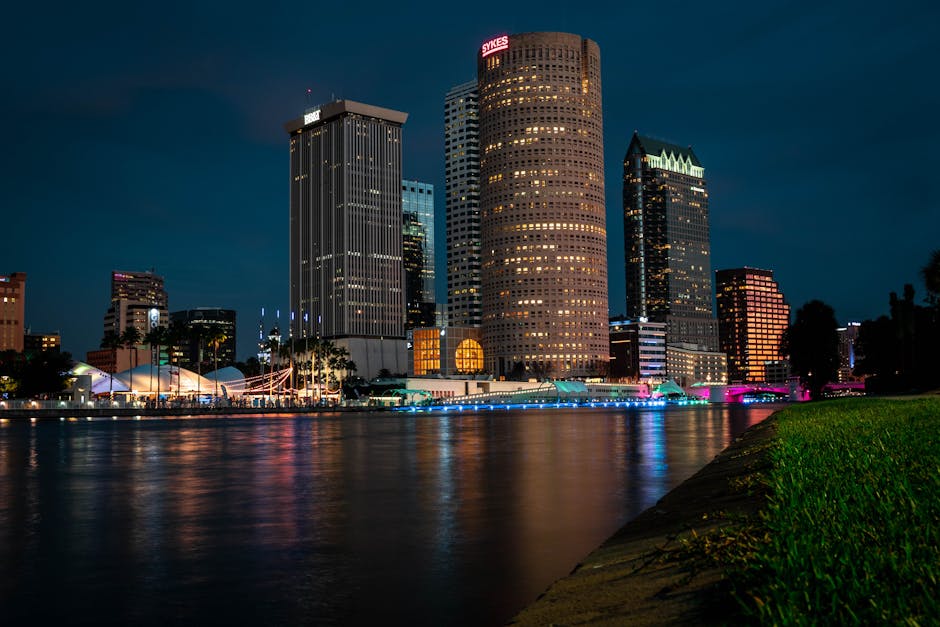
Sophisticated investors are increasingly analyzing Tampa through the lens of long-term asset preservation. The median list price of $2,500,000 for luxury inventory reflects a floor that has remained remarkably resilient. Unlike markets that rely on transient tourism, Tampa’s high-end sector is anchored by corporate migration and the expansion of the professional services sector in the downtown core. This provides a level of downside protection that is increasingly rare in other coastal metros. Buyers are no longer just purchasing a home; they are securing a position in a city that is rapidly becoming the financial and cultural hub of the Gulf Coast.
The velocity of the market remains controlled, with 120 active luxury listings providing a balanced environment for disciplined acquisition. While the average list price currently sits at $3,276,037, the true value lies in identifying properties that offer a combination of architectural integrity and strategic location. Properties like the $3,000,000 estate at 7705 Gardner Road illustrate the current appetite for larger footprints that accommodate the shift toward remote executive operations. This is a buyer-advisor’s market where technical due diligence outweighs emotional impulse.

Waterfront Assets as Institutional-Grade Holdings
The institutionalization of Tampa’s waterfront is perhaps the most visible indicator of market maturity. The National Law Review has identified that Tampa’s waterfront is emerging as a primary luxury market. This distinction is critical because it signals a move toward permanent residency and long-term capital commitment. Waterfront properties in neighborhoods such as Davis Islands and Beach Park are no longer viewed as vacation assets but as high-performance components of a diversified portfolio. The scarcity of navigable water frontage ensures that these assets remain insulated from broader inventory fluctuations.
When evaluating waterfront opportunities, the focus has shifted toward the technical specifications of the shoreline. Buyers are prioritizing properties with modernized seawalls, advanced drainage systems, and elevations that exceed current building codes. The prestige associated with addresses like 2 Troutwater Ln ($2,650,000) is now coupled with a rigorous assessment of environmental resilience. In this environment, the sophistication of the home’s engineering is as important as its aesthetic appeal. The advisor’s role is to ensure that the physical asset matches the financial expectations of a primary residence.
Furthermore, the development of the downtown waterfront and the Water Street district has created a new category of vertical luxury. These high-rise assets offer a different value proposition, focusing on high-density amenities and proximity to the city’s evolving commercial center. As Florida real estate trends continue to favor urban luxury integration, these properties are attracting a younger demographic of affluent professionals who value efficiency and walkability. This diversification of the waterfront product ensures that the market remains liquid across various property types and buyer profiles.
Inventory Dynamics and Pricing Resilience
Despite broader national economic cooling, the Tampa luxury sector continues to demonstrate significant strength. Recent reporting from The Business Journals notes that the Tampa luxury market grows stronger despite national declines. This resilience is largely attributed to a persistent supply-demand imbalance in the highest tiers of the market. While general inventory may fluctuate, the availability of truly exceptional properties—those featuring unique acreage, historical significance, or superior modern construction—remains constrained.
Buyers should look beyond simple price-per-square-foot metrics when evaluating the current inventory. The value in a $2.2 million listing on North Florida Avenue, for instance, is often found in its redevelopment potential or its placement within a neighborhood undergoing rapid appreciation. Strategic buyers are looking for the ‘delta’ between current pricing and future neighborhood maturity. This analytical approach requires a deep understanding of local zoning, infrastructure projects, and the specific historical context of Tampa’s various enclaves.
The stability of the median list price suggests that sellers are not under pressure to liquidate, indicating a healthy financial foundation across the local market. This creates a more professional negotiation environment where value is established through comparable analysis and tangible upgrades rather than market distress. For those looking to enter the market, the current window provides an opportunity to secure high-quality assets without the frenetic competition seen in previous years. It is a time for calculated moves rather than rushed decisions.
Strategic Acquisition: High-Value Acquisition Audit
To navigate the complexities of a maturing luxury market, buyers must employ a rigorous due diligence process. The following audit points are essential for any high-value acquisition in the Tampa area:
- Verify the integrity and remaining lifespan of waterfront seawalls and docks.
- Assess the property’s elevation relative to updated flood maps and insurance requirements.
- Evaluate the quality of internal systems, focusing on smart-home integration and energy efficiency.
- Review neighborhood-specific development plans and potential infrastructure impacts.
- Conduct a detailed comparative analysis of recent off-market sales in the immediate vicinity.
- Verify the transferable status of any specialized property tax exemptions or historical designations.
Each of these points represents a critical factor in the long-term performance of the asset. A home that meets these criteria is not just a residence but a defensible financial position. In the Tampa luxury space, the most successful buyers are those who treat the purchase with the same level of scrutiny they would apply to a commercial investment. This analytical rigor is what distinguishes a senior advisor’s approach from a standard transaction.
The Vertical Shift: Luxury Condo Fundamentals
The Tampa luxury condo market is currently in an early but high-velocity stage of development. Industry analysis suggests that Tampa remains an early-stage luxury condo market with significant runway for growth. The transition toward high-end vertical living is driven by a desire for a low-maintenance, service-heavy lifestyle that traditional single-family estates cannot always provide. These developments are becoming the preferred choice for those who split their time between multiple global hubs or who prioritize immediate access to downtown amenities.
When comparing condo assets, the focus should be on the ‘brand’ of the building and the long-term viability of the HOA. The quality of the amenities—private concierges, advanced wellness centers, and secure executive workspaces—is a primary driver of resale value. As the downtown core continues to densify, these vertical assets will likely see increased demand from domestic and international buyers alike. The integration of luxury residential units into mixed-use developments like Water Street is a template for the city’s future growth, providing a seamless blend of living, working, and social environments.
Investors should also consider the impact of major events on the local economy and rental demand. From blues festivals to BBQ competitions, Tampa’s can’t-miss events continue to drive traffic and visibility to the downtown area. This cultural vibrancy supports the luxury market by making the city a more attractive destination for the global elite. A vibrant cultural scene is a leading indicator of a healthy real estate market, and Tampa’s current trajectory in this regard is exceptionally positive.
Hyper-Local Variations and Buyer Behavior
Understanding the nuances between neighborhoods is vital for anyone looking to navigate the Tampa market effectively. South Tampa, including areas like Hyde Park and Palma Ceia, continues to attract those seeking a blend of historical charm and modern luxury. The buyer behavior in these enclaves is characterized by a preference for architectural authenticity and walkable proximity to high-end retail and dining. In contrast, newer developments in the Westshore area or the northern reaches of the city focus more on expansive acreage and contemporary design. These distinct sub-markets require different valuation models and investment strategies.
The Heights and other emerging areas are also seeing a shift toward luxury redevelopment. These neighborhoods offer a different risk-reward profile, appealing to buyers who are comfortable with the ‘pioneer’ stage of a district’s evolution. While these areas may not yet command the $3 million averages of the traditional waterfront, the rate of appreciation can often be higher as the infrastructure catches up to the demand. Identifying these pockets of growth requires a local advisor who understands the subtle shifts in neighborhood dynamics before they become broad market trends.
Finally, the influence of local lifestyle factors cannot be ignored. The proximity to world-class medical facilities, elite private schools, and private aviation hubs significantly impacts property values. Buyers in the $2.5 million-plus range are often making decisions based on these logistical advantages as much as the home itself. Ensuring that a property aligns with these lifestyle requirements is a key part of the advisor’s service, ensuring that the home functions effectively for the buyer’s specific needs.
Strategic Positioning for the Remainder of 2026
As we move through the second quarter of 2026, the strategy for luxury buyers should be one of patience and precision. The market has moved away from the rapid-fire bidding wars of previous years, allowing for a more deliberate approach to acquisition. This is the time to focus on quality, location, and long-term potential. Properties that have been on the market for more than 60 days may offer opportunities for more favorable terms, provided the underlying fundamentals remain sound. The goal is to build a position in a city that is clearly on an upward trajectory on the national stage.
Effective risk management in this market involves a thorough understanding of the local economic drivers. Tampa’s growth is no longer just a ‘sunbelt’ phenomenon; it is a structural rebalancing of the American economy toward cities that offer a superior quality of life combined with robust business opportunities. By focusing on primary waterfront, established neighborhoods, and high-quality vertical luxury, buyers can position themselves to benefit from this long-term trend. The data supports a confident outlook for the Tampa market, provided one approaches it with an analytical and disciplined mindset.
To explore the most exclusive inventory currently available in these prime neighborhoods, we invite you to browse our curated Tampa luxury listings. For a private consultation regarding your specific investment goals or to discuss the nuances of a particular property, please contact a senior luxury advisor at our brokerage today. Our team provides the data-backed guidance necessary to navigate this sophisticated market with confidence and clarity.
Your next move in Tampa luxury
Get current inventory, pricing guidance, and private-tour support from our brokerage team.
Source highlights
- Tampa Bay’s most expensive luxury home sales of 2025 – Tampa Bay Times
- Tampa Bay luxury market grows stronger despite national declines – The Business Journals
- Why Tampa remains an early-stage luxury condo market – Tampa Bay Business & Wealth
- Tampa Bay’s Waterfront Emerges as a Primary Luxury Real Estate Market – The National Law Review
- Florida Trend Real Estate – Florida Trend
- Inside Tampa’s $675 Million Surge: How the City Became Florida’s New Luxury Investment Capital – hauteresidence.com
- Things To Do In Tampa This Weekend: Best Festivals & Events Going On – That's So Tampa
- Tampa officials expect heavy traffic, tens of thousands of visitors over a packed K-Pop weekend – wtsp.com



