



The Evolution of Tampa as a Primary Luxury Destination
The Tampa luxury market has undergone a fundamental transformation, moving from a secondary vacation hub to a primary target for global capital. Recent data indicates a staggering $675 million surge in high-end investment, signaling that the region is no longer just a seasonal retreat. This influx of capital is driven by a sophisticated buyer profile seeking long-term value, asset stability, and a specific quality of life that differs from the saturated markets of South Florida. While national trends have shown periodic declines in transaction volume, Tampa’s luxury sector has remained remarkably resilient, bolstered by a steady migration of high-net-worth individuals from the Northeast and Midwest.

Identifying the drivers of this resilience requires looking past the surface-level inventory counts. The median list price for luxury properties in the area now hovers around $2,499,000, reflecting a market that has matured beyond speculative growth into a sustained period of valuation. Buyers are increasingly prioritizing large-scale estates in established neighborhoods like Davis Islands and Beach Park, where land scarcity ensures a ceiling on new supply. This scarcity, combined with modern architectural demands, has created a competitive environment for properties that meet specific structural and aesthetic benchmarks. For those navigating this space, success depends on a granular understanding of neighborhood-level micro-trends and the ability to act on off-market opportunities before they hit the broader MLS.
Strategic acquisition in this climate involves more than just selecting a property; it requires an analytical approach to the local economic landscape. The emergence of Tampa as a “Luxury Investment Capital” is supported by significant infrastructure improvements and a business-friendly environment that continues to attract corporate relocations. As a senior advisor, I observe that the most successful buyers are those who treat their residential purchase with the same level of due diligence as a commercial venture. They evaluate not only the immediate amenities but the long-term trajectory of the surrounding area, ensuring their capital is positioned in a path of continued appreciation rather than temporary hype.
Waterfront Dynamics: Beyond Seasonal Residency
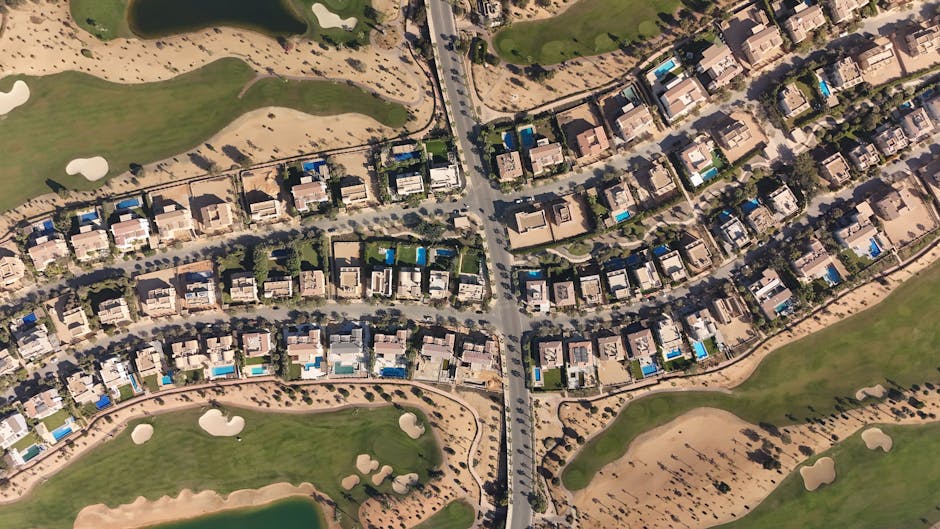
Waterfront property remains the pinnacle of the Tampa market, but the nature of these assets is shifting. We are seeing a distinct trend where the waterfront is emerging as a primary residential choice for families and executives, rather than a secondary home for winter months. This shift is particularly evident in the record-breaking sales of 2025, where Tampa Bay’s most expensive home sales have redefined what buyers are willing to pay for prime coastal access. The demand for deep-water docks and expansive bay views continues to outpace available inventory, leading to a situation where older structures are being acquired solely for their lot value to make way for modern, high-elevation estates.
For the sophisticated buyer, waterfront acquisition involves complex considerations regarding elevation, shoreline stabilization, and riparian rights. It is essential to verify the integrity of seawalls and the feasibility of dock permits early in the negotiation phase. In areas like Snell Isle or the south-facing shores of Bayshore Boulevard, the difference between a standard lot and a premier wide-water view can represent a seven-figure premium. This is where waterfront real estate emerges as a primary market, demanding a level of expertise that goes beyond simple floor plans. Buyers must be prepared to navigate the nuances of coastal construction and the specific zoning regulations that govern these high-value corridors.
The current weather patterns for April 2026, with temperatures reaching the upper 80s and minimal rainfall, highlight the year-round appeal of the Gulf Coast lifestyle. This climate facilitates the outdoor-centric architecture that defines Tampa’s luxury waterfront homes, featuring seamless transitions between indoor living spaces and expansive pool decks. However, the advisor’s role is to look beyond the immediate aesthetic appeal and ensure that the property is built to withstand the long-term environmental factors of the Florida coast. Verifying impact-rated glazing, reinforced concrete construction, and advanced drainage systems is non-negotiable for any high-end purchase in the current market.
The Vertical Shift: Assessing Early-Stage Luxury Condos
While the traditional estate remains popular, Tampa is currently in a unique position as an early-stage luxury condo market. This represents a significant opportunity for buyers who prefer the security and convenience of high-rise living without the maintenance requirements of a large property. The development of several ultra-luxury towers in the downtown core and along Bayshore Boulevard has introduced a level of service previously unseen in the region, including 24-hour concierge teams, private elevators, and world-class wellness centers. Experts suggest that Tampa remains an early-stage luxury condo market, offering a value proposition that is highly favorable when compared to the price-per-square-foot metrics of Miami or Naples.
When evaluating a luxury condominium, the focus should be on the density of the building and the ratio of residents to amenities. The most desirable units are those with flow-through floor plans that offer both bay views and city skyline panoramas. Investors should also examine the track record of the developer and the financial health of the association. In a maturing market, the quality of the management team is as critical as the quality of the finishes. High-end buyers are increasingly looking for buildings that offer exclusivity and privacy, often opting for lower-density developments where they can maintain a level of anonymity within the city center.
The rise of vertical luxury is also a response to the limited availability of land in the most sought-after neighborhoods. For those who wish to be within walking distance of Tampa’s growing culinary scene and cultural venues, a high-rise residence provides the perfect balance. Events like the upcoming festivals and weekend concerts in the downtown district are easily accessible from these central locations, enhancing the utility of the property. For a detailed look at the current opportunities in this sector, you can browse our curated list of LISTINGS URL to compare floor plans and amenity packages across the city’s premier towers.
Due Diligence for High-Value Acquisitions
Successfully navigating a transaction at the $3 million plus level requires a structured approach to due diligence. The process begins long before the inspection period, with a thorough analysis of the property’s history and its standing within the local market. Buyers must verify not just the condition of the home, but its legal and financial status, including any potential encumbrances or zoning changes in the immediate vicinity. This is particularly relevant in Tampa, where rapid redevelopment can quickly alter the character of a neighborhood. A senior advisor’s role is to coordinate a team of professionals—including structural engineers, title experts, and tax consultants—to ensure every aspect of the deal is scrutinized.
- Verify the age and material composition of all roofing systems and mechanical components to estimate future capital expenditures.
- Conduct a comprehensive review of the property’s elevation certificate and current flood insurance requirements.
- Assess the integrity of seawalls and dock structures through a specialized marine engineering report for all waterfront estates.
- Analyze the recent comparable sales within a tight geographic radius, adjusting for lot size, view quality, and architectural significance.
- Review the history of the property’s homestead exemption and understand the tax implications of the reset upon transfer.
- Investigate any pending municipal projects or neighboring developments that could impact privacy or noise levels.
Beyond the technical checks, it is also important to consider the functional utility of the home for your specific needs. This includes evaluating the privacy of the outdoor spaces, the flow of the entertaining areas, and the security features of the property. In Tampa’s high-end market, properties that offer gated entries, advanced smart-home integration, and discrete service entrances are consistently in higher demand. A meticulous approach to this checklist will prevent unforeseen complications and ensure that the acquisition aligns with your broader investment objectives. Once these criteria are met, the focus can shift to the final negotiations and the logistical details of the closing process.
Neighborhood Nuance: South Tampa vs. The Islands
Understanding the distinction between Tampa’s premier neighborhoods is vital for any serious buyer. South Tampa, particularly the areas surrounding Bayshore Boulevard, offers a blend of historic charm and modern convenience. These neighborhoods are characterized by tree-lined streets, high walkability, and proximity to the city’s top-rated schools. In contrast, Davis Islands and Harbour Island offer a more secluded environment with a focus on waterfront access and privacy. Davis Islands, in particular, has become a favorite for high-profile residents due to its private airport and maritime-focused community, where deep-water lots are the primary draw.
When comparing these areas, consider the lifestyle implications of each location. South Tampa’s Beach Park and Palma Ceia offer large lots and a traditional suburban feel while remaining minutes from the business district. These areas have seen a surge in new construction, with developers replacing mid-century homes with expansive transitional and modern estates. This activity is reflected in Florida Trend’s recent real estate analysis, which notes that infill redevelopment remains a primary driver of value in established coastal cities. Buyers should weigh the benefit of a newer build against the character and mature landscaping of an older estate, keeping in mind that the land itself is often the most appreciating component of the asset.
Market movement in these neighborhoods is often swift, with the best properties frequently trading in private, off-market transactions. For buyers, this means that having an established relationship with a well-connected advisor is the most effective way to secure a premier location. Whether you are looking for the prestige of a Bayshore address or the quiet luxury of an island retreat, the key is to understand the specific zoning and historical preservation rules that may apply. Each pocket of Tampa has its own unique set of constraints and opportunities, and navigating them requires a deep-rooted local perspective that a national report cannot provide.
Market Indicators: Inventory and Pricing Velocity
Current market indicators point to a stabilized luxury sector with a healthy balance of supply and demand. With approximately 120 active luxury listings and an average list price exceeding $3.2 million, the market provides sufficient options for discerning buyers while maintaining a competitive edge that protects property values. We are seeing a move toward more realistic pricing strategies from sellers, leading to a more efficient transaction environment. The “days on market” metric for well-positioned properties remains low, particularly for those that have been recently renovated or represent new construction in prime areas like Culbreath Isles or the more established sections of TROUTWATER LANE.
Pricing velocity is another key indicator to watch. While the initial list price for many properties may seem aggressive, the final sale prices are reflecting the true market value determined by sophisticated buyers who are well-versed in the local landscape. For example, recent sales on GARDNER ROAD and FLORIDA AVENUE demonstrate that buyers are willing to pay a premium for properties that offer unique architectural features or significant lot sizes. This data-backed approach to valuation is essential for both buyers and sellers to ensure they are making informed decisions. It is also important to consider the impact of rising construction costs on the replacement value of existing luxury homes, which often makes current inventory more attractive than embarking on a new build project.
As we move further into 2026, the influx of capital from major investment firms and high-net-worth individuals is expected to continue. This sustained interest will likely lead to a gradual reduction in inventory, particularly in the most sought-after waterfront corridors. For those looking to enter the market, now is the time to finalize your criteria and begin the selection process. The current inventory of LISTINGS URL offers a comprehensive snapshot of the available opportunities, from historic estates to contemporary high-rise units. Monitoring these market indicators will provide the clarity needed to strike at the right moment and secure a position in one of Florida’s most dynamic real estate markets.
Building a Portfolio in the Gulf Coast Capital
Entering the Tampa luxury market is a strategic move that requires a long-term perspective. The region’s growth is supported by more than just lifestyle appeal; it is backed by a robust economy, significant infrastructure investment, and a demographic shift that is bringing a new level of wealth and sophistication to the area. For buyers, the goal is to identify properties that offer both immediate utility and the potential for significant long-term appreciation. This involves looking beyond the standard metrics and understanding the nuances of the local market—from the intricacies of flood zones to the future plans for downtown redevelopment. By taking an analytical, data-driven approach, you can build a residential portfolio that stands the test of time.
The transition of Tampa into a primary luxury market is a historic shift that is currently unfolding. For those who recognize the early signals, the opportunity to secure a premier asset in this growing capital is substantial. Whether your interest lies in a sprawling waterfront estate or a sophisticated urban residence, the principles of successful acquisition remain the same: rigorous due diligence, local expertise, and a clear understanding of market dynamics. As you evaluate your options, remember that the most valuable assets are those that combine a prime location with high-quality construction and a timeless design. To begin your search or to discuss a tailored acquisition strategy, we invite you to browse our latest LISTINGS URL and CONTACT URL an advisor today for a confidential consultation.
Your next move in Tampa luxury
Get current inventory, pricing guidance, and private-tour support from our brokerage team.
Source highlights
- Tampa Bay’s most expensive luxury home sales of 2025 – Tampa Bay Times
- Tampa Bay luxury market grows stronger despite national declines – The Business Journals
- Why Tampa remains an early-stage luxury condo market – Tampa Bay Business & Wealth
- Tampa Bay’s Waterfront Emerges as a Primary Luxury Real Estate Market – The National Law Review
- Florida Trend Real Estate – Florida Trend
- Inside Tampa’s $675 Million Surge: How the City Became Florida’s New Luxury Investment Capital – hauteresidence.com
- Things To Do In Tampa This Weekend: Best Festivals & Events Going On – That's So Tampa
- Tampa officials expect heavy traffic, tens of thousands of visitors over a packed K-Pop weekend – wtsp.com



