


The Institutionalization of Tampa’s High-End Market
Tampa has fundamentally transitioned from a regional sanctuary to a primary destination for high-net-worth individuals and institutional capital. This evolution is not merely a post-pandemic anomaly but a structural shift in how the region is valued on a national scale. As wealth migration continues, the expectations for premium properties have escalated, demanding a more sophisticated approach from those looking to acquire substantial assets. The market has matured, requiring buyers to look beyond surface-level aesthetics and deeply analyze underlying valuation metrics to support long-term asset value.
Recent data indicates a stabilization of inventory, with approximately 120 active premium properties currently available. This figure represents a healthy equilibrium, offering enough variety to satisfy discerning tastes without oversaturating the market. However, the pricing dynamics reveal a nuanced landscape. The median list price sits at nearly $2.5 million, serving as the current baseline for entry into the upper tier. Yet, the average list price extends past $3.2 million, highlighting a concentration of ultra-premium estates that heavily skew the aggregate data. Understanding this spread is crucial for buyers attempting to gauge fair market value in different neighborhoods.
This influx of capital is actively reshaping the architectural and demographic profile of the area. According to a recent analysis of Tampa’s recent surge in high-end investments, the city has firmly established itself as a focal point for luxury acquisitions. Buyers are no longer viewing Tampa as a secondary option but as a primary residence or a critical component of a diversified real estate portfolio. This shift necessitates a strategic, data-backed approach rather than relying on historical pricing models that no longer apply to the current environment.

Assessing Waterfront Value and Coastal Resilience
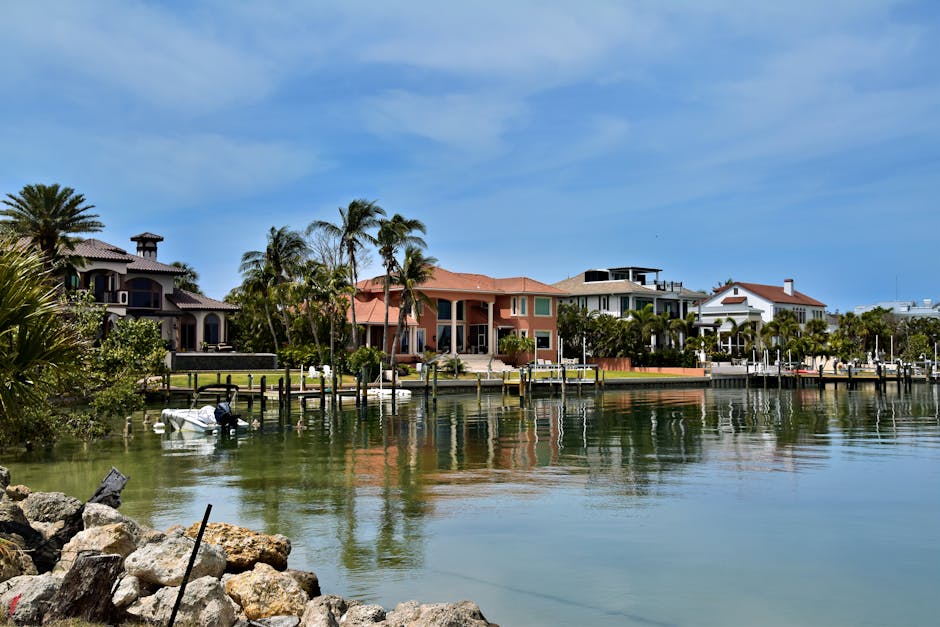
Waterfront property remains the most coveted asset class in the region, but the criteria for evaluating these parcels have grown increasingly stringent. It is no longer sufficient to merely possess a view of the water; the utility, navigability, and resilience of the shoreline directly dictate the premium a property commands. Buyers must differentiate between open bay exposure, which offers expansive vistas but higher weather vulnerability, and deep-water canals, which provide protected dockage for significant vessels. The specific type of water access can swing valuations by millions of dollars, even within the same immediate vicinity.
Neighborhoods such as Davis Islands and Culbreath Isles serve as prime examples of this highly stratified waterfront pricing. In these enclaves, the composition of the seawall, the depth of the draft at low tide, and the setback requirements are intensely scrutinized. A property with a recently engineered seawall and conforming elevation standards will consistently outperform a comparable home requiring imminent infrastructure updates. Industry coverage has noted how Tampa Bay’s waterfront has emerged as a primary market, emphasizing that buyers are increasingly prioritizing properties that offer both premium amenities and robust environmental safeguards.
Furthermore, coastal resilience has shifted from an abstract concept to a primary line item in property valuation. Modern buyers are demanding homes engineered to withstand severe weather events without sustaining catastrophic damage. This includes evaluating the elevation of the first living level, the presence of impact-rated glazing throughout, and the integration of secondary power generation systems. Properties that seamlessly blend these critical structural requirements with sophisticated architectural design are currently setting the benchmark for top-tier transactions in the region.
The Maturation of the Condominium Sector
Historically dominated by sprawling single-family estates, Tampa’s high-end market is experiencing a profound shift toward luxury vertical living. The development of districts like Water Street has introduced an entirely new asset class to the region: the ultra-premium, full-service condominium. This transition caters to a specific demographic of buyers—often relocating from major metropolitan hubs or seeking a secondary, maintenance-free residence—who prioritize walkability, security, and immediate access to top-tier culinary and cultural venues over private acreage.
Despite the rapid development, this sector is still defining its ceiling. Valuations in these new towers are heavily dependent on floor level, view corridors, and the exclusivity of the building’s amenities. We are seeing a distinct premium placed on units that offer unobstructed views of Hillsborough Bay or the downtown skyline, particularly those with expansive terraces that blur the line between indoor and outdoor living. As highlighted in discussions on why Tampa remains an early-stage luxury condo market, there is significant room for appreciation as the surrounding infrastructure and retail environment continue to mature.
For buyers considering vertical living, the analysis must extend beyond the individual unit to encompass the health and governance of the condominium association. Reviewing reserve studies, understanding upcoming special assessments, and evaluating the ratio of owner-occupants to investors are critical steps. A beautifully appointed unit in a building with poor fiscal management or deferred maintenance represents a significant liability. Therefore, acquiring these assets requires a meticulous review of documentation that differs substantially from single-family home acquisitions.
Strategic Due Diligence for High-Value Transactions
Executing a successful acquisition in the multi-million dollar tier requires a level of due diligence that far exceeds standard residential inspections. The complexity of these estates—encompassing advanced home automation systems, intricate pool and hardscape engineering, and specialized HVAC requirements—demands the deployment of specialized structural and systems engineers. Buyers must operate under the assumption that cosmetic perfection may conceal underlying mechanical or structural deficiencies that could require substantial capital to rectify.
A comprehensive vetting process is non-negotiable. Before finalizing any high-value transaction, we advise our clients to systematically address a specific set of criteria designed to uncover hidden liabilities and ensure the property aligns with their long-term objectives. This methodical approach preserves the integrity of the acquisition and provides leverage during the final stages of negotiation.
- Verify seawall integrity, exact water depth at mean low tide, and riparian rights for waterfront parcels.
- Assess long-term flood mitigation strategies and confirm adherence to the latest structural elevation standards.
- Review comprehensive HOA restrictions and local zoning overlays regarding significant architectural modifications.
- Evaluate the structural integrity of specialized amenities, including custom rooflines, infinity-edge pools, and subterranean features.
- Audit the permitting history to ensure all major renovations and additions were legally executed and finalized.
- Analyze the potential impact of proposed municipal infrastructure projects on immediate neighborhood traffic and property values.
Failing to execute these verifications can result in acquiring an asset with severe limitations. For instance, discovering post-closing that a neighborhood’s historic overlay prevents the expansion of a master suite, or that a seawall requires a total rebuild, fundamentally alters the financial equation. Engaging a seasoned advisor who understands how to coordinate these specialized inspections is the most effective way to mitigate these substantial oversights.
Cultural Proximity as a Valuation Driver
In the premium tier, real estate value is inextricably linked to cultural proximity and lifestyle access. Buyers are not merely purchasing a structure; they are securing a position within a specific community ecosystem. Neighborhoods that offer seamless, often walkable access to high-end retail, private social clubs, and acclaimed dining establishments consistently command a significant premium over comparable homes in more isolated locations. Historic Hyde Park and the evolving downtown districts are prime examples of this dynamic in action.
The local events calendar also plays a surprisingly vital role in property utilization and seasonal demand. The ability to effortlessly participate in the city’s premier gatherings, from exclusive culinary festivals to major entertainment weekends, adds a tangible layer of appeal. For example, maintaining a residence with easy access to venues hosting Tampa’s major weekend events and festivals enhances the owner’s lifestyle while also supporting the property’s desirability should they choose to sell. Proximity to these cultural hubs reduces friction in daily living and elevates the overall ownership experience.
When evaluating potential acquisitions, it is essential to weigh these immediate lifestyle benefits against projected asset appreciation. A property situated in a highly sought-after, walkable district may present a higher initial cost per square foot, but it historically offers stronger downside protection during market fluctuations. Buyers must determine how highly they value this convenience and whether the associated premium aligns with their personal goals. To understand how these factors influence current pricing, reviewing active Tampa premium listings provides necessary context.
Formulating a Competitive Acquisition Strategy
Approaching the current market requires a highly calibrated strategy. With active premium inventory hovering around 120 properties, buyers face a nuanced environment where exceptional homes command intense attention, while aspirational pricing on flawed assets results in extended days on the market. Success hinges on the ability to swiftly identify mispriced opportunities—whether they are undervalued properties requiring minor updating or aggressively priced estates where sellers may be open to rational negotiation.
A reactive approach—simply waiting for listings to appear on public syndication sites—is often insufficient for securing the most desirable properties. The most astute buyers leverage established networks to gain access to off-market opportunities and private exclusives before they are broadly marketed. This proactive stance requires a deep understanding of neighborhood-specific turnover rates and cultivating relationships with key market participants who control the flow of premium inventory.
Furthermore, structuring a compelling offer extends beyond the headline price. Sellers at this level prioritize certainty of execution. Offers that demonstrate strong financial qualification, incorporate concise and realistic inspection periods, and offer flexibility regarding closing timelines often outmaneuver slightly higher bids burdened by contingencies. Precision in drafting the contract and clarity in communication are critical components of a winning acquisition strategy.
Securing Your Position in the Tampa Market
The window for executing strategic acquisitions in specific Tampa neighborhoods is continually evolving. As infrastructural improvements are completed and the city’s national profile continues to rise, the baseline for entry into the premier districts will likely face further upward pressure. Buyers who act with decisive, well-researched intent are best positioned to secure assets that deliver both immediate lifestyle enhancement and enduring asset stability. Navigating this landscape requires moving beyond aggregate statistics to understand the micro-dynamics of individual streets and buildings.
Acquiring a significant property in this environment demands precise execution and expert guidance. By focusing on fundamental valuation metrics, demanding rigorous due diligence, and prioritizing locations with robust cultural infrastructure, buyers can confidently build their real estate portfolios. To discuss your specific requirements and begin a targeted search, contact an advisor to initiate a private consultation.
Your next move in Tampa luxury
Get current inventory, pricing guidance, and private-tour support from our brokerage team.
Source highlights
- Tampa Bay’s most expensive luxury home sales of 2025 – Tampa Bay Times
- Tampa Bay luxury market grows stronger despite national declines – The Business Journals
- Why Tampa remains an early-stage luxury condo market – Tampa Bay Business & Wealth
- Tampa Bay’s Waterfront Emerges as a Primary Luxury Real Estate Market – The National Law Review
- Florida Trend Real Estate – Florida Trend
- Inside Tampa’s $675 Million Surge: How the City Became Florida’s New Luxury Investment Capital – hauteresidence.com
- Things To Do In Tampa This Weekend: Best Festivals & Events Going On – That's So Tampa
- Things To Do In St Pete This Weekend: Best Festivals & Events Going On In St Petersburg – I Love the Burg



