


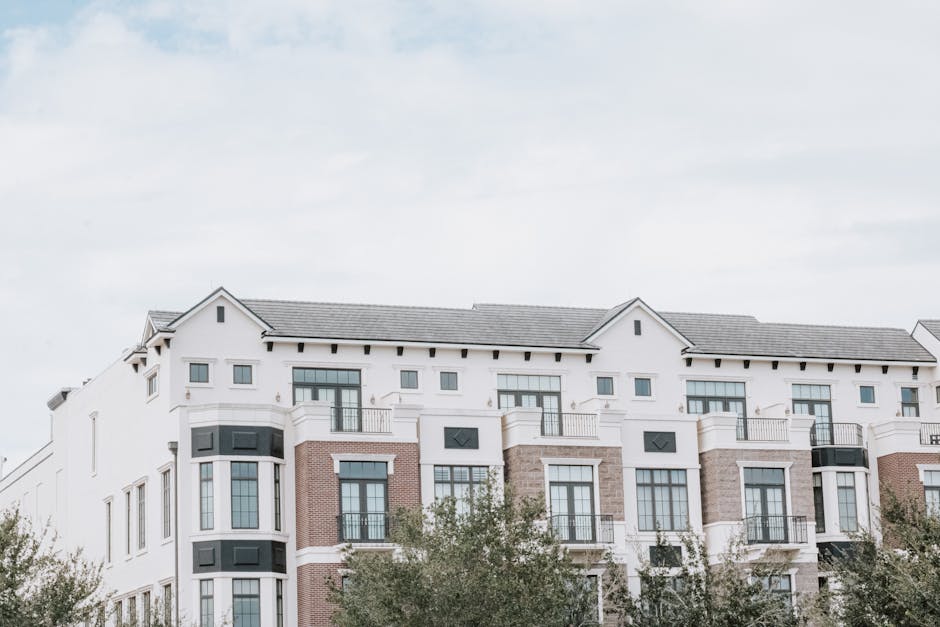
The Institutionalization of Tampa Luxury Real Estate
The Tampa luxury market has transitioned from a seasonal secondary market into a primary destination for institutional and private capital. With an average list price exceeding $3.2 million across current premier inventory, the region is witnessing a fundamental shift in buyer behavior. Investors are no longer looking for mere vacation assets; they are seeking high-utility primary residences that offer long-term value preservation. This maturity is driven by a consistent influx of domestic migration from high-tax states and a corporate landscape that increasingly favors the West Coast of Florida.

Current data indicates a stable active luxury count of approximately 120 properties, suggesting a balanced absorption rate for high-end assets. Unlike previous cycles, the present inventory is characterized by modern architectural standards and hardened infrastructure. Buyers are prioritizing properties like those found on Gardner Road or Florida Avenue, where historical prestige meets contemporary engineering. This structural shift ensures that the local market remains resilient against broader macroeconomic fluctuations, providing a credible hedge for affluent portfolios.
As the region matures, the distinction between ‘expensive’ and ‘luxury’ becomes more pronounced. A sophisticated advisor looks beyond the price tag to evaluate the scarcity of the underlying asset. In neighborhoods such as Hyde Park and Beach Park, the limited availability of oversized lots creates a natural ceiling on supply, which supports price floors even during periods of high interest rates. Understanding these micro-market dynamics is essential for any buyer looking to secure a position in the current landscape.
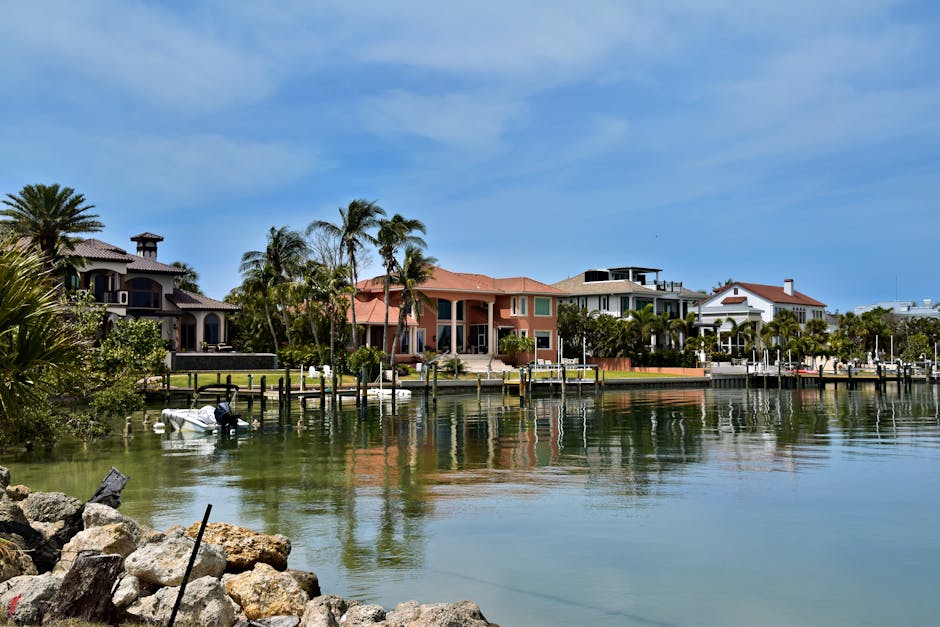
Waterfront Assets as Primary Portfolio Holdings
Historically, waterfront property in Tampa was viewed through the lens of leisure. However, as noted by The National Law Review, Tampa Bay’s waterfront is emerging as a primary luxury real estate market. This transition means that valuations are increasingly tied to year-round utility rather than seasonal demand. Areas like Davis Islands and Harbor Island are seeing record-breaking transactions because they offer a rare combination of deep-water access and proximity to a centralized business district.
When evaluating waterfront opportunities, buyers must distinguish between ‘view-only’ properties and those with significant riparian rights. The premium for deep-water docks has widened as larger vessels become the norm for Tampa residents. Property on Troutwater Lane, for instance, represents the type of asset where the value of the land and the water access often outpaces the depreciable value of the structure itself. This is a critical distinction for those focused on capital appreciation over a ten-year horizon.
Furthermore, the physical security of waterfront assets has become a top priority. Modern construction on the bay now utilizes advanced piling systems and elevated first floors that exceed standard requirements. Sophisticated buyers are conducting deeper due diligence on seawall integrity and drainage systems before committing to an acquisition. This analytical approach to risk management is what separates the current wave of buyers from those of previous decades.
Analyzing Vertical vs. Horizontal Luxury
Tampa remains an early-stage luxury condo market, offering a unique window for those who prefer vertical living. While cities like Miami have saturated high-rise markets, Tampa’s downtown core is just beginning to define its skyline. The introduction of developments like Marina Pointe has set new benchmarks for amenities and service levels, appealing to those who desire a lock-and-leave lifestyle without sacrificing the scale of a single-family home.
The choice between a high-rise residence and a traditional estate in South Tampa often comes down to a trade-off between privacy and convenience. Modern luxury towers provide concierge services, private elevators, and integrated wellness centers that are difficult to replicate in a standalone residence. However, horizontal luxury—traditional estates—offers total control over the land and long-term redevelopment potential. Advisors often suggest a diversified approach, considering how a downtown condo might serve as a primary hub while a larger estate elsewhere provides the necessary acreage for privacy.
Supply constraints in the vertical sector are also worth noting. New construction costs and site availability in the Channel District and Water Street areas have restricted the pipeline of upcoming projects. This scarcity supports the resale value of existing high-end units. For buyers who prioritize walkability and immediate access to cultural events, the vertical market provides a level of urban integration that was previously unavailable in this region.
Due Diligence for High-Value Acquisitions
Success in the $2 million to $5 million price bracket requires a more rigorous verification process than the standard residential transaction. The complexity of local building codes, coupled with the specifics of Florida property insurance, necessitates a specialized team of advisors. It is no longer sufficient to rely on a general home inspection; specialized assessments of HVAC systems, smart-home integration, and environmental factors are now mandatory for a prudent close.
- Verify the remaining life of the seawall and dock infrastructure on all waterfront parcels.
- Review the master association’s financial health and reserve studies for all luxury condo acquisitions.
- Analyze the historical appreciation of the specific neighborhood sub-pocket over the last two market cycles.
- Confirm that all recent renovations were completed with proper permits and meet current Florida Building Code standards.
- Evaluate the proximity to essential high-end infrastructure, such as private aviation terminals and elite medical facilities.
- Assess the specific drainage and elevation characteristics of the lot to determine long-term flood resilience.
Beyond the physical structure, the financial structure of the deal is equally important. Many of the most significant sales in the most expensive luxury home sales of 2025 involved complex negotiations around seller financing or post-close leasebacks. A senior buyer advisor understands how to structure these terms to protect the buyer’s liquidity while ensuring a seamless transition of the asset.
Supply Constraints and New Construction Feasibility
The inventory of new construction remains tight across prime Tampa corridors. While developers are proposing new projects in surrounding areas, the core luxury neighborhoods are largely built out. This has led to a rise in ‘scrape and build’ activity, where older structures are removed to make way for modern estates. For a buyer, this means that the cost of entry is often dictated by the replacement cost of the home plus the premium for the location.
For those considering building a custom home, the timeline and labor market must be factored into the valuation. High-end contractors in the region are currently operating at near-capacity, and material costs for luxury finishes remain volatile. This makes the acquisition of a recently completed, ‘turnkey’ property highly attractive for those who wish to avoid the multi-year commitment of a new build. The premium paid for a move-in-ready asset on a street like Troutwater Lane is often justified by the immediate utility and the avoidance of construction-related stress.
Additionally, the regulatory environment in Florida continues to evolve. Recent changes in Florida Trend Real Estate reporting highlight the increased scrutiny on land use and environmental impact. Buyers looking at large land tracts or commercial-sale property types should ensure their advisors have a clear understanding of local zoning trends and potential future developments in the immediate vicinity.
The Role of Local Context in Valuation
A property’s value is inextricably linked to the surrounding local context. In Tampa, this includes proximity to high-end dining, private social clubs, and significant cultural hubs. The weekend traffic patterns and the proximity to major event venues can significantly impact the daily experience of a residence. For instance, being within a short distance of the downtown corridor allows for easy access to the region’s premier festivals and concerts without the burden of long commutes.
Buyer behavior is also influenced by the concentration of wealth in specific clusters. When a neighborhood reaches a ‘critical mass’ of luxury homes, the price floor tends to stabilize, as owners are less likely to accept low-ball offers. This network effect is evident in areas where several homes have sold for over $3 million in the past 18 months. It creates a neighborhood-level economy where property values are supported by the collective investment of all residents in the area.
Understanding the lifestyle nuances of each area—whether it is the quiet, canopy-lined streets of Old Northeast or the active, fitness-oriented vibe of Bayshore—is what allows a buyer to make a decision they will be satisfied with years later. It is not just about the square footage; it is about how the property integrates into the rhythm of Tampa’s high-end social and professional life.
Navigating the Close in a Maturing Market
The final stages of a luxury acquisition require a steady hand and a focus on detail. In a market where multiple offers on prime assets are still common, the ability to present a clean, well-funded offer is paramount. Sellers at this level prioritize certainty of closing over the highest nominal price in many cases. Working with an advisor who has established relationships with local title companies, attorneys, and private lenders can provide the necessary edge in a competitive situation.
As we look toward the remainder of the year, the outlook for Tampa’s luxury sector remains positive. The combination of limited supply, strong demand from out-of-state buyers, and a maturing urban core creates a compelling case for investment. For those ready to move forward, the focus should remain on high-quality assets in established neighborhoods that offer both lifestyle benefits and capital preservation. To begin your search for the right property, browse our current luxury listings and identify the assets that align with your portfolio goals. Once you have narrowed your focus, contact an advisor to arrange a private consultation and gain access to off-market opportunities that are not currently available to the general public.
Your next move in Tampa luxury
Get current inventory, pricing guidance, and private-tour support from our brokerage team.
Source highlights
- Sarasota developer proposes 300 single-family homes in Lakewood Ranch – The Business Journals
- Tampa Bay’s most expensive luxury home sales of 2025 – Tampa Bay Times
- Why Tampa remains an early-stage luxury condo market – Tampa Bay Business & Wealth
- Tampa Bay’s Waterfront Emerges as a Primary Luxury Real Estate Market – The National Law Review
- Florida Trend Real Estate – Florida Trend
- Tampa Bay's Marina Pointe Wins Three Americas Property Awards for Excellence in Luxury Waterfront Living – PR Newswire
- Things To Do In Tampa This Weekend: Best Festivals & Events Going On – That's So Tampa
- Things To Do In St Pete This Weekend: Best Festivals & Events Going On In St Petersburg – I Love the Burg



